
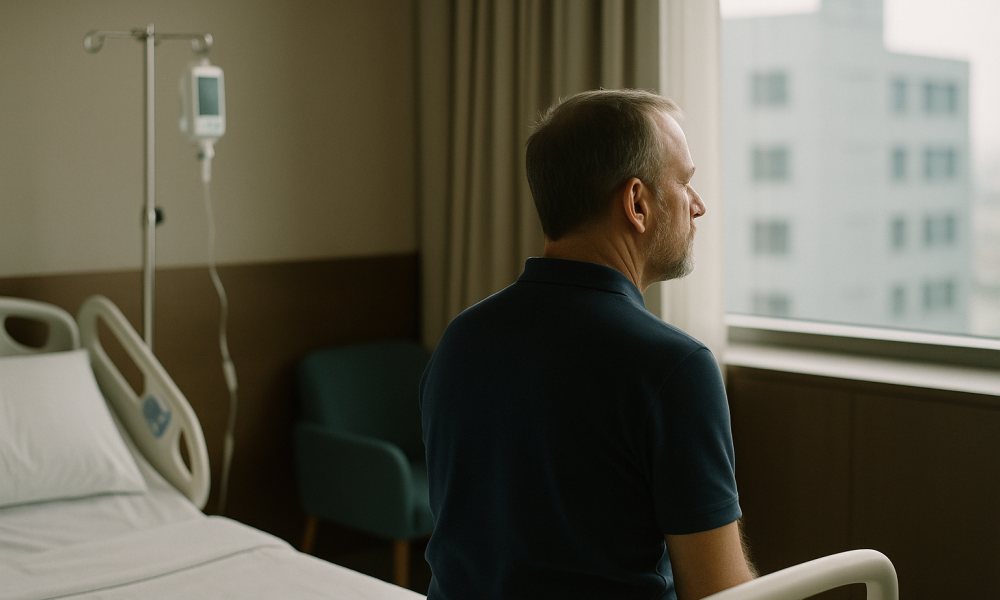
What Scoliosis Surgery is and who it is for
Scoliosis surgery, primarily in the form of spinal fusion, is designed to correct abnormal curvatures of the spine, which typically appear as an S- or C-shaped curve. This procedure is recommended when the curvature is severe, generally over 45 degrees, or when it causes significant pain, respiratory issues, or physical limitations. The primary goal of the surgery is to achieve a balanced spine, reduce or stop the progression of the curve, and relieve any associated symptoms. In Turkey, highly trained orthopaedic surgeons use advanced techniques and equipment to perform these surgeries, ensuring that each patient receives the best possible care.
The surgical procedure involves the fusion of two or more vertebrae to halt the progression of the spinal curvature. Surgeons use bone grafts, which can be sourced from the patient’s own body or from a donor, as well as metal rods, screws, and hooks to stabilise the spine. Over time, the bone grafts grow into the vertebrae, forming a solid bone mass that supports the spine. The surgery is performed under general anaesthesia and typically lasts between four to six hours, depending on the complexity of the case.
Post-surgery, patients can expect to remain in the hospital for about five to seven days for monitoring and initial recovery. Physical therapy usually begins soon after surgery to help patients regain strength and mobility. The full recovery period can range from six to twelve months, during which patients are advised to follow specific guidelines to ensure optimal healing. The results of the surgery are usually immediate in terms of curve correction, although some improvements in posture and pain levels might continue to develop over time.
Turkey is a popular destination for scoliosis surgery due to its combination of skilled surgeons, state-of-the-art medical facilities, and cost-effective treatment options. While no medical procedure can guarantee outcomes, patients travelling to Turkey for scoliosis surgery can expect a high standard of care and a comprehensive approach to treatment.
Are you a good candidate?
Determining candidacy for scoliosis surgery involves a thorough evaluation by a healthcare professional, typically an orthopaedic surgeon or a spine specialist. The decision to proceed with surgery is influenced by several factors, including the degree of spinal curvature, the patient’s age, overall health, and the presence of symptoms. Here is a checklist to help potential candidates assess their suitability:
- Severe Curvature: Candidates usually have a spinal curve exceeding 45 degrees, which is likely to progress without intervention.
- Significant Pain or Discomfort: Persistent back pain or discomfort that affects daily activities and does not improve with non-surgical treatments.
- Respiratory or Cardiac Issues: Curvature that affects lung function or heart health, often seen in more severe cases.
- Progressive Condition: A spinal curve that continues to worsen with growth or over time, particularly in adolescents and young adults.
- Failed Conservative Treatments: Non-surgical interventions such as physical therapy, bracing, or medication have not provided sufficient relief.
- Overall Health: Candidates should be in good general health to tolerate surgery and the recovery process.
- Realistic Expectations: Understanding the goals and limitations of surgery, including potential risks and the need for a lengthy recovery period.
It is essential for patients considering scoliosis surgery to consult with their healthcare provider to discuss these criteria and undergo a comprehensive assessment. This typically includes a physical examination, imaging studies such as X-rays or MRI, and discussions about the potential benefits and risks of surgery. The ultimate decision should be made collaboratively, ensuring the patient is fully informed and comfortable with their treatment plan.
The procedure, step by step
Scoliosis surgery in Turkey is a meticulously planned procedure designed to correct spinal curvature and improve quality of life. The surgical approach may vary based on individual patient needs, the severity of the curvature, and the specific technique chosen by the surgical team. Below is a step-by-step outline of a typical scoliosis surgery:
- Pre-operative Assessment: Prior to surgery, patients undergo comprehensive evaluations, including imaging tests like X-rays, MRI, or CT scans. These help in planning the surgical approach. Patients also meet with the anaesthesiologist to discuss anaesthesia options and potential risks.
- Anaesthesia: On the day of surgery, patients are administered general anaesthesia, ensuring they remain unconscious and pain-free throughout the procedure.
- Positioning: The patient is carefully positioned on the operating table, usually lying face down, to provide optimal access to the spine.
- Incision: Depending on the surgical method, the surgeon makes an incision along the back (posterior approach) or through the side of the chest (anterior approach). The choice depends on the location and severity of the curve.
- Exposure and Correction: The surgeon exposes the spine and attaches screws or hooks to the vertebrae. These are connected by rods, which the surgeon adjusts to align the spine correctly. This step is crucial for correcting the curvature and stabilising the spine.
- Bone Grafting: Bone grafts, either from the patient’s own body or a donor, are placed around the vertebrae. These grafts help the vertebrae to fuse over time, maintaining the spine’s corrected position.
- Closure: Once the hardware is securely in place and the spine is aligned, the surgeon closes the incision with sutures or staples. Care is taken to minimise scarring and promote healing.
- Post-operative Monitoring: After surgery, patients are moved to a recovery room where they are closely monitored as they regain consciousness. Vital signs are checked regularly to ensure a smooth recovery from anaesthesia.
Scoliosis surgery is a complex procedure, but with advancements in medical technology and skilled surgeons in Turkey, patients can expect a high standard of care. Each step is carefully executed to minimise risks and maximise the chances of a successful outcome.
Recovery timeline
Recovery from scoliosis surgery is a gradual process that varies between individuals, influenced by factors such as age, overall health, and the extent of the surgery. Below is a typical recovery timeline detailing what patients can expect from day one to full recovery:
| Period | What to expect | Care notes |
|---|---|---|
| Day 1 | Patients may feel drowsy and experience some pain, managed by medication. Movement is limited. | Focus on rest and pain management. Nurses will assist with basic movements and care. |
| Days 2-3 | Patients are encouraged to sit up and move with assistance. Pain levels should begin to decrease. | Physical therapy may begin to aid in mobility. Follow breathing exercises to prevent lung complications. |
| Week 1 | Patients might be discharged if stable. Pain is managed with oral medications. | Ensure a safe home environment. Continue prescribed exercises and avoid strenuous activities. |
| Weeks 2-4 | Steady improvement in mobility. Some patients may return to light daily activities. | Attend follow-up appointments. Adhere to physical therapy guidelines to promote healing. |
| Months 2-3 | Increased activity levels are possible. Most patients return to school or work, with some restrictions. | Continue avoiding heavy lifting and high-impact activities. Monitor for any signs of complications. |
| Months 4-6 | Patients often experience significant improvement in strength and flexibility. | Gradually reintroduce more vigorous activities under medical guidance. Regular check-ups remain important. |
| Month 12 | Full recovery is typically achieved. Most patients resume all normal activities without restrictions. | Continue to maintain regular exercise routines to support spinal health. Annual reviews may be recommended. |
Recovery is a process that requires patience and adherence to medical advice. By following the care notes and working closely with healthcare providers, patients can optimise their recovery and achieve the best possible outcomes.
What it costs: Turkey vs the UK, Europe and North America
When considering scoliosis surgery abroad, cost is often a significant factor for patients from the UK, Europe, and North America. Turkey has become a popular destination for such surgeries, offering competitive pricing while maintaining high standards of care. Below is a comparison of indicative price ranges for scoliosis surgery, highlighting the differences between Turkey, the UK, Europe, and North America. Please note that these figures are indicative and actual costs can vary based on specific patient needs, the complexity of the surgery, and the chosen facility.
| Region | Indicative Price Range (GBP) | What Packages Typically Include |
|---|---|---|
| Turkey | £10,000 – £18,000 | Pre-operative consultations, surgery, hospital stay, post-operative care, basic physiotherapy sessions, and airport transfers |
| UK | £25,000 – £40,000 | Pre-operative consultations, surgery, hospital stay, and post-operative care |
| Europe | £20,000 – £35,000 | Pre-operative consultations, surgery, hospital stay, and post-operative care |
| North America | £35,000 – £60,000 | Pre-operative consultations, surgery, hospital stay, and post-operative care |
In Turkey, the cost-effectiveness is often attributed to lower operational costs and favourable exchange rates, without compromising the quality of medical services. Packages generally include a comprehensive suite of services designed to ease the logistics of travelling for medical care. This can be particularly beneficial for international patients who may require additional support in a foreign country.
It is crucial for patients to thoroughly research and understand what is included in the surgical packages offered by different providers. Additional costs may arise from extended hospital stays, extra physiotherapy sessions, or complications, which are not always included in the initial package price. Prospective patients are encouraged to discuss all potential costs upfront with their chosen healthcare provider in Turkey to ensure transparency and financial preparedness.
Risks and how accredited providers manage them
Scoliosis surgery, like any major surgical procedure, carries inherent risks that need to be carefully managed. These risks include infection, nerve damage, blood loss, and complications related to anaesthesia. In Turkey, accredited healthcare providers are well-equipped to manage these risks through a combination of advanced surgical techniques, stringent safety protocols, and comprehensive patient care strategies.
One of the primary risks associated with scoliosis surgery is infection. Accredited hospitals in Turkey adhere to international standards of sterility and infection control, employing rigorous protocols to minimise this risk. This includes the use of sterile operating theatres, pre-operative antibiotics, and post-operative monitoring to detect and address any signs of infection promptly.
Nerve damage is another concern, particularly given the proximity of the spinal column to major nerve pathways. Surgeons in Turkey utilise intraoperative neurophysiological monitoring, a technique that helps to protect nerve function during surgery by providing real-time feedback on nerve activity. This advanced monitoring system significantly reduces the risk of nerve injury, ensuring safer surgical outcomes.
Blood loss is managed through meticulous surgical techniques and the availability of blood transfusion services when necessary. Pre-operative assessments include evaluating the patient’s haemoglobin levels and overall health to anticipate and mitigate potential blood loss issues during surgery.
Accredited providers in Turkey are also attentive to the risks associated with anaesthesia. Anaesthetic care is delivered by experienced anaesthesiologists who conduct thorough pre-operative assessments to tailor anaesthetic plans to each patient’s needs, thereby minimising the risk of anaesthesia-related complications.
Beyond these immediate surgical risks, accredited providers in Turkey place a strong emphasis on post-operative care. This includes regular follow-up appointments, physiotherapy, and rehabilitation programmes to aid recovery and ensure the best possible outcomes. Patient education is also a critical component, with detailed guidance provided on post-operative care routines, warning signs of complications, and lifestyle modifications to support long-term spinal health.
It is important for prospective patients to choose a provider that is accredited by internationally recognised bodies, such as the Joint Commission International (JCI). Accreditation ensures that the hospital meets rigorous standards of quality and patient safety, providing reassurance to international patients seeking scoliosis surgery in Turkey.
Ultimately, while risks cannot be entirely eliminated, they can be effectively managed through the expertise of skilled surgeons, state-of-the-art technology, and comprehensive care protocols. Patients should engage in thorough research and consultations to choose a provider that aligns with their safety expectations and medical needs.
How to choose the right provider
Choosing the right provider for scoliosis surgery in Turkey requires careful consideration of several key factors, ensuring you receive the highest standard of care. Firstly, check for accreditation. Internationally recognised organisations such as the Joint Commission International (JCI) and the International Organization for Standardization (ISO) certify hospitals that meet stringent quality and safety standards. Ensure your chosen facility holds such accreditations.
Next, evaluate the experience and qualifications of the surgeons. A surgeon’s experience is critical in scoliosis surgery, a complex procedure requiring precision. Look for surgeons who have completed specialised training in spine surgery and have a substantial track record of successful scoliosis surgeries. Typically, a surgeon with at least 10 years of experience and hundreds of scoliosis procedures is preferable.
Aftercare services are another vital consideration. Comprehensive aftercare can significantly impact recovery outcomes. Check if the facility offers integrated postoperative care plans, including physiotherapy and regular follow-up appointments. Quality facilities will provide a clear outline of their postoperative care protocol, often including physiotherapy sessions and follow-up consultations.
Be aware of red flags that may indicate substandard care. These include a lack of transparent pricing, pressure to make quick decisions, or reluctance to provide detailed answers about procedures and risks. Reputable clinics will offer detailed consultations and clear, indicative cost ranges, typically between £12,000 and £20,000, depending on the complexity of the surgery.
Finally, seek patient testimonials and reviews. These can provide insight into the patient experience and the quality of care provided. Look for consistent positive feedback about the hospital’s facilities, staff professionalism, and postoperative care.
Planning your trip
Planning your medical trip to Turkey for scoliosis surgery involves several logistical and practical steps. Begin by establishing a timeline before travel. It is advisable to start planning at least three to six months in advance. This allows ample time for consultations, securing necessary documents, and arranging travel accommodations.
Ensure you have all the required documents. These include your medical records, a valid passport, and potentially a visa, depending on your nationality. Check with the Turkish consulate or embassy for specific visa requirements, although many European and North American travellers can enter Turkey visa-free or obtain an e-Visa easily.
Consider the length of stay. Patients undergoing scoliosis surgery typically need to stay in Turkey for about two to three weeks. This duration includes pre-surgery assessments, the operation itself, initial recovery, and follow-up appointments. It is crucial to allow sufficient time for initial recovery and any unforeseen complications that may require additional medical attention.
Plan for follow-up care at home. Before leaving Turkey, ensure you have a comprehensive discharge plan that includes detailed instructions for postoperative care, medication schedules, and physiotherapy recommendations. Arrange for follow-up appointments with a local healthcare provider in your home country to monitor your recovery progress. Your Turkish healthcare provider should be able to assist in coordinating this care.
Travel logistics, such as flights and accommodation, should also be considered. Many medical tourism agencies offer packages that include these elements, providing convenience and potentially cost savings. However, if arranging independently, book a flexible return ticket to accommodate any changes in your recovery timeline.
Frequently Asked Questions
What is the typical cost of scoliosis surgery in Turkey?
The cost of scoliosis surgery in Turkey can vary significantly based on the complexity of the procedure and the hospital chosen. On average, patients can expect to pay between £12,000 and £20,000. This range is indicative and typically includes hospital fees, surgeon fees, and postoperative care. It is important to discuss all costs upfront with your chosen provider to avoid unexpected expenses.
How safe is scoliosis surgery in Turkey?
Scoliosis surgery in Turkey is generally considered safe, especially in internationally accredited hospitals with experienced surgeons. Turkey has a robust healthcare system, and many facilities are equipped with modern technology and adhere to international safety standards. However, as with any surgery, there are inherent risks, so it is crucial to thoroughly research and choose a reputable provider. Discuss potential risks and complications with your surgeon during the consultation phase.
What qualifications should I look for in a scoliosis surgeon?
When choosing a scoliosis surgeon, look for qualifications such as specialised training in spine surgery and board certification in orthopaedic or neurosurgery. Experience is also crucial, with a preference for surgeons who have performed numerous scoliosis surgeries over several years. Additionally, check for membership in professional organisations, which can be an indicator of ongoing education and adherence to high standards of practice.
How long will I need to stay in Turkey after the surgery?
Following scoliosis surgery, patients typically need to stay in Turkey for about two to three weeks. This period allows for preoperative assessments, the surgery itself, and initial recovery and follow-up appointments. The exact length of stay may vary depending on individual recovery progress and any unforeseen complications. Always plan for a flexible return schedule to accommodate potential changes.
Is it necessary to have a visa to travel to Turkey for surgery?
Whether a visa is required to travel to Turkey depends on your nationality. Many European and North American travellers can enter Turkey without a visa for short stays, while others may need to obtain an e-Visa. It is essential to check the specific visa requirements for your country with the Turkish consulate or embassy well in advance of your travel.
Can I use my health insurance for scoliosis surgery in Turkey?
Using health insurance for scoliosis surgery in Turkey depends on your insurance provider and policy terms. Some international health insurance plans may cover treatment abroad, but you should confirm this with your insurer. Obtain a pre-approval or a written confirmation of coverage before proceeding with the surgery to avoid unexpected out-of-pocket expenses.
What should I expect during the initial consultation with the surgeon?
During the initial consultation, the surgeon will review your medical history and conduct a physical examination. They may recommend imaging tests like X-rays or MRIs to assess the curvature of your spine. The surgeon will discuss your treatment options, potential risks, and expected outcomes. This is also an opportunity for you to ask questions about the procedure, recovery process, and costs involved.
What kind of aftercare is provided post-surgery?
Comprehensive aftercare is crucial for optimal recovery from scoliosis surgery. In Turkey, reputable providers offer detailed postoperative care plans, including pain management, medication schedules, and physiotherapy sessions. These plans are tailored to each patient’s needs and may include follow-up consultations to monitor recovery progress. Ensure you receive a detailed discharge plan before leaving the hospital.
Will there be a language barrier during my treatment in Turkey?
In major Turkish hospitals and clinics catering to international patients, language barriers are typically minimal. Many medical staff and surgeons speak English fluently, and translation services are often available for other languages. It is advisable to confirm the availability of language support services when choosing your healthcare provider to ensure clear communication throughout your treatment.
How should I prepare for the trip to Turkey for surgery?
Preparation involves several steps, including gathering medical records, ensuring your passport and visas are in order, and arranging travel logistics like flights and accommodation. It is also essential to consult with your local GP or specialist to discuss your plans and ensure you are fit for travel. Packing should include comfortable clothing and any necessary medical supplies or prescriptions.
What are the risks associated with scoliosis surgery?
Scoliosis surgery, like any major surgery, carries certain risks. These can include infection, blood loss, nerve damage, and complications related to anaesthesia. However, with experienced surgeons and in accredited facilities, these risks are minimised. Discuss potential risks and how they are managed with your surgeon beforehand to make an informed decision about your treatment.
How do I arrange follow-up care once I return home?
Arranging follow-up care involves coordinating with healthcare providers in your home country. Before leaving Turkey, ensure you have a comprehensive discharge plan, including recommendations for postoperative care and physiotherapy. Your Turkish provider should assist with any necessary referrals or communication with your local GP or specialist to facilitate seamless continuity of care.