
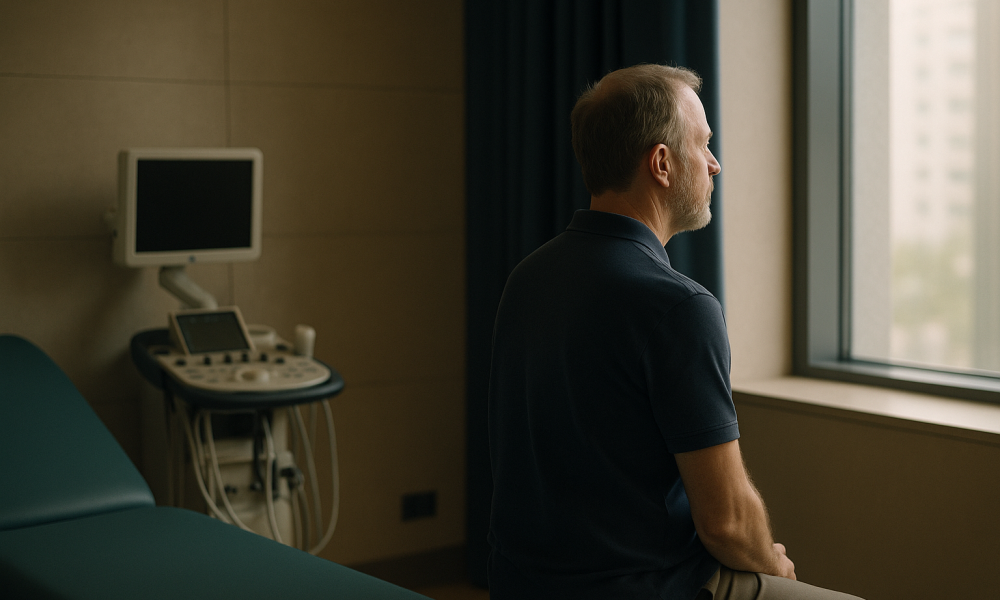
What Shoulder Arthroscopy is and who it is for
Shoulder arthroscopy is a minimally invasive surgical procedure used to diagnose and treat various shoulder conditions. By utilising a small camera known as an arthroscope, surgeons can view the inside of the shoulder joint on a screen, allowing for precise diagnosis and treatment. The procedure is generally performed under general anaesthesia and involves small incisions through which the arthroscope and surgical instruments are inserted.
This method is particularly beneficial for addressing issues such as rotator cuff tears, shoulder impingement, labral tears, and frozen shoulder. It allows for a thorough examination and can be employed to remove inflamed tissue, repair torn cartilage, or address joint instability. Patients often choose shoulder arthroscopy for its reduced recovery time compared to traditional open surgery, as well as its ability to result in less postoperative pain and scarring.
Typically, the procedure lasts between one to two hours, depending on the complexity of the issues being addressed. Post-surgery, patients are usually required to stay in the hospital for one to two days, during which their recovery is monitored, and pain management plans are put in place. The minimally invasive nature of the procedure often results in a quicker return to daily activities, with many patients resuming work within one to two weeks, although this can vary based on the nature of their job and the extent of the surgery.
Full recovery from shoulder arthroscopy can take anywhere from three to six months, during which physiotherapy plays a crucial role in regaining strength and mobility in the shoulder. Patients can expect to see visible results immediately in terms of pain relief and improved function, although the complete benefits of the procedure unfold as rehabilitation progresses.
In Turkey, shoulder arthroscopy is offered at a fraction of the cost compared to the UK, Europe, and North America, with indicative prices ranging from £2,500 to £4,000. This affordability, combined with high-quality medical care and experienced surgeons, makes Turkey an attractive destination for international patients seeking shoulder arthroscopy.
Are you a good candidate?
Determining whether you are a good candidate for shoulder arthroscopy involves several considerations. This procedure is generally recommended for individuals who have not responded adequately to conservative treatments such as physical therapy, medications, or lifestyle modifications. A thorough evaluation by an orthopaedic specialist will help ascertain the suitability of shoulder arthroscopy for your specific condition.
Here are some criteria to consider when evaluating your candidacy for shoulder arthroscopy:
- Chronic Shoulder Pain: Persistent pain that interferes with daily activities and has not improved with other treatments.
- Reduced Range of Motion: Difficulty in moving the shoulder or performing overhead activities due to stiffness or pain.
- Previous Injuries: History of shoulder injuries such as dislocations or fractures that have led to ongoing issues.
- Failed Conservative Treatments: Lack of improvement after trying non-surgical interventions like physiotherapy or cortisone injections.
- Diagnostic Needs: Need for a definitive diagnosis when imaging tests like MRI or X-rays have been inconclusive.
- Age and General Health: Being in good general health is important for anaesthesia and recovery.
- Realistic Expectations: Understanding that while arthroscopy can significantly improve function and reduce pain, it may not completely eliminate all symptoms.
Before proceeding with surgery, a detailed consultation with an orthopaedic surgeon is essential. During this consultation, the surgeon will review your medical history, conduct a physical examination, and possibly order imaging studies to make an informed decision. The goal is to ensure that the benefits of the procedure outweigh the risks and that shoulder arthroscopy is indeed the most appropriate treatment option for your condition.
Ultimately, the decision to undergo shoulder arthroscopy should be made collaboratively between you and your healthcare provider, taking into account your specific circumstances, the potential benefits of the surgery, and the expected recovery process.
The procedure, step by step
Shoulder arthroscopy is a minimally invasive procedure designed to diagnose and treat various shoulder conditions. The procedure typically takes 1 to 2 hours, depending on the complexity of the condition being treated. Here is a detailed step-by-step guide to what you can expect during the procedure:
- Pre-operative preparation: Prior to the procedure, you will meet with your surgical team to go over the specifics of the surgery. This includes a review of your medical history, a physical examination, and any necessary pre-operative tests such as blood work or imaging studies. You will also receive instructions on fasting and medication adjustments.
- Anaesthesia administration: Shoulder arthroscopy can be performed under general anaesthesia or regional anaesthesia, such as a nerve block. The choice will depend on your medical history and preferences, as well as the surgeon’s recommendation. The anaesthesiologist will discuss the options with you and ensure that you are comfortable and pain-free during the procedure.
- Positioning: Once anaesthetised, you will be positioned on the operating table. The two common positions for shoulder arthroscopy are the beach chair position, where you are seated upright, and the lateral decubitus position, where you lie on your side.
- Incision and portal creation: The surgeon will make small incisions, typically around 5 to 10 millimetres in length, to create portals for the arthroscope and surgical instruments. These incisions are strategically placed to minimise tissue damage and optimise access to the shoulder joint.
- Insertion of the arthroscope: A thin, flexible tube with a camera, known as an arthroscope, is inserted into one of the portals. The camera transmits images to a monitor, allowing the surgeon to view the inside of the shoulder joint in detail.
- Diagnosis and treatment: The surgeon will inspect the shoulder joint for any abnormalities such as torn ligaments, damaged cartilage, or bone spurs. If treatment is required, specialised instruments are inserted through the other portals to perform procedures such as debridement, repair of torn tissues, or removal of loose bodies.
- Closure: After the necessary repairs or treatments are completed, the arthroscope and instruments are removed. The small incisions are closed with sutures or steri-strips, and a sterile dressing is applied to protect the area.
- Post-operative care: You will be moved to a recovery area where medical staff will monitor your vital signs as you awaken from anaesthesia. Pain management and post-operative instructions will be provided before you are discharged. Most patients can return home the same day.
Recovery timeline
Recovery from shoulder arthroscopy varies depending on the specific procedure performed and individual patient factors, but a typical recovery timeline can be outlined as follows:
| Period | What to expect | Care notes |
|---|---|---|
| Day 1 | Expect some discomfort and swelling in the shoulder area. You will likely have a sling to support your arm. | Pain relief medication will be prescribed. Use ice packs to reduce swelling and elevate the arm when resting. |
| Week 1 | Swelling and pain should gradually decrease. Initial follow-up appointment to assess healing. | Continue using the sling as directed. Begin gentle range-of-motion exercises if advised by your doctor. |
| Weeks 2-4 | Improved mobility and reduced pain. Sutures or steri-strips may be removed during a follow-up visit. | Physical therapy may start, focusing on passive exercises to improve flexibility without straining the shoulder. |
| Months 1-3 | Significant reduction in pain and improved shoulder function. Gradual introduction of strengthening exercises. | Continue with physical therapy to regain strength and range of motion. Avoid heavy lifting or strenuous activities. |
| Months 3-6 | Near-full range of motion and strength are usually restored. Most patients can resume normal activities. | Regular follow-up with your surgeon or therapist to ensure complete recovery. Continue exercises to maintain shoulder health. |
| Full recovery | Complete recovery can take up to 6 months or longer, depending on the individual and the extent of the surgery. | Adherence to rehabilitation protocols is crucial for optimal recovery. Consult your healthcare provider before resuming high-impact sports. |
It is important to follow your surgeon’s post-operative care instructions and attend all follow-up appointments to ensure a smooth recovery. Each patient’s recovery process is unique, so timelines may vary slightly.
What it costs: Turkey vs the UK, Europe and North America
When considering shoulder arthroscopy, the cost of treatment can be a significant factor in decision-making. Turkey has become an attractive destination for medical tourists due to its competitive pricing and high-quality healthcare services. However, it is essential to understand the cost differences and what these costs typically include.
| Region | Indicative Price Range (GBP) | Inclusions |
|---|---|---|
| Turkey | £2,000 – £3,500 | Consultation, surgery, hospital stay, basic post-operative care, and local transportation |
| UK | £5,000 – £8,000 | Consultation, surgery, hospital stay, and follow-up visit |
| Europe | £4,500 – £7,500 | Consultation, surgery, hospital stay, and basic post-operative care |
| North America | £8,000 – £15,000 | Consultation, surgery, hospital stay, and basic post-operative care |
These figures are indicative, and actual costs can vary based on the specific location, the complexity of the procedure, and the healthcare provider. In Turkey, the price often includes more comprehensive packages that cover several aspects of the patient’s journey, such as airport transfers and accommodation arrangements, which may not be included in the cost in the UK, Europe, or North America.
Turkey’s healthcare facilities are renowned for offering modern technology and skilled surgeons, which contributes to the cost-effectiveness without compromising quality. Patients can expect state-of-the-art operating theatres and recovery facilities, often at a fraction of the cost compared to Western countries.
It is crucial for patients to enquire about what is covered in their treatment package. While some packages might appear cheaper initially, they may not include essential elements like post-operative care or extended hospital stays, which can add up if needed unexpectedly.
Risks and how accredited providers manage them
Undergoing shoulder arthroscopy, like any surgical procedure, involves certain risks. These can include infection, bleeding, blood clots, and complications related to anaesthesia. Additionally, there might be specific risks associated with the shoulder, such as stiffness, pain, or nerve damage, though these are relatively uncommon.
Accredited healthcare providers in Turkey take numerous steps to mitigate these risks, ensuring patient safety and optimal outcomes. One of the primary measures is following stringent international standards for hygiene and sterilisation, minimising the risk of infection. Operating theatres are equipped with advanced filtration systems and are regularly inspected for compliance with safety protocols.
Pre-operative assessments are thorough, ensuring that patients are in suitable health to undergo surgery. This includes detailed medical history reviews and necessary pre-surgery tests, such as blood work and imaging, to tailor the procedure to the individual’s specific needs.
During the procedure, highly trained anaesthesiologists monitor patients closely, utilising advanced anaesthetic techniques to minimise any potential complications. Surgeons in Turkey are often internationally trained and experienced, contributing to the high standards of care.
Post-operative care is another critical area where risks are managed. Accredited facilities provide comprehensive post-operative plans, which include pain management strategies, physiotherapy sessions, and regular follow-up consultations to monitor recovery progress. This holistic approach helps in early detection and management of any complications, should they arise.
Furthermore, many Turkish hospitals are accredited by international organisations such as the Joint Commission International (JCI), which requires adherence to rigorous safety and quality standards. This accreditation ensures that facilities maintain high levels of patient care, safety, and operational excellence.
Patients are encouraged to ask questions about the risks and discuss any concerns with their healthcare provider before proceeding with surgery. Understanding these risks and how they are managed can help patients make informed decisions and feel more confident about their treatment abroad.
How to choose the right provider
Choosing the right provider for shoulder arthroscopy in Turkey involves careful consideration of several critical factors. Ensuring that the healthcare facility is accredited by reputable international organisations, such as the Joint Commission International (JCI) or ISO, is a strong indicator of quality and safety standards. Accreditation means the facility meets or exceeds international healthcare standards, providing reassurance to international patients.
Surgeon experience is another pivotal factor. Look for surgeons who are board-certified in orthopaedic surgery with specific experience in shoulder arthroscopy. It is advisable to inquire about the surgeon’s previous cases, success rates, and any specialised training they have undergone. Many top surgeons will have completed fellowships or additional training in arthroscopic techniques, which can be a significant advantage.
Aftercare is a crucial component of the treatment process. A comprehensive aftercare plan should be in place, detailing physical rehabilitation, follow-up appointments, and access to medical staff for any concerns post-surgery. The availability of English-speaking staff can greatly enhance your recovery experience, ensuring clear communication.
Be vigilant for red flags when selecting a provider. Avoid clinics that make unrealistic promises or guarantee specific outcomes, as these are often misleading. Transparency about potential risks and realistic recovery timelines is essential. Additionally, be cautious if a clinic pressures you into quick decisions or offers significantly lower costs without detailed explanations. These can be indicators of compromised quality or hidden costs.
Planning your trip
Planning your trip for shoulder arthroscopy in Turkey requires a structured approach to ensure a smooth experience. Begin by establishing a timeline that accommodates both your medical and personal needs. It is generally recommended to initiate contact with your chosen clinic at least 6-8 weeks before your intended travel date to allow sufficient time for consultations and arrangements.
Prepare necessary documents such as your medical history, any relevant imaging (e.g., MRIs or X-rays), and a list of current medications. These documents should be shared with your healthcare provider in advance to facilitate a thorough pre-operative assessment.
Consider the typical length of stay. Most patients are advised to arrive in Turkey a few days before the procedure to meet with their surgeon and complete any last-minute tests. Post-surgery, a stay of 1-2 weeks is often recommended to ensure adequate recovery and initial rehabilitation. This timeframe allows for immediate follow-up care and monitoring for any potential complications.
Plan for follow-up care upon your return home. Before leaving Turkey, ensure you have a detailed discharge plan, including instructions for home exercises and a schedule for follow-up appointments, either with your local GP or an orthopaedic specialist. Establishing communication channels with your Turkish surgeon for any questions or concerns after returning home is also beneficial.
Travel logistics such as flights, accommodation, and transport should be arranged in advance. Many clinics offer assistance with these arrangements, including airport transfers and preferred hotel partnerships, to make your stay more comfortable.
Frequently Asked Questions
What should I consider when choosing a shoulder arthroscopy provider in Turkey?
Consider accreditation, surgeon experience, comprehensive aftercare plans, and be wary of red flags such as unrealistic promises or pressure tactics. Look for facilities accredited by recognised bodies like JCI or ISO, and ensure the surgeon is board-certified with specific experience in shoulder arthroscopy.
How much does shoulder arthroscopy typically cost in Turkey?
The cost for shoulder arthroscopy in Turkey typically ranges from £2,500 to £5,000. This range is indicative and can vary based on the clinic, surgeon’s experience, and the specific requirements of the procedure. Always confirm the full scope of services included in the quoted price.
Are there risks involved with shoulder arthroscopy?
As with any surgical procedure, shoulder arthroscopy carries risks such as infection, bleeding, and reactions to anaesthesia. However, these risks are generally low, especially when performed by experienced surgeons in accredited facilities. Discuss potential risks and benefits with your surgeon before proceeding.
What documents are required for treatment in Turkey?
You will need to provide your medical history, any relevant imaging like MRIs or X-rays, and a list of current medications. These should be shared with your healthcare provider in advance for a thorough assessment and to assist in planning your treatment.
How long should I plan to stay in Turkey for shoulder arthroscopy?
Typically, you should plan to stay for 1-2 weeks. Arrive a few days before the procedure for pre-operative consultations and tests, and remain for post-operative care and initial rehabilitation. This helps ensure a smooth recovery process.
Can I travel alone for shoulder arthroscopy?
While it is possible to travel alone, it is recommended to have a companion for support, especially during the immediate post-operative period. Assistance with daily activities and moral support can be invaluable during recovery.
What type of aftercare should I expect?
Aftercare typically includes physical rehabilitation, follow-up appointments, and ongoing access to medical staff for any concerns. Ensure your provider offers a comprehensive plan and that you understand the post-operative care requirements before leaving Turkey.
How soon can I fly after shoulder arthroscopy?
Patients are usually advised to wait at least 7-10 days before flying, depending on individual recovery progress and surgeon recommendations. Ensure you have clearance from your surgeon before booking your return flight.
Is it safe to have shoulder arthroscopy in Turkey?
Yes, shoulder arthroscopy in Turkey is considered safe, particularly when performed in accredited facilities by experienced surgeons. Turkey has a strong reputation for medical tourism with many internationally accredited hospitals and clinics.
How can I verify a surgeon's credentials?
You can verify a surgeon's credentials by checking their board certification, reviewing their professional memberships, and asking for their experience and success rates with shoulder arthroscopy. Many clinics provide this information on their websites or during consultations.
What should I do if there are complications after returning home?
If complications arise after returning home, contact your surgeon in Turkey for advice. Additionally, seek immediate medical attention from a local healthcare provider. Having a follow-up plan with your local GP or an orthopaedic specialist is advisable.
How do I manage language barriers during my treatment?
Choose clinics that offer English-speaking staff or translation services. Many facilities catering to international patients provide these services to ensure clear communication throughout your treatment and recovery process.