
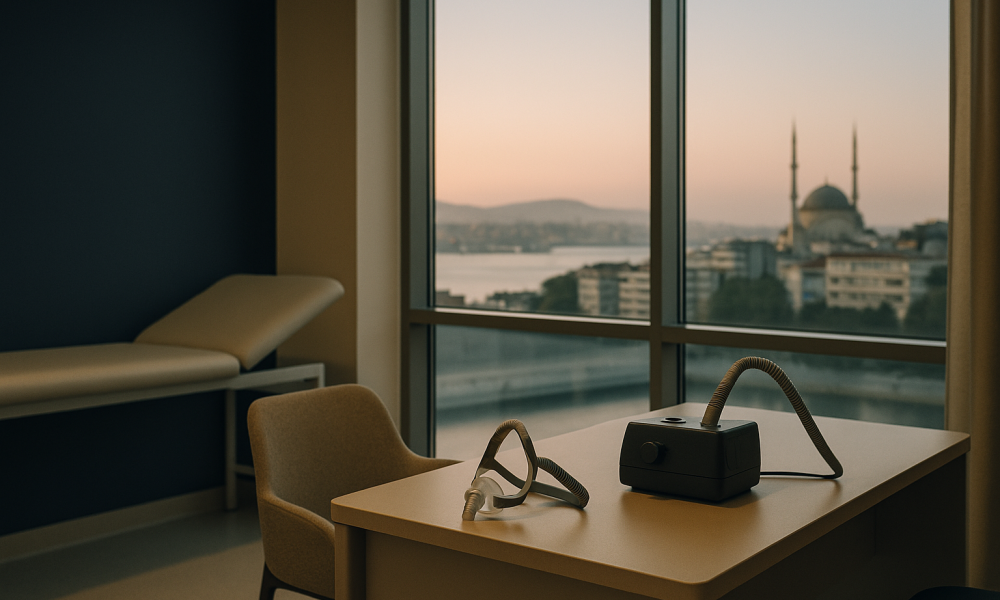
What Sleep Apnea Surgery is and who it is for
Sleep apnea surgery is a medical intervention aimed at addressing obstructive sleep apnea (OSA), a condition characterised by repeated interruptions in breathing during sleep. This interruption can lead to fragmented sleep and a range of health issues, including cardiovascular problems and daytime fatigue. Surgical options are generally considered when non-surgical treatments, such as continuous positive airway pressure (CPAP) therapy, have proven ineffective or intolerable for the patient.
In Turkey, a variety of surgical procedures are available to treat sleep apnea. The choice of surgery often depends on the specific anatomical features of the patient contributing to the airway obstruction. Common procedures include uvulopalatopharyngoplasty (UPPP), genioglossus advancement (GA), and maxillomandibular advancement (MMA). UPPP involves the removal of excess tissue from the throat to widen the airway, while GA and MMA focus on repositioning the tongue and jaw, respectively, to prevent airway collapse.
Patients from Australia might consider surgery in Turkey for several reasons. Turkey offers a combination of experienced surgeons, advanced medical facilities, and cost-effective treatment. The typical cost for sleep apnea surgery in Turkey ranges between £2,000 and £4,500, which can be significantly lower than in Australia. Additionally, the country’s strategic location and robust healthcare infrastructure make it an attractive destination for medical tourism.
However, it is crucial to understand that surgery is not a guaranteed cure for sleep apnea. The effectiveness of the procedure can vary based on individual circumstances, including the severity of the condition and the specific surgical technique employed. Patients should have realistic expectations and discuss potential outcomes and risks with their healthcare provider.
Are you a good candidate?
Determining if you are a suitable candidate for sleep apnea surgery involves a comprehensive evaluation by a healthcare professional. This assessment typically includes a detailed medical history, a physical examination, and a sleep study to confirm the diagnosis of obstructive sleep apnea. Surgery is generally recommended for individuals who meet specific criteria, ensuring that the benefits outweigh the risks involved.
- Failed CPAP Therapy: If you have tried CPAP therapy and found it uncomfortable or ineffective, surgery may be considered as an alternative.
- Severity of Sleep Apnea: Candidates often have moderate to severe obstructive sleep apnea, where lifestyle changes and non-invasive treatments have not provided relief.
- Anatomical Factors: Specific physical characteristics, such as enlarged tonsils, a deviated septum, or a small lower jaw, may make surgery a more viable option.
- Overall Health: A good surgical candidate should be in general good health, without significant medical conditions that could complicate the procedure or recovery.
- Age Considerations: While there is no strict age limit, younger patients may experience better outcomes due to quicker healing times and fewer comorbidities.
- Willingness to Follow Post-Operative Care: Commitment to follow-up visits and adherence to post-surgical care instructions is crucial for a successful outcome.
Before proceeding with surgery, it is important to engage in a thorough discussion with a sleep specialist or an otolaryngologist. They can provide a personalised assessment, considering factors such as your airway anatomy, the severity of your sleep apnea, and your overall health status. This consultation is a critical step in ensuring that surgery is the appropriate treatment path for you.
The procedure, step by step
Undergoing sleep apnea surgery in Turkey involves a series of well-structured steps designed to ensure patient safety and optimise outcomes. The following outlines a typical surgical journey, although specific details may vary depending on the type of surgery and individual patient needs.
- Initial Consultation: Before the surgery, patients will have a comprehensive consultation with their surgeon, either in person or virtually. This session includes a review of medical history, a physical examination, and discussions about the expected outcomes and potential risks.
- Pre-operative Assessment: Patients undergo a series of tests, such as blood tests, imaging studies (like X-rays or CT scans), and possibly a sleep study if not already completed. These tests help the medical team to tailor the surgical approach to the patient’s specific condition.
- Anaesthesia: On the day of the surgery, patients are admitted to the hospital and meet with the anaesthesiologist. The type of anaesthesia—local, regional, or general—is determined based on the surgery’s complexity and the patient’s health status.
- Surgical Procedure: Depending on the type of surgery, such as Uvulopalatopharyngoplasty (UPPP), Genioglossus Advancement (GA), or Maxillomandibular Advancement (MMA), the procedure can last anywhere from 1 to 4 hours. The surgeon removes or repositions tissues in the throat to widen the airway.
- Post-operative Monitoring: After surgery, patients are moved to a recovery room where vital signs are closely monitored. Pain management is initiated, and patients are observed for any immediate complications.
- Hospital Stay: Most patients stay in the hospital for 1 to 2 days post-surgery. This duration allows for adequate monitoring and ensures that any complications can be promptly addressed.
- Discharge and Instructions: Upon discharge, patients receive detailed instructions regarding medication, diet, activity restrictions, and follow-up appointments. A contact number is provided for any post-operative concerns.
This structured approach ensures that each step of the surgical process is conducted with precision and care, contributing to the overall success of the treatment.
Recovery timeline
The recovery timeline for sleep apnea surgery can vary depending on the specific procedure and the individual’s health. However, the following table provides a general guideline of what patients can expect from day one through to full recovery.
| Period | What to expect | Care notes |
|---|---|---|
| Day 1 | Patients may experience drowsiness from anaesthesia, swelling, and mild pain. | Rest is crucial. Pain management with prescribed medications. Soft diet recommended. |
| Days 2-3 | Swelling and discomfort typically peak. Breathing may feel different due to airway changes. | Continue with pain relief and hydration. Avoid strenuous activities. Follow dietary guidelines. |
| Week 1 | Swelling begins to subside. Patients may start to notice improvements in sleep quality. | Attend follow-up appointment. Continue to avoid heavy lifting and vigorous exercise. |
| Weeks 2-3 | Significant reduction in pain and swelling. Most patients can resume normal daily activities. | Gradually reintroduce normal diet. Monitor for any signs of infection. |
| Weeks 4-6 | Full recovery for most patients. Breathing and sleep patterns should improve noticeably. | Final follow-up visit to assess healing and discuss any ongoing symptoms. |
It is important to adhere to all care instructions provided by your medical team to ensure a smooth and successful recovery. Individual recovery times may vary, and any concerns should be promptly addressed with your healthcare provider.
What it costs: Turkey vs Australia
Understanding the cost of sleep apnea surgery is crucial for international patients considering treatment in Turkey. It is important to note that prices can vary significantly based on the specific procedure, the healthcare facility, and the surgeon’s expertise. In Turkey, the cost of sleep apnea surgery can be much lower compared to Australia, while maintaining high standards of care and accreditation.
Below is a comparative table outlining indicative price ranges for sleep apnea surgery in Turkey and Australia. These figures are meant to provide a general idea of costs and may vary based on individual circumstances and specific clinic offerings.
| Item | Turkey (USD) | Australia (AUD) |
|---|---|---|
| Surgical Procedure | $3,000 – $7,000 | $12,000 – $18,000 |
| Pre-operative Consultation | Included in package | $200 – $500 |
| Hospital Stay (2-3 nights) | Included in package | $1,500 – $3,000 |
| Post-operative Care | Included in package | $500 – $1,000 |
| Follow-up Visits | Included in package | $100 – $300 per visit |
Many clinics in Turkey offer comprehensive packages that include not just the surgery itself, but also pre-operative consultations, hospital accommodation, post-operative care, and follow-up visits. These packages provide a streamlined experience for international patients, ensuring that all aspects of the treatment journey are covered.
In contrast, in Australia, costs can be segmented with each component, such as hospital stay and follow-up visits, often billed separately. This can lead to a higher overall expenditure. Additionally, the cost of living and operational expenses in Australia typically contribute to higher healthcare costs.
When evaluating the cost, it is essential to consider not only the financial aspect but also the quality of care, the credentials of the medical team, and the facilities available. Turkey’s healthcare system is known for its high standards and modern facilities, often accredited by international bodies, providing peace of mind for patients travelling from abroad.
Risks and how accredited providers manage them
Like any surgical procedure, sleep apnea surgery carries certain risks. However, understanding these risks and how accredited providers manage them can help reassure prospective patients considering treatment abroad.
Common risks associated with sleep apnea surgery include infection, bleeding, adverse reactions to anaesthesia, and complications related to the surgery itself, such as changes in voice or difficulty swallowing. Less commonly, patients may experience a failure to achieve the desired reduction in sleep apnea symptoms, necessitating further treatment.
Accredited healthcare providers in Turkey implement rigorous protocols to mitigate these risks. Facilities often adhere to international standards, with many holding accreditations from organisations such as the Joint Commission International (JCI). This ensures that the highest levels of patient safety, hygiene, and care quality are maintained.
Prior to surgery, a thorough pre-operative assessment is conducted to evaluate the patient’s overall health and suitability for surgery. This includes a detailed medical history review, physical examination, and necessary diagnostic tests, such as imaging studies and sleep studies, to ensure that the chosen surgical approach is appropriate.
- Infection Control: Accredited clinics follow strict infection control protocols, including sterilisation of surgical instruments and operating rooms, to minimise the risk of postoperative infections.
- Bleeding Management: Surgeons are trained to identify and manage bleeding risks, using advanced techniques to control bleeding during and after the procedure.
- Anaesthesia Safety: Anaesthetists conduct comprehensive pre-operative evaluations to tailor anaesthesia plans to each patient, reducing the likelihood of adverse reactions.
- Post-operative Care: Patients receive close monitoring in the immediate post-operative period, with dedicated nursing care and access to medical staff to address any complications promptly.
- Follow-up: Regular follow-up appointments are scheduled to monitor recovery and address any ongoing concerns, ensuring long-term success and patient satisfaction.
By choosing an accredited provider in Turkey, patients can benefit from a system designed to minimise risks and enhance outcomes. While no surgical procedure is without risk, the combination of experienced medical teams, state-of-the-art facilities, and comprehensive care protocols helps ensure that patients receive safe and effective treatment for sleep apnea.
How to choose the right provider
Choosing the right provider for sleep apnea surgery in Turkey is a critical decision that involves several factors. Here are some key considerations to keep in mind:
- Accreditation: Ensure the hospital or clinic is internationally accredited. Look for certifications from bodies such as the Joint Commission International (JCI) or the ISO. Accreditation indicates that the facility adheres to global standards of quality and safety.
- Surgeon Experience: Investigate the surgeon’s credentials and experience. Surgeons should be board-certified in otolaryngology or a related specialty and have extensive experience in performing sleep apnea surgeries. Inquire about the number of procedures they’ve completed and their success rates, while remembering that no outcome can be guaranteed.
- Aftercare: Comprehensive aftercare is crucial for recovery. The chosen provider should offer a detailed post-operative care plan, including follow-up appointments, potential complications management, and support for recovery. Ask about facilities for family or friends who may accompany you.
- Red Flags: Be aware of any red flags such as lack of transparency in pricing, unwillingness to provide credentials, or pressuring you to make quick decisions. Any reluctance to answer questions about the procedure, risks, or aftercare should also be a concern.
Researching and selecting the right provider is a step that should not be rushed. Take the time to compare different options, read patient reviews, and consult with healthcare professionals to make an informed decision.
Planning your trip
Planning your trip for sleep apnea surgery in Turkey involves careful preparation. Here’s a detailed guide to help you organise your journey:
- Timeline Before Travel: Begin planning at least 2-3 months in advance. This allows ample time for consultation bookings, travel arrangements, and any necessary medical tests or evaluations.
- Documents: Ensure you have all necessary documents, including a valid passport, visa (if required), medical records, doctor’s referral, and travel insurance. Check with your provider about any specific documentation they may require.
- Length of Stay: The typical stay for sleep apnea surgery is around 7-14 days. This includes time for pre-operative consultations, the surgery itself, and initial recovery. Discuss with your provider to determine the exact duration based on your specific treatment plan.
- Follow-Up at Home: Coordination with your local healthcare provider for follow-up care is vital. Upon returning home, you may need to have periodic check-ups to monitor your recovery and ensure the success of the surgery. Your Turkish provider should offer a detailed report of your surgery and post-operative care instructions to share with your local doctor.
Proper planning and preparation can significantly enhance your experience and outcomes when travelling for medical treatment. Make sure to keep communication lines open with both your Turkish provider and local healthcare professionals to ensure a smooth and successful treatment journey.
Frequently Asked Questions
What is the typical cost of sleep apnea surgery in Turkey?
The cost of sleep apnea surgery in Turkey can vary significantly depending on the type of procedure, the surgeon's expertise, and the facility. Typically, prices range from £2,500 to £6,000. These figures are indicative and should be confirmed with the provider, considering all elements such as pre-operative tests, hospital stay, and aftercare. Always discuss the full scope of costs upfront to avoid any surprises.
Are there financing options available for international patients?
Many clinics and hospitals in Turkey offer financing options for international patients. These can include payment plans or partnerships with medical loan companies. It's advisable to discuss these options directly with the provider to understand the terms, interest rates, and eligibility criteria. Additionally, some insurance plans may cover part of the costs, so check with your insurer before proceeding.
How safe is sleep apnea surgery in Turkey?
Sleep apnea surgery in Turkey is generally safe, provided it is performed in accredited facilities by experienced surgeons. Turkey has a strong reputation for medical tourism, with many hospitals adhering to international standards. Nonetheless, as with any surgical procedure, there are inherent risks. It is important to discuss these risks thoroughly with your surgeon and ensure you have a comprehensive understanding of the procedure and aftercare requirements.
What should I pack for my medical trip to Turkey?
When packing for your medical trip, consider your comfort during recovery. Include loose, comfortable clothing, essential toiletries, and any prescribed medications. Bring copies of your medical records, insurance information, and contact details for both your local and Turkish doctors. A power adapter for your electronics and language translation apps may also be useful. Check with your provider for any specific items they recommend.
Will language be a barrier in Turkey?
Language is generally not a barrier for international patients in Turkey, especially in major hospitals and clinics that cater to medical tourists. Many healthcare professionals speak English, and translation services are often available. However, it can be helpful to learn a few basic Turkish phrases or use a translation app to facilitate daily interactions outside the medical setting.
What is the recovery time after sleep apnea surgery?
Recovery time can vary depending on the type of surgery performed. Generally, patients can expect to spend 1-2 weeks in Turkey for initial recovery before returning home. Full recovery may take several weeks to months, during which time follow-up care is crucial. Your surgeon will provide a detailed recovery plan, including activity restrictions and advice on managing any post-operative discomfort.
How do I verify a surgeon's credentials in Turkey?
Verifying a surgeon's credentials in Turkey involves checking their qualifications, certifications, and experience. Look for board certification in otolaryngology or related specialties. You can also request information on their training, years of practice, and the number of sleep apnea surgeries they have performed. Reputable hospitals and clinics should readily provide this information upon request.
What are the potential risks of sleep apnea surgery?
Potential risks of sleep apnea surgery include infection, bleeding, changes in voice, difficulty swallowing, and anaesthesia-related complications. While serious complications are rare, it is essential to discuss all possible risks with your surgeon beforehand. A thorough pre-operative evaluation and adherence to post-operative care instructions can help mitigate these risks.
How can I manage my expectations regarding the surgery outcome?
Managing expectations involves understanding that while surgery can significantly improve symptoms of sleep apnea, results can vary. Some patients experience a marked reduction in symptoms, while others may require additional treatments. Discuss expected outcomes with your surgeon, and consider seeking a second opinion to gain a comprehensive perspective on the potential benefits and limitations of the procedure.
What are the follow-up care requirements after returning home?
Follow-up care is critical after returning home from sleep apnea surgery. This typically includes regular check-ups with your local doctor to monitor recovery and assess the surgery's effectiveness. Your Turkish provider should supply detailed post-operative instructions and a report of your procedure. Staying in touch with both your surgeon in Turkey and your local healthcare provider ensures continuity of care.
Do I need a visa to travel to Turkey for surgery?
Australian citizens typically need a visa to enter Turkey for medical treatment. You can apply for an e-Visa online, which is convenient and usually processed quickly. Ensure your passport is valid for at least six months from your date of entry. It's advisable to check the latest visa requirements and travel advisories before planning your trip, as these can change.
Can I combine my surgery with tourism activities in Turkey?
While it may be tempting to combine surgery with tourism, it is crucial to prioritise your health and recovery. Depending on your specific procedure and recovery plan, your ability to engage in activities may be limited. Discuss with your healthcare provider what activities, if any, are safe during your recovery. Always follow medical advice to ensure a successful outcome from your surgery.