
What Sleep Study Abroad is and who it is for
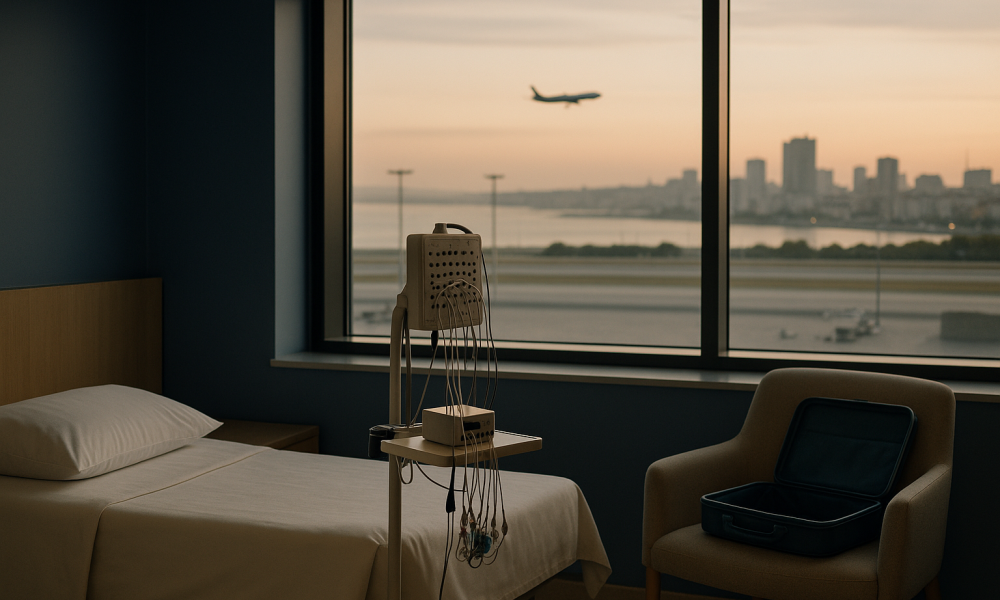
A sleep study, or polysomnography, is a comprehensive test used to diagnose sleep disorders. Conducted overnight, it records your brain waves, oxygen levels, heart rate, and breathing, as well as eye and leg movements. In Turkey, these studies are carried out in specialised sleep centres accredited by international health organisations, ensuring high standards of care and technology. This makes Turkey a viable option for Canadian patients seeking cost-effective and high-quality sleep disorder evaluations.
The process involves spending a night in a sleep centre, where sensors are attached to your body to monitor various physiological parameters. The data collected helps in diagnosing conditions such as sleep apnoea, restless leg syndrome, narcolepsy, and insomnia. With Turkey’s advanced medical infrastructure and experienced healthcare professionals, patients can expect thorough evaluations akin to those in Canada but often at a fraction of the cost.
Turkey is particularly appealing for medical tourism due to its strategic location, cultural richness, and affordable healthcare services. Many Turkish sleep centres offer packages that include the sleep study, initial consultations, and follow-up appointments, allowing patients to plan their medical travel efficiently. The typical cost for a sleep study in Turkey ranges from £600 to £1,200, significantly lower than in Canada, where prices can exceed £2,500.
In addition to financial savings, patients benefit from shorter waiting times. While waitlists in Canada can extend for months, Turkish facilities often provide appointments within a few weeks. This quicker access to diagnosis and subsequent treatment can significantly improve quality of life for those suffering from sleep disorders.
Overall, a sleep study in Turkey is a practical choice for Canadians seeking timely and affordable healthcare without compromising on quality. With its blend of modern healthcare facilities and cultural experiences, Turkey provides a unique opportunity for medical tourists.
Are you a good candidate?
Determining whether you are a suitable candidate for a sleep study involves evaluating several factors. These studies are primarily recommended for individuals who experience symptoms indicative of sleep disorders or who have been advised by a healthcare professional to undergo further testing. Common symptoms include excessive daytime sleepiness, loud snoring, observed episodes of stopped breathing during sleep, and frequent awakenings during the night.
Before considering a sleep study in Turkey, it’s crucial to consult with your general practitioner or a sleep specialist in Canada. They can provide a preliminary assessment and recommend whether a sleep study is necessary. If you have a diagnosed sleep disorder and are seeking further evaluation or treatment adjustments, a sleep study could be beneficial.
Here are some criteria that may indicate you are a good candidate for a sleep study:
- Experiencing chronic daytime fatigue despite adequate sleep hours.
- Having been observed to stop breathing during sleep.
- Persistent insomnia or difficulty staying asleep.
- Loud snoring that disrupts sleep for yourself or others.
- Regularly waking up with a headache or dry mouth.
- Having a history of heart disease or high blood pressure, which may be exacerbated by untreated sleep disorders.
- Symptoms of restless leg syndrome or frequent leg movements during sleep.
Moreover, individuals who have tried other treatments without success or have unexplained symptoms affecting their daily life may also consider a sleep study. It’s important to have realistic expectations and understand that the study will provide data to help diagnose or rule out conditions but is not a treatment in itself.
Ultimately, if you are experiencing symptoms that affect your quality of life or have been recommended for further sleep evaluation, a sleep study abroad in Turkey could be a beneficial step towards achieving better sleep health.
The procedure, step by step
Undergoing a sleep study in Turkey is a meticulously organised process designed to ensure comprehensive assessment and accurate diagnosis of sleep disorders. Below is a step-by-step guide to what you can expect during the procedure:
- Pre-Study Consultation: Before the actual sleep study, you will have a consultation with a sleep specialist. This initial meeting is crucial for understanding your medical history, current symptoms, and any previous treatments. The specialist will also explain the study’s objectives and address any concerns you might have.
- Preparation for the Study: On the day of the study, you will be advised to avoid caffeine and alcohol, as these substances can interfere with sleep patterns. You will also be asked to bring comfortable nightwear and any personal items you might need.
- Arrival at Sleep Centre: Upon arriving at the sleep centre, you will be welcomed by a team of professionals who will guide you through the process. You will be shown to a private room that is equipped to monitor your sleep in a comfortable, hotel-like setting.
- Setup and Monitoring: Once settled, technicians will attach various sensors to your body. These sensors are non-invasive and may include electrodes on your scalp, face, and limbs, a belt around your chest, and a clip on your finger. These devices are designed to monitor vital signs such as brain activity, eye movement, heart rate, and oxygen levels while you sleep.
- Overnight Observation: The sleep study typically takes place overnight. Throughout the night, the technicians will monitor the data collected by the sensors. They will be able to observe your sleep stages, detect any interruptions, and note any abnormal breathing patterns or movements.
- Completion of the Study: In the morning, the sensors will be gently removed, and you will have the opportunity to discuss your experience with the staff. You can then return to your accommodation or continue with your day as planned.
- Data Analysis: The collected data will be analysed by the sleep specialist, who will interpret the results to identify any sleep disorders. This analysis is typically completed within a few days.
- Follow-up Consultation: After the analysis, you will have a follow-up consultation to discuss the results. The specialist will explain the findings and recommend a tailored treatment plan, which may include lifestyle changes, medical interventions, or further tests.
Each step of the sleep study is conducted with precision and care, ensuring that you receive a thorough assessment and accurate diagnosis.
Recovery timeline
After completing a sleep study, recovery is generally straightforward given the non-invasive nature of the procedure. Here’s a realistic timeline and what you can expect during your recovery period:
| Period | What to expect | Care notes |
|---|---|---|
| Day 1 | Immediate post-study, you may feel slightly tired due to the unfamiliar sleep environment. Most patients resume normal activities shortly after leaving the sleep centre. | Ensure you have a restful day planned. Hydrate well and avoid strenuous activities if you feel fatigued. |
| Day 2-3 | Any minor skin irritation from sensors should subside. You may still be adjusting to your regular sleep schedule. | Moisturise any irritated skin areas. Maintain a consistent sleep routine to readjust your body clock. |
| Day 4-7 | You should feel back to normal, with any minor discomforts resolved. Await follow-up results and consultation. | Continue healthy sleep practices. Prepare any questions for your follow-up consultation. |
| Week 2 | By now, you will likely have had your follow-up consultation to discuss results and potential treatment plans. | Implement any recommended changes or treatments advised by your specialist. |
| Full Recovery | No physical recovery is needed as the study is non-invasive. The focus will be on adjusting to any new treatments or lifestyle changes. | Monitor your sleep patterns and report any ongoing issues to your healthcare provider. |
The recovery process is typically smooth, and the emphasis post-study will be on following through with any treatment recommendations to improve your sleep health.
What it costs: Turkey vs Canada
When considering a sleep study abroad in Turkey, one of the most important factors to evaluate is the cost. While healthcare costs can vary significantly based on the specific type of study and the facility chosen, it is useful to compare the indicative price ranges between Turkey and Canada to understand potential savings.
In Canada, the cost of a sleep study can range from CAD 1,200 to CAD 3,000, depending on whether it is conducted in a public or private healthcare facility. Publicly funded facilities may have lower direct costs but often come with longer waiting times. In contrast, private facilities, while more immediate, tend to be on the higher end of the price spectrum.
In Turkey, the cost for similar sleep study procedures tends to be lower, with indicative ranges typically between USD 500 and USD 1,500. This lower cost is largely due to the overall reduced cost of healthcare services in Turkey compared to Canada. It is important to note that these figures are indicative and actual prices can vary based on the clinic, the complexity of the study, and any additional services required.
| Country | Indicative Cost Range | Typical Inclusions |
|---|---|---|
| Canada | CAD 1,200 – CAD 3,000 | Basic sleep study, overnight monitoring, initial consultation |
| Turkey | USD 500 – USD 1,500 | Basic sleep study, overnight monitoring, initial consultation, post-study report |
Typically, the packages in Turkey include the basic sleep study and overnight monitoring, similar to those in Canada. However, many Turkish clinics also offer additional services such as a detailed post-study report and sometimes even follow-up consultations within the same indicative price range. This can provide added value for international patients seeking a comprehensive understanding of their sleep health.
It is crucial for patients to clarify what exactly is included in the quoted price from any clinic in Turkey, as well as to understand any potential additional costs that might arise, such as further consultations or treatments recommended after the initial study.
Risks and how accredited providers manage them
Like any medical procedure, sleep studies come with certain risks, although they are generally considered low-risk. The primary risks associated with sleep studies include discomfort from the monitoring equipment, potential allergic reactions to adhesives used for sensor attachment, and the rare chance of a misdiagnosis if the data is not interpreted correctly.
Accredited sleep study providers in Turkey are well-equipped to manage these risks effectively. These providers adhere to international standards of care and are often certified by global healthcare accreditation bodies. This ensures that they follow stringent protocols for patient safety and quality of service.
One key aspect of risk management is the thorough pre-study consultation that patients undergo. During this consultation, healthcare providers assess the patient’s medical history, any allergies, and specific concerns, allowing them to tailor the study environment to the patient’s needs. This helps minimise discomfort and reduce the likelihood of adverse reactions to the monitoring equipment.
Another critical element is the use of state-of-the-art technology. Accredited facilities use high-quality, modern equipment that is regularly maintained and calibrated to ensure accurate readings. The staff in these facilities are trained to handle the equipment proficiently, which reduces the risk of technical errors that could lead to misdiagnosis.
Moreover, the personnel conducting and interpreting the sleep studies are typically experienced specialists in sleep medicine. This expertise helps ensure that the data collected is accurately analysed, thus reducing the risk of misdiagnosis. These specialists are also available for follow-up consultations to discuss the results in detail and address any concerns the patient might have.
In the rare event that complications arise during a sleep study, accredited providers have protocols in place for immediate response. This includes having medical staff on hand to address any allergic reactions or other adverse events promptly. Such protocols are essential in maintaining patient safety and ensuring a swift response to any issues.
Overall, while the risks associated with sleep studies are minimal, accredited providers in Turkey take them seriously and implement comprehensive measures to manage and mitigate them. Patients should feel reassured that they are in capable hands when choosing a reputable clinic for their sleep study abroad.
How to choose the right provider
Choosing the right provider for a sleep study in Turkey involves careful consideration of several factors. First and foremost, accreditation is a critical element. Ensure that the facility is accredited by reputable international organizations such as the Joint Commission International (JCI) or the International Organization for Standardization (ISO). These accreditations indicate adherence to high international standards in healthcare.
Next, consider the experience and qualifications of the healthcare professionals, particularly the sleep specialists who will be interpreting your study. It is crucial to verify that these professionals have relevant certifications and substantial experience in sleep medicine. Ideally, they should have a background in neurology, pulmonology, or psychiatry, with specialised training in sleep disorders.
Aftercare is another important factor to consider. A comprehensive sleep study should include not just the monitoring of sleep patterns but also a detailed analysis and a follow-up plan. Check if the provider offers teleconsultations or collaborations with local practitioners in Canada for continued management of your condition.
Recognising red flags is essential to avoid subpar services. Be wary of facilities that offer unrealistically low prices or guarantee specific outcomes, as these may compromise on quality. Additionally, ensure that the facility uses up-to-date equipment and technology for accurate diagnostics. An initial consultation should be thorough and not rushed, allowing adequate time for you to discuss your symptoms and concerns.
Finally, patient reviews and testimonials can provide insights into the quality of care provided. Look for consistent positive feedback on the professionalism of the staff, the cleanliness of the facility, and the overall patient experience.
Planning your trip
Planning your trip to Turkey for a sleep study requires careful organisation to ensure a smooth experience. Begin by establishing a timeline. Ideally, start planning at least 3-6 months before your intended travel date. This allows ample time for consultations, securing necessary documents, and making travel arrangements.
Documentation is vital. Ensure your passport is valid for at least six months beyond your planned departure date. You may also need a visa, which can often be obtained electronically. Contact the Turkish embassy or consulate in Canada for the latest requirements.
Regarding the length of stay, plan for at least a week in Turkey. The sleep study itself typically lasts one night, but you will need additional days for initial consultations and follow-up discussions. Allow extra time for rest and recovery, particularly if you are adjusting to a new time zone.
Consider travel insurance that covers medical procedures abroad. This can provide peace of mind in case of unforeseen complications or changes in your treatment plan. Additionally, ensure you have access to funds for any additional expenses that may arise.
Finally, plan for follow-up care upon your return to Canada. This may involve arranging for reports to be sent to your local healthcare provider or scheduling a teleconsultation with your Turkish specialist. Maintaining continuity of care is crucial for managing sleep disorders effectively.
Frequently Asked Questions
What are the typical costs for a sleep study in Turkey?
The cost of a sleep study in Turkey can vary depending on the facility and the complexity of the study. Typically, you may expect to pay between £400 and £700. This range is indicative and can change based on additional services such as consultations or extended monitoring. Always confirm with the provider for precise pricing.
Is it safe to undergo a sleep study in Turkey?
Undergoing a sleep study in Turkey is generally safe, especially if you choose a reputable, accredited facility. These facilities adhere to international safety standards. It is important to verify the credentials and experience of the medical staff and ensure the facility uses modern equipment. Researching patient reviews can also provide insights into safety and quality.
What documents do I need to travel for a sleep study in Turkey?
To travel to Turkey for a sleep study, you will need a valid passport with at least six months remaining before expiration. Depending on your nationality, a visa may also be required, which can often be obtained online. Additionally, carry any medical records or referrals that may be relevant to your sleep study.
How long should I plan to stay in Turkey for a sleep study?
For a sleep study, you should plan to stay in Turkey for at least one week. This duration allows for initial consultations, the sleep study itself, and follow-up discussions. It also provides time to acclimate to any time zone changes and recover from travel fatigue.
What should I do if I experience complications after the sleep study?
If you experience complications after your sleep study, contact the facility where the study was conducted for advice. They may offer teleconsultations to address your concerns. Additionally, you should inform your local healthcare provider in Canada to ensure continuity of care and appropriate management of any issues.
Will I need a referral from my Canadian doctor?
While a referral from your Canadian doctor is not strictly necessary for a sleep study in Turkey, having one can be beneficial. It provides the Turkish specialists with valuable background information on your health and any previous assessments, facilitating a more comprehensive evaluation.
Can I combine my sleep study with a holiday in Turkey?
Yes, many patients choose to combine their medical treatment with a holiday in Turkey. Ensure you plan your itinerary to allow ample time for rest and recovery post-study. Exploring Turkey's rich cultural and historical sites can be a rewarding experience, but always prioritise your health and follow medical advice.
How do I arrange follow-up care once I'm back in Canada?
To arrange follow-up care in Canada, ensure that all relevant reports and recommendations from your Turkish specialists are forwarded to your local healthcare provider. You may also schedule a teleconsultation with your Turkish doctor for continuity. This ensures any ongoing treatment or adjustments can be managed effectively at home.
Are language barriers an issue when undergoing treatment in Turkey?
Language barriers are generally not an issue when undergoing medical treatment in Turkey, as many healthcare professionals are proficient in English. However, it is always advisable to confirm this in advance. Some facilities also offer translation services to assist with communication during your stay.
What types of sleep disorders can be evaluated in Turkey?
A wide range of sleep disorders can be evaluated in Turkey, including sleep apnoea, insomnia, restless legs syndrome, and narcolepsy. Comprehensive sleep studies can help diagnose these conditions by monitoring various physiological parameters during sleep, such as breathing patterns, oxygen levels, and brain activity.
How soon can I get a sleep study appointment in Turkey?
The availability of appointments for a sleep study in Turkey can vary depending on the facility and demand. Generally, you might secure an appointment within a few weeks to a couple of months. Early planning and direct communication with the facility can help you schedule an appointment that fits your timeline.
What happens if I need to cancel my trip or procedure?
If you need to cancel your trip or procedure, contact the facility as soon as possible to discuss their cancellation policy. Many facilities have specific terms regarding refunds or rescheduling. Travel insurance can also be beneficial, as it may cover costs associated with cancellations due to unforeseen circumstances.