
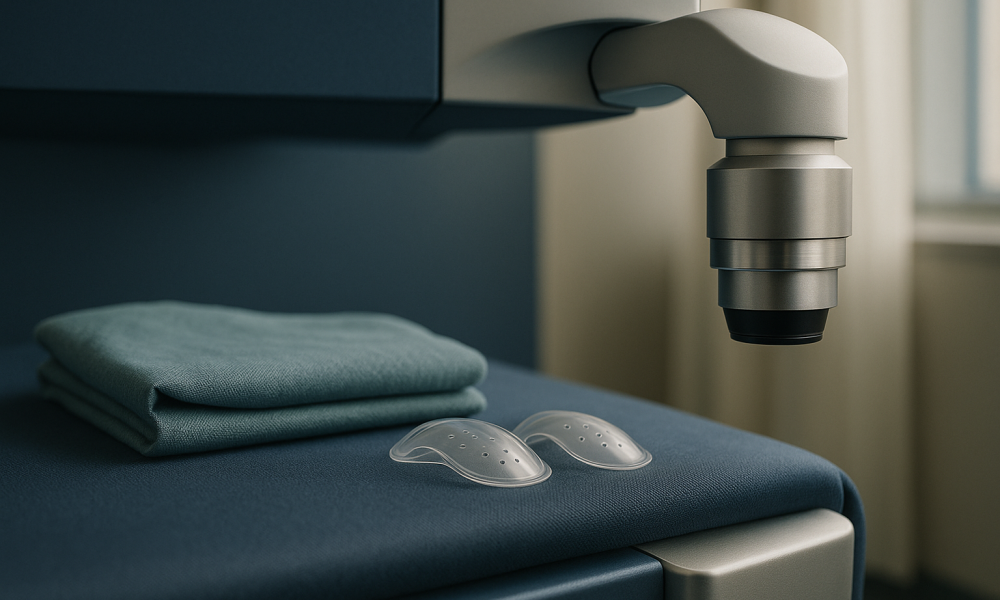
What SMILE Laser Eye Surgery is and who it is for
Small Incision Lenticule Extraction, commonly known as SMILE laser eye surgery, is a minimally invasive procedure designed to correct myopia (nearsightedness) and astigmatism. This advanced refractive surgery technique represents a significant evolution in laser eye surgery, offering patients an alternative to the more traditional LASIK and PRK procedures. SMILE is particularly appealing due to its minimally invasive nature, which typically results in a quicker recovery time and reduced risk of complications.
The procedure itself involves the use of a femtosecond laser to create a small, lens-shaped piece of tissue, known as a lenticule, within the cornea. This lenticule is then removed through a tiny incision, which reshapes the cornea and corrects the refractive error. Unlike LASIK, SMILE does not require the creation of a corneal flap, which can lead to fewer issues with dry eyes post-surgery. The entire procedure generally takes about 10 to 15 minutes per eye.
SMILE is suitable for individuals with stable vision prescriptions and is typically recommended for those with myopia ranging from -1.00 to -10.00 diopters, and astigmatism up to 5 diopters. The surgery is often favoured by athletes and those with active lifestyles due to its robust post-operative corneal stability. Furthermore, SMILE is known for its precision and the fact that it uses a smaller incision than LASIK, often leading to a more comfortable healing process.
Patients considering SMILE in Turkey can benefit from the expertise of highly trained ophthalmologists and the use of state-of-the-art technology. The procedure’s cost in Turkey is typically lower than in countries like Australia, with prices ranging from approximately £1,200 to £1,800 per eye. This cost-effectiveness, combined with high standards of care, makes Turkey a popular destination for medical tourism in the field of refractive surgery.
Are you a good candidate?
Determining whether you are a suitable candidate for SMILE laser eye surgery involves several considerations. It’s essential to understand that not everyone with myopia or astigmatism will qualify for this procedure. Here are some key factors that can help you assess your eligibility:
- Age: Ideal candidates are typically over 18 years of age. This ensures that your vision prescription is stable, as significant changes in vision can occur in younger individuals.
- Stable Prescription: Your prescription should be stable for at least one year before undergoing SMILE surgery. This stability helps ensure that the corrective changes made during surgery remain effective over time.
- Refractive Error: SMILE is designed for those with myopia ranging from -1.00 to -10.00 diopters and astigmatism up to 5 diopters. If your prescription falls outside of these ranges, alternative procedures might be more suitable.
- Corneal Thickness: Adequate corneal thickness is crucial for the safety and success of the procedure. A comprehensive eye exam will measure corneal thickness to determine if SMILE is a viable option for you.
- Eye Health: Good overall eye health is necessary. Conditions such as severe dry eye syndrome, keratoconus, or significant eye infections could disqualify you from being a candidate.
- Pregnancy and Nursing: Women who are pregnant or nursing are typically advised to postpone refractive surgery until hormone levels stabilise, as these can affect vision.
- Realistic Expectations: Understanding the limits of what SMILE can achieve is important. While many patients experience significant improvements, perfect vision cannot be guaranteed.
Consulting with a qualified ophthalmologist in Turkey can provide a thorough assessment of your suitability for SMILE surgery. They will conduct a detailed examination and discuss your vision goals to ensure that you have realistic expectations and a clear understanding of the potential outcomes. This careful evaluation helps ensure the best possible results and patient satisfaction.
The procedure, step by step
SMILE (Small Incision Lenticule Extraction) laser eye surgery is a minimally invasive procedure designed to correct refractive errors such as myopia, with or without astigmatism. This advanced technique is known for its precision and shorter recovery time compared to other laser eye surgeries. Understanding the procedure step by step can help alleviate concerns and prepare you for what to expect on the day of surgery.
- Pre-operative preparation: Prior to the surgery, you will undergo a comprehensive eye examination to assess the suitability of SMILE for your condition. This includes measuring the thickness of your cornea, mapping its surface, and determining the degree of refractive error. On the day of the procedure, you will be advised to avoid wearing any makeup or lotions that could interfere with the surgery.
- Local anaesthesia: To ensure comfort, numbing eye drops are administered to your eyes. These drops work quickly and effectively, eliminating any sensation of pain during the procedure.
- Positioning and stabilisation: You will be asked to lie down on a reclining chair, and a device known as an eyelid speculum will gently hold your eyelids open to prevent blinking. This step is crucial for maintaining the precision of the laser.
- Creation of the lenticule: Using a femtosecond laser, a small, lens-shaped piece of tissue (lenticule) is created within the cornea. This process typically takes less than 30 seconds per eye and is controlled by a computer-guided system to ensure accuracy.
- Extraction of the lenticule: The surgeon makes a tiny incision, usually between 2 to 4 millimetres, on the surface of the cornea. Through this incision, the lenticule is carefully extracted. This step alters the shape of the cornea, achieving the desired refractive correction.
- Post-procedure assessment: Once the lenticule is removed, the incision self-seals without the need for stitches. The surgeon will conduct a brief examination to ensure that the procedure has been completed successfully and that there are no immediate complications.
The entire SMILE procedure typically lasts about 10 to 15 minutes per eye, with the laser application itself taking only a few minutes. Patients often report feeling mild pressure but no pain, and the minimally invasive nature of the procedure allows for a rapid recovery.
Recovery timeline
The recovery process following SMILE laser eye surgery is generally quick and straightforward, allowing most patients to resume normal activities within a few days. However, a full recovery may take several weeks, during which time it is crucial to follow the post-operative care instructions provided by your surgeon.
| Period | What to expect | Care notes |
|---|---|---|
| Day 1 | Immediately after the procedure, you may experience mild discomfort, tearing, and sensitivity to light. Vision may be blurry. | Rest your eyes as much as possible. Avoid rubbing your eyes and follow the prescribed eye drop regimen to prevent infection and reduce inflammation. |
| Days 2-4 | Vision begins to stabilise, though fluctuations are normal. Sensitivity to light may persist. | Continue using eye drops as directed. Wear sunglasses outdoors to protect your eyes from UV exposure. Avoid swimming and strenuous activities. |
| Week 1 | Most patients notice significant improvements in vision. Minor halos or glare are possible, especially at night. | Attend follow-up appointments to monitor healing. Continue to avoid eye strain and follow your surgeon’s guidelines regarding screen time. |
| Weeks 2-4 | Vision continues to improve, with reduced symptoms of glare and halos. Most daily activities can be resumed. | Gradually reintroduce activities like exercise, but avoid contact sports until your doctor approves. |
| 1-3 Months | Full visual recovery is typically achieved. Eyes should feel normal, and visual acuity stabilises. | Attend any additional follow-up appointments. Continue to protect your eyes from excessive sunlight and follow any remaining care instructions. |
It is important to follow your surgeon’s advice throughout the recovery period to ensure the best possible outcome. While complications are rare, any sudden changes in vision or discomfort should be promptly reported to your healthcare provider.
What it costs: Turkey vs Australia
When considering SMILE laser eye surgery, cost is often a significant factor for international patients. Turkey has emerged as a popular destination for this procedure, offering competitive prices compared to countries like Australia. It is essential to understand that the figures provided here are indicative and can vary based on the provider, the specific package chosen, and other factors.
| Country | Indicative Price Range (per eye) | Typical Package Inclusions |
|---|---|---|
| Turkey | £1,200 – £1,800 | Consultation, surgery, post-operative care, 1-2 nights accommodation, airport transfers |
| Australia | £2,500 – £3,500 | Consultation, surgery, post-operative care |
As illustrated in the table, the cost of SMILE surgery in Turkey can be significantly lower than in Australia. This cost advantage is primarily due to the lower operating expenses in Turkey, including lower staff salaries and facility costs, which do not compromise the quality of care provided. It is crucial for patients to verify what is included in the package, as some may offer additional services such as extended accommodation or sightseeing tours at an extra cost.
When evaluating costs, consider the following:
- Consultation Fees: Some clinics in Turkey offer free initial consultations, whereas others may include this in the overall package cost.
- Accommodation: Packages often include accommodation close to the clinic, which can be a significant saving compared to independent arrangements.
- Travel Expenses: While the surgery cost is lower, factor in the cost of flights and travel insurance when calculating total expenses. Turkey’s strategic location makes it accessible with direct flights from many major Australian cities.
- Follow-up Care: Ensure that the package includes follow-up consultations, either in person or via telemedicine, to monitor recovery and address any concerns.
Overall, the lower cost of SMILE laser eye surgery in Turkey, coupled with comprehensive packages, makes it an attractive option for many Australians seeking refractive surgery abroad.
Risks and how accredited providers manage them
Like any surgical procedure, SMILE laser eye surgery carries certain risks, although these are generally rare and can often be managed effectively by experienced and accredited providers. Understanding these risks and how they are mitigated is crucial for any prospective patient considering this treatment.
Common risks associated with SMILE surgery include:
- Dry Eyes: This can occur post-surgery and is usually temporary. Accredited clinics provide thorough pre-operative assessments to identify patients at risk and recommend appropriate treatments.
- Visual Disturbances: Some patients may experience halos or glare, particularly at night. These symptoms typically resolve over time as the eye heals.
- Infection: Although rare, infection is a potential risk with any surgical procedure. Reputable clinics adhere to stringent sterilisation protocols to minimise this risk.
- Undercorrection or Overcorrection: This can happen if the laser removes too little or too much corneal tissue. Accredited providers conduct detailed pre-operative measurements and assessments to tailor the procedure precisely to each patient’s needs.
Accredited providers in Turkey employ several strategies to manage and mitigate these risks:
- Thorough Pre-operative Assessment: This includes a comprehensive eye examination and detailed corneal mapping to assess the suitability of the patient for SMILE surgery.
- Use of Advanced Technology: Clinics use state-of-the-art laser systems and diagnostic equipment to enhance accuracy and safety during the procedure.
- Experienced Surgeons: Surgeons in accredited clinics typically have extensive experience and have undergone rigorous training, ensuring a high standard of care.
- Post-operative Care: Follow-up appointments are crucial to monitor healing and address any complications promptly. Many clinics offer 24/7 support for international patients to ensure they have access to care whenever needed.
It is important for patients to choose a clinic that is accredited by recognised international healthcare bodies, as this accreditation signifies adherence to high standards of safety and quality. Patients are encouraged to ask potential providers about their accreditation status, surgeon experience, and the technology used. By selecting an accredited provider, patients can significantly reduce the potential risks associated with SMILE laser eye surgery and increase the likelihood of a successful outcome.
How to choose the right provider
Choosing the right provider for your SMILE laser eye surgery in Turkey involves careful consideration of several key factors. Accreditation is crucial; ensure that the clinic is recognised by international bodies such as the Joint Commission International (JCI) or the International Organization for Standardization (ISO). These accreditations indicate adherence to global standards in healthcare quality and safety.
Surgeon experience is another critical aspect. Look for surgeons who have extensive experience specifically with SMILE procedures. A surgeon who has performed a high volume of SMILE surgeries is more likely to have encountered and successfully managed a range of cases. You might find it useful to request the surgeon’s CV or a summary of their experience, focusing on their specialisation and number of SMILE procedures performed.
Aftercare is an integral part of the treatment process. A reputable clinic will offer comprehensive aftercare that includes post-operative check-ups and easy access to medical advice as you recover. Find out if the clinic provides follow-up appointments or remote consultations once you return to Australia. This is important to ensure that any complications are quickly addressed.
Be aware of red flags that might indicate a less reputable provider. High-pressure sales tactics, unusually low prices, or a lack of clear communication and transparency about the procedure and potential risks are all warning signs. A professional clinic should provide clear, patient-friendly information and be open to answering all your questions thoroughly.
Finally, consider patient reviews and testimonials. While these should not be the sole basis for your decision, they can offer insights into the experiences of others and the clinic’s reputation. Look for reviews that mention both the quality of care and the results achieved, but remember to critically assess the credibility of the source.
Planning your trip
Planning your trip for SMILE laser eye surgery in Turkey requires careful organisation to ensure a smooth experience. Begin by establishing a timeline. Typically, you should schedule the initial consultation and surgery at least 4-6 weeks in advance. This allows ample time for any necessary medical evaluations and travel arrangements.
Ensure your passport is valid for at least six months beyond your planned return date to Australia. You may need a visa to enter Turkey, which can often be obtained online via the Turkish government’s e-visa portal. Make sure to check the latest travel advisories and requirements, as these can change.
Your length of stay will vary depending on your specific case and the clinic’s recommendations. Generally, plan to stay in Turkey for about 5-7 days. This duration allows for the initial consultation, the procedure, and at least one post-operative check-up to ensure everything is progressing well before you travel back home.
Accommodation should be comfortable and conveniently located near your clinic. Many clinics offer packages that include hotel stays and transportation, which can simplify logistics. However, you might also prefer to book independently, allowing more flexibility in choosing a location and amenities that suit your preferences.
Consider travel insurance that covers medical procedures, as this can provide peace of mind against unforeseen complications or travel disruptions. Confirm that your insurance policy covers elective procedures abroad.
Upon returning to Australia, schedule a follow-up appointment with an ophthalmologist to monitor your recovery. Ensure your chosen Turkish provider offers remote consultation options in case you have questions or concerns once back home. This continuity of care can be crucial in addressing any late-onset issues and ensuring optimal healing.
Frequently Asked Questions
What is the typical cost range for SMILE laser eye surgery in Turkey?
The cost of SMILE laser eye surgery in Turkey typically ranges from AUD 2,500 to AUD 4,000 per eye. This range is indicative and can vary based on the clinic's location, the surgeon's experience, and the package inclusions such as accommodation or transportation. It's important to get a detailed quote from your chosen provider before making any commitments.
How safe is SMILE laser eye surgery?
SMILE laser eye surgery is considered a safe and effective procedure when performed by experienced surgeons. It is minimally invasive, with a low risk of complications. However, as with any surgery, there are potential risks, including infection, dry eyes, and visual disturbances. Choosing an accredited clinic with a skilled surgeon can significantly mitigate these risks.
How long should I plan to stay in Turkey for the procedure?
For SMILE laser eye surgery, it's recommended to stay in Turkey for about 5-7 days. This allows time for the initial consultation, the procedure itself, and at least one follow-up appointment to ensure proper healing before you travel back to Australia. Your provider will give specific recommendations based on your individual case.
What aftercare is available following SMILE surgery?
After SMILE surgery, clinics typically provide a comprehensive aftercare programme, which includes post-operative check-ups and remote consultations. You should have access to medical advice during your recovery phase. It's important to follow your surgeon's post-operative instructions carefully to ensure optimal healing and results.
Will I need a visa to travel to Turkey?
Yes, Australian citizens typically need a visa to enter Turkey. The visa can often be obtained online through the Turkish government's e-visa portal. It's advisable to check the latest visa requirements and travel advisories before planning your trip, as these can change.
What should I consider when choosing a surgeon for SMILE surgery?
When choosing a surgeon for SMILE surgery, consider their experience specifically with SMILE procedures, their professional credentials, and any accreditations the clinic holds. It's also beneficial to read patient reviews and ask for a consultation to discuss your concerns and expectations.
Is travel insurance necessary for medical tourism?
While not mandatory, travel insurance is highly recommended for medical tourism. It can cover unexpected medical complications, travel disruptions, and other emergencies. Ensure your policy specifically includes coverage for elective procedures abroad and check the terms carefully.
Can I expect the same level of care in Turkey as in Australia?
Many Turkish clinics offer care that meets international standards, often accredited by global organisations such as JCI or ISO. However, it's important to thoroughly research your chosen clinic and surgeon, ensuring they have the necessary credentials and patient reviews that reflect high-quality care.
How soon after SMILE surgery can I resume normal activities?
Most patients can resume normal activities, such as working and driving, within a few days to a week after SMILE surgery. However, it's important to avoid strenuous activities and protect your eyes from dust and water for at least a month. Your surgeon will provide specific post-operative care instructions.
What documents are required for the procedure?
You'll need a valid passport and possibly a visa to enter Turkey. Additionally, bring any medical records related to your eye health, as well as any documents your clinic requires, such as consent forms or pre-operative assessments. It's best to confirm these details with your provider well in advance.
How can I verify the accreditation of a Turkish clinic?
To verify a clinic's accreditation, check their official website for information on certifications such as JCI or ISO. You can also contact the accrediting organisations directly to confirm the clinic's status. Reputable clinics should be transparent about their accreditation and willing to provide documentation if requested.
Are there any red flags to watch for when selecting a clinic?
Yes, be wary of clinics that use high-pressure sales tactics, offer unusually low prices, or lack transparency about the procedure and potential risks. A reputable clinic should provide clear information, answer all your questions thoroughly, and not rush you into making decisions.