
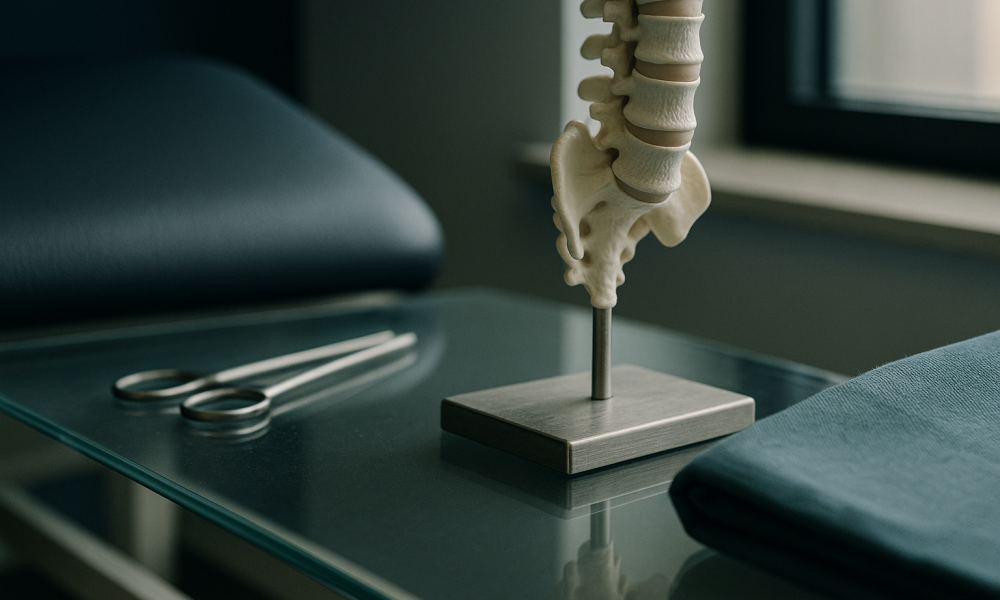
What Spine Surgery is and who it is for
Spine surgery encompasses a variety of procedures aimed at addressing different conditions affecting the spine. These surgeries can be broadly categorised into decompression surgeries, fusion surgeries, and disc replacement surgeries. Decompression surgeries, such as laminectomy or discectomy, focus on relieving pressure on spinal nerves, often caused by herniated discs or spinal stenosis. Fusion surgeries involve joining two or more vertebrae to eliminate painful motion, commonly recommended for conditions like degenerative disc disease. Disc replacement surgeries are an alternative to fusion, where damaged discs are replaced with artificial ones, maintaining more spinal mobility.
Patients typically consider spine surgery when non-surgical treatments, such as physical therapy, medications, or injections, do not alleviate symptoms. It is crucial to note that spine surgery is generally considered when the pain is persistent, debilitating, and impairs daily function. The advancements in surgical techniques, such as minimally invasive spine surgery (MISS), have significantly improved recovery times and outcomes. MISS involves smaller incisions, resulting in less damage to the surrounding tissue, reduced post-operative pain, and quicker recovery.
Spine surgery can address a range of conditions, including herniated discs, spinal stenosis, scoliosis, and spondylolisthesis. However, it is not a ‘one-size-fits-all’ solution, and each procedure is tailored to the patient’s specific condition and overall health status. The decision to undergo spine surgery should involve a thorough consultation with a qualified spine specialist, who will evaluate the patient’s medical history, imaging results, and treatment goals to recommend the most appropriate surgical intervention.
In Turkey, spine surgery is performed by highly trained surgeons, often with international experience and accreditation. Hospitals offering spine surgery are equipped with state-of-the-art technology and adhere to international standards of care, making it a viable option for Australian patients seeking high-quality treatment abroad. The cost of spine surgery in Turkey is typically lower than in Australia, with indicative prices ranging from £4,000 to £12,000, depending on the complexity of the procedure.
Are you a good candidate?
Determining whether you are a suitable candidate for spine surgery involves a comprehensive evaluation by a spine specialist. Several factors are considered to ensure that surgery is the most appropriate option for your condition. Here is a checklist of criteria that may indicate you are a good candidate for spine surgery:
- Persistent Pain: You have experienced chronic back or neck pain that has not responded to conservative treatments, such as physical therapy, medications, or lifestyle modifications, for at least six months.
- Neurological Symptoms: You suffer from neurological symptoms like numbness, tingling, or weakness in your limbs, suggesting nerve compression.
- Imaging Evidence: Diagnostic imaging, such as MRI or CT scans, shows clear evidence of spinal abnormalities, such as herniated discs, spinal stenosis, or degenerative changes.
- Impact on Daily Life: Your spinal condition significantly impairs your ability to perform daily activities or affects your quality of life.
- Overall Health: You are in good overall health, with no significant medical conditions that could complicate surgery or recovery.
- Realistic Expectations: You have a clear understanding of the potential risks and benefits of spine surgery, and realistic expectations of the outcomes.
- Commitment to Recovery: You are willing to follow post-operative care instructions and participate in rehabilitation to aid recovery.
It is important to have an open discussion with your healthcare provider about your symptoms, treatment history, and expectations. This collaboration ensures that all non-surgical options have been explored and that surgery is considered as a last resort. Additionally, a multi-disciplinary approach involving physiotherapists, pain specialists, and psychologists may be beneficial in managing your condition holistically.
In conclusion, while spine surgery can provide significant relief and improve function for many patients, it is essential to undergo a thorough evaluation to determine if you are a suitable candidate. This process not only maximises the chances of a successful outcome but also minimises the risks associated with surgery.
The procedure, step by step
Undergoing spine surgery in Turkey involves a series of carefully coordinated steps to ensure both safety and effectiveness. Here is a detailed outline of what to expect:
- Initial Consultation: Before the surgery, you will have a comprehensive consultation with your surgeon and medical team. This includes reviewing your medical history, conducting a physical examination, and possibly performing imaging tests such as MRI or CT scans to pinpoint the exact nature and location of the spinal issue.
- Pre-operative Preparation: Once the decision for surgery is made, you’ll be advised on pre-operative instructions. This might include fasting after midnight the day before surgery, stopping certain medications, and arranging for postoperative care. You may also meet with an anaesthetist to discuss anaesthesia options, typically general anaesthesia.
- Admission to Hospital: On the day of surgery, you will be admitted to the hospital. The nursing team will prepare you for surgery, which includes changing into a surgical gown and placing an intravenous line for fluids and medications.
- Surgical Procedure: The specifics of the surgical procedure will depend on the type of spine surgery, such as discectomy, laminectomy, or spinal fusion. The surgery typically involves making an incision in the back, accessing the spine, and then performing the necessary intervention to relieve nerve compression or stabilize the spine. The duration of the surgery can vary significantly, often ranging from 2 to 6 hours.
- Post-operative Care: After surgery, you will be moved to a recovery room where your vital signs are closely monitored. Pain management is a priority, and you will receive medications to control discomfort. You may also have a drain near the incision site to remove excess fluids.
- Hospital Stay: Depending on the complexity of the surgery, the typical hospital stay can range from 2 to 7 days. During this time, you will begin physical therapy to regain mobility and learn exercises to aid in recovery.
- Discharge Planning: Before discharge, your medical team will provide detailed instructions for home care, including wound care, activity restrictions, and a schedule for follow-up appointments. You will also be given contact information for any post-operative concerns.
Each step is designed to maximise the chances of a successful outcome while minimising risks. It’s important to communicate openly with your healthcare team and follow their guidance closely.
Recovery timeline
Understanding the recovery timeline following spine surgery is crucial for setting realistic expectations and planning your post-operative care. Below is a general guideline:
| Period | What to expect | Care notes |
|---|---|---|
| Day 1 | Post-surgery, expect to feel groggy from anaesthesia. Pain and discomfort are common, but manageable with medications. | Begin gentle movements as advised by physiotherapists. Focus on deep breathing to prevent lung complications. |
| Week 1 | Gradual improvement in pain levels. Some swelling and bruising around the incision site are normal. | Continue prescribed pain relief and anti-inflammatories. Attend any scheduled follow-up appointments. Avoid strenuous activities. |
| Weeks 2-4 | Increased mobility and reduction in pain. You may begin to resume light activities. | Start a guided physical therapy program. Ensure incision site is clean and dry. |
| Weeks 5-8 | Further improvement in strength and flexibility. Most patients can return to desk jobs. | Gradually increase activity levels as tolerated. Adhere to physiotherapy exercises. |
| Months 2-6 | Continued healing and recovery. You should be able to resume most normal activities by month 6. | Maintain regular follow-up with your healthcare provider. Report any unusual symptoms immediately. |
| Months 6-12 | Full recovery is typically expected. Any remaining pain should be minimal and manageable. | Continue with any long-term physiotherapy if recommended. Stay active and maintain a healthy lifestyle to support spinal health. |
Recovery times can vary based on individual health, the specific procedure performed, and adherence to post-operative care instructions. Always consult with your healthcare provider for personalised advice.
What it costs: Turkey vs Australia
When considering spine surgery abroad, cost is a significant factor for many patients. Turkey has become a popular destination for medical tourism, particularly for spine surgery, due to its competitive pricing and high-quality care. It’s important to note that the figures provided here are indicative and can vary based on the specific case, hospital, and surgeon.
| Type of Spine Surgery | Australia (AUD) | Turkey (AUD) | Typical Inclusions in Turkey |
|---|---|---|---|
| Discectomy | 15,000 – 25,000 | 5,000 – 8,000 | Consultation, surgery, hospital stay, post-operative care, airport transfers |
| Spinal Fusion | 30,000 – 50,000 | 10,000 – 15,000 | Consultation, surgery, hospital stay, physiotherapy, airport transfers |
| Laminectomy | 20,000 – 35,000 | 7,000 – 12,000 | Consultation, surgery, hospital stay, post-operative care, airport transfers |
The cost savings in Turkey are often attributed to lower operational costs and favourable exchange rates, rather than a compromise in the quality of care. Many Turkish hospitals are internationally accredited, ensuring adherence to global healthcare standards.
In addition to the basic surgical procedure, packages in Turkey typically include a range of services that might incur additional costs in Australia. These often encompass pre-surgery consultations, comprehensive post-operative care, and physiotherapy sessions. Furthermore, many hospitals offer airport transfers and assistance with accommodation, providing a seamless experience for international patients.
It is advisable for prospective patients to request detailed quotes from multiple hospitals to understand what is included in the package and to compare these with the expected costs in Australia. Always ensure that the quoted price includes all potential costs to avoid unexpected expenses. While cost is an important factor, it should be balanced with considerations of the surgeon’s experience, the hospital’s accreditation, and the quality of care provided.
Risks and how accredited providers manage them
While spine surgery can offer significant benefits, it is not without risks. Understanding these risks and how they are managed is crucial for anyone considering surgery abroad. Accredited providers in Turkey employ rigorous protocols to minimise these risks and ensure patient safety.
Common Risks: Like any surgical procedure, spine surgery carries inherent risks. These may include:
- Infection at the site of surgery
- Bleeding or blood clots
- Nerve damage
- Reaction to anaesthesia
- Persistent pain or discomfort
- Failure of the surgery to relieve symptoms
How Accredited Providers Manage Risks:
- Pre-operative Assessment: Before surgery, comprehensive assessments are conducted to evaluate the patient’s overall health and suitability for the procedure. This includes medical history reviews, physical examinations, and necessary imaging tests.
- Infection Control: Accredited hospitals adhere to strict infection control protocols. This includes sterile environments in operating theatres, use of advanced sterilisation techniques, and post-operative monitoring to detect any signs of infection early.
- Expert Surgical Teams: Surgeons with extensive experience in spine surgery lead the procedures. Their expertise is critical in reducing the risk of complications and ensuring the best possible outcomes.
- Advanced Technology: Many Turkish hospitals are equipped with state-of-the-art technology that aids in precise surgical interventions, which can reduce recovery times and improve success rates.
- Post-operative Care: Comprehensive post-operative care is essential for recovery. This includes pain management, physiotherapy, and regular follow-up consultations to monitor the patient’s progress and address any complications promptly.
- Patient Education: Patients are informed about potential risks and the signs of complications. This education empowers patients to seek help promptly if they experience any concerning symptoms after discharge.
Choosing an accredited provider is crucial as it ensures adherence to international standards of care, which is a key factor in risk management. Patients are encouraged to discuss potential risks with their healthcare providers and to understand the measures in place to mitigate these risks before proceeding with surgery.
How to choose the right provider
Choosing the right provider for spine surgery in Turkey is a crucial step in your healthcare journey. A well-informed decision can significantly impact your treatment outcomes and overall experience. Here are several factors to consider:
- Accreditation: Ensure that the hospital or clinic is accredited by internationally recognised organisations such as the Joint Commission International (JCI) or the International Organization for Standardization (ISO). Accreditation signifies that the facility meets global standards for quality and patient safety.
- Surgeon Experience: Research the qualifications and experience of potential surgeons. Look for those who are board-certified and have a significant number of successful spine surgeries in their portfolio. Surgeons should ideally have specialised training in spine surgery and be involved in continual professional development.
- Aftercare: Comprehensive aftercare is vital for recovery. Ensure the provider offers a robust aftercare programme, including physical therapy and regular follow-up appointments. Ask about the availability of remote consultations once you return home to Australia, as this can facilitate seamless continuity of care.
- Red Flags: Be wary of providers that offer guaranteed outcomes or exceptionally low prices that seem too good to be true. Investigate any negative reviews or complaints thoroughly. Ensure transparency about costs and procedures, and avoid any facility that is reluctant to provide detailed information.
Ultimately, choosing the right provider involves balancing quality, experience, and personal comfort. Engage in consultations with several providers to gauge their responsiveness, professionalism, and ability to address your concerns.
Planning your trip
Planning your trip for spine surgery in Turkey involves several important steps to ensure a smooth experience:
- Timeline Before Travel: Start planning at least 3-4 months before your intended surgery date. This allows ample time for consultations, securing travel documents, and arranging logistics.
- Documents: Ensure your passport is valid for at least six months beyond your planned return date. Obtain a medical visa if required, and carry all relevant medical records, including diagnostic reports, scans, and previous medical history. It’s wise to have copies both in digital and hard formats.
- Length of Stay: Plan for a stay of at least 2-3 weeks. This period typically includes pre-operative consultations, the surgery itself, initial recovery, and post-operative assessments. Some patients may require a longer stay depending on their recovery rate and any complications.
- Follow-up at Home: Coordinate with your healthcare provider in Australia for follow-up care upon your return. This may include physical therapy, regular check-ups, and monitoring of surgical outcomes. Ensure that your Turkish provider can communicate effectively with your local healthcare team to facilitate this process.
Logistics such as accommodation, transportation, and language services should also be considered. Many hospitals in Turkey offer packages that include these services, making the process more convenient.
Frequently Asked Questions
How much does spine surgery in Turkey typically cost?
The cost of spine surgery in Turkey can vary significantly based on the type of procedure, the hospital, and the surgeon's experience. Generally, you can expect prices to range from £4,000 to £12,000. These figures are indicative and should be confirmed with your chosen provider. It's important to remember that these costs often include pre-operative assessments, the surgery itself, and immediate post-operative care.
What should I look for in a spine surgeon's qualifications?
When evaluating a spine surgeon, consider their board certification, years of experience, and specialisation in spinal procedures. A reputable surgeon should have a track record of successful surgeries and continuous professional development. It can also be beneficial to read patient testimonials and reviews to gauge their reputation and patient satisfaction.
Is spine surgery in Turkey safe?
Spine surgery in Turkey is generally safe, especially in accredited hospitals with experienced surgeons. However, as with any medical procedure, there are risks involved. Ensuring your chosen facility is accredited and your surgeon is well-qualified can minimise these risks. Always discuss potential risks and complications with your surgeon before proceeding.
How long should I plan to stay in Turkey for spine surgery?
Typically, patients should plan to stay in Turkey for 2-3 weeks. This duration covers pre-operative consultations, the surgery itself, initial recovery, and post-operative assessments. Depending on your recovery and any potential complications, a longer stay might be necessary. Discuss your individual case with your healthcare provider to get a more accurate estimate.
What documents do I need to bring for my surgery in Turkey?
You'll need a valid passport, possibly a medical visa, and all relevant medical records, including diagnostic reports and previous medical history. It's advisable to carry these documents in both digital and hard copies. Having all necessary documentation will ensure smooth communication and treatment planning with your Turkish healthcare provider.
How do I handle follow-up care once I'm back in Australia?
Coordinate with your Australian healthcare provider before your surgery to arrange follow-up care. This may include physical therapy and regular monitoring of your surgical outcomes. It's crucial to ensure that your Turkish surgeon can communicate effectively with your local healthcare team to provide seamless care continuity.
Are there language barriers in Turkish hospitals?
Many Turkish hospitals catering to international patients employ English-speaking staff and offer translation services to mitigate language barriers. It's important to confirm these services with your chosen hospital or clinic ahead of time to ensure clear communication throughout your treatment.
What are the red flags when choosing a spine surgery provider in Turkey?
Be cautious of providers offering guaranteed outcomes or unusually low prices. Investigate any negative reviews or complaints. Ensure transparency in costs and procedures, and avoid facilities reluctant to provide detailed information. Always choose accredited facilities with experienced surgeons to ensure quality care.
What is included in the typical cost of spine surgery in Turkey?
Typically, the cost includes pre-operative assessments, the surgery itself, immediate post-operative care, and sometimes hospital accommodation. However, specifics can vary, so it’s important to clarify with your provider what is included in the quoted price to avoid unexpected expenses.
Will my health insurance cover spine surgery in Turkey?
Insurance coverage for international treatments varies widely. Some policies may cover part of the costs, especially if the procedure is deemed medically necessary. It's essential to consult with your insurance provider to understand your coverage and any required documentation for reimbursement.
What aftercare services should I expect after spine surgery in Turkey?
Aftercare services typically include physical therapy, regular follow-up appointments, and remote consultations once you return home. A comprehensive aftercare programme is crucial for a successful recovery, so ensure that your provider offers these services and can liaise with your local healthcare team in Australia.
How do I verify the accreditation of a Turkish hospital?
You can verify a hospital's accreditation by checking with international accreditation bodies such as the Joint Commission International (JCI) or the International Organization for Standardization (ISO). Accredited hospitals usually display their certification on their website, but you can also contact these organisations directly for confirmation.