
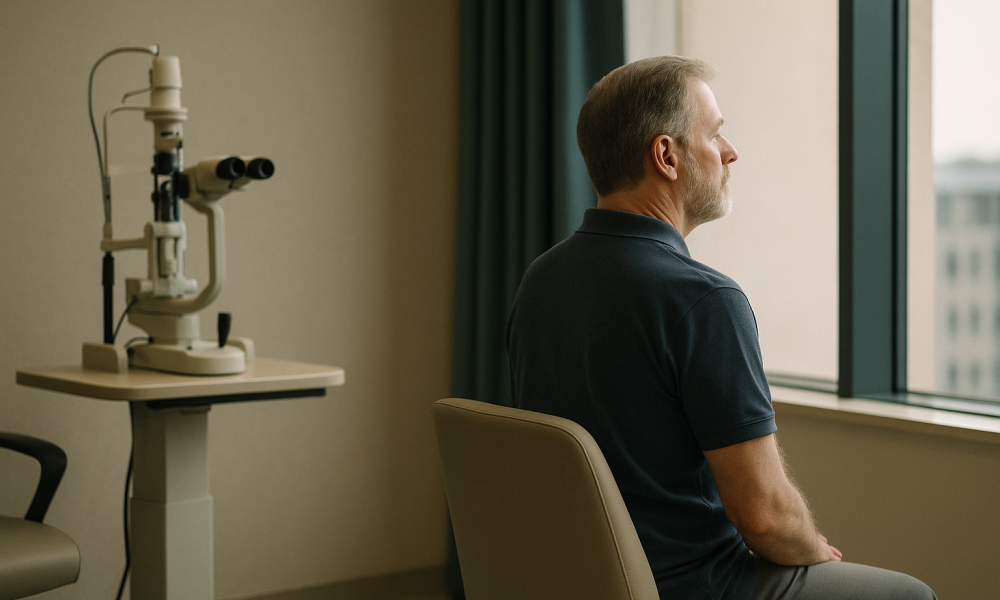
What Trifocal Lens Implants is and who it is for
Trifocal lens implants are an advanced solution designed to address vision issues such as presbyopia and cataracts. These lenses are surgically implanted into the eye, replacing the natural lens to provide clear vision at multiple distances: near, intermediate, and far. This procedure is particularly beneficial for individuals who wish to reduce their dependence on glasses or contact lenses. While traditional monofocal lenses improve vision at a single distance, trifocal lenses offer a broader range of clear vision, making them ideal for those leading active lifestyles.
Trifocal lenses have evolved significantly with advancements in ophthalmic technology. The lenses are made from biocompatible materials, ensuring they are well-tolerated by the eye. The procedure is typically performed on an outpatient basis, meaning patients can return home the same day. The surgery involves making a small incision in the eye, through which the trifocal lens is inserted. This minimally invasive approach typically requires only local anaesthesia, ensuring a comfortable experience with swift recovery times.
In Turkey, the procedure is performed by highly skilled ophthalmologists in accredited medical facilities. The country has become a popular destination for medical tourism due to its cost-effective healthcare services combined with high standards of care. Patients from the UK, Europe, and North America are drawn to Turkey not only for its competitive pricing but also for the opportunity to receive treatment from internationally trained specialists.
Trifocal lens implants are suitable for adults experiencing diminished vision due to cataracts or age-related presbyopia. They are especially beneficial for those who engage in activities requiring sharp vision at varying distances, such as driving, reading, and using digital devices. However, as with any medical procedure, potential candidates should have a thorough consultation with an ophthalmologist to determine if this treatment aligns with their specific vision needs and overall health.
Are you a good candidate?
Determining whether you are a good candidate for trifocal lens implants involves assessing various factors related to your eye health, lifestyle, and personal vision goals. Generally, candidates for this procedure are individuals aged 40 and above who are experiencing presbyopia or cataracts. It is crucial to understand that while trifocal lenses can significantly reduce dependence on corrective eyewear, they may not be suitable for everyone.
- Age and Eye Condition: Ideal candidates are typically over the age of 40, experiencing age-related vision changes such as presbyopia or have developed cataracts impairing their daily activities.
- Overall Eye Health: Good candidates should not have any significant eye diseases such as glaucoma or macular degeneration, as these conditions could affect the success of the surgery.
- Realistic Expectations: Candidates should have realistic expectations about the outcomes. While trifocal lenses can greatly improve vision, perfect vision cannot be guaranteed.
- Lifestyle Considerations: If you lead an active lifestyle and require clear vision at various distances for tasks such as driving, reading, or computer work, trifocal lenses could be advantageous.
- General Health: A general health check is essential to ensure no underlying medical conditions could complicate the procedure or recovery.
Before proceeding, prospective patients should undergo a comprehensive eye examination and consultation with an ophthalmologist. During this assessment, your eye doctor will evaluate your eye health, discuss your vision needs, and explain the potential risks and benefits of the procedure. This consultation is an opportunity to ask questions and ensure you are fully informed about the treatment. Remember, the decision to undergo trifocal lens implantation should be made based on a thorough understanding of your individual health profile and vision goals.
The procedure, step by step
The process of receiving trifocal lens implants involves a series of carefully coordinated steps designed to ensure the best possible outcomes for patients. Understanding each stage can help reduce anxiety and improve preparedness for the procedure.
- Initial Consultation: This first step involves a thorough examination by an ophthalmologist to determine the suitability of trifocal lens implants. Patients will undergo various eye tests, including measurements of the eye’s length and curvature, to ensure precise lens selection. This consultation typically lasts about 1-2 hours.
- Pre-operative Assessment: Once deemed suitable, a comprehensive pre-operative assessment is conducted. Patients may undergo additional tests such as corneal topography and optical coherence tomography (OCT) to map the eye’s internal structures. This assessment helps in planning the surgery accurately.
- Choosing the Right Lens: Based on the assessments, the ophthalmologist will discuss the most appropriate trifocal lens options. Factors such as lifestyle needs, visual expectations, and any existing eye conditions are considered. Patients should feel free to ask questions and discuss concerns during this stage.
- Scheduling the Surgery: After selecting the appropriate lens, the surgery is scheduled. Patients will receive instructions on how to prepare, including any medications to avoid. It’s common for patients to stop wearing contact lenses a week before the procedure to ensure accurate measurements.
- Surgery Day: On the day of the surgery, patients are advised to arrive at the clinic or hospital well in advance. The procedure is usually performed under local anaesthesia with sedation, meaning patients remain awake but comfortable. The surgical area is numbed through eye drops.
- The Surgery: The procedure itself typically takes about 15-30 minutes per eye. The surgeon makes a small incision in the cornea to access the natural lens, which is then emulsified using ultrasound waves and removed. The trifocal lens implant is carefully inserted into the lens capsule.
- Post-operative Care: After surgery, patients will rest in a recovery area for a short period. An eye shield is usually placed over the treated eye to protect it. Patients receive post-operative instructions, including the use of prescribed eye drops and medications to prevent infection and inflammation.
- Follow-up Appointments: A follow-up appointment is typically scheduled for the next day to monitor the healing process and ensure there are no complications. Additional follow-ups occur over the next few weeks to months to track progress and address any concerns.
Each step is designed to ensure that the surgery is as smooth and effective as possible, with a strong emphasis on patient safety and satisfaction.
Recovery timeline
The recovery period following trifocal lens implant surgery is crucial for achieving optimal visual outcomes. Patients can expect a structured timeline that facilitates healing and adaptation to the new lenses. Below is a detailed recovery timeline:
| Period | What to expect | Care notes |
|---|---|---|
| Day 1 | Vision may be blurry or hazy immediately after surgery. Light sensitivity and a gritty sensation are common. | Rest and avoid rubbing the eyes. Use prescribed eye drops as instructed. Wear protective eye shields during sleep. |
| Days 2-3 | Initial blurriness begins to improve. Colours may appear brighter. Mild discomfort is normal. | Continue using eye drops. Avoid strenuous activities and heavy lifting. Protect eyes from dust and wind. |
| Week 1 | Significant improvement in vision clarity. Most patients can resume normal activities with caution. | Attend follow-up appointment. Continue avoiding swimming and dusty environments. Wear sunglasses outdoors. |
| Weeks 2-4 | Further visual stabilisation occurs. Depth perception and reading ability improve. | Gradually return to regular exercise routines. Follow up with the ophthalmologist if any issues arise. |
| 1-3 Months | Vision continues to stabilise, reaching optimal clarity. Patients may still experience halos or glare. | Complete the prescribed course of eye drops. Attend final follow-up appointments to ensure full recovery. |
| Full Recovery | Typically achieved within 3 months. Most patients experience significant improvements in near, intermediate, and distance vision. | Regular check-ups are recommended to monitor eye health and lens position. Discuss any persistent visual disturbances with your doctor. |
This timeline is indicative and individual recovery experiences may vary. Patients should maintain regular contact with their healthcare provider to address any concerns during the recovery period.
What it costs: Turkey vs the UK, Europe and North America
Choosing to undergo trifocal lens implant surgery is a significant decision, and understanding the associated costs is crucial for prospective patients. While the cost of this procedure can vary widely depending on the country, Turkey is often highlighted as a cost-effective option without compromising quality. Below, we present a comparative overview of indicative price ranges for trifocal lens implants across Turkey, the UK, Europe, and North America.
| Region | Indicative Price Range (GBP) | Typical Inclusions |
|---|---|---|
| Turkey | £2,000 – £3,500 per eye | Consultation, surgery, postoperative care, accommodation, local transport |
| UK | £3,500 – £5,500 per eye | Consultation, surgery, postoperative care |
| Europe | £3,000 – £5,000 per eye | Consultation, surgery, postoperative care |
| North America | £4,000 – £6,500 per eye | Consultation, surgery, postoperative care |
It is important to note that the figures provided above are indicative and can vary based on the specific clinic, the expertise of the surgeon, and the complexity of the case. In Turkey, the lower cost is often attributed to lower operational costs rather than a compromise in quality. Many Turkish clinics offer comprehensive packages that include not just the medical procedure, but also accommodation and local transport, making it a convenient option for international patients.
Patients considering trifocal lens implants in Turkey should ensure that they fully understand what is included in their chosen package. While some packages might appear more affordable, they may not cover additional costs such as medications or follow-up consultations. Therefore, it is advisable to have a clear and detailed discussion with the healthcare provider to avoid unexpected expenses.
Risks and how accredited providers manage them
As with any surgical procedure, trifocal lens implant surgery carries certain risks. Understanding these risks and how accredited providers in Turkey manage them can help prospective patients make informed decisions. While complications are rare, they can include infection, inflammation, increased intraocular pressure, and issues with the lens positioning.
Accredited clinics in Turkey are well-equipped to manage these risks through rigorous adherence to international standards of clinical practice. Here are some key measures typically employed:
- Preoperative Assessment: A comprehensive preoperative assessment is conducted to evaluate the patient’s overall health and suitability for surgery. This includes detailed eye examinations to tailor the procedure to the patient’s specific needs.
- Sterile Environment: Operating theatres in accredited Turkish clinics adhere to strict sterilisation protocols to minimise the risk of infection. This includes using sterile equipment and maintaining a clean environment.
- Experienced Surgeons: Many surgeons in Turkey have extensive experience and training, often having studied or worked abroad. Their expertise plays a crucial role in minimising risks and achieving successful outcomes.
- Advanced Technology: Accredited clinics use state-of-the-art technology for both diagnostic and surgical procedures, ensuring precision and reducing the likelihood of complications.
- Postoperative Care: Comprehensive postoperative care is crucial for monitoring recovery and addressing any issues promptly. Accredited providers offer regular follow-up appointments to ensure the patient’s eyes are healing correctly and to manage any side effects.
While the risk of complications cannot be eliminated entirely, choosing an accredited provider with a track record of high standards in care can significantly mitigate these risks. It is advisable for patients to research and select clinics that are recognised by international accreditation bodies, which ensures adherence to global best practices in patient safety and care.
In conclusion, while trifocal lens implants are generally safe, it is essential for patients to be aware of potential risks and to choose a provider that prioritises patient safety through stringent protocols and comprehensive care.
How to choose the right provider
Choosing the right provider for your trifocal lens implant surgery in Turkey is a critical step in your medical journey. With numerous options available, it’s essential to consider several factors to ensure you receive the highest quality of care.
Accreditation: Look for clinics and hospitals that are accredited by international bodies such as the Joint Commission International (JCI) or the European Foundation for Quality Management (EFQM). These accreditations indicate that the facility meets high standards of patient care and safety.
Surgeon Experience: The expertise of the surgeon is paramount. Inquire about the surgeon’s qualifications, including their training and experience in performing trifocal lens implant surgeries. A surgeon with a track record of numerous successful procedures and years of experience is preferable. Ask for patient testimonials or case studies that demonstrate successful outcomes.
Aftercare: Comprehensive aftercare is crucial for a successful recovery. Ensure the provider offers a detailed aftercare plan, which should include post-operative check-ups, medication guidelines, and advice on managing any side effects. Some clinics may offer remote consultations to follow up on your progress once you return home.
Red Flags: Be cautious of providers that make unrealistic promises, such as guaranteed results or extremely low prices compared to the typical range of £2,000 to £3,500 per eye. Other warning signs include a lack of transparency about the procedure or the surgeon’s credentials, and pressure to commit quickly. Always take the time to research and compare multiple providers before making a decision.
Ultimately, choosing the right provider involves balancing cost with the assurance of quality care. Investing time in thorough research can help you make an informed decision that aligns with your health needs and financial considerations.
Planning your trip
Planning your trip for trifocal lens implant surgery in Turkey involves several key considerations to ensure a smooth and stress-free experience.
Timeline Before Travel: It is advisable to start planning your trip at least two to three months in advance. This timeframe allows you to research providers, schedule consultations, and arrange travel accommodations. Once you have chosen a clinic, confirm the surgery date and any pre-operative instructions.
Documents: Ensure you have all necessary documents ready, including a valid passport, visa (if required), medical records, and any correspondence with your chosen medical provider. It may be useful to have a translated version of your medical history if it is not in English.
Length of Stay: Plan to stay in Turkey for a minimum of 5 to 7 days. This duration typically covers pre-operative assessments, the surgery itself, and initial post-operative check-ups. Your surgeon may advise a longer stay, depending on your individual recovery needs.
Follow-Up at Home: Before travelling, arrange for follow-up care in your home country. This may involve scheduling appointments with an ophthalmologist who can monitor your recovery and address any concerns. Some Turkish providers offer remote follow-up consultations, which can be a convenient option.
Consider booking accommodations close to your chosen clinic for easy access. Additionally, factor in transportation arrangements from the airport to your hotel and the clinic. It may be helpful to have a local contact or a medical tourism facilitator to assist with any logistical challenges.
By carefully planning each aspect of your trip, you can focus on your recovery and enjoy the peace of mind that comes with being well-prepared.
Frequently Asked Questions
What is the typical cost of trifocal lens implants in Turkey?
The typical cost for trifocal lens implants in Turkey ranges from £2,000 to £3,500 per eye. This range can vary depending on the clinic, the surgeon's experience, and the specific technology used. It's important to confirm what is included in the quoted price, such as consultations, surgery, and aftercare.
Are trifocal lens implants safe?
Trifocal lens implants are generally considered safe when performed by experienced ophthalmic surgeons. As with any surgical procedure, there are risks involved, including infection, inflammation, or vision disturbances. Choosing a reputable clinic with accredited surgeons can significantly reduce these risks.
How long will I need to stay in Turkey for the surgery?
You should plan to stay in Turkey for about 5 to 7 days. This period allows for pre-operative assessments, the surgery itself, and initial post-operative check-ups. Your surgeon may recommend a longer stay based on your recovery progress.
What should I look for in a surgeon?
Look for a surgeon with significant experience in performing trifocal lens implants. Check their qualifications, training, and track record of successful surgeries. Patient testimonials and case studies can provide additional insights into their expertise.
What accreditation should the clinic have?
The clinic should ideally be accredited by international bodies such as the Joint Commission International (JCI) or the European Foundation for Quality Management (EFQM). These accreditations ensure that the clinic meets high standards of patient care and safety.
Will the surgery be painful?
The surgery is typically performed under local anaesthesia, so you should not feel pain during the procedure. Some discomfort or mild pain may occur after the surgery, but this can usually be managed with prescribed medication.
What does the aftercare involve?
Aftercare typically involves follow-up appointments to monitor healing, guidance on medication, and instructions on avoiding activities that could strain the eyes. Some clinics offer remote consultations to continue care once you return home.
Can I fly immediately after the surgery?
It is generally recommended to wait at least a few days after the surgery before flying, to allow for initial recovery and follow-up assessments. Your surgeon will provide specific advice based on your individual recovery.
What are the risks associated with trifocal lens implants?
Possible risks include infection, inflammation, glare, halos, or difficulty with night vision. However, these occurrences are rare, especially when the procedure is performed by a qualified and experienced surgeon.
How do I prepare for the surgery?
Preparation involves undergoing a thorough eye examination, discussing your medical history with the surgeon, and following any specific pre-operative instructions provided, such as adjusting medications or fasting before the procedure.
Will my insurance cover the surgery?
Coverage for trifocal lens implants varies by insurance provider and policy. It is essential to check with your insurance company to understand what costs, if any, will be covered. Some insurers may offer partial reimbursement for procedures performed abroad.
How soon can I return to normal activities after the surgery?
Most patients can resume normal activities within a week, but it is advised to avoid strenuous activities and protect the eyes from dust and direct sunlight for a few weeks. Your surgeon will provide specific guidelines based on your recovery.