
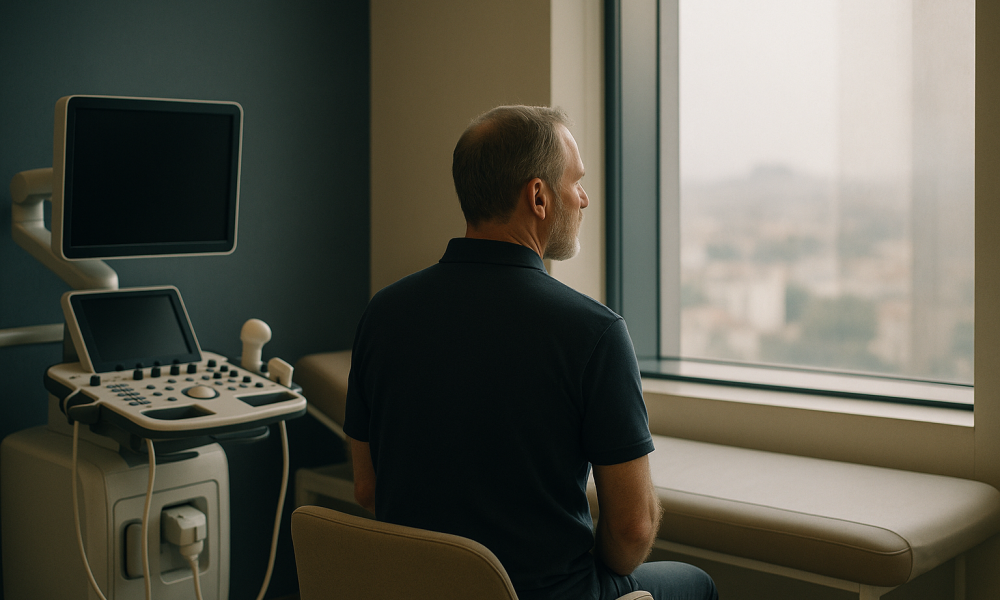
What Ultrasonic Rhinoplasty is and who it is for
Ultrasonic rhinoplasty is an advanced surgical technique designed to refine and reshape the nose using ultrasonic technology. Unlike traditional rhinoplasty, which relies on manual tools such as chisels and rasps, ultrasonic rhinoplasty employs high-frequency sound waves to precisely sculpt the nasal bones. This method is particularly beneficial for patients seeking a more controlled and minimally invasive approach, potentially reducing trauma to the surrounding tissues and resulting in less post-operative swelling and bruising.
In Turkey, ultrasonic rhinoplasty is gaining popularity due to its precision and the expertise of skilled surgeons. The procedure is typically performed under general anaesthesia and can take anywhere from one to three hours, depending on the complexity of the individual case. Patients often appreciate the refined results achievable with this method, particularly those looking for subtle adjustments rather than dramatic changes.
The primary goals of ultrasonic rhinoplasty include correcting structural issues such as a deviated septum, reducing dorsal humps, and refining the nasal tip. The precision of ultrasonic tools allows for smoother bone cuts and a more predictable healing process. This technology is especially suitable for individuals with thick skin or those requiring significant bone work, as it allows for meticulous shaping without the risk of splintering.
Ideal candidates for ultrasonic rhinoplasty often include individuals who have previously undergone nasal surgery and are seeking revision, as well as those who have experienced nasal trauma. The technique’s precision makes it an excellent choice for revision cases where scar tissue might complicate traditional approaches. Additionally, patients with complex nasal structures find ultrasonic rhinoplasty advantageous due to its ability to achieve detailed modifications without extensive tissue disruption.
Are you a good candidate?
Determining whether you are a suitable candidate for ultrasonic rhinoplasty involves a careful evaluation of several factors. This procedure is not only about aesthetic enhancement but also functional improvement, addressing both appearance and breathing issues.
Consider the following checklist to assess your suitability:
- Age: Candidates should be at least 18 years old, as the nasal structures need to be fully developed.
- Overall Health: Good general health is necessary to withstand surgery and anaesthesia. Conditions like uncontrolled diabetes or severe cardiovascular issues may contraindicate surgery.
- Realistic Expectations: Prospective patients should have realistic expectations and understand the limitations of the procedure. While ultrasonic rhinoplasty can offer significant improvements, it cannot achieve perfection.
- Previous Nasal Surgery: Those seeking revision surgery may particularly benefit from ultrasonic techniques due to their precision and reduced trauma.
- Nasal Structure: Complex nasal structures or thick skin may respond better to ultrasonic rhinoplasty, given its ability to make precise adjustments.
- Functional Issues: Candidates experiencing breathing difficulties due to structural problems, such as a deviated septum, can benefit from the functional corrections achievable with this surgery.
- Non-smokers: Smoking can impair healing and increase the risk of complications. Non-smokers or those willing to quit are preferable candidates.
Consultation with a qualified surgeon is essential to evaluate these factors comprehensively. They will conduct a thorough examination, including imaging studies if needed, to determine the best course of action tailored to your specific needs. It is crucial to be open about your medical history and any previous nasal surgeries during this consultation.
The procedure, step by step
Ultrasonic rhinoplasty is a refined surgical technique utilising ultrasonic waves to reshape the nose with enhanced precision. This approach minimises trauma to the surrounding tissues, potentially reducing recovery time and improving outcomes. Below is a detailed step-by-step outline of the procedure:
- Pre-operative consultation: Before the surgery, patients will have an in-depth consultation with their surgeon. During this meeting, the surgeon will discuss aesthetic goals, assess nasal structure, and perform necessary imaging studies, such as 3D scans, to plan the surgery precisely.
- Anaesthesia: On the day of the surgery, patients are typically administered general anaesthesia, although in some cases, local anaesthesia with sedation may be used. This ensures the patient is comfortable and pain-free throughout the procedure.
- Incision: The surgeon makes either an open or closed incision. In an open rhinoplasty, a small incision is made across the columella, the tissue between the nostrils. A closed rhinoplasty involves incisions solely inside the nostrils, which eliminates visible scarring.
- Ultrasonic reshaping: The surgeon employs a specialised ultrasonic device that emits high-frequency waves to precisely cut and reshape the nasal bones and cartilage. This device allows for targeted adjustments with minimal impact on surrounding tissues, reducing the likelihood of bruising and swelling.
- Cartilage modification: Depending on the desired outcome, cartilage may be trimmed, reshaped, or augmented using grafts taken from the septum or, less commonly, from the ear or rib.
- Nasal structure refinement: The ultrasonic tool enables precise refinement of the nasal structure, allowing for adjustments to the nasal bridge, tip, and nostrils as required to achieve the desired aesthetic result.
- Closure: Once the reshaping is complete, the surgeon carefully closes the incisions with fine sutures. In open procedures, the columellar incision is closed with absorbable stitches.
- Application of splints and dressings: To support the new shape of the nose and protect it during the initial healing period, an external splint is applied. Soft packing may also be placed inside the nostrils to support the septum.
- Immediate post-operative care: After surgery, patients are monitored in a recovery area until the effects of anaesthesia diminish. Most patients can return home the same day, although some may require an overnight stay for observation.
Recovery timeline
Understanding the recovery timeline for ultrasonic rhinoplasty helps patients prepare for each stage of healing. Below is a detailed table outlining what patients can expect from the initial post-operative period to full recovery.
| Period | What to expect | Care notes |
|---|---|---|
| Day 1 | Swelling and minor discomfort are common. Bruising may be minimal due to the ultrasonic technique. | Rest with the head elevated. Apply cold compresses to reduce swelling. Take prescribed pain relief as necessary. |
| Days 2-3 | Swelling and discomfort peak. Bruising may become more apparent. | Continue to use cold compresses. Avoid strenuous activities. Follow a soft diet to minimise facial movement. |
| Days 4-7 | Swelling begins to subside. Bruising starts to fade. Nasal congestion is common. | Attend follow-up appointment for splint and dressing removal. Maintain good nasal hygiene with saline sprays. |
| Week 2 | Majority of swelling and bruising have diminished. Nasal tip may still feel firm. | Resume light activities. Avoid wearing glasses directly on the nose. Continue saline sprays to keep nasal passages clear. |
| Weeks 3-4 | Most external signs of surgery have resolved. Nasal tip sensitivity decreases. | Gradually increase activity levels, but avoid contact sports. Protect nose from sun exposure. |
| Month 3 | Swelling continues to decrease, revealing more refined results. The nose feels less stiff. | Regular check-ups with the surgeon to monitor healing progress. Follow any additional care instructions provided. |
| Month 6 | Final results are more apparent. Any residual swelling is typically minimal. | Continue to protect the nose from trauma. Discuss any concerns with your surgeon during follow-up visits. |
| Full recovery (up to 12 months) | Complete healing with the final shape of the nose visible. Scar tissue softens. | Maintain regular check-ins with your healthcare provider to ensure optimal healing and satisfaction with the results. |
What it costs: Turkey vs Australia
Understanding the cost of ultrasonic rhinoplasty is a crucial part of planning your medical journey. The cost can vary significantly between Turkey and Australia, influenced by factors such as the surgeon’s expertise, the facility’s accreditation, and the inclusivity of the treatment package.
In Turkey, the indicative price range for ultrasonic rhinoplasty typically falls between £2,500 and £4,000. This range often includes pre-operative consultations, the surgery itself, anaesthesia, post-operative care, and sometimes accommodation and airport transfers. Conversely, in Australia, the cost generally ranges from £5,500 to £9,000. It’s important to note that Australian prices may not always include additional services such as accommodation or transfers.
| Country | Indicative Price Range (GBP) | Typical Inclusions |
|---|---|---|
| Turkey | £2,500 – £4,000 |
|
| Australia | £5,500 – £9,000 |
|
These figures are indicative and can vary based on several aspects, including the city in Turkey where the procedure is performed, the clinic’s reputation, and the specifics of your individual case. While lower costs can be attractive, it’s essential to ensure that the quality of care and safety standards are not compromised. Many Turkish clinics are accredited by international bodies, providing reassurance of their adherence to high standards of care.
Risks and how accredited providers manage them
As with any surgical procedure, ultrasonic rhinoplasty carries potential risks. These can include complications such as infection, bleeding, adverse reactions to anaesthesia, and asymmetry or dissatisfaction with the aesthetic outcome. However, choosing an accredited provider can significantly mitigate these risks through stringent pre-operative assessments and comprehensive post-operative care.
Accredited clinics in Turkey often adhere to international healthcare standards, such as those set by the Joint Commission International (JCI). These standards ensure that clinics maintain rigorous protocols for sterilisation, use advanced surgical techniques, and employ highly trained medical staff. Pre-operative assessments typically involve detailed consultations where the surgeon evaluates your medical history, current health status, and aesthetic goals to determine your suitability for the procedure.
During the surgery, accredited providers utilise state-of-the-art equipment and techniques, such as piezoelectric technology, which allows for precise bone reshaping while minimising damage to surrounding tissues. This technology is particularly beneficial in reducing the likelihood of bruising and swelling, common concerns in traditional rhinoplasty.
Post-operatively, accredited clinics offer structured follow-up care to monitor healing and address any complications promptly. This often includes scheduled visits for wound assessment, advice on managing swelling and discomfort, and guidelines for activities during recovery. Patients are encouraged to maintain open communication with their healthcare team, which can provide reassurance and timely interventions if issues arise.
Moreover, the psychological aspects of recovery are also considered. Accredited providers often have support systems in place, including counselling or patient support groups, to help patients manage expectations and adapt to their new appearance. This holistic approach not only addresses physical recovery but also supports mental well-being.
While no surgical procedure is without risk, the comprehensive measures employed by accredited providers in Turkey aim to ensure that ultrasonic rhinoplasty is conducted safely and effectively. Patients are advised to thoroughly research and choose clinics with a proven track record of safety and patient satisfaction.
How to choose the right provider
Choosing the right provider for ultrasonic rhinoplasty in Turkey involves several critical considerations to ensure a safe and satisfactory experience. Accreditation is paramount; reputable clinics should hold international accreditations such as Joint Commission International (JCI) or ISO certifications. These accreditations indicate that the clinic adheres to global healthcare standards.
Surgeon experience is another crucial factor. Prospective patients should look for surgeons who specialise in rhinoplasty and specifically have experience with ultrasonic techniques. It’s advisable to inquire about the surgeon’s training, years of experience, and the number of ultrasonic rhinoplasty procedures they have successfully performed. Reviewing before-and-after photos of previous patients can provide insight into the surgeon’s skill.
Aftercare is a vital component of the treatment process. Quality clinics offer comprehensive aftercare plans which may include follow-up consultations, 24/7 access to medical advice, and detailed recovery guidelines. Ensuring that there is a robust aftercare programme in place can significantly affect the recovery experience and the final outcome of the surgery.
Recognising red flags is essential when choosing a provider. Be cautious of clinics that offer significantly lower prices than the typical range of £2,000 to £4,500, as this may indicate compromised quality or hidden costs. Additionally, lack of transparency regarding qualifications, outcomes, or patient reviews should be a warning sign. Always verify the credentials and reputation of both the clinic and the surgeon through independent reviews and patient testimonials.
Finally, communication is key. Providers should offer clear, understandable information and be responsive to questions and concerns. A language barrier can be a significant obstacle, so choosing a clinic with English-speaking staff or translators can facilitate better communication and understanding throughout the process.
Planning your trip
Planning your trip for ultrasonic rhinoplasty in Turkey involves careful consideration of several logistical elements to ensure a smooth experience. A realistic timeline is essential; it’s advisable to start planning at least two to three months in advance. This allows ample time for research, consultations, and securing travel arrangements.
Documentation is a crucial aspect of planning. Australian patients will need a valid passport with at least six months’ validity from the date of entry into Turkey. Additionally, an e-Visa, which can be easily obtained online, is required for entry. It’s also wise to carry copies of medical records and any relevant imaging results that your chosen clinic may require.
The typical length of stay for ultrasonic rhinoplasty patients is around 7 to 10 days. This duration allows for pre-operative consultations, the procedure itself, and initial recovery. Some clinics may offer packages that include accommodation and airport transfers, which can simplify logistics.
Follow-up care at home is a critical component of the recovery process. Patients should have a clear understanding of the post-operative care instructions and arrange for follow-up appointments with a local healthcare provider. This ensures that any complications can be promptly addressed, and healing can be monitored effectively. It’s also advisable to have remote consultations with your Turkish surgeon for continuity of care.
Lastly, consider travel insurance that covers medical procedures abroad, which can provide peace of mind in case of unforeseen complications. By carefully planning each aspect of your trip, you can focus on achieving the best possible outcome from your ultrasonic rhinoplasty.
Frequently Asked Questions
What is ultrasonic rhinoplasty?
Ultrasonic rhinoplasty is a modern surgical technique that uses ultrasonic waves to reshape the nose with greater precision and less trauma compared to traditional methods. It aims to minimise swelling and bruising, leading to a potentially quicker recovery.
How much does ultrasonic rhinoplasty cost in Turkey?
The cost of ultrasonic rhinoplasty in Turkey typically ranges from £2,000 to £4,500. This price can vary depending on the clinic's location, the surgeon's experience, and the complexity of the procedure. It's important to ensure that quoted prices include all potential costs.
Is ultrasonic rhinoplasty safe?
Ultrasonic rhinoplasty is considered safe when performed by a qualified and experienced surgeon. It is less invasive than traditional methods, reducing the risk of complications. However, as with any surgery, there are risks, and patients should discuss these with their surgeon.
How long is the recovery period after ultrasonic rhinoplasty?
Recovery time can vary, but most patients can expect to return to normal activities within 1 to 2 weeks. Full recovery, where all swelling and bruising have subsided, may take several months. Following post-operative care instructions is crucial for optimal healing.
What should I look for in a surgeon?
Look for a surgeon with specific experience in ultrasonic rhinoplasty. Check their qualifications, years of practice, and patient reviews. Viewing before-and-after photos of their previous work can also help assess their expertise.
Do I need a visa to travel to Turkey for surgery?
Yes, Australian citizens need an e-Visa to enter Turkey. It can be obtained online and is generally a straightforward process. Ensure your passport is valid for at least six months from your entry date into Turkey.
How do I prepare for ultrasonic rhinoplasty?
Preparation involves medical evaluations, discussing expectations with your surgeon, and following pre-operative instructions such as avoiding certain medications. Planning your travel and accommodation should also be part of the preparation process.
Are there any risks associated with ultrasonic rhinoplasty?
As with any surgery, there are risks, including infection, bleeding, and anaesthesia complications. However, ultrasonic rhinoplasty tends to have fewer risks compared to traditional methods due to its precision and minimally invasive nature.
How long should I stay in Turkey after the surgery?
Patients are typically advised to stay in Turkey for 7 to 10 days post-surgery. This period allows for initial recovery and follow-up consultations with the surgeon to ensure everything is progressing as expected.
What kind of aftercare is provided?
Aftercare varies by clinic but often includes follow-up consultations, access to medical advice, and detailed recovery guidelines. Ensure your chosen clinic offers comprehensive aftercare to support your recovery process.
Can I finance my surgery in Turkey?
Some clinics may offer financing options or payment plans. It's important to discuss these options directly with the clinic and understand all terms and conditions. Additionally, check with your bank about international payment options.
What are the typical outcomes of ultrasonic rhinoplasty?
While individual outcomes can vary, ultrasonic rhinoplasty aims to achieve a natural-looking reshaped nose with less swelling and bruising. Patients often report high satisfaction with the aesthetic results, though final results may take several months to fully manifest.