
What Ultrasonic Rhinoplasty is and who it is for
Ultrasonic rhinoplasty is a modern surgical technique used to reshape the nose with the aid of ultrasonic technology. This method employs high-frequency sound waves to precisely cut and remodel nasal bones without the need for traditional chisels or hammers. The primary advantage of this technique is its ability to minimise trauma to the surrounding soft tissues, resulting in less bruising and swelling compared to conventional methods.
This procedure is typically performed under general anaesthesia and can take between two to three hours, depending on the complexity of the case. It is particularly beneficial for patients requiring detailed bone reshaping, such as those with a hump or deviated nasal bridge. The ultrasonic device allows for meticulous sculpting, offering enhanced precision and control for the surgeon, which can lead to more predictable outcomes and a smoother recovery process.
Patients considering ultrasonic rhinoplasty should understand that while the results can be quite effective, the procedure does not produce instant outcomes. Initial swelling may obscure the final results, which typically become fully evident several months post-surgery. Moreover, the procedure is not just about aesthetic enhancement; it can also address functional issues such as breathing difficulties due to structural abnormalities.
Turkey has emerged as a popular destination for ultrasonic rhinoplasty due to its combination of highly skilled surgeons and competitive pricing. Facilities are often equipped with state-of-the-art technology, adhering to international health standards. It is crucial, however, for prospective patients to conduct thorough research and choose a reputable clinic that offers comprehensive pre-operative and post-operative care.
In summary, ultrasonic rhinoplasty is suited for individuals seeking a precise and less invasive form of nasal reshaping. Its benefits include reduced post-operative discomfort and a potentially quicker recovery period, making it an appealing option for those prioritising both aesthetic and functional improvements.
Are you a good candidate?
Determining whether you are a suitable candidate for ultrasonic rhinoplasty involves a careful assessment of both medical and personal factors. This procedure is best suited for individuals who have specific nasal concerns that can be addressed through bone reshaping. Here are key criteria to consider:
- Age: Candidates should generally be adults, as the nose should be fully developed before undergoing surgery. Typically, this is around the age of 18 for most individuals.
- Health: Good overall health is essential. Candidates should not have any medical conditions that could impair healing or increase surgical risks, such as uncontrolled diabetes or bleeding disorders.
- Realistic Expectations: It is important to have realistic expectations about the outcomes. While ultrasonic rhinoplasty can significantly enhance nasal appearance and function, it is not a means to achieve perfection.
- Nasal Structure: Suitable candidates often have issues such as nasal humps, wide nasal bones, or asymmetry that require precise bone reshaping.
- Non-Smokers: Smoking can impede the healing process, so candidates should ideally be non-smokers or willing to cease smoking for a period before and after the surgery.
- Psychological Readiness: Candidates should be mentally prepared for the surgery and the recovery process, understanding the commitment required for post-operative care and follow-up visits.
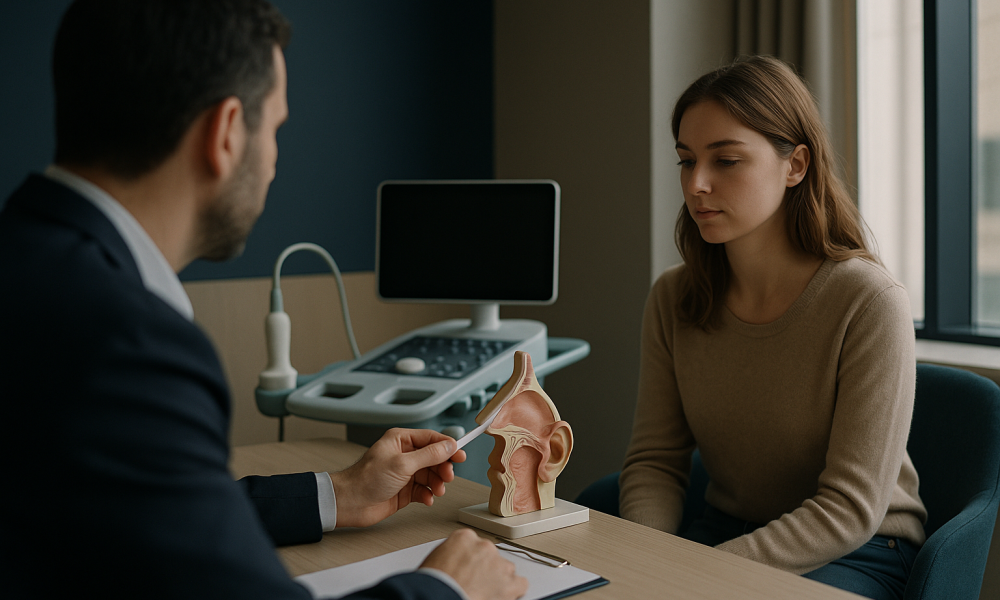
Before proceeding, a detailed consultation with a qualified surgeon is essential. This will typically involve a thorough examination of your nasal structure, discussion of your goals, and review of your medical history. The surgeon may also use imaging software to simulate potential results, helping to ensure that your expectations align with what is surgically achievable.
Ultimately, the decision to undergo ultrasonic rhinoplasty should be made with careful consideration and professional guidance, ensuring that it aligns with your health, aesthetic goals, and lifestyle.
The procedure, step by step
Ultrasonic rhinoplasty is a modern approach to nose reshaping that utilises advanced technology to enhance precision and reduce trauma. This procedure is increasingly popular among international patients, including those from the United States, seeking aesthetic or functional improvements. Here is a detailed step-by-step overview of what the procedure entails:
- Pre-operative Consultation: Prior to the surgery, a thorough consultation is conducted. During this session, the surgeon evaluates the patient’s nasal structure using imaging techniques and discusses the desired outcomes. This step ensures the patient has realistic expectations and is a suitable candidate for ultrasonic rhinoplasty.
- Anaesthesia: On the day of the surgery, the patient is administered either general anaesthesia or local anaesthesia with sedation, depending on the complexity of the procedure and the patient’s preference. This ensures the patient remains comfortable and pain-free throughout the operation.
- Incision: The surgeon makes precise incisions inside the nostrils (closed rhinoplasty) or across the columella (open rhinoplasty). The choice of approach depends on the specific corrections required and the surgeon’s technique.
- Ultrasonic Instrumentation: The core of the procedure involves the use of an ultrasonic device, which emits high-frequency sound waves to reshape the nasal bones and cartilage. This tool allows for greater precision and control, minimising the risk of damage to surrounding tissues.
- Reshaping the Nose: The ultrasonic device is used to meticulously sculpt the nasal structure according to the pre-operative plan. Adjustments can include narrowing the nasal bridge, refining the tip, or correcting asymmetries. The device’s precision reduces the likelihood of post-operative irregularities.
- Closure: Once the desired shape is achieved, the incisions are carefully closed with sutures. If necessary, internal support structures such as splints may be placed to maintain stability during the initial healing phase.
- Immediate Post-operative Care: After the procedure, the patient is monitored in a recovery room. The clinical team checks vital signs and ensures the patient is comfortable as they awaken from anaesthesia. Initial swelling and bruising are common but typically less severe than with traditional rhinoplasty.
This step-by-step breakdown highlights the meticulous nature of ultrasonic rhinoplasty, emphasising its focus on precision and patient safety. Each phase of the procedure is designed to optimise outcomes while minimising discomfort and recovery time.
Recovery timeline
Recovering from ultrasonic rhinoplasty involves several stages, each with its own set of expectations and care requirements. Patients from the United States considering this procedure in Turkey should be prepared for the following recovery timeline:
| Period | What to Expect | Care Notes |
|---|---|---|
| Day 1 | Patients may experience mild discomfort, swelling, and bruising around the nose and eyes. Bleeding is minimal and typically controlled with gauze. | Rest is crucial. Keep the head elevated to reduce swelling. Follow medication guidelines provided by the surgeon. |
| Days 2-3 | Swelling may peak during this period. Bruising can become more pronounced but should begin to diminish gradually. | Avoid strenuous activities. Continue using cold compresses to manage swelling. Attend follow-up appointments if scheduled. |
| Week 1 | Most patients report a significant reduction in swelling and bruising. Breathing may still be affected due to internal swelling. | Sutures or external splints, if used, are typically removed by the end of the week. Maintain gentle nasal hygiene as instructed. |
| Weeks 2-4 | Noticeable improvements in appearance and comfort. Swelling continues to decrease, and nasal breathing improves. | Resume light activities but avoid contact sports. Follow up with your surgeon to monitor healing progress. |
| 1-3 Months | Subtle swelling may persist, but the nose begins to refine into its new shape. Patients often feel more confident about their appearance. | Continue to avoid activities that risk nasal injury. Adhere to any additional instructions from your surgeon regarding scar care. |
| 3-12 Months | Full results are typically visible by this stage. The nasal structure stabilises, revealing the final outcome of the surgery. | Regular check-ups with the surgeon ensure the healing process is on track. Long-term care involves sun protection and avoiding trauma to the nose. |
This recovery timeline provides a comprehensive overview of what patients can expect after undergoing ultrasonic rhinoplasty in Turkey. Following the surgeon’s advice and maintaining open communication is essential to ensure a smooth recovery process and optimal results.
What it costs: Turkey vs the United States
When considering ultrasonic rhinoplasty, understanding the financial implications is crucial. The cost of this advanced procedure can vary significantly between Turkey and the United States, largely influenced by factors such as the surgeon’s expertise, the clinic’s location, and what is included in the treatment package.
In the United States, ultrasonic rhinoplasty typically costs between $7,000 and $15,000. This range often covers the surgeon’s fees, anaesthesia, and facility costs, but additional expenses such as pre-operative consultations, post-operative care, and medications might not be included, potentially increasing the overall expenditure.
Conversely, in Turkey, the cost of ultrasonic rhinoplasty is generally more affordable, ranging from $2,500 to $5,000. This price often includes a comprehensive package covering not only the surgery itself but also additional services that enhance the overall experience for international patients. These packages typically encompass accommodation, airport transfers, and sometimes even meals, providing a more inclusive approach to medical tourism.
| Country | Indicative Cost Range | Typical Package Inclusions |
|---|---|---|
| United States | $7,000 – $15,000 | Surgeon’s fees, anaesthesia, facility costs |
| Turkey | $2,500 – $5,000 | Surgeon’s fees, anaesthesia, accommodation, airport transfers |
It is important to note that while the lower costs in Turkey are attractive, they do not necessarily imply a compromise in quality. Many Turkish clinics are internationally accredited and adhere to stringent healthcare standards, ensuring that patients receive care comparable to that in the United States. However, prospective patients should thoroughly research and verify the credentials of the clinics and surgeons to ensure they meet the highest standards of care.
Ultimately, choosing to undergo ultrasonic rhinoplasty in Turkey can offer substantial savings, especially when considering the comprehensive nature of the packages offered. Nevertheless, it is vital for patients to weigh all factors, including travel costs and post-operative care, to make an informed decision that aligns with their personal and financial circumstances.
Risks and how accredited providers manage them
Like any surgical procedure, ultrasonic rhinoplasty carries certain risks. These can include bleeding, infection, and anaesthesia-related complications. Additionally, specific to rhinoplasty, there is the potential for asymmetry, nasal obstruction, or dissatisfaction with aesthetic outcomes. Understanding these risks is essential for anyone considering this procedure.
Accredited providers in Turkey are well-equipped to manage these risks effectively. They follow rigorous protocols to minimise the likelihood of complications and enhance patient safety. Prior to surgery, comprehensive pre-operative assessments are conducted to evaluate the patient’s health status and identify any potential risk factors. This includes a detailed medical history review and necessary diagnostic tests.
During the procedure, the use of ultrasonic technology itself reduces some inherent risks associated with traditional rhinoplasty. The precision of ultrasonic devices allows for more accurate bone reshaping with less trauma to surrounding tissues, which can result in reduced swelling and faster recovery times. This technological advantage is a key reason many patients opt for ultrasonic rhinoplasty.
Post-operatively, accredited clinics in Turkey provide vigilant monitoring and follow-up care to ensure optimal healing and address any complications promptly. Patients are typically given detailed instructions on post-operative care, including advice on activity restrictions, medication regimens, and signs of potential complications to watch for.
Moreover, many clinics in Turkey offer follow-up consultations as part of their patient care packages. These sessions are designed to track the healing process, assess outcomes, and address any concerns the patient may have. This ongoing support is a crucial component of risk management, ensuring that any issues are identified and addressed early.
Despite the potential risks, it is important to highlight that ultrasonic rhinoplasty has a high satisfaction rate, particularly when performed by experienced and accredited surgeons. Patients should ensure that the clinic they choose is accredited by relevant international bodies, which indicates adherence to global standards of safety and quality. This accreditation is a testament to a provider’s commitment to patient safety and excellence in care.
In conclusion, while risks are inherent in any surgical procedure, choosing a reputable and accredited provider in Turkey can significantly mitigate these risks. By adhering to strict safety protocols and offering comprehensive pre- and post-operative care, these providers ensure that patients receive the highest standard of treatment with the best possible outcomes.
How to choose the right provider
Choosing the right provider for ultrasonic rhinoplasty in Turkey is critical to achieving a satisfactory outcome. Start by verifying the accreditation of the clinic or hospital. Look for institutions accredited by international bodies such as the Joint Commission International (JCI) or the European Foundation for Quality Management (EFQM). These accreditations ensure that the facility meets high standards in healthcare delivery and patient safety.
Next, consider the experience and qualifications of the surgeon. It is advisable to select a surgeon who specializes in rhinoplasty and has significant experience with ultrasonic techniques. Ask for their credentials and verify them with relevant medical boards, if possible. Surgeons should ideally be members of professional organizations such as the International Society of Aesthetic Plastic Surgery (ISAPS) or the Turkish Society of Plastic Reconstructive and Aesthetic Surgeons (TPRECD).
Aftercare is another crucial aspect to consider. A comprehensive aftercare plan should include post-operative consultations, follow-up appointments, and access to medical staff for any concerns. Ensure that the clinic provides clear instructions on what to expect during recovery and whom to contact in case of emergencies.
Be vigilant for red flags that may indicate a less reputable provider. Avoid clinics that offer significantly lower prices than the typical range of £2,500 to £4,000 for ultrasonic rhinoplasty. While cost is an important factor, it should not compromise quality and safety. Steer clear of providers that make unrealistic promises, guarantee specific outcomes, or lack transparency in their processes. Conduct thorough online research and read reviews from previous patients to gauge their experiences.
Planning your trip
Planning your trip for ultrasonic rhinoplasty in Turkey involves several key steps to ensure a smooth experience. Begin by establishing a timeline for your travel. Ideally, you should schedule your initial consultation at least three to four months before your intended surgery date. This allows ample time for any necessary preparations and adjustments.
Gather all necessary documents, including a valid passport and any required visas. U.S. citizens can typically travel to Turkey with an e-visa, which is easily obtainable online. Ensure that your passport is valid for at least six months beyond your planned departure date.
Plan for a stay of at least 7 to 10 days in Turkey. This duration allows for pre-surgery consultations, the procedure itself, and initial recovery. Most patients are advised to stay in the country for at least a week post-surgery to attend follow-up appointments and ensure there are no immediate complications.
Consider the logistics of your stay, such as accommodation and transportation. Many clinics offer packages that include hotel stays and airport transfers, which can simplify your planning process. If not, book accommodation close to the clinic to minimize travel during recovery.
Finally, arrange for follow-up care once you return home. Discuss with your provider in Turkey about how post-operative care will be managed from a distance. They should offer guidance on what to monitor and when to seek medical attention. It may also be beneficial to arrange a consultation with a local ENT specialist or plastic surgeon in the U.S. who can provide support if needed.
Frequently Asked Questions
How much does ultrasonic rhinoplasty typically cost in Turkey?
The typical cost of ultrasonic rhinoplasty in Turkey ranges from £2,500 to £4,000. This price often includes the surgery itself, anaesthesia, and hospital fees. However, additional costs may arise for pre-operative tests, post-operative care, and any unforeseen complications. It is advisable to request a detailed quote from your chosen provider to understand what is included and what may incur extra charges.
Is ultrasonic rhinoplasty safe?
Ultrasonic rhinoplasty is considered a safe procedure when performed by an experienced and qualified surgeon. It uses ultrasonic waves to precisely shape the nasal bones, reducing trauma to surrounding tissues and potentially leading to a faster recovery. However, as with any surgical procedure, there are inherent risks such as infection, bleeding, or adverse reactions to anaesthesia. Ensuring your procedure is conducted at an accredited facility can help mitigate these risks.
What should I look for in a rhinoplasty surgeon in Turkey?
When selecting a rhinoplasty surgeon in Turkey, consider their experience, qualifications, and specialization in ultrasonic techniques. Look for surgeons who are members of reputable professional organizations such as the International Society of Aesthetic Plastic Surgery (ISAPS). Verify their credentials and seek out patient reviews to gauge their reputation. A thorough pre-operative consultation should be conducted to discuss your goals and expectations.
How long will I need to stay in Turkey for my rhinoplasty?
Patients undergoing ultrasonic rhinoplasty typically need to stay in Turkey for about 7 to 10 days. This time frame allows for pre-operative consultations, the surgery itself, and initial recovery and follow-up appointments. Staying for this duration ensures that any immediate post-operative issues can be addressed by your surgeon before you return home.
What is the recovery process like after ultrasonic rhinoplasty?
Recovery from ultrasonic rhinoplasty generally involves less swelling and bruising compared to traditional techniques, thanks to the precision of ultrasonic tools. Most patients can expect to resume normal activities within two weeks, although full recovery may take several months. Your surgeon will provide specific aftercare instructions, including how to manage swelling and when to return for follow-up appointments.
Will I need any follow-up appointments after returning to the U.S.?
Yes, follow-up care is important after returning home from surgery. While your Turkish provider will offer guidance on what to monitor post-surgery, it is advisable to arrange a follow-up with a local ENT specialist or plastic surgeon. This ensures that any complications or concerns can be addressed promptly and appropriately.
Can I combine my rhinoplasty with a holiday in Turkey?
While Turkey offers many attractions for tourists, it is important to prioritise your recovery after surgery. It is advisable to plan sightseeing and other activities before your procedure. Post-surgery, you should focus on rest and attending follow-up appointments. Consult your surgeon for specific advice on when you can safely engage in more strenuous activities.
What are the common risks associated with ultrasonic rhinoplasty?
Common risks associated with ultrasonic rhinoplasty include infection, bleeding, and reactions to anaesthesia. As with any surgical procedure, there is also the possibility of unsatisfactory aesthetic results or the need for revision surgery. Choosing a qualified and experienced surgeon at an accredited facility can help minimise these risks. Discuss all potential risks and complications with your surgeon during the pre-operative consultation.
Are there any non-surgical alternatives to ultrasonic rhinoplasty?
Non-surgical rhinoplasty, often referred to as 'liquid rhinoplasty', involves the use of dermal fillers to temporarily alter the shape of the nose. This option is less invasive and offers immediate results with minimal downtime. However, it is not suitable for significant reshaping or functional corrections and is not a permanent solution. Discuss with your surgeon whether non-surgical options could meet your aesthetic goals.
How can I verify the accreditation of a Turkish medical facility?
To verify the accreditation of a Turkish medical facility, look for certifications from recognized international bodies such as the Joint Commission International (JCI) or the European Foundation for Quality Management (EFQM). You can often find this information on the facility's website or by contacting them directly. Additionally, checking reviews and testimonials from previous patients can provide insight into the facility's reputation and standards.
Is it necessary to have a consultation before travelling to Turkey for surgery?
Yes, having a pre-operative consultation is crucial before travelling for surgery. This can often be conducted virtually if in-person visits are not feasible. During the consultation, you will discuss your medical history, surgical goals, and any concerns with your surgeon. This step ensures that you are a suitable candidate for the procedure and helps set realistic expectations.
What factors can affect the cost of my rhinoplasty in Turkey?
Several factors can influence the cost of your rhinoplasty in Turkey. These include the surgeon's experience and reputation, the complexity of the procedure, the location and accreditation of the facility, and any additional services such as accommodation and transportation. It is important to obtain a comprehensive quote from your provider to understand the full scope of costs involved.