
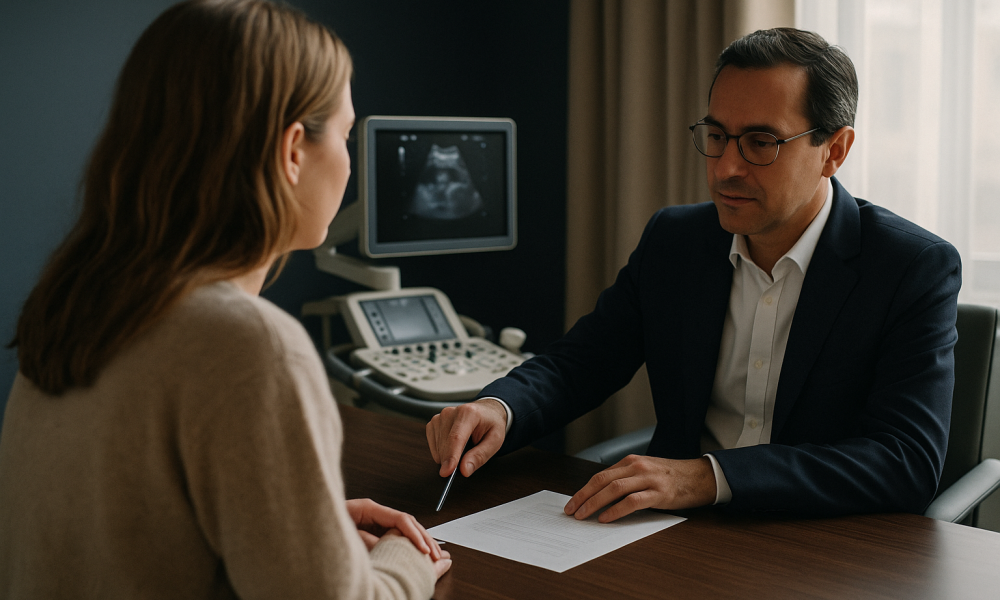
What Varicocele Surgery is and who it is for
Varicocele surgery, also known as varicocelectomy, is a procedure aimed at correcting varicoceles, which are enlarged veins within the scrotum. These veins, similar to varicose veins that can occur in the legs, can lead to discomfort, testicular atrophy, or fertility issues. The procedure is typically recommended when a varicocele causes pain, testicular shrinkage, or infertility, and when less invasive treatments have not been effective.
The surgery is performed by a urologist and can be done using different techniques, including open surgery, laparoscopic surgery, or microsurgery. The choice of technique depends on the patient’s specific condition and the surgeon’s expertise. In open surgery, an incision is made in the groin or lower abdomen to access the veins. Laparoscopic surgery involves small incisions through which a camera and instruments are inserted. Microsurgery uses a high-powered microscope for precision and is often associated with a lower risk of complications and quicker recovery.
Varicocele surgery is generally considered safe, with a success rate that is promising in terms of reducing pain and improving fertility. However, as with any surgical procedure, there are risks involved, including infection, hydrocele formation (fluid accumulation around the testicle), and injury to the testicular artery. Thus, a thorough consultation with a healthcare provider is essential to discuss these risks and benefits in detail.
Men considering this procedure are often between the ages of 15 and 35, as varicoceles are most commonly diagnosed during puberty. However, older men experiencing symptoms or fertility issues may also benefit from surgery. In Turkey, the combination of experienced surgeons and state-of-the-art facilities makes it a popular destination for international patients seeking quality care at competitive prices. The typical cost of varicocele surgery in Turkey ranges from €2,000 to €4,000, depending on the technique used and the healthcare facility.
Are you a good candidate?
Determining whether you are a good candidate for varicocele surgery involves a comprehensive evaluation by a qualified healthcare professional. The decision is based on a variety of factors, including the severity of your symptoms, your fertility plans, and overall health. If you are experiencing any of the following issues, you may be considered a suitable candidate for surgery:
- Persistent Pain: If you have significant pain or discomfort in the scrotum that affects your daily activities and does not respond to other treatments.
- Infertility: If you and your partner are facing difficulties conceiving, and a varicocele is identified as a potential cause.
- Testicular Atrophy: If there is noticeable shrinkage of the affected testicle, which could impact fertility and testicular function.
- Adolescent Concerns: For adolescents, surgery may be recommended if there is testicular growth impairment or significant pain.
- Failed Non-surgical Treatments: If non-surgical approaches such as pain management or lifestyle changes have not improved symptoms.
- Desire for Future Fertility: If you plan to have children in the future and the varicocele is likely to affect your fertility.
Before proceeding with surgery, a thorough medical assessment is essential. This typically includes a physical exam, an ultrasound of the scrotum to assess blood flow and varicocele size, and possibly a semen analysis to evaluate fertility potential. Your healthcare provider will also review your medical history and any medications you are currently taking to ensure there are no contraindications for surgery.
Overall, being a good candidate for varicocele surgery involves a balance of medical necessity, personal health goals, and an understanding of the risks and benefits involved. Consulting with a skilled urologist will provide you with the necessary information to make an informed decision about your treatment options in Turkey.
The procedure, step by step
Varicocele surgery, also known as varicocelectomy, is a procedure aimed at treating enlarged veins in the scrotum. In Turkey, this surgery is performed by highly skilled surgeons using advanced techniques. Here is a step-by-step guide to what you can expect during the procedure:
- Pre-operative preparation: Prior to the surgery, you will undergo a thorough medical examination and diagnostic tests such as scrotal ultrasound to confirm the diagnosis of varicocele. You may be advised to fast for a few hours before the procedure. The anaesthetist will discuss the type of anaesthesia to be used, which is commonly local or general anaesthesia depending on the case.
- Initial incision: Once anaesthesia is administered, the surgeon makes a small incision, typically in the lower abdomen or groin area. This incision is usually around 2-3 cm in length, which allows access to the affected veins.
- Vein identification: The surgeon carefully identifies and isolates the spermatic cord and the affected veins. This step is crucial as it involves differentiating between the veins that need to be tied off and those that must be preserved, such as arteries and lymphatics.
- Vein ligation: The identified varicose veins are then tied off and cut. This process is done meticulously to prevent blood flow through these veins, thus alleviating the pooling of blood that causes varicocele. The surgeon ensures that collateral circulation remains intact to maintain proper blood flow.
- Closure: After the veins are ligated, the incision is closed using sutures. The type of sutures used can vary, but often absorbable sutures are preferred to eliminate the need for removal later. The area is then cleaned and dressed to prevent infection.
- Post-operative care: Once the procedure is completed, you will be taken to a recovery area where medical staff will monitor your vital signs as you wake from anaesthesia. Pain management and instructions for home care will be provided before discharge.
This procedure typically takes about 45 minutes to 1 hour, and most patients can return home the same day. However, hospital protocols may vary, and an overnight stay could be recommended in some cases.
Recovery timeline
The recovery process following varicocele surgery in Turkey is generally straightforward but requires careful attention to post-operative care. Below is a detailed timeline of what to expect during recovery:
| Period | What to expect | Care notes |
|---|---|---|
| Day 1 | Mild pain and swelling at the incision site are common. You may feel drowsy from the anaesthesia. | Rest is essential. Use prescribed pain relief as needed. Keep the incision area clean and dry. |
| Days 2-3 | Bruising and discomfort may persist. Gradual improvement in mobility. | Avoid strenuous activity. Wear supportive underwear to minimise discomfort. |
| Week 1 | Noticeable reduction in swelling and pain. Stitches are typically dissolving. | Continue to monitor the incision site for signs of infection. Follow-up with your surgeon if advised. |
| Weeks 2-3 | Most patients experience significant improvement. Normal activities can be resumed with caution. | Avoid heavy lifting and excessive physical exertion. Maintain a balanced diet to aid healing. |
| 1 Month | Full resumption of daily activities with minimal discomfort. Scars begin to fade. | Regular exercise can be reintroduced gradually. Attend any scheduled post-operative check-ups. |
| 3 Months | Complete recovery is typically achieved. Any residual discomfort should be minimal. | Consult your doctor if any unusual symptoms persist. Continue a healthy lifestyle to support overall well-being. |
It is important to adhere to your surgeon’s advice throughout the recovery period to ensure optimal healing and to mitigate any potential complications.
What it costs: Turkey vs Australia
Understanding the financial aspects of varicocele surgery is crucial for prospective international patients. Turkey is known for its cost-effective medical treatments, and varicocele surgery is no exception. The cost of surgery can vary based on several factors, including the type of procedure, hospital facilities, and the surgeon’s expertise. Below, we provide a comparative overview of indicative price ranges for varicocele surgery in Turkey and Australia.
| Country | Indicative Price Range (GBP) | Typical Inclusions |
|---|---|---|
| Turkey | £1,200 – £2,500 |
|
| Australia | £3,500 – £7,000 |
|
The above figures are indicative and meant to provide a general understanding of potential costs. It’s important to note that while Turkey offers competitive pricing, the quality of care remains high, with many hospitals accredited by international bodies. Packages in Turkey often include additional services such as airport transfers and accommodation arrangements, which can provide added convenience and comfort for international patients.
When considering surgery abroad, it’s essential to factor in travel and accommodation expenses, which will vary depending on the season and location. However, even with these costs, many find that the total expenditure in Turkey is still more affordable compared to undergoing the procedure in Australia.
Risks and how accredited providers manage them
Like any surgical procedure, varicocele surgery carries certain risks. These can include infection, bleeding, hydrocele formation (fluid accumulation around the testicle), recurrence of the varicocele, and, in rare cases, injury to the testicular artery. Understanding these risks is crucial for making an informed decision.
Accredited healthcare providers in Turkey are well-equipped to manage these risks through stringent protocols and standards. Many hospitals in Turkey are accredited by international bodies such as the Joint Commission International (JCI), ensuring that they adhere to global standards of patient care and safety.
Pre-operative measures include thorough patient evaluations to assess individual risks and tailor the surgical approach accordingly. Patients are typically required to undergo blood tests, imaging studies, and a comprehensive health assessment to ensure they are fit for surgery. This preparatory phase helps in identifying any underlying conditions that may increase surgical risks.
During the surgery, experienced surgeons use advanced techniques to minimise complications. For instance, microsurgical approaches, which involve the use of high-powered microscopes, are often employed to increase precision and reduce damage to surrounding tissues. This method has been shown to lower the risk of complications such as hydrocele formation and recurrence.
Post-operative care is another critical aspect of risk management. Accredited providers in Turkey typically offer meticulous post-operative protocols, including regular follow-up appointments to monitor recovery and address any concerns promptly. Patients are advised on signs of potential complications and given clear instructions on wound care and activity restrictions to support optimal healing.
Furthermore, the presence of multilingual medical staff and access to interpreter services ensure that international patients can communicate effectively with their healthcare team. This communication is vital for addressing any issues that may arise and for providing reassurance throughout the treatment process. By maintaining high standards of care and communication, accredited providers in Turkey effectively manage the risks associated with varicocele surgery, offering patients peace of mind.
How to choose the right provider
Choosing the right provider for varicocele surgery in Turkey is a crucial step in ensuring a safe and effective treatment experience. Key factors to consider include accreditation, surgeon experience, aftercare services, and potential red flags.
Accreditation: Look for hospitals and clinics accredited by internationally recognised bodies such as the Joint Commission International (JCI) or the International Organization for Standardization (ISO). Accreditation signifies that the facility meets high standards of medical care and patient safety.
Surgeon Experience: The expertise of your surgeon is paramount. Seek out surgeons who specialise in urological procedures, particularly those with substantial experience in varicocele surgeries. A surgeon with a track record of performing at least 50-100 varicocele surgeries annually can be considered experienced. Additionally, check for any affiliations with reputable medical societies, such as the European Association of Urology.
Aftercare: Comprehensive aftercare is essential for a smooth recovery. Enquire about the post-operative care protocols, including pain management, follow-up appointments, and emergency contact options. Some facilities offer telemedicine consultations, which can be beneficial if you return home before completing your recovery.
Red Flags: Be wary of clinics that make unrealistic promises, such as guaranteed outcomes or extremely low prices far below the typical range of £2,000-£4,000. Ensure clear communication is possible, with staff fluent in English. Lack of transparency in costs, vague answers to procedural questions, or pressure to make quick decisions should also raise concerns.
By carefully evaluating these factors, you can make an informed choice that prioritises your health and well-being.
Planning your trip
Planning your medical trip to Turkey for varicocele surgery involves several important steps to ensure a smooth and stress-free experience. Key considerations include your timeline before travel, necessary documents, length of stay, and follow-up arrangements at home.
Timeline Before Travel: Begin planning at least 2-3 months in advance. This allows ample time to research providers, book consultations, and arrange travel logistics. Once a provider is selected, schedule a pre-operative consultation, which can often be done via video call.
Documents: Ensure your passport is valid for at least six months beyond your planned departure date. Obtain any necessary visas; Australian citizens can typically apply for an e-Visa online. Additionally, gather medical records, including previous imaging and test results, to share with your chosen provider. Having a comprehensive medical history will facilitate a tailored treatment plan.
Length of Stay: Plan to stay in Turkey for about 7-10 days. This duration generally covers the surgery, initial recovery, and follow-up consultations. Most varicocele surgeries are outpatient procedures, allowing discharge within 24 hours, but staying longer helps ensure you are well-recovered before flying home.
Follow-up at Home: Before departing Turkey, establish a follow-up care plan with your provider. This may include remote consultations or referrals to a local urologist for continued monitoring. Ensure you understand the signs of potential complications, such as infection or increased pain, and have contact information for your Turkish surgeon in case questions arise.
By meticulously planning each step of your journey, you can focus on your recovery and return home with peace of mind.
Frequently Asked Questions
What is the typical cost of varicocele surgery in Turkey?
The cost of varicocele surgery in Turkey typically ranges from £2,000 to £4,000. This range varies depending on the facility, the surgeon’s experience, and the specifics of the procedure. It's important to confirm what is included in the quoted price, such as pre-operative consultations, surgery fees, and post-operative care.
Are there any risks associated with varicocele surgery?
Like any surgical procedure, varicocele surgery carries some risks. These can include infection, bleeding, or recurrence of the varicocele. However, these risks are generally low, especially when the surgery is performed by an experienced urologist in an accredited facility. Discussing potential risks with your surgeon can provide a clearer understanding of what to expect.
How do I verify the accreditation of a Turkish hospital?
You can verify the accreditation of a Turkish hospital by checking for certifications from international bodies such as the Joint Commission International (JCI) or the International Organization for Standardization (ISO). These accreditations can often be confirmed through the hospital’s website or by contacting the accrediting body directly for assurance.
What should I include in my medical travel checklist?
Your medical travel checklist should include a valid passport, any necessary visas, personal identification, medical records, travel insurance, and contact information for your healthcare provider in Turkey. Additionally, pack any prescribed medications, comfortable clothing for your recovery, and a list of emergency contacts.
How soon can I fly after varicocele surgery?
It is generally advisable to wait at least 5-7 days after varicocele surgery before flying. This allows time for initial recovery and reduces the risk of complications such as deep vein thrombosis. Always consult with your surgeon for personalised advice based on your recovery progress.
What type of aftercare is typically offered post-surgery?
Aftercare following varicocele surgery often includes pain management, follow-up consultations, and instructions on wound care. Many facilities offer telemedicine services for remote follow-up, which can be particularly beneficial for international patients. Ensure you have a clear aftercare plan before leaving the hospital.
Can I use my Australian health insurance for surgery in Turkey?
Australian health insurance typically does not cover elective procedures performed overseas. However, you should check with your insurance provider to understand your specific policy details. Some international health insurance plans may offer coverage, or you might consider purchasing additional travel health insurance.
What language support is available in Turkish hospitals?
Many Turkish hospitals catering to international patients provide language support services, including English-speaking staff and translators. It is advisable to confirm the availability of these services with your chosen facility to ensure clear communication throughout your treatment process.
How do I arrange a pre-operative consultation from Australia?
Most Turkish healthcare providers offer the option of pre-operative consultations via video call for international patients. Contact your chosen provider to schedule a consultation, where you can discuss your medical history, treatment options, and any questions you may have about the procedure.
Is Turkey a safe destination for medical tourism?
Turkey is considered a safe destination for medical tourism, with many facilities meeting international standards. However, as with any travel, it's important to stay informed about local conditions and follow common safety practices. Consulting government travel advisories and registering with your country’s embassy can enhance your safety.
What happens if I experience complications after returning home?
If you experience complications after returning home, it is crucial to seek immediate medical attention from a local healthcare provider. Maintain communication with your Turkish surgeon for advice and possible remote follow-up. Having a local urologist for ongoing care can be beneficial for managing any post-operative issues.
How do I know if I am a good candidate for varicocele surgery?
A good candidate for varicocele surgery typically includes those experiencing pain, infertility issues, or testicular atrophy due to a varicocele. A thorough assessment by a urologist, which includes physical examination and possibly imaging tests, is essential to determine if surgery is the appropriate treatment.