
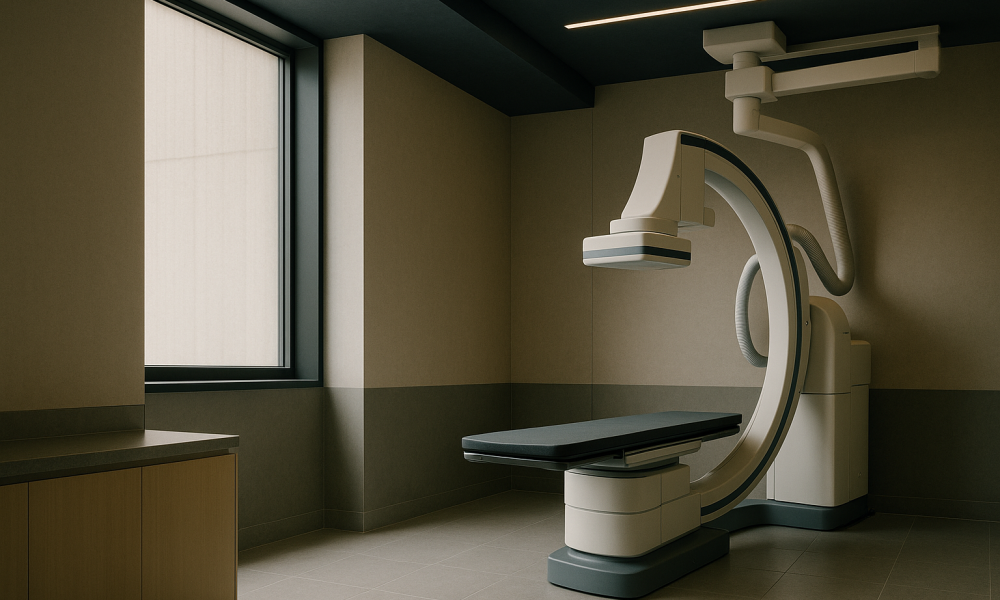
The Process: Brain Aneurysm Treatment Abroad in Turkey, step by step
- Enquiry: The journey begins with an enquiry through our platform, where patients provide initial medical information and specific concerns about their condition. This step is crucial for understanding the patient’s needs and guiding them towards the most suitable treatment options available in Turkey.
- Assessment: A comprehensive assessment follows, conducted by experienced neurosurgeons and medical coordinators. Patients are asked to submit detailed medical records, including imaging studies like CT or MRI scans. This information allows Turkish specialists to evaluate the aneurysm’s size, location, and complexity, determining the best treatment approach.
- Travel: Once the assessment is complete and a treatment plan is agreed upon, patients receive assistance in planning their trip to Turkey. This includes help with visa arrangements, accommodation, and transportation. Patients are advised on the best times to travel and what to expect upon arrival, ensuring a smooth transition into the treatment phase.
- Treatment Days: Upon arrival in Turkey, patients have a pre-surgical consultation with their medical team to discuss the procedure in detail. Brain aneurysm treatments typically involve either endovascular coiling or surgical clipping, depending on the aneurysm’s characteristics. The procedure is performed under general anaesthesia, with a team of specialists ensuring the highest standards of care and safety.
- Discharge: After the procedure, patients are monitored in the hospital’s intensive care unit for a short period before being transferred to a regular ward. The hospital stay generally lasts between 3 to 7 days, during which patients receive post-operative care and are monitored for any complications. Discharge planning includes detailed instructions on recovery and follow-up care.
- Follow-up: Post-discharge, patients are provided with a comprehensive follow-up plan. This may include regular check-ups via telemedicine or local healthcare providers. Turkish medical teams maintain communication to monitor recovery progress and address any concerns, ensuring patients achieve optimal outcomes.
What Brain Aneurysm Treatment Abroad is and who it is for
Brain aneurysm treatment abroad, particularly in Turkey, is designed for patients who have been diagnosed with a cerebral aneurysm and are seeking specialised medical care outside their home country. An aneurysm is a bulging, weakened area in the wall of an artery in the brain, which can lead to serious health risks if it ruptures. Treatment abroad offers access to advanced technology and expertise that may not be available locally.
Turkey has emerged as a preferred destination for brain aneurysm treatments due to its state-of-the-art medical facilities, skilled neurosurgeons, and cost-effective healthcare solutions. The country’s healthcare institutions are equipped with cutting-edge technology for diagnosing and treating complex neurological conditions, making it an attractive option for international patients.
Typically, patients suitable for this treatment are those who have been diagnosed with an unruptured or ruptured brain aneurysm and require either endovascular coiling or surgical clipping. Endovascular coiling involves inserting a catheter through the blood vessels to reach the aneurysm and fill it with coils to prevent blood flow, while surgical clipping involves placing a clip at the base of the aneurysm to isolate it from the blood circulation.
This treatment is especially beneficial for individuals who are looking for high-quality care at a more affordable cost compared to Western countries. Additionally, patients who seek shorter waiting times for treatment and a personalised patient experience often consider Turkey as a viable option.
Ultimately, brain aneurysm treatment abroad in Turkey is for those who value access to internationally accredited hospitals, experienced medical professionals, and comprehensive care packages that include pre-treatment assessments, surgical interventions, and post-operative follow-up. It is an option that provides peace of mind by ensuring that patients receive the necessary attention and expertise for a successful treatment outcome.
Are you a candidate? Criteria and preparation
Determining candidacy for brain aneurysm treatment involves a comprehensive evaluation of your individual medical condition, the characteristics of the aneurysm, and your overall health status. Here are some of the primary criteria that healthcare providers in Turkey may consider:
- Size and Location of the Aneurysm: Aneurysms are evaluated based on their size and location within the brain. Larger aneurysms or those located in critical areas might necessitate more urgent intervention.
- Symptoms: If you are experiencing symptoms such as headaches, vision disturbances, or neurological deficits, this might indicate a need for immediate treatment.
- Age and General Health: Younger, healthier patients may be better candidates for certain procedures. However, age alone is not a disqualifier; general health and ability to withstand surgery are crucial.
- Medical History: A history of previous aneurysms, family history, or conditions such as hypertension or connective tissue disorders can influence treatment decisions.
- Risk Assessment: Evaluating the risk of rupture based on the aneurysm’s characteristics and your overall risk profile is essential.
Before proceeding with treatment, preparation involves several steps to ensure both safety and efficacy. Here’s a checklist to guide you:
- Complete a thorough medical evaluation, including imaging tests like CT scans or MRIs, to assess the aneurysm’s specifics.
- Discuss all available treatment options with your healthcare provider, understanding the risks and benefits of each.
- Ensure that any chronic medical conditions, like hypertension or diabetes, are well-managed.
- Discuss any medications you are currently taking, as some may need to be adjusted or stopped before treatment.
- Prepare for potential post-treatment recovery needs, including arranging for assistance at home and understanding the rehabilitation process.
- Review and complete all necessary travel arrangements, including accommodations and transportation in Turkey.
- Gather and organize all medical records and documentation required for your treatment abroad.
- Consult with your insurance provider regarding coverage for medical tourism and any necessary pre-approvals.
By carefully evaluating candidacy and preparing thoroughly, patients can optimize their treatment outcomes and ensure a smoother experience when seeking brain aneurysm treatment in Turkey.
Techniques and options available in Turkey
Turkey offers a wide range of advanced techniques for the treatment of brain aneurysms, conducted by highly skilled specialists in state-of-the-art medical facilities. The choice of technique is influenced by the aneurysm’s characteristics and the patient’s overall health. Here are some of the primary treatment options available:
- Endovascular Coiling: This minimally invasive procedure involves threading a catheter through the blood vessels to the aneurysm site, where tiny coils are deployed to induce clotting and prevent rupture. It is particularly suited for aneurysms that are difficult to access surgically.
- Surgical Clipping: A more traditional approach, surgical clipping involves placing a metal clip at the base of the aneurysm to isolate it from normal blood circulation. This procedure requires a craniotomy and is often used for larger aneurysms or those in accessible locations.
- Flow Diversion Devices: These are stent-like devices placed in the parent artery to divert blood flow away from the aneurysm, promoting healing. Flow diverters are especially useful for large or giant aneurysms.
- Stent-Assisted Coiling: This technique involves placing a stent in the blood vessel to provide support for the coiling process, ensuring the coils remain securely in place within the aneurysm.
- Balloon-Assisted Coiling: Similar to stent-assisted coiling, this technique uses a temporary balloon to support coil placement, particularly in wide-necked aneurysms.
In addition to these primary techniques, Turkey’s healthcare system is equipped with cutting-edge technology and facilities that support comprehensive care. This includes advanced imaging technologies for precise diagnosis and planning, as well as intensive care units designed to provide postoperative support and monitoring.
Patients benefit from a multidisciplinary approach, often involving neurosurgeons, interventional neuroradiologists, and anaesthesiologists working collaboratively to tailor the most effective treatment plan. Furthermore, Turkey’s healthcare providers emphasize patient education and post-treatment rehabilitation, ensuring that patients and their families are well-informed and supported throughout the treatment journey.
It’s important to note that while Turkey offers high-quality medical services at competitive prices, patients should always consult with their healthcare providers to determine the most appropriate treatment plan, considering both medical and personal factors. Indicative cost ranges for these procedures can vary, and patients are encouraged to discuss pricing and financing options during the consultation phase.
Recovery and aftercare timeline
Recovery from brain aneurysm treatment is a critical phase that requires attention to detail and adherence to medical guidance. The recovery timeline can vary significantly based on the treatment method employed, whether surgical clipping or endovascular coiling. Below is a comprehensive timeline outlining the recovery phases, expected patient experiences, and care recommendations.
| Period | What to expect | Care notes |
|---|---|---|
| Day 1 – 3 | Initial recovery in the hospital. Patients may experience headaches, fatigue, and mild confusion. Close monitoring for neurological changes is essential. | Patients should rest in a calm environment. Medical staff will conduct regular neurological assessments. Pain management plans are implemented as needed. |
| Week 1 – 2 | Gradual reduction in acute symptoms. Patients may begin light physical activities and cognitive exercises under supervision. | Regular follow-up appointments are vital. Healthcare providers may adjust medication dosages. Family support is crucial during this phase. |
| Week 3 – 4 | Increased mobility and cognitive clarity. Patients may start resuming daily activities with some restrictions. | Rehabilitation programs, including physical and occupational therapy, are typically initiated. Patients are advised to avoid strenuous activities. |
| Month 2 – 3 | Majority of symptoms should subside. Continued improvement in physical and mental functions. | Continued participation in rehabilitation is recommended. Regular check-ins with healthcare providers ensure recovery is on track. |
| Month 4 – 6 | Recovery stabilizes. Patients often return to work and normal routines, albeit with some lifestyle modifications. | Patients should maintain a healthy lifestyle, including a balanced diet and regular exercise. Ongoing medical reviews ensure long-term health. |
Throughout the recovery process, it is crucial for patients to adhere to prescribed medications and attend all scheduled follow-up appointments. Emotional and psychological support is also important, as recovery can be a challenging period for both patients and their families.
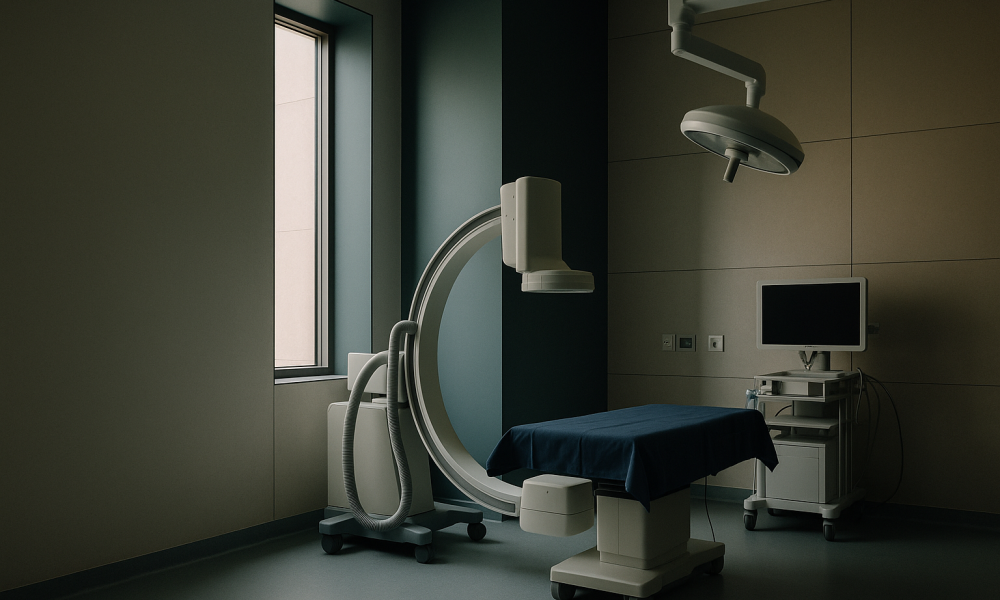
Risks, safety and how accredited Turkish providers manage them
Brain aneurysm treatment, while generally safe, carries certain risks that patients must be aware of. These include potential complications such as infection, bleeding, or adverse reactions to anesthesia. Specific risks associated with surgical clipping include the possibility of stroke or damage to surrounding brain tissue. Endovascular coiling, on the other hand, may present risks like coil migration or incomplete aneurysm occlusion.
Accredited Turkish medical providers take comprehensive measures to manage these risks effectively. Turkey’s healthcare system is renowned for its high standards and adherence to international protocols, ensuring patient safety is a top priority. Providers employ state-of-the-art technology and advanced imaging techniques to enhance procedural accuracy and minimize risks.
Prior to any treatment, a thorough preoperative assessment is conducted. This includes detailed imaging studies such as CT scans, MRIs, or angiograms to understand the aneurysm’s characteristics. Patients undergo comprehensive health evaluations to identify any underlying conditions that may impact treatment outcomes.
During the procedure, experienced neurosurgeons and interventional radiologists utilize cutting-edge equipment to ensure precision. Intraoperative monitoring is employed to track vital signs and neurological status, reducing the likelihood of complications. Moreover, strict aseptic techniques are practiced to prevent infections.
After treatment, Turkish healthcare providers implement robust aftercare protocols. Patients are closely monitored in the immediate postoperative period, often in specialized neuro-intensive care units. This allows for prompt identification and management of any emerging complications. Regular postoperative imaging studies are conducted to evaluate the success of the treatment and detect any recurrence early.
Accreditation by international bodies like JCI (Joint Commission International) is a hallmark of quality and safety in Turkish hospitals. Such accreditation reflects a commitment to continuous improvement and adherence to global healthcare standards. Patients can be assured that accredited providers maintain rigorous safety procedures and quality control measures.
In summary, while brain aneurysm treatment involves inherent risks, Turkish healthcare providers are well-equipped to manage them effectively. Their commitment to safety, combined with advanced medical technologies and experienced professionals, assures international patients of receiving high-quality care. Patients are encouraged to engage openly with their healthcare team, ask questions, and express any concerns to ensure a transparent and informed treatment journey.
Choosing the right provider in Turkey
When considering brain aneurysm treatment in Turkey, selecting the right healthcare provider is crucial for ensuring a successful outcome and a positive patient experience. Turkey is home to numerous well-regarded medical facilities, but it’s essential to carefully evaluate each option based on a set of critical criteria.
Accreditation: Accreditation is a key factor in determining the quality of a healthcare facility. Look for hospitals that are accredited by internationally recognized organizations such as the Joint Commission International (JCI). JCI accreditation indicates that the hospital meets high standards of patient care and safety. Additionally, some Turkish hospitals may hold accreditations from local bodies that also ensure compliance with rigorous medical standards.
Surgeon Experience: The expertise of the surgical team is paramount in brain aneurysm treatments. Research the qualifications and experience of the neurosurgeons, focusing on those who specialize in cerebrovascular procedures. Surgeons with extensive experience in treating brain aneurysms are more likely to handle complex cases effectively. Consider their track record, the number of procedures performed, and any additional training they may have undergone in leading international institutions.
Red Flags: Be vigilant about red flags when choosing a provider. These include a lack of transparency regarding qualifications and success rates, unusually low prices that may indicate compromised quality, and limited information about post-operative care. A reputable provider will offer clear information about their services, provide patient testimonials, and maintain open communication channels.
Additionally, ensure that the facility offers comprehensive pre- and post-operative care, including thorough diagnostic evaluations and follow-up consultations. The availability of multi-disciplinary teams, including neurologists, radiologists, and specialized nursing staff, is also an indicator of quality care. By carefully assessing these factors, patients can make informed decisions and choose a provider that aligns with their medical needs and expectations.
Brain Aneurysm Treatment Abroad Cost in Turkey
The cost of brain aneurysm treatment in Turkey is significantly lower than in many Western countries, making it an attractive option for international patients. However, understanding the cost structure is essential for making informed decisions.
| Country | Indicative Price Range (USD) |
|---|---|
| Turkey | $15,000 – $30,000 |
| United Kingdom | $40,000 – $80,000 |
| United States | $50,000 – $150,000 |
| Germany | $35,000 – $70,000 |
| Australia | $45,000 – $90,000 |
| Canada | $40,000 – $85,000 |
What All-Inclusive Packages Cover: Many clinics in Turkey offer all-inclusive packages that cover a wide range of services. These typically include pre-operative evaluations, the surgical procedure itself, hospital stay, post-operative care, and follow-up consultations. Some packages may also offer additional services such as airport transfers, accommodation, and translation services. It’s important to confirm what is included in the package to avoid unexpected costs.
Factors Influencing Cost: Several factors can influence the overall cost of treatment. These include the complexity of the aneurysm, the type of procedure (e.g., endovascular coiling vs. surgical clipping), the length of the hospital stay, and the specific hospital or surgeon chosen. Additionally, the inclusion of rehabilitation services or extended follow-up care may affect the total price.
How to Read Quotes: When reviewing quotes, ensure they are detailed and itemized. A comprehensive quote should list all services included in the price and specify any potential additional costs. Look for transparency in pricing and be wary of quotes that seem excessively low, as these may indicate hidden charges or lower quality of care. It’s advisable to seek quotes from multiple providers to compare services and prices effectively.
Overall, while the cost of brain aneurysm treatment in Turkey is lower than in many Western countries, it’s essential to consider the quality of care and the comprehensiveness of the package offered. By understanding the cost structure and what it entails, patients can make well-informed decisions that align with their healthcare needs and financial circumstances.
Frequently Asked Questions
What is the typical cost of brain aneurysm treatment in Turkey?
The cost of brain aneurysm treatment in Turkey typically ranges from $15,000 to $30,000. This is significantly lower than in countries like the United States or the United Kingdom, where similar treatments can cost $40,000 to $150,000. Prices may vary based on the complexity of the procedure and the clinic chosen.
Are there all-inclusive packages for brain aneurysm treatment in Turkey?
Yes, many clinics in Turkey offer all-inclusive packages for brain aneurysm treatment. These packages often cover pre-operative assessments, the surgery itself, hospital stay, post-operative care, and follow-up visits. Some packages may also include transportation services and accommodation, which can be beneficial for international patients.
How safe is it to have brain aneurysm treatment in Turkey?
Brain aneurysm treatment in Turkey is generally safe, especially when performed in accredited hospitals with experienced surgeons. Many Turkish hospitals are internationally accredited and adhere to high standards of patient care. However, it's important to research and choose a reputable provider to ensure the best outcomes.
What factors influence the cost of treatment in Turkey?
Several factors can influence the cost of brain aneurysm treatment in Turkey, including the complexity of the aneurysm, the type of procedure required, the length of hospital stay, and the specific hospital or surgeon chosen. Additional services such as rehabilitation or extended follow-up care may also affect the overall cost.
What should I look for when choosing a hospital in Turkey for my treatment?
When choosing a hospital in Turkey for brain aneurysm treatment, look for international accreditation, such as JCI, and experienced neurosurgeons with a track record in cerebrovascular procedures. Ensure the hospital offers comprehensive pre- and post-operative care, and watch out for red flags like lack of transparency or unusually low prices.
How can I ensure quality care during my treatment abroad?
To ensure quality care during your treatment in Turkey, choose a hospital with international accreditation and experienced medical staff. Research the qualifications of the neurosurgeons and seek out patient testimonials. Ensure that the facility provides comprehensive care, including pre-operative assessments and post-operative follow-up.
Are there any additional costs I should be aware of when seeking treatment in Turkey?
In addition to the treatment cost, there may be additional expenses such as travel, accommodation, and personal expenses. Some all-inclusive packages cover these, but it's important to clarify what's included. Also, consider potential costs for extended stays or additional rehabilitation services if needed.
What is the recovery process like after brain aneurysm treatment?
Recovery after brain aneurysm treatment varies depending on the procedure and individual patient factors. Typically, patients stay in the hospital for a few days to a week. Full recovery can take several weeks to months, during which follow-up visits and rehabilitation may be necessary. It's crucial to follow the medical team's guidance for optimal recovery.
Can I combine my treatment with a holiday in Turkey?
While Turkey is a popular destination for medical tourism, combining treatment with a holiday depends on the nature of the procedure and recovery requirements. It's essential to prioritize health and recovery, and any travel plans should be discussed with your healthcare provider to ensure they don't interfere with medical care.
How long will I need to stay in Turkey for treatment?
The length of stay in Turkey for brain aneurysm treatment depends on the procedure and individual recovery. Typically, patients may need to stay for one to two weeks, including pre-operative assessments and post-operative recovery. It's advisable to confirm the expected duration with the treating hospital to plan accordingly.
Will language be a barrier during my treatment in Turkey?
Language is generally not a barrier for international patients in Turkey, as many hospitals catering to medical tourists have English-speaking staff and provide translation services. It's advisable to confirm the availability of language support services at your chosen facility to ensure effective communication.
How do I start the process of seeking treatment in Turkey?
To start the process of seeking brain aneurysm treatment in Turkey, begin by researching accredited hospitals and experienced neurosurgeons. Contact the chosen facilities for detailed information about their services, costs, and packages. It's also helpful to obtain multiple quotes and consult with your current healthcare provider before making a decision.