
The Process: Breast Reduction in Turkey, step by step
Embarking on a breast reduction journey in Turkey involves several carefully coordinated steps. Each phase is designed to ensure patient safety and satisfaction, from the initial enquiry to post-operative care.
- Enquiry: The process begins with an enquiry, where patients reach out to a clinic or medical tourism facilitator in Turkey. This initial contact typically involves providing basic personal and medical information to assess eligibility for the procedure.
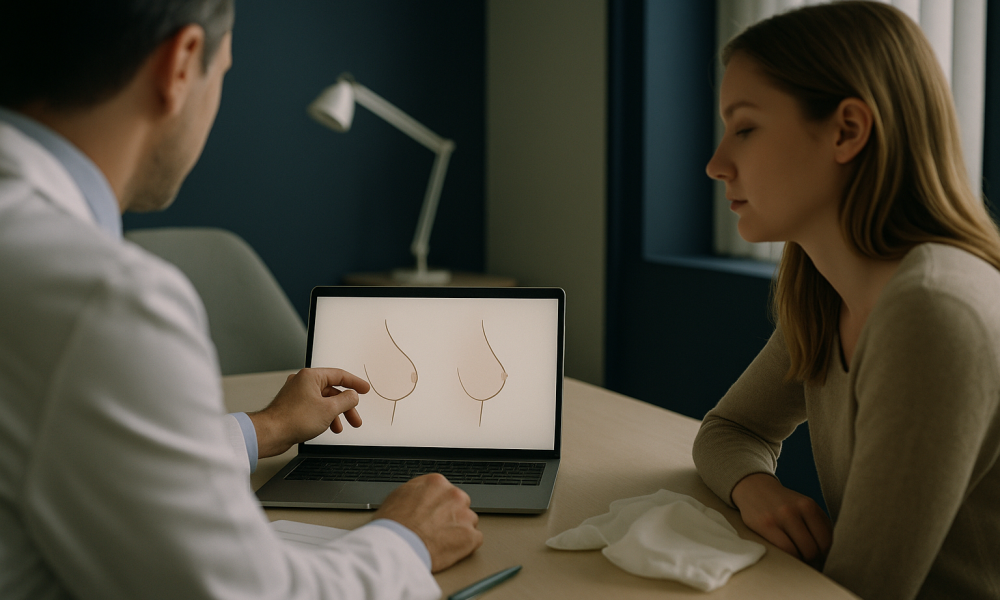
- Assessment: A comprehensive assessment follows, often involving virtual consultations with a board-certified plastic surgeon. During these consultations, patients can discuss their goals, medical history, and any concerns. The surgeon will explain the procedure, potential risks, and expected outcomes. At this stage, patients receive a personalized treatment plan and a detailed cost estimate.
- Travel: Once the treatment plan is agreed upon, patients arrange their travel to Turkey. Many clinics offer assistance with travel logistics, including visa support, airport transfers, and accommodation arrangements to ensure a seamless experience.
- Treatment Days: Upon arrival, patients undergo pre-operative evaluations, including physical examinations and any necessary tests. The breast reduction surgery is performed in a fully-equipped hospital under general anaesthesia. The procedure typically lasts 2 to 4 hours, during which excess breast tissue and skin are removed to achieve the desired breast size and shape.
- Discharge: After a short hospital stay of 1 to 2 days, patients are discharged with detailed aftercare instructions. These include guidance on wound care, pain management, and activity restrictions to promote optimal healing.
- Follow-up: Post-operative follow-up is crucial for monitoring recovery and addressing any concerns. Initial follow-up appointments are usually scheduled a few days after discharge, with additional check-ins over the following weeks and months. Many clinics offer virtual follow-up options to accommodate international patients.
What Breast Reduction is and who it is for
Breast reduction, also known as reduction mammaplasty, is a surgical procedure aimed at reducing the size and weight of large breasts. This operation is not only performed for aesthetic purposes but also to alleviate physical discomfort and improve quality of life. Women with overly large breasts may experience a range of issues, including back and neck pain, skin irritation, and difficulty engaging in physical activities. Breast reduction surgery addresses these concerns by removing excess breast tissue, fat, and skin, resulting in a breast size more proportionate to the patient’s body.
The ideal candidates for breast reduction are individuals who experience physical discomfort due to large breasts, have realistic expectations about the outcomes, and are in good general health. Candidates should also be non-smokers or willing to quit smoking before the surgery, as smoking can impede the healing process. It is important for potential patients to have fully developed breasts and to maintain a stable weight before considering the procedure.
Beyond physical relief, breast reduction can significantly enhance a person’s self-esteem and body image. Many patients report feeling more confident and comfortable in their clothing, with improved posture and a broader range of physical activities they can enjoy without discomfort. However, as with any surgical procedure, it is essential for patients to thoroughly discuss their goals and concerns with their surgeon to ensure that breast reduction is the right choice for them.
While breast reduction is primarily sought by women, it is also an option for men with gynecomastia, a condition characterized by enlarged male breast tissue. The procedure for men is similar in its goal to reduce breast size and improve chest contour, contributing to a more masculine appearance.
Ultimately, breast reduction is a highly personal decision that should be made with careful consideration and professional guidance. By choosing Turkey as their destination for this procedure, patients can benefit from the expertise of skilled surgeons, state-of-the-art medical facilities, and the added advantage of a cost-effective treatment plan.
Are you a candidate? Criteria and preparation
Determining candidacy for breast reduction surgery in Turkey involves a thorough evaluation of both physical and psychological factors. This procedure is generally recommended for individuals who experience discomfort or health issues due to excessively large breasts. Common symptoms include back, neck, and shoulder pain, skin irritation beneath the breast crease, and limitations in physical activities. Candidates typically seek this surgery to alleviate these symptoms and improve their quality of life.
Before proceeding, a consultation with a qualified surgeon is essential. During this consultation, the surgeon will assess your medical history, current health status, and specific concerns related to breast size. It is crucial to discuss any existing health conditions, medications, or allergies to ensure a safe surgical process. The surgeon will also evaluate the skin elasticity, breast composition, and overall body proportions to determine the most suitable surgical approach.
Psychological readiness is another important factor. Candidates should have realistic expectations and understand that while the surgery can significantly improve comfort and appearance, it may not achieve absolute perfection. Emotional stability and a positive outlook are important for a successful outcome.
Preparation for breast reduction surgery involves several steps to ensure optimal results and minimize risks. Here is a checklist to guide you through the preparation phase:
- Medical Evaluation: Undergo a comprehensive medical examination and obtain clearance from your healthcare provider.
- Mammogram: A preoperative mammogram may be required to rule out any underlying breast conditions.
- Medication Review: Discuss all medications, supplements, and herbal remedies with your surgeon. Certain substances may need to be discontinued prior to surgery.
- Smoking Cessation: If you smoke, it is advisable to quit several weeks before and after the surgery to promote healing.
- Weight Management: Aim to maintain a stable weight, as significant fluctuations can affect surgical outcomes.
- Plan for Recovery: Arrange for someone to assist you during the initial recovery period, as you may have limited mobility.
- Fasting Instructions: Follow any preoperative fasting instructions provided by your surgeon, typically starting the night before the procedure.
By adhering to these guidelines, you can enhance the likelihood of a successful surgery and recovery experience. It is imperative to communicate openly with your healthcare team and follow their instructions closely.
Techniques and options available in Turkey
Turkey offers a range of advanced techniques for breast reduction surgery, each tailored to meet the specific needs of the patient. The choice of technique depends on several factors, including the degree of reduction desired, breast composition, and patient preferences. Surgeons in Turkey are well-versed in the latest surgical methods, ensuring high standards of care and outcomes.
The most commonly employed technique is the anchor or inverted T incision. This method is suitable for patients requiring significant tissue removal and reshaping. It involves three incisions: one around the areola, a vertical incision from the areola to the breast crease, and a horizontal incision along the breast fold. This technique allows for maximum removal of excess tissue and skin, providing a more proportionate breast size and shape.
Another popular option is the vertical or lollipop incision. This approach is less invasive than the anchor method and is ideal for moderate reductions. It involves two incisions: one around the areola and a vertical incision extending downward. The vertical technique results in less scarring and a shorter recovery period while still achieving significant reshaping.
For patients with minimal reduction needs, the periareolar or donut incision technique may be considered. This involves a single circular incision around the areola, allowing for limited tissue removal and nipple repositioning. This method offers the advantage of minimal scarring and is generally reserved for cases where only minor adjustments are necessary.
In addition to these traditional techniques, some clinics in Turkey offer liposuction-assisted breast reduction. This method is particularly beneficial for patients whose primary concern is excess fatty tissue rather than glandular tissue. Liposuction can be used alone or in conjunction with other techniques to achieve the desired results with minimal scarring.
The incorporation of advanced technologies such as laser or ultrasound-assisted liposuction further enhances the precision of the procedure. These technologies facilitate the removal of fat with greater accuracy and reduced trauma to surrounding tissues, promoting quicker recovery times.
When considering breast reduction surgery in Turkey, patients have the advantage of selecting from a variety of approaches that best suit their individual needs. Surgeons will conduct a thorough assessment to recommend the most appropriate technique based on the patient’s anatomy and goals. It is essential to have an open discussion with your surgeon to understand the benefits and limitations of each method, ensuring that you make an informed decision about your surgical journey.
Recovery and aftercare timeline
Undergoing breast reduction surgery is a significant step towards alleviating physical discomfort and achieving a more proportionate body contour. Understanding the recovery process and adhering to aftercare instructions are vital for optimal results and a smooth healing journey. Below is a comprehensive timeline outlining the recovery phases and necessary care following a breast reduction procedure in Turkey.
| Period | What to expect | Care notes |
|---|---|---|
| 1-3 Days Post-Surgery | Initial recovery involves swelling, bruising, and discomfort. Patients may experience tightness and sensitivity in the chest area. | Rest is crucial. Pain management through prescribed medication is recommended. Keep the surgical area clean and dry. Avoid any strenuous activities. |
| 1 Week Post-Surgery | Swelling and bruising begin to subside. Patients may feel more comfortable moving around. | Continue wearing a surgical bra to support healing. Attend the first follow-up appointment to monitor progress and address any concerns. |
| 2-3 Weeks Post-Surgery | Noticeable reduction in swelling. Some patients may resume light activities. | Avoid lifting heavy objects and follow any specific instructions given by your surgeon. Maintain a balanced diet to aid recovery. |
| 4-6 Weeks Post-Surgery | Most swelling and bruising should have resolved. Scars begin to mature and fade. | Gradually return to normal activities while avoiding high-impact sports. Continue wearing supportive garments as advised. |
| 3-6 Months Post-Surgery | Breast shape stabilizes. Any residual swelling should be minimal. | Scar care can include topical treatments or silicone sheets. Regular check-ups ensure healing is on track. |
| 1 Year Post-Surgery | Final results are typically visible. Scars continue to fade over time. | Maintain a healthy lifestyle to preserve results. Routine follow-ups are recommended to assess long-term outcomes. |
Each patient’s recovery experience is unique, and adherence to the surgeon’s specific guidelines is essential. Open communication with healthcare providers will facilitate a safe and effective healing process.

Risks, safety and how accredited Turkish providers manage them
Breast reduction surgery, like any surgical procedure, carries inherent risks. Understanding these risks and how they are managed is crucial for international patients considering surgery in Turkey. Accredited Turkish clinics prioritize patient safety through rigorous standards and protocols.
Common risks associated with breast reduction surgery include infection, bleeding, and adverse reactions to anaesthesia. Additionally, patients may experience changes in breast or nipple sensation, asymmetry, or issues with wound healing. While these complications are relatively rare, they are important considerations when planning for surgery.
Accredited providers in Turkey employ several strategies to mitigate these risks. Pre-operative assessments are thorough, including detailed medical histories and diagnostic tests to evaluate patient suitability for surgery. Surgeons are highly trained, often with international qualifications, and they adhere to stringent safety protocols during the procedure.
In terms of infection control, Turkish clinics maintain high standards of hygiene and sterilization. Operating theatres are equipped with advanced technology, and medical staff are trained in infection prevention measures. Post-operative care includes the prescription of antibiotics when necessary to further reduce the risk of infection.
To manage bleeding and facilitate proper healing, surgeons use meticulous surgical techniques. Drains may be placed temporarily to prevent fluid accumulation, and compression garments are provided to support the breasts and minimize swelling.
Patient education is a cornerstone of risk management. Accredited clinics ensure that patients are fully informed about the procedure, potential complications, and aftercare requirements. This includes detailed instructions on recognizing signs of complications and when to seek medical attention.
Accredited Turkish providers also have robust systems for post-operative follow-up. Regular check-ups allow for early detection and management of any issues, ensuring that patients receive timely interventions if necessary. These follow-ups can often be coordinated with local healthcare providers once the patient returns home.
Ultimately, while no surgical procedure is without risk, the comprehensive safety measures implemented by accredited clinics in Turkey provide a secure environment for international patients seeking breast reduction surgery. By choosing an accredited provider, patients can have confidence in the level of care and expertise they will receive.
Choosing the Right Provider in Turkey
When selecting a provider for breast reduction surgery in Turkey, several factors should be considered to ensure a safe and satisfactory outcome. Accreditation is a crucial indicator of a clinic’s commitment to maintaining high medical standards. Look for facilities accredited by international bodies such as the Joint Commission International (JCI) or the International Society for Quality in Health Care (ISQua). These accreditations demonstrate adherence to rigorous healthcare protocols and patient safety measures.
Surgeon experience is another essential factor. It is advisable to choose a surgeon who specializes in breast reduction and has a substantial track record of successful procedures. Research the surgeon’s qualifications, years of experience, and any additional certifications in cosmetic or plastic surgery. Patient reviews and before-and-after galleries are valuable resources for assessing the surgeon’s skill and aesthetic style.
Red flags to watch out for include clinics that offer significantly lower prices than the average market rate, as this may indicate compromised quality or hidden costs. Additionally, be wary of providers that pressure patients into making quick decisions or fail to provide comprehensive pre-operative consultations. Transparency in communication, particularly concerning potential risks and realistic outcomes, is a hallmark of a reputable provider.
Ensure that the clinic offers a thorough pre-operative assessment, including detailed discussions about your medical history, expectations, and any potential risks. Post-operative care is also crucial, and the clinic should provide a clear plan for follow-up visits and support in case of complications. By carefully evaluating these aspects, patients can make informed decisions and select a trustworthy provider for their breast reduction surgery in Turkey.
Breast Reduction Cost in Turkey
The cost of breast reduction surgery in Turkey is a significant factor attracting international patients, as it tends to be more affordable compared to many Western countries. Typically, the price for breast reduction in Turkey ranges from €2,500 to €4,500. In contrast, the same procedure can cost between €6,000 and €10,000 in the UK, €8,000 to €15,000 in the US, €7,000 to €12,000 in Germany, €8,000 to €14,000 in Australia, and €9,000 to €15,000 in Canada.
| Country | Indicative Price Range (€) |
|---|---|
| Turkey | €2,500 – €4,500 |
| UK | €6,000 – €10,000 |
| US | €8,000 – €15,000 |
| Germany | €7,000 – €12,000 |
| Australia | €8,000 – €14,000 |
| Canada | €9,000 – €15,000 |
All-inclusive packages in Turkey often cover a range of services, including pre-operative consultations, the surgical procedure, anaesthesia, medications, post-operative care, and accommodation during recovery. Some packages also provide airport transfers and a personal assistant for non-medical needs. It is essential to understand what is included in these packages, as additional costs may arise from extended hospital stays or unforeseen complications.
Factors influencing the price of breast reduction include the complexity of the procedure, the surgeon’s expertise, and the clinic’s location. More experienced surgeons or clinics in major cities may charge higher fees. Additionally, the type of anaesthesia used and the length of hospital stay can affect the overall cost.
When reviewing quotes from clinics, ensure clarity on what each cost component covers. Look for detailed breakdowns of surgical, anaesthetic, and hospital fees, and be cautious of vague or incomplete quotes. A thorough understanding of the pricing structure will help you avoid unexpected expenses and select a package that best suits your needs and budget.
Frequently Asked Questions
What is the typical cost of breast reduction surgery in Turkey?
The cost of breast reduction surgery in Turkey generally ranges from €2,500 to €4,500. This price is significantly lower compared to many Western countries, making Turkey an attractive option for those seeking affordable yet high-quality medical care. Costs may vary based on factors such as the surgeon's experience and the clinic's location.
What factors can affect the cost of breast reduction surgery?
Several factors can influence the cost of breast reduction surgery, including the complexity of the procedure, the surgeon's expertise, the clinic's reputation, and its location. Additional costs may arise from extended hospital stays, anaesthesia type, and post-operative care requirements. It's essential to review detailed quotes to understand what is included.
Is breast reduction surgery safe in Turkey?
Breast reduction surgery in Turkey is generally safe when performed by experienced, qualified surgeons at accredited facilities. It's important to choose a provider with a strong track record and international accreditation, such as JCI or ISQua, to ensure high standards of patient care and safety protocols are followed.
What should I look for in a breast reduction surgeon?
When selecting a breast reduction surgeon, consider their qualifications, years of experience, and specialization in cosmetic or plastic surgery. Review patient testimonials and before-and-after photos to evaluate their skill and aesthetic style. A reputable surgeon will offer comprehensive consultations and transparent communication about risks and outcomes.
How long is the recovery period after breast reduction surgery?
The recovery period varies but generally takes about 4 to 6 weeks. Patients typically return to work within 1 to 2 weeks, depending on the nature of their job. It's crucial to follow post-operative care instructions, attend follow-up appointments, and avoid strenuous activities during the recovery phase to ensure optimal healing.
Do I need to stay in Turkey after the surgery?
Yes, it is advisable to stay in Turkey for a short period after the surgery to allow for initial recovery and to attend follow-up appointments. The recommended stay is usually about 7 to 10 days, during which time post-operative care and monitoring will be provided by the clinic.
Are there any risks associated with breast reduction surgery?
As with any surgical procedure, breast reduction carries some risks, including infection, bleeding, scarring, and changes in nipple sensation. Choosing a qualified and experienced surgeon at an accredited clinic can help mitigate these risks. Discuss potential complications and preventive measures with your provider before proceeding.
What is included in an all-inclusive breast reduction package?
All-inclusive packages for breast reduction in Turkey typically cover pre-operative consultations, the surgical procedure, anaesthesia, medications, post-operative care, and accommodation during recovery. Some packages may also include airport transfers and personal assistance for non-medical needs. Always confirm the specifics with your provider.
Can breast reduction surgery affect breastfeeding?
Breast reduction surgery can potentially impact breastfeeding, depending on the surgical technique used. Some methods preserve the milk ducts and nipples, allowing for breastfeeding post-surgery, while others may impair milk production. Discuss your breastfeeding plans with your surgeon to choose the most suitable technique.
How do I prepare for breast reduction surgery?
Preparation involves several steps, including medical evaluations, adjusting current medications, and possibly stopping smoking. Your surgeon will provide specific instructions to follow before the surgery, such as dietary restrictions and avoiding certain medications. It's crucial to adhere to these guidelines to ensure a smooth procedure and recovery.
What should I expect during the initial consultation for breast reduction?
During the initial consultation, the surgeon will assess your medical history, discuss your expectations, and explain the procedure, including potential risks and outcomes. This is an opportunity to ask questions, review before-and-after photos, and understand the recovery process. A thorough consultation ensures you are well-informed and comfortable with your decision.
Will my insurance cover breast reduction surgery in Turkey?
Insurance coverage for breast reduction surgery varies depending on the policy and whether the procedure is deemed medically necessary. Some international patients may find that their insurance covers part of the costs if they can demonstrate health issues related to breast size. It's important to consult with your insurance provider to understand your coverage options.