
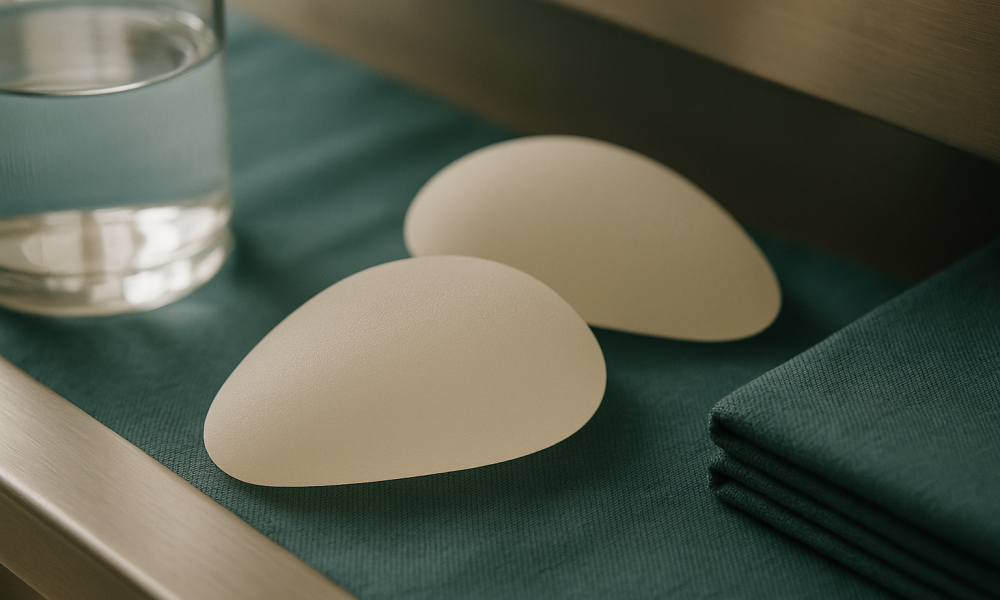
The Process: Calf Implants in Turkey, step by step
- Enquiry: The journey begins with an initial enquiry, where patients contact our dedicated team to express interest in calf implants. This can be done via our website, phone, or email. During this stage, patients are encouraged to provide detailed information about their medical history, expectations, and any specific concerns they may have regarding the procedure.
- Assessment: Upon receiving the enquiry, a detailed assessment is conducted. This involves a virtual consultation with one of our experienced cosmetic surgeons. The surgeon reviews the patient’s medical history, discusses their aesthetic goals, and evaluates whether they are a suitable candidate for calf implants. This stage is crucial for setting realistic expectations and ensuring the patient’s safety.
- Travel Arrangements: Once the patient is deemed suitable, travel arrangements are made. Our team assists with booking flights, accommodation, and transportation within Turkey. We ensure that the patient’s journey is seamless and stress-free, providing all necessary information and support throughout the planning process.
- Treatment Days: Upon arrival in Turkey, patients are welcomed by our team and taken to their accommodation. A pre-operative consultation is conducted at the clinic to finalize the surgical plan. The procedure itself is typically performed under general anaesthesia and takes about 1-2 hours. Patients are monitored closely during the immediate post-operative phase to ensure a smooth recovery.
- Discharge: After an overnight hospital stay, patients are usually discharged the following day. Detailed post-operative care instructions are provided, including guidelines on managing discomfort, wound care, and activity restrictions. Patients are advised to avoid strenuous activities and follow a gradual return to normal routines.
- Follow-up: Follow-up appointments are scheduled to monitor the patient’s recovery and ensure optimal results. These appointments can be conducted in person or virtually, depending on the patient’s location. Our team remains available for any questions or concerns, providing ongoing support as the patient transitions back to their daily life.
What Calf Implants is and who it is for
Calf implants are a cosmetic procedure designed to enhance the size and shape of the calves. This surgery is particularly popular among individuals who wish to achieve a more balanced or muscular appearance in their lower legs. The procedure involves the insertion of silicone implants into the calf area, which can be tailored to meet the specific aesthetic goals of the patient.
This treatment is suitable for both men and women who feel self-conscious about the size or shape of their calves. Candidates often include bodybuilders seeking increased muscle definition, individuals with congenital or injury-related asymmetries, or those who simply desire fuller calves for aesthetic reasons. It is important for candidates to be in good general health and to have realistic expectations about the outcomes of the surgery.
During the initial consultation, the surgeon will assess the patient’s overall health, discuss their goals, and determine the appropriate size and shape of the implants. The surgery is performed under general anaesthesia, and the implants are placed either subfascially or submuscularly, depending on the patient’s anatomy and desired result.
Calf implants can significantly boost a patient’s confidence and satisfaction with their body image. The results are typically immediate, although some swelling and bruising may occur in the initial weeks following surgery. With proper care and adherence to post-operative instructions, patients can expect a smooth recovery and long-lasting results.
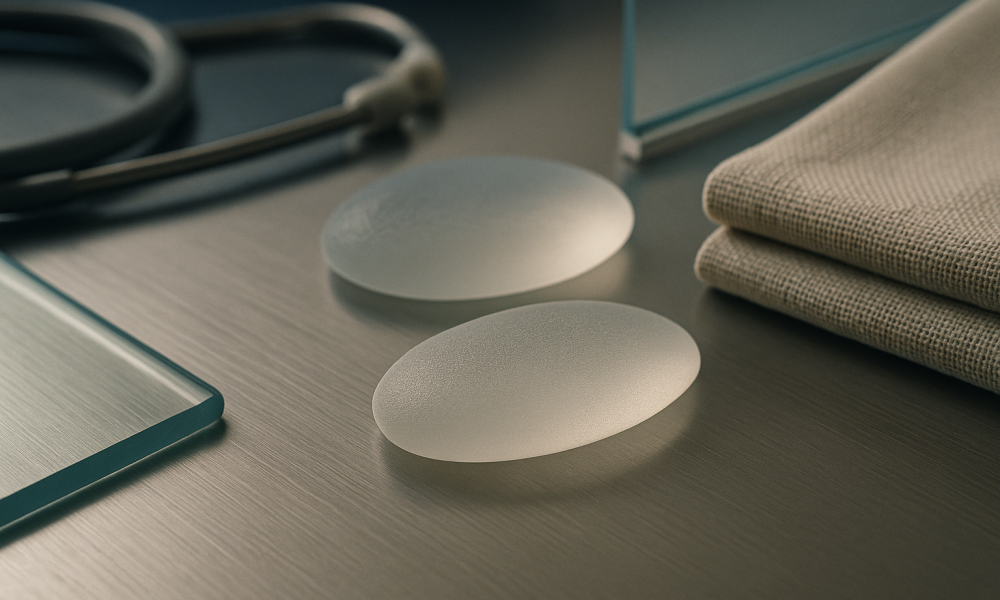
Are you a candidate? Criteria and preparation
Calf implant surgery, also known as calf augmentation, is a procedure aimed at enhancing the size and shape of the calves. It is essential to establish whether you are a suitable candidate for this surgery before proceeding. The ideal candidate is someone who is in good overall health, has realistic expectations, and is looking to improve the aesthetic appearance of their calves due to congenital or acquired conditions.
Potential candidates often include individuals who have underdeveloped calf muscles despite regular exercise, those with asymmetrical calves, or patients with medical conditions such as polio or clubfoot that have affected calf development. Additionally, bodybuilders seeking a more defined silhouette or individuals who have experienced muscle loss due to trauma may also consider this procedure.
Before undergoing calf implant surgery in Turkey, there are several criteria and preparatory steps that should be considered:
- Health Assessment: Candidates should be free of any chronic conditions that could impair healing, such as diabetes or autoimmune disorders. A thorough medical evaluation is necessary to ensure fitness for surgery.
- Realistic Expectations: Understanding the limitations and potential outcomes of calf implants is crucial. An open discussion with your surgeon about achievable goals is important to align expectations.
- Psychological Stability: Candidates should be psychologically stable and not undergoing major life stresses. Mental readiness can significantly affect recovery and satisfaction with the results.
- Non-Smoker: Smoking can impede healing and increase the risk of complications. Candidates are usually advised to quit smoking at least a few weeks prior to surgery.
- Stable Weight: Maintaining a stable weight is important to ensure the results of the surgery are not compromised by significant weight fluctuations post-procedure.
- Pre-Surgical Consultation: A comprehensive consultation with your surgeon in Turkey is necessary. This includes discussing medical history, implant size and shape preferences, and understanding the surgical process.
Preparation for the surgery involves several steps. Candidates should follow a balanced diet and maintain hydration to promote optimal healing. Pre-operative instructions typically include avoiding certain medications and supplements that can increase bleeding risk. Arranging for transportation and post-operative care is also crucial, as mobility may be limited immediately following the procedure.
In summary, determining candidacy for calf implants involves a multifaceted assessment of physical health, psychological readiness, and lifestyle factors. Thorough preparation and adherence to pre-surgical guidelines can enhance the success of the procedure and satisfaction with its outcomes.
Techniques and options available in Turkey
Turkey is renowned for its advanced medical facilities and skilled surgeons, making it a popular destination for calf implant surgery. The techniques and options available for this procedure are varied, catering to diverse patient needs and aesthetic goals. Understanding these options can help patients make informed decisions about their treatment.
Calf implants in Turkey are typically made from soft, solid silicone, designed to mimic the natural contour of the calf muscles. The implants come in various shapes and sizes, allowing for customization based on individual anatomy and desired outcomes. The selection of implant type is a critical decision made in consultation with your surgeon, taking into account factors such as body type, muscle structure, and personal preferences.
The surgical technique generally involves an incision made in the natural crease behind the knee, minimizing visible scarring. Through this incision, a pocket is created either above or below the muscle fascia, depending on the desired projection and the patient’s anatomy. The implant is then carefully positioned within this pocket to achieve a symmetrical and natural-looking enhancement.
In Turkey, surgeons employ both subfascial and submuscular placement techniques. The subfascial method involves placing the implant beneath the fascia, the connective tissue covering the muscle. This technique is often preferred for its less invasive nature and quicker recovery time. On the other hand, the submuscular approach places the implant beneath the muscle itself, offering a more natural feel and appearance, particularly suitable for patients with very thin tissue coverage.
Advanced surgical facilities in Turkey also provide the option of combining calf implants with liposuction or fat grafting. This combination can enhance the overall contour of the legs, providing a more comprehensive aesthetic improvement. Fat grafting involves harvesting fat from other areas of the body, purifying it, and injecting it into the calves. This technique can be used alone or in conjunction with implants to refine the shape and achieve a more natural result.
Recovery from calf implant surgery typically involves wearing compression garments to reduce swelling and support the new contour. Patients are advised to avoid strenuous activities and leg exercises for several weeks to allow proper healing. The advanced post-operative care available in Turkey ensures that patients receive comprehensive instructions and support throughout their recovery process.
In conclusion, Turkey offers a wide range of techniques and options for calf implant surgery, tailored to meet the specific needs and preferences of each patient. The combination of skilled surgeons, state-of-the-art facilities, and a variety of surgical options makes it an attractive option for those seeking calf augmentation.
Recovery and aftercare timeline
Undergoing calf implant surgery is a significant decision, and understanding the recovery and aftercare timeline is crucial for achieving the best possible outcome. The recovery period following calf implant surgery generally spans several weeks, during which patients must adhere to specific guidelines to ensure proper healing and optimal results.
| Period | What to Expect | Care Notes |
|---|---|---|
| First 48 hours | Patients will experience swelling, bruising, and discomfort in the calf area. It is common to feel tightness and some pain, which can be managed with prescribed medications. | Rest is paramount. Keep the legs elevated as much as possible to reduce swelling. Follow medication schedules strictly, and avoid any unnecessary movement. Ice packs may be applied intermittently to reduce swelling and discomfort. |
| Days 3-7 | Swelling and bruising will persist but should begin to decrease gradually. Patients may start to feel more comfortable moving around, though walking may still be challenging. | Continue to keep the legs elevated when resting and avoid strenuous activities. Gentle movements are encouraged to promote circulation, but follow the surgeon’s instructions carefully. Attend any scheduled follow-up appointments. |
| Weeks 1-2 | Most patients will notice a significant reduction in swelling and bruising. Pain should be considerably lessened, and mobility will improve, though care should still be taken. | Start incorporating light activities as recommended by the surgeon. Avoid heavy lifting, running, or jumping. Adhere to any compression garment usage as advised to support healing. |
| Weeks 3-4 | The majority of swelling should have subsided, and the calves will begin to take on a more natural shape. Patients will generally feel more comfortable resuming daily activities. | Gradually increase activity levels, but avoid exercises that heavily impact the calves. Continue attending follow-up visits to monitor healing progress. Follow any additional care instructions provided by the healthcare provider. |
| Weeks 5-6 | Patients should experience near-complete resolution of swelling, with the final results becoming more apparent. Scarring will start to fade over time. | Regular activities can be resumed, but high-impact sports or activities should still be approached with caution. Maintain healthy diet and lifestyle to support overall recovery. |
| Months 3-6 | By this stage, full recovery is typically achieved, and patients can appreciate the final results of their calf implants. Scar tissue will continue to mature and soften. | Continue with any prescribed scar treatments to minimize their appearance. Regular follow-ups may be scheduled to ensure the implants are settling correctly. |
Throughout the recovery period, communication with the healthcare provider is essential. Patients should report any unusual symptoms, such as excessive swelling, severe pain, or signs of infection, immediately to ensure prompt medical attention.

Risks, safety and how accredited Turkish providers manage them
Calf implant surgery, like any surgical procedure, carries certain risks and potential complications. Understanding these risks and the measures taken by accredited Turkish providers to mitigate them is crucial for prospective patients considering this procedure.
Common risks associated with calf implant surgery include infection, hematoma, seroma, implant displacement, and adverse reactions to anaesthesia. While these complications are relatively rare, they can occur, making it imperative for patients to choose a qualified and experienced surgeon.
Accredited Turkish clinics and hospitals adhere to international standards of safety and quality. They implement rigorous protocols to minimize risks and enhance patient outcomes. Here are some of the ways in which these providers manage potential complications:
- Pre-operative Assessment: Before proceeding with surgery, a comprehensive pre-operative assessment is conducted. This includes reviewing the patient’s medical history, discussing any pre-existing conditions, and conducting necessary tests to ensure the patient is fit for surgery.
- Sterile Environment: Accredited facilities maintain strict sterilization procedures to prevent infection. Operating theatres are equipped with advanced technology and adhere to stringent cleanliness standards to ensure a sterile environment during surgery.
- Experienced Surgeons: Surgeons performing calf implant procedures in Turkey are typically highly experienced and often board-certified. They are skilled in the latest surgical techniques, which helps reduce the likelihood of complications.
- Advanced Anaesthesia Techniques: Anaesthesia is administered by qualified anaesthesiologists who utilize advanced techniques to minimize risks such as allergic reactions or complications during surgery.
- Post-operative Care: After surgery, patients receive comprehensive post-operative care, including monitoring for any signs of complications. This helps ensure that any issues are addressed promptly and effectively.
- Follow-up Appointments: Regular follow-up appointments are scheduled to monitor the patient’s recovery and the positioning of the implants. These appointments allow healthcare providers to detect and address any issues early on.
- Patient Education: Patients are provided with detailed information regarding their recovery process, including signs of potential complications and when to seek medical attention. This empowers patients to take an active role in their recovery and safety.
While risks cannot be entirely eliminated, the combination of skilled professionals, state-of-the-art facilities, and comprehensive care protocols significantly reduce the likelihood of complications. Patients are encouraged to discuss any concerns with their healthcare provider to ensure they have a clear understanding of the procedure and its associated risks.
Choosing the right provider in Turkey
When considering calf implants in Turkey, selecting the right provider is crucial to achieving satisfactory results and ensuring your safety. Here are key factors to consider:
- Accreditation: Ensure that the clinic is accredited by reputable international bodies such as the Joint Commission International (JCI) or the International Organization for Standardization (ISO). These accreditations indicate adherence to high standards of healthcare quality and patient safety.
- Surgeon’s Experience: Research the surgeon’s credentials and experience. Look for a surgeon who specializes in cosmetic and reconstructive surgery, particularly in calf implants. Verify their training, board certification, and the number of procedures they have successfully performed. Experienced surgeons are more likely to anticipate and manage any complications effectively.
- Red Flags: Be cautious of clinics that offer significantly lower prices than the average. While cost is a factor, extremely low prices may indicate compromised quality or hidden costs. Additionally, avoid clinics that do not provide detailed information about the procedure or refuse to answer your questions. A reputable clinic will be transparent about the risks, benefits, and expected outcomes.
- Patient Reviews and Testimonials: Reading reviews from previous patients can provide insights into the clinic’s reputation and the surgeon’s expertise. Look for consistent positive feedback and successful outcomes.
- Consultation Process: A thorough consultation is essential. The provider should conduct a detailed assessment of your health and discuss your aesthetic goals. They should provide a realistic overview of what the procedure entails and set achievable expectations.
By thoroughly evaluating these factors, you can make a more informed decision and choose a provider that aligns with your expectations and standards of care.
Calf Implants Cost in Turkey
The cost of calf implants in Turkey can vary significantly depending on several factors. To help you understand the financial aspects, we present an indicative price comparison and discuss what influences the cost.
| Country | Cost Range (USD) |
|---|---|
| Turkey | $3,000 – $5,500 |
| UK | $5,500 – $8,000 |
| US | $6,000 – $10,000 |
| Germany | $5,500 – $9,000 |
| Australia | $7,000 – $11,000 |
| Canada | $6,500 – $10,500 |
As illustrated in the table, Turkey offers competitive pricing compared to other countries. The cost advantage is often attributed to lower operational costs and favourable exchange rates, without compromising on quality.
What All-Inclusive Packages Cover: Many clinics in Turkey provide all-inclusive packages that may cover the surgery, hospital stay, necessary medical tests, anaesthesia, post-operative care, and sometimes accommodation and transportation. This can provide convenience and peace of mind, reducing the hassle of managing multiple expenses.
Factors Influencing the Price: Several elements can affect the final cost of calf implants:
- Surgeon’s expertise and reputation: Highly experienced surgeons may charge more for their services.
- Clinic’s location and facilities: Clinics in prime or tourist-heavy areas might have higher prices.
- Type of implant: The material and brand of the implant can influence the cost.
- Additional procedures: Some patients opt for complementary procedures, which can increase the overall expense.
How to Read Quotes: When reviewing quotes, ensure they are comprehensive and itemized. Look for details on what is included in the price and inquire about any potential additional costs. Clarify the terms of payment and cancellation policies. A detailed quote helps avoid unexpected expenses and ensures transparency.
By understanding these aspects, you can better navigate the financial considerations of calf implants in Turkey, ensuring you select a clinic that offers both quality and value.
Frequently Asked Questions
What is the typical recovery time after calf implant surgery?
Recovery time can vary, but most patients can expect to return to normal activities within 4 to 6 weeks. Initial recovery involves swelling and discomfort, which typically subsides within the first few weeks. It's important to follow your surgeon's post-operative care instructions to ensure a smooth recovery.
Are calf implants safe?
Calf implants are generally considered safe when performed by a qualified and experienced surgeon in an accredited facility. However, like any surgical procedure, they carry risks such as infection, bleeding, or implant displacement. It's crucial to discuss these risks with your surgeon and ensure that all safety protocols are followed.
How long do calf implants last?
Calf implants are designed to be long-lasting, often maintaining their form and function for many years. While they do not have an expiration date, some patients may choose to replace them due to personal preferences or changes in aesthetic goals. Regular check-ups can help monitor the condition of the implants.
What factors should I consider when choosing a surgeon for calf implants?
When selecting a surgeon, consider their experience, accreditation, patient reviews, and the quality of the facility. Ensure they are board-certified in cosmetic surgery and have a track record of successful calf implant procedures. A thorough consultation process is also essential to discuss your goals and expectations.
Can I combine calf implants with other cosmetic procedures?
Yes, calf implants can be combined with other cosmetic procedures, such as liposuction or thigh lifts, to achieve comprehensive body contouring. However, this should be discussed with your surgeon to assess the feasibility and safety of combining procedures based on your individual health and goals.
What should I expect during the initial consultation?
During the initial consultation, your surgeon will evaluate your medical history, discuss your aesthetic goals, and examine your calves. They will explain the procedure, potential risks, and expected outcomes. This is also an opportunity to ask questions and discuss any concerns you may have.
How much do calf implants cost in Turkey?
In Turkey, calf implants typically range from $3,000 to $5,500. This cost is often inclusive of the surgery, hospital fees, and post-operative care. However, prices can vary based on the surgeon's expertise, the clinic's location, and any additional services included in the package.
What are the signs of a successful calf implant surgery?
A successful calf implant surgery results in enhanced calf contours that meet your aesthetic goals, with minimal scarring and no complications. Proper healing, absence of infection, and the implants maintaining their position and appearance are also indicators of success. Regular follow-ups with your surgeon can help confirm the outcome.
What are the potential complications of calf implant surgery?
Potential complications include infection, bleeding, asymmetry, implant displacement, or capsular contracture. These risks can be minimized by choosing an experienced surgeon and adhering to post-operative care instructions. Discussing potential complications with your surgeon is essential for informed decision-making.
How should I prepare for calf implant surgery?
Preparation involves undergoing medical evaluations, following any pre-operative instructions given by your surgeon, and arranging for post-surgery care and support. Avoiding smoking and certain medications prior to surgery can also aid in a smoother recovery. Discussing all preparation steps with your surgeon ensures you are well-prepared.
What is included in an all-inclusive package for calf implants?
An all-inclusive package for calf implants in Turkey typically covers the surgical procedure, anaesthesia, hospital stay, pre-operative tests, and post-operative care. Accommodation and airport transfers may also be included, depending on the clinic. It's important to review what is specifically included in your package to avoid unexpected costs.
Are there financing options for calf implants in Turkey?
Many clinics in Turkey offer financing options or payment plans to help manage the cost of calf implants. These may include instalment payments or partnerships with medical financing companies. Discussing financing options with your chosen clinic can provide a clearer understanding of available payment solutions.