

The Process: Cataract Surgery in Turkey, step by step
- Enquiry: Your journey begins with an enquiry to a trusted medical tourism agency or directly with a Turkish clinic. During this stage, you will be asked to provide detailed information about your medical history and current eye health. This helps the clinic assess your suitability for cataract surgery.
- Assessment: Once your initial information is reviewed, a virtual consultation is typically arranged. This may involve a video call with an ophthalmologist who will discuss your specific needs, potential outcomes, and answer any questions you might have. They will also provide a preliminary treatment plan and a cost estimate.
- Travel: Upon agreement of the treatment plan, you will arrange your travel to Turkey. Medical tourism facilitators often assist with travel arrangements, including flights and accommodation. It’s advisable to arrive a few days before your scheduled procedure to acclimate and meet your medical team in person.
- Treatment Days: On the day of the surgery, you will be received at the clinic where pre-operative assessments such as eye measurements and tests are conducted. The cataract surgery itself is generally quick, lasting about 10 to 20 minutes, under local anaesthesia. Post-surgery, you will rest in a recovery area for a few hours before being discharged the same day.
- Discharge: After ensuring there are no immediate complications, you will be discharged with detailed post-operative care instructions. These include how to use prescribed eye drops, avoid certain activities, and when to seek medical attention if necessary.
- Follow-up: A follow-up visit is usually scheduled within the first week to monitor healing and address any concerns. Depending on your recovery, additional follow-ups might be conducted virtually once you return home. Your ophthalmologist will provide guidance on when it is safe to resume normal activities and work.
What Cataract Surgery is and who it is for
Cataract surgery is a procedure designed to remove the clouded lens of the eye and replace it with a clear artificial lens, known as an intraocular lens (IOL). This surgery is primarily indicated for individuals experiencing significant vision impairment due to cataracts, which are often age-related but may also be caused by injury, certain medications, or medical conditions like diabetes.
Cataracts develop when proteins in the eye’s lens clump together, forming cloudy areas that can blur vision and increase sensitivity to glare. As cataracts progress, they can significantly interfere with daily activities such as reading, driving, and recognizing faces.
The surgery is typically recommended when cataracts begin to affect quality of life or hinder daily activities. It is a common procedure, with a high success rate in restoring clear vision. Ideal candidates for cataract surgery are those with otherwise healthy eyes, realistic expectations about the outcomes, and no contraindications such as active eye infections or uncontrolled medical conditions.
Cataract surgery is performed under local anaesthesia, minimizing discomfort and allowing most patients to return home the same day. The procedure involves making a small incision in the eye, using ultrasound waves to break up the cloudy lens, and then suctioning out the fragments. The new IOL is then inserted, providing clearer vision.
Post-surgery, patients often experience rapid improvement in vision, although full recovery can take several weeks. Regular follow-up appointments ensure the eye heals properly and that the IOL is correctly positioned. While cataract surgery is generally safe, as with any surgical procedure, there are risks such as infection, bleeding, or retinal detachment, which should be discussed with your surgeon prior to surgery.

Are you a candidate? Criteria and preparation
Cataract surgery is a common and generally safe procedure, but it is essential to determine if you are an appropriate candidate for the surgery. The decision to undergo cataract surgery should be based on a thorough evaluation by a qualified ophthalmologist. Below is a checklist to help you understand the criteria and preparation required for cataract surgery.
- Presence of Cataracts: You must have a diagnosis of cataracts, which are typically identified through a comprehensive eye examination. Symptoms include blurred vision, difficulty seeing at night, and faded colors.
- Impact on Daily Life: Cataracts should be significantly affecting your quality of life or daily activities such as reading, driving, or recognizing faces. If your vision impairment is mild and does not interfere with your daily life, surgery may not be required immediately.
- General Health: You should be in good general health. Conditions such as uncontrolled diabetes, infections, or severe cardiovascular issues might need to be managed before surgery.
- Ocular Health: Aside from cataracts, your eyes should be relatively healthy. Conditions such as glaucoma, macular degeneration, or retinal detachment may affect the surgery’s outcome.
- Age Considerations: While cataracts are more common in older adults, individuals of any age with significant cataract symptoms may be considered for surgery.
- Understanding of Risks: You must understand the potential risks and complications associated with cataract surgery, which your ophthalmologist will explain during your consultation.
Preparation for cataract surgery involves several steps to ensure a smooth procedure and recovery. You will undergo a detailed eye examination, including measurements of the eye to determine the appropriate lens implant. You may need to stop wearing contact lenses for a period before the examination. Your doctor will discuss any medications you are currently taking, as some may need to be adjusted or paused before surgery. Arrange for transportation on the day of the surgery, as you will not be able to drive yourself home. Following these guidelines helps to minimize risks and improve surgical outcomes.
Techniques and options available in Turkey
Turkey offers a wide range of advanced cataract surgery techniques and options, making it an attractive destination for international patients seeking high-quality care. The surgical techniques used in Turkey are comparable to those in Europe and North America, with the added benefit of being more cost-effective. Here, we explore the most common techniques and options for cataract surgery available in Turkey.
The most common technique used for cataract surgery is phacoemulsification. This method involves making a small incision in the eye, through which an ultrasonic probe is inserted. The probe breaks up the cloudy lens into tiny fragments, which are then suctioned out. A clear artificial intraocular lens (IOL) is then inserted to replace the natural lens. Phacoemulsification is known for its quick recovery time and minimal discomfort.
In addition to phacoemulsification, femtosecond laser-assisted cataract surgery is also available in Turkey. This advanced technique uses laser technology to make precise incisions and soften the cataract, making it easier to extract. The laser offers improved precision and can be customized to the patient’s specific eye anatomy, potentially leading to better visual outcomes.
When it comes to lens options, patients in Turkey can choose from several types of IOLs. Monofocal lenses are the standard option and provide clear vision at one distance, usually far. Multifocal lenses allow for clear vision at multiple distances, reducing the need for glasses after surgery. Toric lenses are designed for patients with astigmatism, helping to correct the refractive error and improve vision quality.
In Turkey, cataract surgery is performed in state-of-the-art facilities by highly qualified ophthalmologists. The country has stringent regulations ensuring that medical professionals are well-trained and clinics are equipped with the latest technology. Patients can expect a high standard of care and personalized treatment plans tailored to their individual needs.
It is important to discuss all available options with your ophthalmologist to choose the best technique and lens type for your lifestyle and vision requirements. The cost of cataract surgery in Turkey varies depending on the technique and lens chosen, with indicative price ranges available for international patients to consider. Overall, Turkey’s combination of skilled surgeons, advanced technology, and competitive pricing makes it a compelling choice for cataract surgery.
Recovery and aftercare timeline
The recovery process following cataract surgery is generally straightforward, but it is crucial for patients to adhere to the recommended aftercare guidelines to ensure optimal healing. Understanding the typical timeline for recovery and the associated care requirements can help patients manage their expectations and avoid complications.
| Period | What to expect | Care notes |
|---|---|---|
| First 24 hours | Patients might experience blurred vision, mild discomfort, and a sensation of grittiness in the treated eye. | Use prescribed eye drops to reduce inflammation and prevent infection. Avoid rubbing the eye and rest as much as possible. |
| First week | Vision should begin to improve, though some fluctuations in clarity may occur. Mild redness and swelling are normal. | Continue using eye drops as prescribed. Wear a protective eye shield while sleeping and sunglasses when outdoors. Avoid strenuous activities and swimming. |
| Two to four weeks | Vision typically stabilizes, with most patients experiencing a significant improvement in clarity. | Attend follow-up appointments to monitor healing. Maintain eye drop regimen and gradually resume normal activities, avoiding heavy lifting. |
| One to three months | Full recovery is generally achieved, with final vision outcomes evident. | Consult your surgeon for a final evaluation. Discuss any ongoing visual issues or concerns. |
Patients are advised to follow any specific instructions provided by their surgeon, as individual recovery experiences can vary. Adherence to these guidelines can significantly enhance the recovery process and help achieve the best possible outcome.
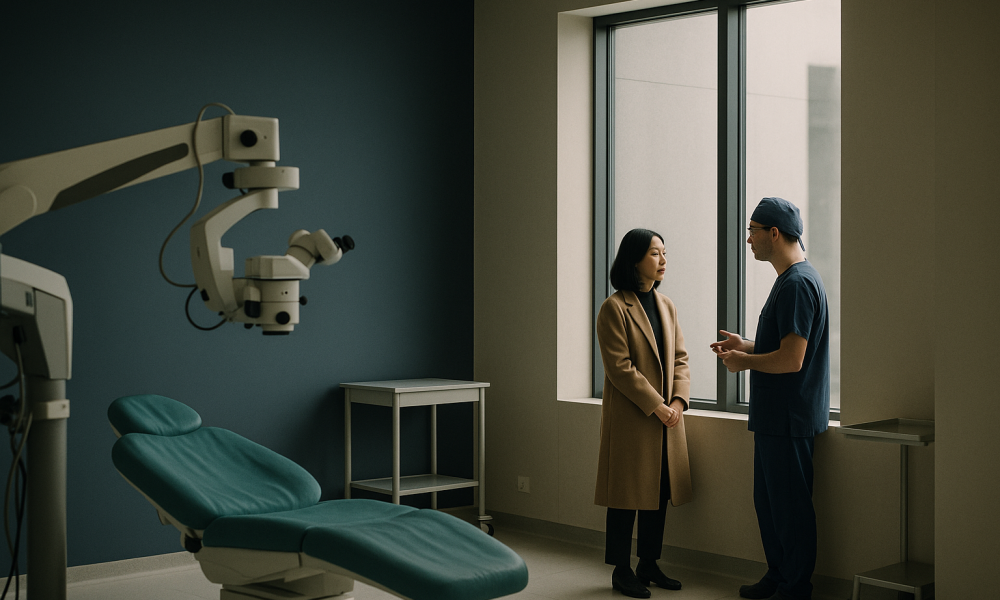
Risks, safety and how accredited Turkish providers manage them
Cataract surgery is a common and generally safe procedure, but like any surgical intervention, it carries certain risks. These can include infection, bleeding, inflammation, changes in vision, retinal detachment, and in rare cases, loss of vision. It is crucial for patients to be well-informed about these potential risks and understand how they are mitigated by Turkish healthcare providers.
Accredited surgical centres in Turkey adhere to international standards of safety and hygiene, ensuring that the risk of complications is minimized. These facilities employ highly trained and experienced ophthalmologists who are adept at managing any issues that may arise during or after surgery. Pre-operative assessments are thorough, aiming to identify any potential risk factors or contraindications that might affect the patient’s surgery or recovery. This includes a detailed review of the patient’s medical history and any medications being taken.
During the procedure, strict aseptic techniques are employed to prevent infection. The use of advanced surgical technologies and equipment further enhances the precision and safety of the procedure. Post-operatively, patients are monitored closely, and follow-up care is meticulously planned to ensure any complications are swiftly addressed.
Additionally, Turkish providers prioritize patient education, ensuring that individuals are well-informed about the signs of potential complications, such as increased pain, significant changes in vision, or signs of infection, which should prompt immediate medical consultation.
Patient safety is also enhanced by the accreditation of Turkish healthcare facilities by international bodies such as the Joint Commission International (JCI). Accreditation ensures that these facilities meet rigorous standards in terms of quality and patient care. Regular audits and continuous improvement initiatives are part of maintaining these standards, helping to ensure that patients receive care that is both safe and effective.
In conclusion, while risks exist, the combination of skilled professionals, advanced technology, and stringent safety protocols significantly mitigate these risks, providing patients with the reassurance needed to proceed with confidence.
7. Choosing the right provider in Turkey
When selecting a provider for cataract surgery in Turkey, ensuring that the clinic and surgeon meet high standards of care is paramount. Accreditation is a crucial factor; look for facilities that have international accreditations such as those from the Joint Commission International (JCI) or the Turkish Ministry of Health. These accreditations indicate that the clinic adheres to rigorous healthcare standards.
The experience of the surgeon is another critical consideration. It is advisable to choose a surgeon who specialises in ophthalmology and has extensive experience in performing cataract surgeries. You can request the surgeon’s credentials and ask how many cataract surgeries they have performed. Surgeons with a high volume of successful procedures are often more adept at handling complex cases and reducing the risk of complications.
Be alert to red flags when evaluating potential providers. Avoid clinics that make unrealistic promises, such as guaranteed outcomes or exceptionally low prices that seem too good to be true. It is also wise to be cautious of providers who do not offer a comprehensive pre-operative consultation or fail to provide clear answers to your questions. A reliable clinic will ensure thorough pre-operative assessments and clearly communicate the potential risks and benefits of the surgery.
Additionally, patient reviews and testimonials can offer valuable insights into the quality of care provided. Look for feedback on the overall patient experience, including the professionalism of the staff, the cleanliness of the facility, and the level of post-operative care. Reliable clinics often have a history of positive patient outcomes and satisfaction.
Finally, consider the level of post-operative support offered. The best clinics provide comprehensive follow-up care to monitor your recovery and address any issues that may arise. This includes regular check-ups and access to medical advice if needed. By carefully considering these factors, you can make an informed decision about the right provider for your cataract surgery in Turkey.
8. Cataract Surgery Cost in Turkey
The cost of cataract surgery in Turkey is often significantly lower than in many Western countries, making it an attractive option for international patients. Below is a comparative table of indicative price ranges for cataract surgery across different countries:
| Country | Price Range (USD) |
|---|---|
| Turkey | $1,500 – $3,000 |
| United Kingdom | $4,000 – $6,000 |
| United States | $3,500 – $7,000 |
| Germany | $3,000 – $5,500 |
| Australia | $3,800 – $6,500 |
| Canada | $3,500 – $6,000 |
Many clinics in Turkey offer all-inclusive packages that cover a range of services beyond the surgery itself. These packages typically include pre-operative assessments, the surgical procedure, post-operative care, accommodation, and sometimes transportation. This all-encompassing approach not only provides convenience but also helps in managing costs effectively.
Various factors can influence the final price of cataract surgery. These include the type of lens implant chosen, the technology used during surgery (such as laser-assisted techniques), and the surgeon’s experience. Additionally, the location of the clinic can affect costs, with facilities in larger cities like Istanbul potentially charging more due to higher demand and overheads.
When reviewing quotes from different providers, it is crucial to understand what is included. Ensure that the quote covers all aspects of the procedure and any potential additional costs. This might include fees for follow-up appointments, medication, and any necessary adjustments or additional treatments.
By understanding the various components that contribute to the cost of cataract surgery in Turkey, patients can better evaluate their options and make a well-informed decision. It is recommended to discuss all financial aspects with the chosen clinic to ensure transparency and avoid unexpected expenses.
Frequently Asked Questions
What is the average cost of cataract surgery in Turkey?
The average cost of cataract surgery in Turkey ranges from $1,500 to $3,000. This price may vary depending on factors such as the type of lens implant, the technology used, and the surgeon's experience. It is advisable to obtain detailed quotes from multiple clinics to understand the full scope of costs involved.
Does the cost of cataract surgery in Turkey include post-operative care?
Many clinics in Turkey offer all-inclusive packages that cover post-operative care. These packages typically include follow-up appointments and necessary medications. It is important to confirm with the clinic what is included in the cost to ensure comprehensive care without unexpected expenses.
How safe is cataract surgery in Turkey?
Cataract surgery in Turkey is generally safe, especially when performed at accredited clinics by experienced surgeons. Ensure that the clinic is internationally accredited and that the surgeon has extensive experience in cataract procedures. Comprehensive pre-operative assessments and post-operative care further enhance safety.
How do I choose the right clinic for cataract surgery in Turkey?
Choose a clinic with international accreditation, such as JCI, and verify the surgeon's experience. Read patient reviews, check for comprehensive pre- and post-operative care, and be cautious of clinics offering unrealistically low prices. A thorough evaluation will help ensure a safe and successful procedure.
Are there any hidden costs in cataract surgery quotes?
To avoid hidden costs, ensure that the quote covers all aspects of the procedure, including pre- and post-operative care. Discuss any potential additional fees with the clinic upfront, and request a detailed breakdown of included services to prevent unexpected expenses.
What factors can affect the price of cataract surgery in Turkey?
Several factors can influence the cost, including the type of lens implant, surgical technology used, surgeon's expertise, and clinic location. Additional services such as accommodation and transportation in all-inclusive packages may also impact the overall price.
What should I expect during the cataract surgery procedure?
Cataract surgery typically involves removing the clouded lens and replacing it with an artificial one. The procedure is usually quick, lasting about 30 minutes, and is performed under local anaesthesia. Recovery is generally swift, with most patients experiencing improved vision shortly after surgery.
How long does recovery take after cataract surgery?
Recovery from cataract surgery is typically quick. Most patients can resume normal activities within a few days, although full visual recovery may take a few weeks. Follow-up appointments are important to ensure proper healing and to address any concerns that may arise.
Will I need to wear glasses after cataract surgery?
While many patients experience improved vision after cataract surgery, some may still require glasses for specific tasks such as reading or driving. The need for glasses depends on the type of lens implant chosen and individual visual requirements.
Can cataract surgery be performed on both eyes at the same time?
It is generally recommended to perform cataract surgery on one eye at a time, allowing the first eye to heal before operating on the second. This approach helps manage risks and ensures optimal recovery and visual outcomes for each eye.
What are the potential risks of cataract surgery?
Cataract surgery is generally safe, but like any surgical procedure, it carries some risks. Potential complications include infection, bleeding, or retinal detachment. Choosing an experienced surgeon and accredited clinic can significantly mitigate these risks.
How soon can I travel after cataract surgery?
Patients are usually advised to wait at least a week before flying after cataract surgery to ensure that the eyes have begun to heal properly. It is important to follow the surgeon's specific recommendations regarding travel and post-operative care.