
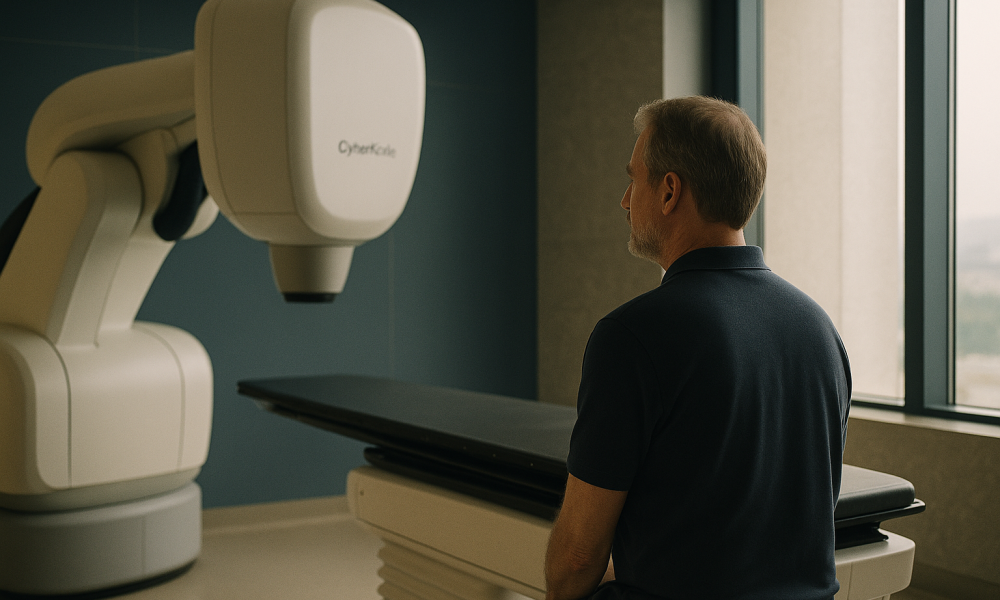
The Process: CyberKnife Treatment in Turkey, step by step
- Enquiry: The journey begins with an initial enquiry, typically through a digital platform or direct contact with a healthcare provider in Turkey. Patients provide basic medical information and express their interest in CyberKnife treatment. An initial consultation may be arranged via video call to discuss the patient’s condition and treatment suitability.
- Assessment: Once the initial enquiry is made, a detailed assessment follows. This involves the submission of medical records, imaging scans, and any previous treatment history. A multidisciplinary team of specialists reviews these documents to evaluate the appropriateness of CyberKnife therapy for the patient’s specific condition.
- Travel Arrangements: Upon confirmation of treatment suitability, the patient coordinates travel arrangements to Turkey. This includes obtaining necessary travel documents, booking flights, and accommodations. Some healthcare providers offer assistance with logistics, ensuring a smooth transition for international patients.
- Treatment Days: The CyberKnife treatment process is typically completed in one to five sessions, depending on the complexity and location of the tumour. Each session lasts between 30 to 90 minutes. The patient lies comfortably on a treatment table while the CyberKnife system delivers precise radiation doses to the target area, guided by real-time imaging.
- Discharge: After the final treatment session, patients are discharged with post-treatment care instructions. As CyberKnife is a non-invasive procedure, there is no need for an extended hospital stay. Patients can often return to their accommodations immediately following treatment.
- Follow-up: Follow-up care is crucial to monitor the patient’s progress. This may involve regular check-ups with local healthcare providers or continued communication with the treatment centre in Turkey. Imaging studies and clinical evaluations are used to assess the effectiveness of the treatment and manage any side effects.
What CyberKnife Treatment is and who it is for
CyberKnife is an advanced form of stereotactic radiosurgery, offering a non-invasive alternative to traditional surgery for patients with benign or malignant tumours. This cutting-edge technology utilises a robotic arm to deliver highly focused beams of radiation with sub-millimetre accuracy. Unlike conventional radiotherapy, CyberKnife can treat tumours in any part of the body, including the brain, spine, lung, liver, pancreas, and prostate, without the need for incisions.
The system’s precision is enhanced by real-time imaging, allowing it to adjust for patient movement, such as breathing, during treatment. This capability reduces damage to surrounding healthy tissues, minimising side effects and improving patient outcomes. CyberKnife is particularly beneficial for patients with inoperable or surgically complex tumours, those seeking a non-surgical option, or individuals who have previously received radiation therapy.
Eligible candidates for CyberKnife include patients with small to medium-sized tumours, those who cannot undergo surgery due to medical conditions, and individuals who wish to avoid the risks associated with traditional surgical procedures. The treatment is also suitable for patients requiring additional therapy after surgery or conventional radiotherapy.
Before undergoing CyberKnife treatment, patients must undergo a thorough evaluation by a team of specialists. This ensures that the treatment plan is tailored to the individual’s specific medical needs and optimises the potential for a successful outcome. The flexibility and precision of CyberKnife make it a versatile choice for many patients, offering a promising option for effective tumour management with minimal recovery time.
3. Are you a candidate? Criteria and preparation
Determining if you are a suitable candidate for CyberKnife treatment involves a comprehensive evaluation by a multidisciplinary team of medical specialists. CyberKnife is a non-invasive alternative to surgery for the treatment of both cancerous and non-cancerous tumours, and certain other medical conditions. Its suitability depends on various factors, including the type and location of the tumour, previous treatment history, and overall health status. Below, we outline the general criteria and necessary preparations for potential candidates.
Firstly, candidates typically include those with inoperable or surgically complex tumours, or patients seeking a non-surgical option. CyberKnife is often used for tumours located in sensitive areas such as the brain, spine, lungs, liver, pancreas, prostate, and kidneys. It is also applicable for patients with metastatic cancer, where it can target multiple sites of disease with precision.
Each patient’s case is unique, and eligibility is determined based on a detailed assessment. Here is a checklist to evaluate candidacy:
- Medical History: A thorough review of your past medical records, including any previous cancer treatments, surgeries, and current medications.
- Diagnostic Imaging: Recent MRI, CT, or PET scans to assess the size, shape, and location of the tumour.
- Overall Health: General health assessment, including heart and lung function, which can impact treatment planning.
- Consultation: Detailed discussion with oncologists and radiologists to understand the potential benefits and risks.
- Goals of Treatment: Clarification of personal treatment goals, whether they are curative or palliative.
Preparation for CyberKnife treatment also involves several key steps. Patients will typically undergo a planning session, where a custom mould or mask may be created to help them remain still during treatment. This session also involves a high-resolution imaging scan to map the exact location of the tumour. This data is used to develop a personalised treatment plan, which outlines the number of sessions required and the specific angles from which radiation will be delivered.
On the day of the treatment, patients are advised to wear comfortable clothing and may need to avoid eating or drinking for a few hours prior, depending on the tumour location. Each session generally lasts between 30 to 90 minutes, and patients can typically return to normal activities immediately afterward, with minimal side effects.
4. Techniques and options available in Turkey
Turkey is renowned for its advanced healthcare facilities and expertise in CyberKnife treatment, offering a range of techniques and options tailored to the needs of international patients. CyberKnife technology in Turkey is at the forefront of radiosurgery innovations, providing precise and effective treatment options for various conditions.
CyberKnife systems available in Turkey utilize robotic arms to deliver highly focused beams of radiation with sub-millimetre accuracy. This precision is crucial for treating tumours located near critical structures, such as the brain or spinal cord, minimizing exposure to healthy tissue and reducing potential side effects. The flexibility of the robotic arm allows for treatment from virtually any angle, which enhances the ability to conform the radiation dose to the shape of the tumour.
One of the notable techniques employed in Turkey is the Synchrony Respiratory Tracking System, which is particularly beneficial for tumours that move with respiration, such as those in the lungs or liver. This system continuously adjusts the radiation beams in real-time to account for tumour motion, ensuring consistent targeting throughout the treatment session.
Another option available is the use of CyberKnife for stereotactic body radiation therapy (SBRT). SBRT is a technique that delivers high doses of radiation over fewer sessions compared to conventional radiotherapy, which can be advantageous in terms of patient convenience and potentially improved outcomes. This approach is often used for small to medium-sized tumours and offers a non-invasive alternative to surgery.
In Turkey, patients can also benefit from a multidisciplinary approach to CyberKnife treatment. Leading medical centres collaborate with oncologists, radiologists, neurosurgeons, and other specialists to develop comprehensive treatment plans. This collaborative approach ensures that all aspects of the patient’s condition are considered, providing a holistic and personalised treatment experience.
Furthermore, Turkey’s healthcare system is known for its competitive pricing, offering high-quality medical care at a fraction of the cost compared to many Western countries. While costs can vary depending on the complexity of the case and the treatment centre, indicative ranges for CyberKnife treatment are generally more affordable, making Turkey an attractive option for international patients seeking advanced cancer care.
Overall, the combination of cutting-edge technology, skilled healthcare professionals, and cost-effective treatment options makes Turkey a leading destination for CyberKnife treatment. Patients considering this option can expect thorough evaluations, personalised care, and access to the latest advancements in radiosurgery.
Recovery and aftercare timeline
The recovery and aftercare period following CyberKnife treatment is generally well-tolerated by patients due to the non-invasive nature of the procedure. Although individual experiences vary, a typical timeline can be outlined to guide patients through the recovery process.
| Period | What to Expect | Care Notes |
|---|---|---|
| Immediate (0-24 hours) | Patients may experience mild fatigue and slight discomfort in the treated area. Most patients can resume normal activities almost immediately. | Rest is recommended to help the body adjust. Hydration and light meals can aid recovery. Avoid strenuous activities. |
| Short-term (1-7 days) | Minimal side effects such as mild swelling or redness may occur. Fatigue levels may fluctuate. | Continue with a balanced diet and maintain hydration. Gentle exercise, like walking, is encouraged. Follow any specific guidance from your healthcare provider. |
| Mid-term (2-4 weeks) | Patients typically return to their usual routines, with any minor side effects gradually diminishing. | Regular follow-up appointments should be attended to monitor progress. Report any persistent or concerning symptoms to your healthcare provider. |
| Long-term (1-3 months) | Significant improvement in symptoms related to the treated condition is often observed. Long-term side effects are rare. | Continue with scheduled follow-ups. Maintain communication with your healthcare team to address any ongoing concerns. |
It is crucial for patients to adhere to the aftercare instructions provided by their healthcare team to ensure optimal recovery and treatment efficacy. Personalized advice will be provided based on individual health status and treatment specifics.
Risks, safety and how accredited Turkish providers manage them
While CyberKnife treatment is generally considered safe, as with any medical procedure, there are inherent risks that need to be considered. Understanding these risks and the measures taken by Turkish healthcare providers to mitigate them is crucial for potential patients.
Common risks associated with CyberKnife treatment include fatigue, mild skin irritation, and temporary swelling in the treated area. More serious complications are rare but can include radiation-induced damage to surrounding tissues. However, the precision of CyberKnife technology significantly reduces the likelihood of such occurrences.
Accredited Turkish providers adhere to stringent international safety standards, ensuring that each patient’s treatment is tailored to minimize risks. This begins with a comprehensive pre-treatment assessment, where detailed imaging studies are conducted to map the exact location and size of the target area. These images are used to develop a precise treatment plan that optimizes radiation delivery while sparing healthy tissue.
- Quality Assurance Protocols: Turkish facilities employ rigorous quality assurance protocols, which include regular equipment calibration and maintenance checks to ensure optimal performance of the CyberKnife system.
- Accreditation and Training: Facilities are often accredited by international bodies such as the Joint Commission International (JCI), which mandates adherence to global healthcare standards. Staff, including radiation oncologists and medical physicists, undergo continuous training to remain at the forefront of CyberKnife technology and treatment methodologies.
- Patient Monitoring: Throughout the treatment process, patients are closely monitored for any adverse reactions. Advanced monitoring systems are utilized to track patient progress and quickly address any complications that may arise.
In addition to these measures, Turkish healthcare providers emphasize patient education, ensuring that individuals are fully informed about the procedure, potential risks, and post-treatment expectations. This empowers patients to make informed decisions and engage actively in their recovery process.
By choosing an accredited provider in Turkey, patients can be assured of receiving high-quality care that prioritizes safety and efficacy, supported by a team of experienced professionals dedicated to achieving the best possible outcomes.
Choosing the right provider in Turkey
When considering CyberKnife treatment in Turkey, selecting the right provider is crucial for ensuring a safe and effective procedure. Accreditation is a key factor to consider. Facilities accredited by international organizations such as the Joint Commission International (JCI) or the International Organization for Standardization (ISO) demonstrate adherence to stringent healthcare standards. These accreditations ensure that the clinic follows best practices in patient care and safety.
Surgeon experience is another critical consideration. Look for specialists who have extensive experience with the CyberKnife system. A surgeon’s track record with this technology can often be verified through patient testimonials, case studies, and professional affiliations. It is advisable to inquire about the number of procedures the surgeon has performed and their success rates.
Be wary of red flags when selecting a provider. Clinics that are unwilling to share information about their accreditations or the qualifications of their medical staff should be approached with caution. Transparency in communication, clear explanation of treatment plans, and a willingness to answer patient queries are indicators of a reliable provider. Additionally, consider the facility’s post-treatment care services, as comprehensive aftercare is vital for recovery.
Finally, consider the location and accessibility of the clinic. Facilities located in well-connected areas can make the entire treatment journey more convenient, especially for international patients. Proximity to accommodation and transport links can enhance the overall experience, making it easier to attend follow-up appointments and consultations.
CyberKnife Treatment Cost in Turkey
The cost of CyberKnife treatment in Turkey is often a fraction of what it would be in other countries. The treatment cost can vary based on several factors, including the complexity of the case and the specific healthcare facility. Below is an indicative price comparison table for CyberKnife treatment across different countries:
| Country | Price Range (USD) |
|---|---|
| Turkey | $8,000 – $12,000 |
| United Kingdom | $25,000 – $35,000 |
| United States | $50,000 – $70,000 |
| Germany | $30,000 – $45,000 |
| Australia | $40,000 – $55,000 |
| Canada | $35,000 – $50,000 |
All-inclusive packages in Turkey often cover the cost of the procedure, initial consultations, hospital stay, and post-operative care. Some packages might also include additional services such as airport transfers and accommodation, which can be particularly beneficial for international patients.
The price of CyberKnife treatment can vary due to several factors, including the complexity of the treatment, the number of sessions required, and the specific medical facility. Additional costs may arise from pre-treatment diagnostics and any necessary post-treatment follow-ups.
When reading quotes, ensure that you understand what is included in the price. A comprehensive quote should detail all aspects of the treatment, including any potential additional costs. It is advisable to request a breakdown of the costs and confirm whether there are any hidden fees.
By carefully evaluating these cost-related factors and understanding the components of treatment packages, patients can make informed decisions that align with their medical and financial needs.
Frequently Asked Questions
What factors influence the cost of CyberKnife treatment in Turkey?
The cost of CyberKnife treatment in Turkey can be influenced by several factors, including the complexity of the patient's condition, the number of sessions required, and the specific healthcare facility chosen. Additional costs may arise from pre-treatment diagnostics and post-treatment follow-ups. It's important to obtain a detailed quote that outlines all potential expenses.
Are there all-inclusive packages for CyberKnife treatment in Turkey?
Yes, many clinics in Turkey offer all-inclusive packages for CyberKnife treatment. These packages typically cover the cost of the procedure, initial consultations, hospital stay, and post-operative care. Some may also include additional services such as airport transfers and accommodation, which can be beneficial for international patients.
How does the cost of CyberKnife treatment in Turkey compare to other countries?
CyberKnife treatment in Turkey is generally more affordable compared to countries like the United States, United Kingdom, Germany, Australia, and Canada. While costs can vary, Turkey offers competitive pricing without compromising on quality, making it an attractive destination for medical tourists seeking this advanced treatment.
What should I look for when choosing a CyberKnife treatment provider in Turkey?
When selecting a provider, consider factors such as accreditation by international bodies, the experience of the medical team with the CyberKnife system, and transparency in communication. Look for clinics that provide comprehensive aftercare and have a good reputation based on patient reviews and testimonials.
Is CyberKnife treatment safe?
CyberKnife treatment is considered safe and effective, utilizing advanced technology to deliver precise radiation therapy. It is crucial to choose a reputable and accredited healthcare facility with experienced specialists to ensure the highest safety standards are met during the procedure.
What are the benefits of choosing Turkey for CyberKnife treatment?
Turkey offers high-quality medical care at competitive prices, with many facilities being internationally accredited. Patients benefit from experienced medical professionals, comprehensive care packages, and the opportunity to recover in a culturally rich and hospitable environment.
What does an all-inclusive CyberKnife treatment package typically include?
An all-inclusive package for CyberKnife treatment generally includes the cost of the procedure, initial consultations, hospital stay, and post-operative care. Some packages may also cover additional services such as airport transfers and accommodation, especially for international patients.
How can I verify the accreditation of a Turkish healthcare facility?
You can verify a facility's accreditation by checking with international organizations such as the Joint Commission International (JCI) or the International Organization for Standardization (ISO). Accredited facilities often display their certifications on their websites or can provide documentation upon request.
What should I expect during the CyberKnife treatment process?
The CyberKnife treatment process typically involves a series of sessions where targeted radiation is delivered to the affected area. Patients can expect a non-invasive procedure with minimal discomfort, and most can resume normal activities shortly after each session. A detailed treatment plan will be provided by the healthcare team.
How long does CyberKnife treatment take?
The duration of CyberKnife treatment can vary depending on the specific case, but it generally involves multiple sessions over a period of one to two weeks. Each session typically lasts between 30 to 90 minutes, allowing for precise delivery of radiation with minimal disruption to the patient's daily routine.
What should I do to prepare for CyberKnife treatment in Turkey?
To prepare for CyberKnife treatment, patients should gather all relevant medical records and undergo any necessary pre-treatment diagnostics. It's advisable to consult with the chosen healthcare provider to understand the specific preparation requirements and ensure a smooth treatment experience.
Will I need follow-up care after CyberKnife treatment?
Yes, follow-up care is an essential part of the CyberKnife treatment process. Regular consultations with your healthcare provider will be necessary to monitor your progress and address any concerns. Follow-up care ensures the treatment's effectiveness and supports a smooth recovery.