
The Process: DHI Hair Transplant in Turkey, step by step
- Enquiry: Patients initiate contact via email or phone, providing basic information about their hair loss concerns. Initial consultations can often be conducted virtually, allowing for a preliminary assessment of the patient’s suitability for the DHI procedure.
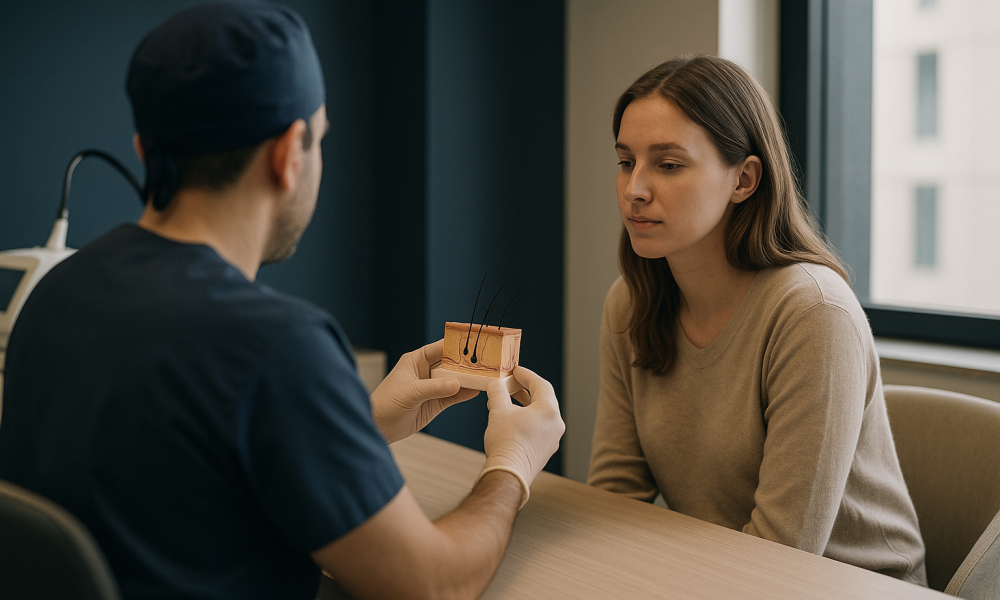
- Assessment: A detailed evaluation is conducted by a specialist. This includes a review of the patient’s medical history and current health status, as well as an analysis of the scalp and hair condition. Photographs of the affected areas may be requested to determine the extent of hair loss and plan the treatment.
- Travel: Upon confirmation of suitability, patients receive guidance on travel arrangements. DGS Healthcare often assists with visa requirements, accommodation bookings, and local transportation. Patients are advised to arrive in Turkey at least a day before the scheduled procedure to acclimatize.
- Treatment Days: The DHI procedure is typically performed over one or two days. On the day of the procedure, the patient visits the clinic where the medical team prepares the donor and recipient areas. Local anaesthesia is applied to ensure comfort. Hair follicles are extracted one by one using a specialized tool and immediately implanted into the balding areas.
- Discharge: After the procedure, patients receive detailed post-operative care instructions, including advice on medications, washing techniques, and activity restrictions. The patient is usually discharged on the same day, with a follow-up appointment scheduled before departure.
- Follow-up: Regular follow-up is critical to ensure optimal results. Patients may have virtual consultations to monitor progress and address any concerns. The clinic provides ongoing support and guidance as the hair begins to grow and thicken over the subsequent months.
What DHI Hair Transplant is and who it is for
Direct Hair Implantation (DHI) is an advanced hair restoration technique renowned for its precision and natural-looking results. Unlike traditional methods, DHI does not require the creation of incisions or channels prior to implantation. Instead, hair follicles are directly implanted into the scalp using a specialised tool known as the Choi Implanter Pen. This method ensures minimal handling of grafts, reducing the risk of damage and increasing the survival rate of implanted follicles.
DHI is particularly suitable for individuals who are experiencing pattern baldness or have thinning hair in specific areas. It is ideal for those seeking a minimally invasive solution with a quick recovery time. The procedure is commonly chosen by both men and women who desire a natural hairline and density. Furthermore, DHI is an excellent option for patients who have previously undergone hair transplants and are looking to enhance or correct prior results.
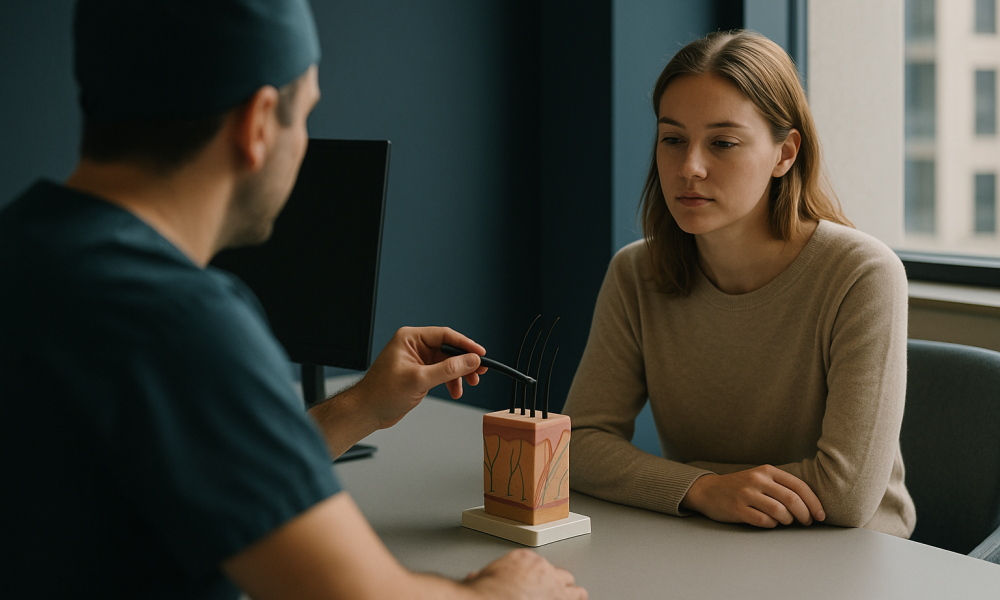
Candidates for DHI should be in good overall health and have realistic expectations regarding the outcome. A thorough consultation with a hair restoration specialist is essential to determine the patient’s eligibility and to develop a tailored treatment plan. The success of the procedure also depends on the quality and density of the donor hair, as well as the extent of the hair loss.
The benefits of DHI are numerous. The technique allows for a higher density of hair transplantation, providing a fuller and more natural appearance. Since the procedure is minimally invasive, there is significantly less scarring and a quicker recovery compared to traditional methods. Patients can typically return to their normal activities within a week, with full recovery expected within a few weeks. Visible results start to appear within six to twelve months as the transplanted hair begins to grow and integrate naturally with the existing hair.
Are you a candidate? Criteria and preparation
Deciding whether you are a suitable candidate for a Direct Hair Implantation (DHI) hair transplant involves several important considerations. The success of the procedure largely depends on the candidate’s specific circumstances and health conditions. Generally, DHI is a suitable option for individuals experiencing hair thinning or baldness, but not all individuals are ideal candidates. Below is a comprehensive checklist to help determine if you might be eligible for a DHI hair transplant in Turkey.
- Age: Ideal candidates are typically over the age of 25. This is because hair loss patterns are more stable at this age, allowing for better planning of the hair transplant.
- Type of Hair Loss: DHI is most effective for those with androgenetic alopecia, commonly known as male or female pattern baldness. It may not be suitable for those with alopecia areata or other types of hair loss.
- Donor Area: Candidates must have a sufficient amount of healthy hair follicles in the donor area, usually the back or sides of the scalp, to achieve satisfactory results.
- Overall Health: Good general health is essential for any surgical procedure. Conditions such as uncontrolled diabetes, blood clotting disorders, or severe heart problems may exclude you from being a candidate.
- Scalp Condition: The scalp should be free from infections or diseases, as these can affect the healing process and the success of the transplant.
- Realistic Expectations: Candidates must have realistic expectations about the outcomes of the procedure. While DHI can significantly improve hair density, it may not completely restore hair to its original state.
- Commitment to Post-Operative Care: Following the surgeon’s aftercare instructions is critical for the success of the transplant. This includes avoiding physical strain, following a prescribed medication regimen, and attending follow-up appointments.
Preparation for a DHI hair transplant involves several steps to ensure the procedure goes smoothly and to enhance the chances of a successful outcome. Patients are typically advised to stop smoking and avoid alcohol consumption at least a week before the procedure, as these can impede the healing process. Additionally, certain medications, especially blood thinners, may need to be paused in consultation with a healthcare provider. Nutritional supplements, particularly those containing vitamin E or omega-3 fatty acids, should also be avoided as they can increase bleeding. On the day of the procedure, patients are advised to wear comfortable clothing, preferably with buttons, to avoid disturbing the newly implanted follicles when changing clothes post-surgery. Lastly, arranging for someone to accompany you to and from the clinic is recommended, as you may feel drowsy due to the local anaesthesia used during the procedure.
Techniques and options available in Turkey
Turkey is renowned for its advanced and diverse range of hair transplant techniques, particularly in the field of Direct Hair Implantation (DHI). The country has positioned itself as a global leader in hair restoration, offering cutting-edge technology and highly skilled medical professionals. Patients considering DHI in Turkey can expect a variety of techniques and options tailored to meet individual needs and preferences. One of the most significant advantages of undergoing a DHI procedure in Turkey is the availability of state-of-the-art facilities and the latest technological advancements in hair transplant procedures.
The DHI technique itself is a sophisticated method that involves the direct implantation of hair follicles into the scalp, using a specialised tool known as the Choi Implanter Pen. This tool allows for precise control over the depth, angle, and direction of the implanted hair, leading to a more natural-looking result. The technique is minimally invasive, reduces the need for incisions, and typically results in less scarring compared to other methods such as Follicular Unit Transplantation (FUT).
In Turkey, clinics often offer a range of ancillary services to enhance the DHI procedure. These may include platelet-rich plasma (PRP) therapy, which involves injecting a concentration of platelets from the patient’s own blood into the scalp to promote healing and stimulate hair growth. Additionally, some clinics provide laser therapy as a post-operative treatment to further enhance the results by increasing blood circulation to the scalp and encouraging the growth of healthy hair follicles.
Another option available to patients in Turkey is robotic-assisted DHI, where advanced robotic systems are used to assist surgeons in the extraction and implantation of hair follicles. This technology can improve the precision and speed of the procedure, potentially leading to better outcomes and a more comfortable experience for the patient. However, it is crucial for patients to discuss with their surgeon whether this option is suitable for them, as not all cases may benefit from robotic assistance.
Furthermore, Turkey is known for offering competitive pricing for hair transplant procedures, including DHI. The costs can vary depending on the clinic, the surgeon’s expertise, and the number of grafts required. Generally, the cost of a DHI procedure in Turkey is significantly lower than in many Western countries, making it an attractive option for international patients seeking high-quality care at an affordable price. Patients are encouraged to research and consult with multiple clinics to find the best balance between cost and quality of care.
Overall, the techniques and options available for DHI hair transplants in Turkey provide patients with a wide array of choices tailored to their specific needs. With its combination of advanced technology, skilled professionals, and cost-effective solutions, Turkey continues to be a leading destination for individuals seeking effective and reliable hair restoration treatments.
Recovery and aftercare timeline
The recovery and aftercare period following a Direct Hair Implantation (DHI) hair transplant is a critical phase that significantly influences the final outcome of the procedure. Understanding the timeline can help patients manage their expectations and adhere to the necessary care protocols.
| Period | What to Expect | Care Notes |
|---|---|---|
| Day 1-3 | Immediately following the procedure, patients may experience mild discomfort, swelling, and redness in the treated area. The implanted grafts are in a delicate state. | Patients should rest and avoid touching the grafts. It’s crucial to keep the head elevated while sleeping and apply any prescribed medications as directed by the surgeon. |
| Day 4-7 | Swelling typically begins to subside, and scabs may start forming around the grafts. Mild itching can occur as the scalp heals. | It is essential to avoid scratching the scalp. Patients should follow specific instructions for gentle washing, usually involving a special shampoo and careful rinsing without direct water pressure. |
| Week 2-4 | The scabs will naturally fall off, and the transplanted hair may start to shed, a normal part of the hair growth cycle. | This shedding, known as “shock loss,” is temporary. Patients should continue to care for the scalp gently and avoid sun exposure or strenuous activities. |
| Month 2-3 | The shedding phase continues, but new hair growth starts to become visible. The hair may be thin initially. | It is important to maintain a healthy diet and follow any additional care instructions provided by the healthcare provider to support hair growth. |
| Month 4-6 | Noticeable hair growth is observed, with the hair becoming thicker and more substantial over time. | Regular follow-up appointments should be scheduled to monitor progress. Patients should continue to avoid harsh hair treatments. |
| Month 7-12 | Significant improvement in hair density and texture is typically seen. The final results of the transplant become apparent. | Patients can return to normal hair care routines but should seek advice before using chemical treatments. Regular consultations help ensure satisfactory outcomes. |
This timeline is a general guide. Individual recovery may vary based on personal health factors, adherence to aftercare instructions, and specific surgical techniques used.
Risks, safety and how accredited Turkish providers manage them
As with any surgical procedure, a DHI hair transplant carries inherent risks. However, accredited Turkish providers are known for their stringent safety protocols and high standards of care, which help mitigate these risks.
One of the primary risks associated with DHI hair transplants is infection. To address this, Turkish clinics adhere to rigorous sterilization processes and maintain sterile environments during the procedure. Patients are also given detailed aftercare instructions to minimize the risk of infection post-surgery.
Another concern is the potential for scarring or poor aesthetic results. Turkish providers often employ highly skilled surgeons with extensive experience in hair restoration, reducing the likelihood of scarring. The use of advanced technology, such as precise implantation tools, further enhances the accuracy of follicle placement, contributing to natural-looking results.
Bleeding and swelling are common but typically minor side effects. Accredited clinics in Turkey ensure that these are managed effectively through careful surgical techniques and post-operative care. Patients are advised to avoid activities that could exacerbate these symptoms and to follow prescribed medication regimens to control discomfort and swelling.
In rare cases, patients may experience shock loss, where native hair is temporarily lost due to trauma from the procedure. This is generally a temporary condition, and hair regrowth usually occurs within a few months. Clinics provide reassurance and support throughout this phase, helping patients understand the temporary nature of this side effect.
Allergic reactions to anaesthesia, although rare, are another potential risk. Accredited Turkish clinics conduct thorough pre-operative assessments to identify any potential allergies or contraindications, ensuring the anaesthetic used is safe for the patient.
Accredited providers in Turkey are committed to ongoing patient support and follow-up care, which is crucial for identifying and managing any complications that may arise. Regular follow-up appointments allow for the early detection of issues, ensuring prompt intervention if necessary.
Overall, the combination of skilled practitioners, advanced technology, and comprehensive aftercare contributes to the high success rates of DHI procedures in Turkey. While no surgical procedure is without risk, the measures implemented by Turkish clinics help ensure the safety and satisfaction of international patients.
Choosing the Right Provider in Turkey
When considering a Direct Hair Implantation (DHI) procedure in Turkey, selecting the right provider is paramount to achieving satisfactory results. Begin by ensuring that the clinic is accredited by recognised international healthcare accreditation bodies, such as the Joint Commission International (JCI) or the International Organization for Standardization (ISO). Accreditation ensures that the clinic adheres to high standards of medical care and patient safety.
Another crucial factor is the experience and qualifications of the surgeon performing the procedure. It is advisable to choose a surgeon who is certified by reputable institutions and has extensive experience in performing DHI hair transplants. Potential patients should request to see before-and-after photos of previous patients and, if possible, speak to former patients about their experiences.
Be cautious of red flags that may indicate a less reputable provider. These include clinics that offer significantly lower prices than the average market rate, as this may suggest compromised quality or hidden costs. Additionally, avoid clinics that guarantee specific results or outcomes, as this is not ethically permissible in medical practice. Transparency in communication and clear explanation of the procedure, risks, and expected outcomes are hallmarks of a trustworthy clinic.
Look for clinics that offer comprehensive consultations, allowing you to discuss your expectations and receive a personalised treatment plan. The clinic should also provide detailed information about the procedure, including pre-operative and post-operative care. A professional provider will have a well-established process for follow-up care to monitor your recovery and address any concerns that may arise.
Finally, consider the clinic’s location and the convenience of travel arrangements. Proximity to major transport hubs can facilitate easier access to the clinic and enhance the overall experience. Researching and choosing the right provider is a critical step in ensuring a successful DHI hair transplant in Turkey.
DHI Hair Transplant Cost in Turkey
The cost of a DHI hair transplant in Turkey is an attractive factor for many international patients, often being significantly lower than in Western countries. However, understanding the cost structure is essential for making an informed decision. Below is a comparison table illustrating the indicative price ranges for DHI hair transplants across several countries.
| Country | Indicative Price Range (USD) |
|---|---|
| Turkey | $2,000 – $4,000 |
| United Kingdom | $6,000 – $10,000 |
| United States | $8,000 – $15,000 |
| Germany | $7,000 – $12,000 |
| Australia | $8,000 – $14,000 |
| Canada | $7,000 – $13,000 |
In Turkey, many clinics offer all-inclusive packages that cover the cost of the procedure itself, as well as additional services such as accommodation, airport transfers, and pre- and post-operative care. These packages provide convenience and can be more cost-effective than arranging each element separately.
Several factors can influence the final price of a DHI hair transplant. The extent of hair loss, the number of grafts required, the clinic’s reputation, and the surgeon’s experience can all impact the cost. It is important to obtain a detailed quote that clearly outlines what is included to avoid unexpected expenses.
When reviewing quotes, ensure that all aspects of the procedure are covered, including anaesthesia, medications, and follow-up visits. A comprehensive quote will also specify any additional services included in the package. Be wary of quotes that seem too low, as they may exclude essential components or indicate lower quality services.
In summary, while Turkey offers competitive pricing for DHI hair transplants, it is crucial to thoroughly understand what is included in the cost and to choose a reputable provider to ensure the best possible outcome.
Frequently Asked Questions
What factors influence the cost of a DHI hair transplant in Turkey?
The cost of a DHI hair transplant in Turkey can be influenced by several factors, including the extent of hair loss, the number of grafts required, the clinic’s reputation, and the surgeon’s experience. Additional services such as accommodation and transfers, if included in a package, can also affect the overall price.
Are all-inclusive packages for DHI hair transplants in Turkey worth it?
All-inclusive packages can offer significant value, as they often cover not only the procedure but also accommodation, airport transfers, and pre- and post-operative care. They provide convenience and can sometimes reduce costs compared to arranging these services separately. However, ensure you understand what is included to avoid unexpected expenses.
How safe is a DHI hair transplant procedure in Turkey?
DHI hair transplant procedures in Turkey are generally safe when performed by experienced surgeons at accredited clinics. Ensure the clinic follows international standards for medical care and patient safety. Look for accreditation by bodies such as the Joint Commission International (JCI) to ensure high-quality services.
How do I choose a reputable DHI hair transplant clinic in Turkey?
Choose a clinic that is accredited by recognised bodies like JCI or ISO. Check the surgeon’s qualifications and experience, and ask for before-and-after photos of previous patients. Avoid clinics with unrealistically low prices or guaranteed results, and ensure they provide a comprehensive consultation and follow-up care.
What is the recovery process like after a DHI hair transplant?
Recovery after a DHI hair transplant involves some initial swelling and discomfort, which typically subsides in a few days. Patients are usually advised to avoid strenuous activities and direct sun exposure for a short period. Follow-up appointments are necessary to monitor progress and ensure proper healing.
How long do the results of a DHI hair transplant last?
Results from a DHI hair transplant can be long-lasting. The transplanted hair follicles are resistant to the hormone responsible for hair loss, allowing them to grow naturally over time. Patients may see visible results within 6-12 months, with continued improvement as hair thickens and matures.
What should I expect during the initial consultation for a DHI hair transplant?
During an initial consultation, the surgeon will assess your hair loss pattern, discuss your goals, and determine the number of grafts needed. They will explain the procedure, potential risks, and expected outcomes. It’s an opportunity to ask questions and understand the treatment plan tailored to your needs.
Can I combine a DHI hair transplant with a vacation in Turkey?
Many patients combine their DHI hair transplant with a vacation, taking advantage of Turkey’s rich cultural and historical offerings. However, it’s important to consider recovery time and follow post-operative care instructions, which may limit some activities immediately following the procedure.
Is there a risk of complications with DHI hair transplants?
As with any medical procedure, there is a risk of complications, though they are rare and generally minor. Potential issues can include infection, bleeding, or unnatural-looking results. Choosing an experienced surgeon and accredited clinic can minimise these risks and ensure a smoother recovery.
How soon can I return to work after a DHI hair transplant?
Most patients can return to work within a week after a DHI hair transplant, depending on the nature of their job. Those with physically demanding occupations may need additional recovery time. Your surgeon will provide specific advice based on your individual circumstances and recovery progress.
Will a DHI hair transplant leave visible scars?
DHI hair transplants are minimally invasive and typically result in no visible scarring. The technique involves using a fine needle to implant hair follicles directly into the scalp, which heals with minimal scarring compared to other methods. Proper post-operative care contributes to optimal healing.
How should I prepare for a DHI hair transplant in Turkey?
Preparation includes stopping certain medications and supplements, avoiding alcohol and smoking, and following any specific instructions provided by the clinic. It’s important to discuss your medical history and any concerns with your surgeon during the initial consultation to ensure you’re fully prepared.