
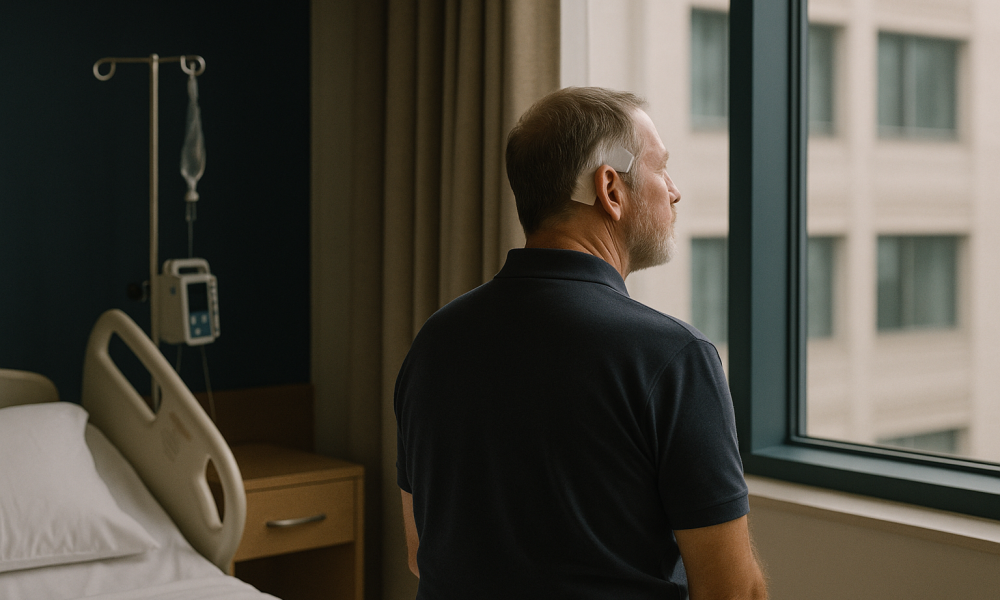
The Process: Facelift in Turkey, step by step
- Enquiry: The journey begins with an initial enquiry, where potential patients contact a healthcare provider in Turkey to express their interest in a facelift. This can be done via email, phone, or through the clinic’s website. Patients are encouraged to provide details about their medical history and any specific concerns or goals they have regarding the procedure.
- Assessment: Following the enquiry, a detailed assessment is conducted. This typically involves a consultation with a qualified plastic surgeon, either virtually or in person. The surgeon evaluates the patient’s facial structure, skin condition, and overall health to determine suitability for the procedure. A personalised treatment plan is then developed, outlining the surgical approach, expected outcomes, and any potential risks.
- Travel: Once the assessment is complete and the patient decides to proceed, travel arrangements to Turkey are made. This includes booking flights and accommodation. Many clinics offer assistance with travel logistics, ensuring a smooth journey. Patients are advised to arrive a few days before the surgery to acclimatise and attend pre-operative consultations.
- Treatment Days: Upon arrival in Turkey, patients attend a pre-operative meeting with their surgeon to finalise the details of the procedure. The facelift surgery itself is performed under general anaesthesia and typically takes between 2 to 4 hours. Post-surgery, patients are monitored in a recovery room before being transferred to a private hospital room where they stay for 1 to 2 nights for observation and initial recovery.
- Discharge: After the hospital stay, patients are discharged with detailed post-operative care instructions. This includes information on managing swelling, pain, and any temporary restrictions on activities. Follow-up appointments are scheduled to monitor healing progress. Patients are usually advised to stay in Turkey for at least a week post-surgery to ensure proper initial recovery and to address any immediate concerns.
- Follow-up: Regular follow-up is crucial for ensuring successful recovery. Patients are encouraged to maintain communication with their surgeon via digital platforms for ongoing support. Additional in-person follow-ups can be arranged if needed. The full recovery period can take several weeks, with the most significant swelling and bruising subsiding within the first month. Long-term results are typically evaluated 3 to 6 months post-surgery.
What Facelift is and who it is for
A facelift, or rhytidectomy, is a surgical procedure designed to reduce the visible signs of aging in the face and neck. It primarily addresses sagging skin, deep creases, and loss of muscle tone, aiming to restore a more youthful and refreshed appearance. The procedure involves the removal of excess skin, tightening of underlying tissues, and repositioning of skin for a smoother contour. It can be combined with other treatments such as eyelid surgery or brow lifts for a more comprehensive rejuvenation.
Facelifts are typically recommended for individuals who are experiencing significant signs of facial aging that cannot be effectively addressed with non-surgical treatments. Ideal candidates are generally in good health, non-smokers, and have realistic expectations about the outcomes. The procedure is most commonly sought by individuals in their 40s to 60s, although older patients can also benefit if they have retained some skin elasticity.
While a facelift can provide dramatic improvements, it is not a solution for superficial wrinkles or sun damage, which may be better addressed with treatments like laser resurfacing or chemical peels. Patients are advised to discuss all available options with their surgeon to determine the best approach for their specific needs.
Ultimately, the decision to undergo a facelift is personal and should be made after careful consideration of the potential benefits and risks. A thorough consultation with a qualified plastic surgeon can provide valuable insights into the procedure, helping patients make informed decisions about their aesthetic goals.
Are you a candidate? Criteria and preparation
Deciding to undergo a facelift is a significant decision that requires careful consideration of several factors. Not everyone is an ideal candidate for a facelift, and understanding the criteria that make one suitable for this procedure is essential to ensure the best possible outcomes. Generally, candidates for a facelift should have realistic expectations about the results and be in good overall health. The most common reasons individuals seek facelifts include the presence of deep creases and folds around the nose and mouth, sagging skin along the jawline, and loose skin on the neck. The ideal candidate for a facelift is typically someone who experiences these signs of aging but still has some skin elasticity and strong bone structure.
Age is not the sole determinant of candidacy for a facelift. While most patients are in their 40s to 60s, younger individuals may also benefit from the procedure if they exhibit premature aging signs. Conversely, older adults may still be viable candidates if they are in good health. Non-smokers are preferred candidates, as smoking can significantly impact the healing process and increase the risk of complications. If you smoke, it is advisable to quit several weeks before and after surgery to promote better healing.
Before undergoing a facelift, there are several preparatory steps that potential candidates should consider. These include consulting with a qualified plastic surgeon to discuss expectations, potential risks, and the specifics of the surgery. A thorough medical evaluation is crucial to identify any underlying health issues that might affect the surgery or recovery process. The following checklist can help you determine if you are a suitable candidate and prepare for the procedure:
- Evaluate your overall health and ensure that any chronic conditions are well-managed.
- Consider your skin condition, particularly elasticity and bone structure.
- Assess your reasons for seeking a facelift and ensure they align with realistic expectations.
- Schedule a consultation with a board-certified plastic surgeon experienced in facelifts.
- Discuss any medications or supplements you are taking with your surgeon, as some may need to be adjusted.
- Plan for necessary recovery time, typically several weeks, and arrange for assistance during the initial recovery period.
- Refrain from smoking and limit alcohol consumption in the weeks leading up to surgery.
- Adopt a healthy lifestyle, including a balanced diet and regular exercise, to support your body’s healing process.
It is crucial to approach this decision with a clear understanding of the procedure, potential risks, and the commitment required for optimal results.
Techniques and options available in Turkey
Turkey has become a leading destination for medical tourism, particularly for cosmetic procedures such as facelifts. The country offers a wide range of facelift techniques, each tailored to address specific concerns and achieve desired outcomes. The choice of technique depends on various factors, including the extent of aging, skin elasticity, and the patient’s facial structure. One of the most common techniques is the traditional facelift, which involves making incisions near the hairline, around the ears, and extending to the lower scalp. This method allows for the removal of excess skin and the tightening of underlying tissues to achieve a rejuvenated appearance.
Another popular option is the mini facelift, also known as a “weekend facelift.” This technique is less invasive and focuses on lifting the lower face and jawline. It is ideal for younger patients or those with mild to moderate signs of aging. The mini facelift offers the advantage of shorter recovery times and minimal scarring, as the incisions are smaller and more discreet. For individuals seeking to address specific areas such as the neck, a neck lift can be performed in conjunction with a facelift or as a standalone procedure. This technique targets sagging skin and excess fat in the neck area, providing a smoother and more defined profile.
In addition to traditional surgical methods, Turkey also offers advanced techniques such as the SMAS facelift. This approach targets the superficial musculoaponeurotic system (SMAS) layer beneath the skin, allowing for more comprehensive lifting and tightening. The SMAS facelift is particularly effective for patients with significant sagging and deeper facial structures. Endoscopic facelifts are another modern technique available in Turkey, utilizing a camera and small instruments to perform the surgery through minimal incisions. This method is less invasive and results in quicker recovery times and reduced scarring.
Turkey’s reputation for high-quality medical care is supported by its skilled surgeons, many of whom have received training and certification from internationally recognized institutions. The combination of expertise and advanced technology ensures that patients receive personalized care tailored to their unique needs. Moreover, the cost of facelift procedures in Turkey is often more affordable compared to Western countries, making it an attractive option for international patients. Indicative price ranges for facelift procedures in Turkey vary depending on the technique and complexity, generally ranging from $2,500 to $7,000.
When considering a facelift in Turkey, it is essential to research and choose a reputable clinic with a proven track record of successful outcomes. Patients should verify the credentials of their chosen surgeon and ensure that the facility complies with international standards of safety and hygiene. Thorough consultation and open communication with the surgeon are crucial to understanding the available options and setting realistic expectations for the procedure.
Recovery and aftercare timeline
Following a facelift procedure, understanding the recovery and aftercare timeline is crucial for achieving optimal results and ensuring a smooth healing process. The recovery journey is a gradual process that requires patience and adherence to postoperative instructions. The following table outlines the typical recovery timeline, detailing what patients can expect during each period and the recommended care notes to facilitate healing.
| Period | What to Expect | Care Notes |
|---|---|---|
| First 24-48 hours | Patients may experience swelling, bruising, and discomfort around the surgical site. The face may feel tight, and slight drainage from the incisions is normal. | Rest with the head elevated to minimize swelling. Apply cold compresses as advised by the surgeon. Pain medication may be prescribed to manage discomfort. Avoid any strenuous activity. |
| First week | Swelling and bruising remain visible but begin to subside. Patients may experience tightness and numbness in the face. | Continue to keep the head elevated. Follow the surgeon’s instructions for wound care and dressing changes. Attend follow-up appointments for suture inspection and removal. Avoid direct sun exposure. |
| 2-3 weeks | Bruising significantly diminishes, and initial swelling reduces. Patients may start feeling more comfortable and notice initial improvements in facial contours. | Gradually resume light activities, avoiding heavy lifting and vigorous exercise. Keep the incisions clean and moisturized as directed. Use sunscreen to protect healing skin. |
| 4-6 weeks | Most swelling and bruising have subsided. Sensation in the face may still be altered but improves gradually. | Patients can return to normal activities, including exercise, following the surgeon’s guidance. Continue to protect the skin from sun exposure and maintain a healthy lifestyle to support healing. |
| 3-6 months | Final results start becoming more apparent as residual swelling resolves. Scars begin to mature and fade. | Continue regular follow-up visits with the surgeon to monitor progress. Use recommended skincare products to enhance results and maintain skin health. |
Throughout the recovery period, it is paramount to adhere to the surgeon’s specific instructions and attend all scheduled follow-up appointments. These steps are essential for managing potential complications and ensuring that the facelift results are as desired.
Risks, safety and how accredited Turkish providers manage them
Undergoing a facelift, like any surgical procedure, involves certain risks and potential complications. It is important for patients considering this surgery to be well-informed about these risks and to choose accredited providers who adhere to international safety standards. In Turkey, medical tourism is supported by a robust healthcare infrastructure, with many clinics and hospitals achieving international accreditation, such as from the Joint Commission International (JCI).
The primary risks associated with facelift surgery include bleeding, infection, hematoma, nerve damage, scarring, and dissatisfaction with aesthetic outcomes. While these complications are uncommon, they can occur and must be taken seriously. Accredited Turkish providers implement stringent measures to mitigate these risks and enhance patient safety.
- Preoperative Assessment: Comprehensive preoperative evaluations are conducted to assess the patient’s medical history, current health status, and suitability for surgery. This includes blood tests, imaging, and consultations to identify any potential risk factors that could affect the surgery or recovery.
- Surgical Expertise: Surgeons in Turkey are often internationally trained and experienced in advanced facelift techniques, ensuring that patients receive high-quality care. These professionals are adept at tailoring procedures to individual patient needs, which minimizes the risk of complications.
- Sterile Environment: Accredited facilities maintain strict sterilization protocols to prevent infections. Operating rooms are equipped with state-of-the-art technology, and staff are trained to adhere to rigorous hygiene standards.
- Advanced Monitoring: During surgery, patients are closely monitored using advanced equipment to ensure their safety. Anesthesia is administered by qualified anesthesiologists who manage the patient’s vital functions throughout the procedure.
- Postoperative Care: After surgery, patients receive detailed aftercare instructions and are monitored for any signs of complications. Clinics provide 24/7 support to address any concerns that may arise during the recovery period.
Accredited Turkish providers are committed to maintaining high standards of care and ensuring patient satisfaction. They prioritize transparency, providing patients with clear information about the procedure, potential risks, and expected outcomes. By choosing an accredited provider, patients can have confidence in the safety and quality of their facelift surgery in Turkey.
Choosing the right provider in Turkey
When considering a facelift in Turkey, selecting the right provider is crucial to ensure a safe and successful procedure. The first step is to verify the accreditation of the medical facility. Look for clinics that are accredited by international bodies such as the Joint Commission International (JCI) or the European Foundation for Quality Management (EFQM). These accreditations indicate adherence to high standards of healthcare and patient safety.
Another important factor is the experience and qualifications of the surgeon. Ensure that the surgeon is certified by the Turkish Society of Plastic Reconstructive and Aesthetic Surgeons (TPRECD) or equivalent. It is advisable to inquire about the surgeon’s experience specifically in performing facelifts, as this can significantly impact the outcome. A seasoned surgeon will be able to provide a portfolio of previous work, including before-and-after photos, which can help set realistic expectations.
Pay attention to potential red flags when choosing a provider. Be wary of clinics that offer significantly lower prices than the average, as this could indicate compromised quality. A reputable clinic will provide a detailed consultation process, including a thorough discussion of your medical history, expectations, and potential risks. Avoid providers who pressure you into making quick decisions or those who do not offer comprehensive pre-operative consultations.
Finally, consider patient testimonials and reviews. While these should not be the sole factor in your decision, they can provide insight into the patient experience and satisfaction. Ensure that reviews are from credible sources and reflect consistent quality of care.
Facelift Cost in Turkey
The cost of a facelift in Turkey is one of the most attractive aspects for international patients. Prices in Turkey are generally lower compared to countries such as the UK, US, Germany, Australia, and Canada. Below is an indicative price comparison:
| Country | Indicative Price Range (USD) |
|---|---|
| Turkey | 4,000 – 6,000 |
| UK | 8,000 – 12,000 |
| US | 10,000 – 15,000 |
| Germany | 9,000 – 13,000 |
| Australia | 11,000 – 16,000 |
| Canada | 9,500 – 14,000 |
Many clinics in Turkey offer all-inclusive packages that cover not just the surgery itself, but also accommodation, transportation, and post-operative care. These packages provide excellent value for money and help manage the overall cost of the procedure.
Several factors can influence the price of a facelift, including the surgeon’s experience, the complexity of the procedure, and the type of anesthesia used. Some clinics may also offer additional services such as follow-up visits and extended post-operative care, which can affect the overall cost.
When reviewing quotes, it is essential to understand what is included. A comprehensive quote should detail all aspects of the procedure, including pre-operative consultations, the surgical procedure, anesthesia, and post-operative care. Be cautious of hidden fees and always clarify any uncertainties before committing to a provider.
Ultimately, while cost is an important consideration, it should not be the sole deciding factor. Prioritize quality of care and the expertise of the surgical team to ensure the best possible outcomes.
Frequently Asked Questions
What is the average cost of a facelift in Turkey?
The average cost of a facelift in Turkey typically ranges from $4,000 to $6,000 USD. This is significantly lower than in countries like the US or UK. Prices can vary depending on the clinic and the specifics of the procedure. It's important to get a detailed quote to understand what is included.
Are there financing options available for facelifts in Turkey?
Some clinics in Turkey may offer financing options or payment plans to make the procedure more affordable. It's advisable to discuss these options directly with your chosen clinic to understand the terms and conditions, as well as any potential interest rates or additional fees.
Is it safe to have a facelift in Turkey?
Turkey hosts many internationally accredited clinics and experienced surgeons, making it a safe destination for facelifts. However, it's crucial to choose a reputable clinic and surgeon, check their credentials, and ensure the facility is accredited by recognized international bodies.
What should I expect during the recovery period after a facelift?
Recovery from a facelift typically involves swelling and bruising, which can last for a few weeks. Most patients return to normal activities within 2-3 weeks, but full recovery can take several months. Follow your surgeon's post-operative care instructions closely for the best results.
How do I choose the best surgeon for my facelift in Turkey?
Look for a surgeon certified by the Turkish Society of Plastic Reconstructive and Aesthetic Surgeons (TPRECD) with extensive experience in facelifts. Review their portfolio of past work, including before-and-after photos, and consider patient testimonials and reviews.
Can I combine my facelift with other cosmetic procedures in Turkey?
Yes, many patients choose to combine facelifts with other procedures such as eyelid surgery or neck lifts. This can often be more cost-effective and convenient. Discuss your goals with your surgeon to determine the best approach for multiple procedures.
What are the potential risks associated with facelift surgery?
As with any surgery, facelifts carry potential risks such as infection, scarring, nerve injury, and anesthesia complications. Choosing an experienced surgeon and following post-operative care instructions can help minimize these risks.
How long do the results of a facelift last?
The results of a facelift can last for 7-10 years, but this varies depending on factors such as skin type, age, and lifestyle. Maintaining a healthy lifestyle and protecting your skin from sun damage can help prolong the effects.
What should I bring for my facelift surgery trip to Turkey?
Prepare by bringing all necessary medical documents, comfortable clothing, any prescribed medications, and toiletries for your stay. It's also advisable to bring a companion for support during your recovery period.
How can I verify the accreditation of a clinic in Turkey?
Check for international accreditations such as the Joint Commission International (JCI) or the European Foundation for Quality Management (EFQM). These ensure the clinic adheres to high standards of healthcare and patient safety.
What is included in an all-inclusive facelift package in Turkey?
All-inclusive packages often cover the surgery, anesthesia, accommodation, airport transfers, and post-operative care. Always confirm with the clinic exactly what is included to avoid unexpected costs.
Can I travel alone for my facelift procedure in Turkey?
While it's possible to travel alone, it's recommended to bring a companion for support, especially during the initial recovery period. Having someone to assist with travel and daily activities can enhance your comfort and safety.