

The Process: Hallux Valgus (Bunion) Surgery in Turkey, step by step
- Enquiry: The journey begins with an initial enquiry. Patients typically contact clinics or medical tourism agencies in Turkey to gather information about Hallux Valgus surgery. This stage involves understanding the procedure, costs, and potential outcomes.
- Assessment: After the enquiry, a thorough assessment is conducted, usually requiring medical history and foot X-rays. This step often involves remote consultations with a specialist to determine the suitability of the patient for surgery.
- Travel: Once the assessment confirms candidacy, the patient plans their travel to Turkey. This includes booking flights, accommodation, and arranging transportation within Turkey. Many clinics offer assistance with logistics to ensure a smooth journey.
- Treatment Days: Upon arrival, patients typically undergo pre-operative consultations and tests. The surgery itself is performed under general or local anaesthesia, lasting 1-2 hours. Post-surgery, patients are monitored in the hospital for 1-2 days to ensure initial recovery.
- Discharge: After the hospital stay, patients are discharged with detailed post-operative care instructions. These include wound care, mobility guidelines, and pain management. Patients may also be provided with a special shoe to aid recovery.
- Follow-up: Follow-up care is crucial for successful recovery. Patients might need to stay in Turkey for a short period for initial follow-up appointments. Long-term follow-up can often be coordinated with local physicians in the patient’s home country, ensuring continuity of care.
What Hallux Valgus (Bunion) Surgery is and who it is for
Hallux Valgus, commonly known as a bunion, is a deformity of the joint connecting the big toe to the foot. It is characterized by a lateral deviation of the big toe and can cause significant pain and discomfort, especially when wearing shoes. Bunion surgery, or Hallux Valgus correction, aims to realign the toe, relieve pain, and improve foot function.
There are various surgical techniques available for bunion correction, often depending on the severity of the condition. These may include osteotomy, where the bone is cut and realigned, or arthrodesis, where the joint is fused. The choice of procedure is determined by the surgeon based on individual patient needs.
Bunion surgery is typically recommended for patients who experience persistent pain despite conservative treatments such as orthotics, physical therapy, or anti-inflammatory medications. It is also advised for those whose daily activities are significantly impacted by the condition. Ideal candidates are typically in good overall health, non-smokers, and have realistic expectations about the surgery’s outcomes.
Patients considering Hallux Valgus surgery should be aware that recovery can take several months, with initial results visible immediately post-surgery, though full recovery and final results may not be apparent until six months post-operation. It is crucial for potential candidates to engage in a thorough discussion with their healthcare provider to understand the risks, benefits, and the post-operative commitment required for a successful outcome.

Are you a candidate? Criteria and preparation
Determining whether you are a candidate for hallux valgus surgery, commonly known as bunion surgery, involves a thorough assessment of your condition by a qualified healthcare professional. Several factors must be considered, including the severity of the bunion, your overall health, and your personal needs and expectations. The primary goal of the surgery is to relieve pain and correct the deformity, thereby improving foot function.
Generally, candidates for bunion surgery exhibit persistent pain that interferes with daily activities, significant foot deformity, and limited mobility that cannot be managed effectively through conservative treatments. Conservative treatments might include wearing wider shoes, using orthotic devices, or taking anti-inflammatory medications. When these measures fail to provide sufficient relief, surgical intervention may be considered.
Before proceeding with surgery, patients must undergo a comprehensive evaluation. This evaluation typically includes a physical examination, medical history review, and imaging tests such as X-rays to assess the extent of the deformity. The surgeon will also discuss any underlying conditions that may affect the surgical outcome, such as arthritis or diabetes.
Preparation for bunion surgery involves several steps to ensure the patient is in optimal health for the procedure and recovery. This includes:
- Consulting with your surgeon to discuss the surgical plan and post-operative expectations.
- Undergoing any necessary pre-operative tests, such as blood tests or an ECG, to assess your overall health.
- Stopping certain medications, such as blood thinners, as advised by your healthcare provider.
- Arranging for post-surgery transportation and assistance at home during the initial recovery period.
- Ensuring your home is ready for your return, with necessary modifications to accommodate limited mobility.
- Following any specific instructions regarding fasting or medication adjustments on the day of surgery.
- Discussing any concerns or questions with your surgeon to ensure you fully understand the procedure and recovery process.
By adhering to these preparation guidelines, patients can help ensure a smoother surgical experience and enhance their chances of a successful recovery.
Techniques and options available in Turkey
Turkey is renowned for its advanced medical facilities and experienced orthopaedic surgeons who offer a range of techniques for hallux valgus surgery. The choice of surgical technique depends on the severity of the bunion, the patient’s anatomy, and the surgeon’s expertise. The primary goal of the surgery is to realign the bones, correct the deformity, and relieve pain.
One of the most common techniques employed is the osteotomy, which involves cutting and realigning the bones in the big toe. There are various types of osteotomies, including Chevron, Scarf, and Akin osteotomies, each with specific indications based on the angle of deformity and the patient’s foot structure. These procedures are often performed under regional anaesthesia, and patients typically experience minimal discomfort.
In cases of severe deformity, a Lapidus procedure may be recommended. This involves fusing the joint at the base of the big toe to stabilise the foot and prevent recurrence of the bunion. While this technique requires a longer recovery period, it is highly effective in correcting severe deformities.
Another option is the minimally invasive bunion surgery, which uses smaller incisions and specialised instruments to correct the deformity. This technique offers the advantages of reduced scarring, less post-operative pain, and a quicker recovery time. However, it is not suitable for all patients, particularly those with severe bunions or significant joint degeneration.
Post-operatively, patients are typically advised to wear a special surgical shoe or boot to protect the foot and facilitate healing. Physical therapy may be recommended to restore strength and flexibility to the foot. In Turkey, medical tourism packages often include comprehensive post-operative care, ensuring patients receive the support they need throughout their recovery.
Additionally, many Turkish clinics offer advanced diagnostic and imaging technologies to precisely plan and execute the surgery. Surgeons in Turkey are known for their skill and precision, employing the latest techniques to ensure the best possible outcomes for their patients.
It’s important for prospective patients to discuss all available options with their surgeon to choose the most appropriate technique for their specific condition. By doing so, patients can achieve optimal results and improve their quality of life.
Recovery and aftercare timeline
Recovery from hallux valgus surgery is a structured process that requires careful adherence to prescribed guidelines to ensure optimal outcomes. Patients undergoing this procedure in Turkey can expect a comprehensive aftercare program that is designed to facilitate healing and restore full function.
| Period | What to expect | Care notes |
|---|---|---|
| Week 1 | Initial recovery phase; swelling and discomfort are common. Patients may use crutches for support and are advised to keep the foot elevated. | Apply ice packs to reduce swelling. Use prescribed pain medication as directed. Attend follow-up appointment with your surgeon. |
| Weeks 2-4 | Swelling begins to decrease; sutures may be removed during this time. Patients might transition from crutches to a walking boot. | Continue to keep the foot elevated when possible. Begin gentle toe exercises as recommended. Avoid putting full weight on the foot. |
| Weeks 5-8 | Gradual increase in mobility. Walking with protective footwear is typically allowed. Swelling continues to decrease. | Engage in physical therapy if advised. Gradually increase walking activities as comfort allows. Regularly check for any signs of infection. |
| Weeks 9-12 | Most patients experience significant improvement. Swelling should be minimal, and normal footwear may be resumed. | Continue with physical therapy exercises. Follow your surgeon’s advice on activity levels. Attend any scheduled follow-up visits. |
| 3-6 months | Full recovery expected for most patients. The foot should be pain-free, and activities can usually be resumed. | Maintain regular check-ins with your healthcare provider to monitor progress. Report any unusual symptoms promptly. |
Throughout the recovery period, it is crucial for patients to adhere to their healthcare provider’s instructions and attend all scheduled follow-up appointments to ensure proper healing and address any concerns that may arise.
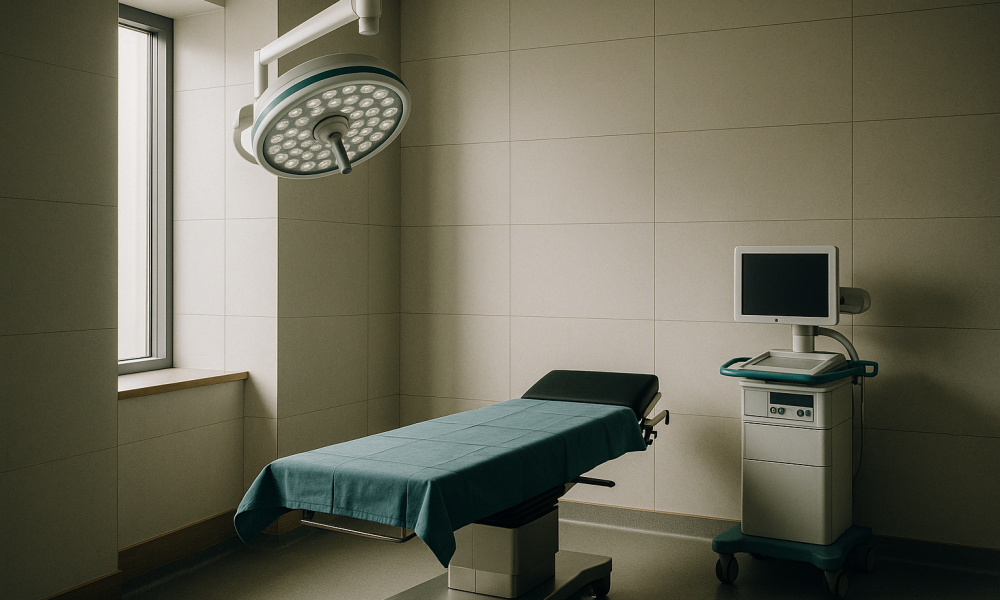
Risks, safety and how accredited Turkish providers manage them
Hallux valgus surgery, while generally safe, carries inherent risks that patients must consider. Accredited healthcare providers in Turkey are committed to minimizing these risks through stringent safety protocols and comprehensive preoperative evaluations.
Common risks associated with bunion surgery include infection, nerve damage, and recurrence of the bunion. Less common risks may involve blood clots, delayed healing, or adverse reactions to anesthesia. Turkish clinics prioritize patient safety by conducting thorough pre-surgical assessments to identify any potential complications that could arise during or after the procedure.
Accredited facilities in Turkey adhere to international standards of care, ensuring that all surgical procedures are performed by highly qualified and experienced orthopedic surgeons. These surgeons are supported by multidisciplinary teams, including anesthesiologists, nurses, and physiotherapists, who work collaboratively to deliver comprehensive care.
To mitigate infection risk, stringent sterilization protocols are followed, and patients receive prophylactic antibiotics as necessary. Postoperative care includes close monitoring for signs of infection, such as redness, swelling, or unusual discharge, allowing for prompt intervention if needed.
To address the risk of nerve damage, surgeons utilize advanced imaging techniques and surgical instruments designed to minimize trauma to surrounding tissues. This careful approach helps preserve nerve function and promotes a smoother recovery.
The risk of bunion recurrence is managed through meticulous surgical planning and technique. Surgeons assess the underlying causes of the deformity and tailor the surgical approach accordingly. Postoperative guidance, including footwear recommendations and physical therapy, is provided to help maintain the surgical correction.
Furthermore, accredited Turkish providers emphasize patient education, ensuring that individuals are fully informed about the potential risks and benefits of the surgery. This empowers patients to make informed decisions and actively participate in their recovery process.
In conclusion, while no surgical procedure is without risk, the commitment of Turkish healthcare providers to maintaining high safety standards and employing best practices significantly enhances the overall safety and efficacy of hallux valgus surgery.
Choosing the Right Provider in Turkey
When considering hallux valgus (bunion) surgery in Turkey, selecting the right healthcare provider is crucial to ensure a successful outcome. Accreditation is a key factor to consider. Look for hospitals and clinics that are accredited by internationally recognized bodies such as the Joint Commission International (JCI) or the International Organization for Standardization (ISO). These accreditations indicate that the facility meets high standards in terms of patient safety, quality of care, and operational efficiency.
The experience and qualifications of the surgeon are equally important. You should seek a surgeon who is board-certified in orthopaedic surgery and has extensive experience in performing bunion surgeries. It is advisable to inquire about the surgeon’s track record, including the number of procedures performed and the success rate. Additionally, patient testimonials and reviews can provide valuable insights into the surgeon’s expertise and patient care.
Be aware of potential red flags when choosing a provider. These include clinics that offer prices significantly lower than the average, which may indicate cut corners in patient care or surgical quality. Also, be cautious of providers that do not offer a clear breakdown of costs or those that pressurize you into making quick decisions. Transparency and thorough communication are hallmarks of reputable healthcare providers.
Consider the overall healthcare infrastructure of the facility. Modern equipment, a clean environment, and a well-trained support staff are essential for a positive surgical experience. Furthermore, ensure that there is clear communication regarding pre-operative and post-operative care, including the availability of rehabilitation services and follow-up consultations.
Hallux Valgus (Bunion) Surgery Cost in Turkey
The cost of hallux valgus surgery in Turkey is a significant consideration for many international patients. Typically, the procedure in Turkey is more affordable compared to countries like the UK, US, Germany, Australia, and Canada. Below is a comparative table of indicative price ranges for bunion surgery across these countries:
| Country | Indicative Cost Range (USD) |
|---|---|
| Turkey | $2,000 – $4,000 |
| United Kingdom | $4,500 – $7,500 |
| United States | $5,000 – $8,000 |
| Germany | $5,000 – $7,500 |
| Australia | $5,500 – $8,500 |
| Canada | $5,000 – $8,000 |
Many Turkish clinics offer all-inclusive packages which can provide excellent value for money. These packages often cover hospital fees, surgeon fees, anaesthesia, pre-operative tests, post-operative care, and sometimes accommodation and airport transfers. It’s essential to verify what is included in these packages and if there are any additional costs.
Factors that can influence the price include the complexity of the surgery, the type of anaesthesia used, the surgeon’s expertise, and the facility’s location. Urban centres like Istanbul might have higher costs compared to smaller cities, but they also offer more options and potentially better facilities.
When reviewing quotes, ensure that all elements of the procedure are clearly outlined. Hidden fees can occur if post-operative care, medications, or follow-up consultations are not included in the initial quote. A transparent quotation process is indicative of a reputable provider.
Frequently Asked Questions
What is the typical cost of bunion surgery in Turkey?
The typical cost of bunion surgery in Turkey ranges from $2,000 to $4,000. This cost can vary based on factors such as the complexity of the surgery and the specific healthcare provider. Many clinics offer all-inclusive packages which can provide additional services and support.
Are there any hidden costs in the surgery packages?
Reputable clinics should offer a comprehensive breakdown of costs in their surgery packages. However, it's crucial to confirm if post-operative care, medications, and follow-up consultations are included. Always ask for a detailed quote to avoid unexpected expenses.
Is bunion surgery in Turkey safe?
Bunion surgery in Turkey can be safe, provided you choose an accredited clinic with experienced surgeons. Ensure the facility is accredited by recognized international bodies and that the surgeon is board-certified with a good track record. Patient reviews and testimonials can also offer insights.
How do I verify the accreditation of a Turkish clinic?
You can verify a clinic's accreditation by checking for certifications from internationally recognized bodies such as the Joint Commission International (JCI) or the International Organization for Standardization (ISO). These accreditations ensure that the clinic meets high safety and quality standards.
What should I look for in a bunion surgeon?
Look for a surgeon who is board-certified in orthopaedic surgery and has extensive experience in bunion procedures. Inquire about their success rate and patient reviews. A reputable surgeon should also be transparent about the procedure and potential risks.
What is included in an all-inclusive surgery package?
An all-inclusive surgery package typically covers hospital fees, surgeon fees, anaesthesia, pre-operative tests, and post-operative care. Some packages may also include accommodation and airport transfers. Confirm all inclusions before proceeding.
How long is the recovery period after bunion surgery?
The recovery period after bunion surgery can vary but generally takes about six to eight weeks for initial healing. Full recovery, including swelling reduction and return to normal activities, may take several months. Follow-up care and rehabilitation are crucial for optimal recovery.
Will I need someone to accompany me for the surgery?
It is advisable to have someone accompany you for support during your surgery and initial recovery period. They can assist with transportation, help you understand post-operative instructions, and provide emotional support.
How do I prepare for bunion surgery in Turkey?
Preparation involves discussing your medical history with your surgeon, undergoing pre-operative tests, and arranging for post-surgery care. Follow any specific instructions provided by your healthcare provider, including fasting or medication adjustments before surgery.
What are the potential risks associated with bunion surgery?
As with any surgery, bunion surgery carries potential risks such as infection, nerve damage, or recurrence of the bunion. Discuss these risks thoroughly with your surgeon and ensure that they have measures in place to minimize them.
Can I travel immediately after surgery?
Travel is generally not recommended immediately after surgery due to the need for rest and initial recovery. Most patients are advised to wait at least a few weeks before undertaking long journeys. Always consult with your surgeon regarding travel plans post-surgery.
What follow-up care is needed after bunion surgery?
Follow-up care typically includes attending scheduled appointments with your surgeon to monitor healing, participating in physical therapy, and following specific care instructions for your foot. Proper follow-up care is essential for a successful recovery.