
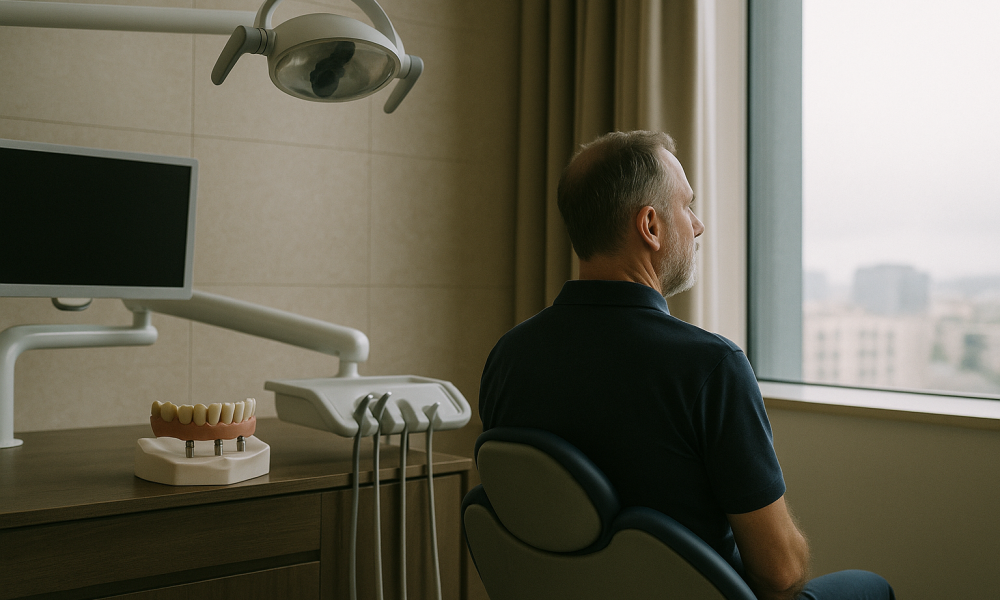
The Process: Implant-Supported Dentures in Turkey, step by step
- Enquiry: The journey begins with an enquiry, typically via a clinic’s website or a medical tourism agency. Patients provide basic information about their dental health and desired outcomes. This initial step is crucial for understanding the patient’s needs and setting realistic expectations.
- Assessment: Following the enquiry, patients undergo a thorough assessment. This can often be done remotely through photographs, dental X-rays, and medical history forms. A dental specialist reviews the information to determine the patient’s suitability for implant-supported dentures. In some cases, a preliminary video consultation may be conducted to discuss the treatment plan and answer any questions.
- Travel: Once the treatment plan is agreed upon, patients arrange their travel to Turkey. Many clinics offer assistance with travel logistics, including visa applications, accommodation booking, and airport transfers, ensuring a smooth and stress-free journey.
- Treatment Days: Upon arrival in Turkey, patients typically attend an in-person consultation and a comprehensive dental examination. The treatment itself involves the surgical placement of dental implants into the jawbone, which can take between 3 to 5 hours. Depending on the case complexity, the procedure may be performed under local or general anaesthesia. Patients are usually required to stay in the hospital overnight for observation.
- Discharge: After the procedure, patients receive post-operative care instructions and pain management prescriptions. They may need to attend follow-up appointments before returning home. The initial healing phase involves integrating the implants with the jawbone, which is critical for the success of the dentures.
- Follow-up: Follow-up care is essential for monitoring the healing process and ensuring the implants are integrating well. This may include regular check-ups and adjustments to the dentures over several months. Clinics often provide remote support and guidance during this period to address any concerns or complications that may arise.
What Implant-Supported Dentures is and who it is for
Implant-supported dentures are a modern dental solution designed to replace missing teeth and provide superior stability compared to traditional dentures. Unlike regular dentures, which rest on the gums, implant-supported dentures are anchored to the jawbone using dental implants. This provides a more secure fit, improved function, and a natural appearance.
The process involves surgically placing titanium implants into the jawbone, which act as artificial tooth roots. Once the implants have integrated with the bone, custom-made dentures are attached, offering a permanent and stable solution for tooth loss.
Implant-supported dentures are suitable for individuals who have lost most or all of their teeth due to decay, gum disease, or trauma. They are particularly beneficial for those who struggle with the discomfort and instability of conventional dentures. Candidates for this treatment should have sufficient jawbone density to support the implants, although bone grafting procedures can be performed if needed.
This treatment is ideal for patients seeking a long-term solution to restore their smile, improve oral function, and enhance their quality of life. It is also recommended for individuals who prefer a non-removable option that closely mimics the feel and function of natural teeth. However, it is important for candidates to maintain good oral hygiene and attend regular dental check-ups to ensure the longevity of their implant-supported dentures.
While the upfront cost may be higher than traditional dentures, the durability and benefits of implant-supported dentures make them a worthwhile investment for many patients. In Turkey, the treatment is often more affordable compared to other countries, making it an attractive option for international patients seeking high-quality dental care at competitive prices.
Are you a candidate? Criteria and preparation
Implant-supported dentures offer a robust and aesthetically pleasing solution for those seeking to replace missing teeth. However, not everyone is an ideal candidate for this procedure. Understanding the criteria and preparation involved can help determine your suitability.
Candidates for implant-supported dentures generally need to meet specific criteria to ensure the success of the implants. Firstly, adequate bone density and volume in the jaw are crucial as the implants need a stable foundation for anchorage. A bone graft might be necessary if there is insufficient bone structure. Secondly, candidates must have healthy gum tissue free from periodontal disease, as this can affect healing and implant stability.
General health is another important factor. Patients should be in good overall health, as conditions like uncontrolled diabetes or autoimmune diseases can impede healing. Smoking is a significant risk factor and may affect implant success; thus, candidates are encouraged to cease smoking prior to surgery.
Before undergoing the procedure, a comprehensive dental evaluation is necessary. This involves a detailed examination of your dental and medical history, alongside diagnostic imaging like X-rays or CT scans to assess bone structure and oral health.
Preparation for implant-supported dentures involves several steps to ensure optimal conditions for the procedure and healing process. Here is a checklist to guide you through the preparation phase:
- Consultation with a qualified dental specialist to discuss your goals and expectations.
- Comprehensive dental examination including X-rays or CT scans.
- Assessment of bone density and volume; consider the possibility of bone grafting if necessary.
- Evaluation of gum health; treatment of any periodontal issues if present.
- Review of medical history and discussion of any health conditions that may impact the procedure.
- Smoking cessation plan to improve healing and implant success rates.
- Discussion of anaesthesia options and pre-operative instructions.
- Planning for post-surgery care and recovery time, including dietary modifications and oral hygiene practices.
By meeting these criteria and following the preparation steps, patients can increase the likelihood of a successful outcome with implant-supported dentures. This thorough preparation also helps in setting realistic expectations and ensuring a smoother recovery process.
Techniques and options available in Turkey
Turkey is renowned for its advanced dental care facilities and skilled professionals, making it a popular destination for implant-supported dentures. Various techniques and options are available, tailored to meet individual needs and preferences.
The most common technique used for implant-supported dentures is the endosteal implant, which involves placing titanium screws into the jawbone. These act as artificial roots to support the dentures. The All-on-4 technique is particularly popular, offering a full arch restoration using only four implants, strategically placed to maximise support and minimise the need for bone grafting.
Another technique employed is the zygomatic implant, which is used in cases where the patient has severe bone loss in the upper jaw. These implants are longer and anchored into the zygomatic bone, providing a stable foundation when traditional implants are not feasible.
There are also various options for the denture materials and designs. The dentures can be fixed or removable, depending on the patient’s preference and oral condition. Fixed dentures are secured permanently and can only be removed by a dentist, offering more stability and comfort. Removable options allow for easier cleaning and maintenance.
In terms of materials, the dentures can be made from acrylic, porcelain, or a combination of zirconia and porcelain. Acrylic is cost-effective and lighter, while porcelain offers a more natural appearance. Zirconia is known for its durability and strength, often used for patients seeking long-lasting solutions.
Turkey’s dental clinics are equipped with state-of-the-art technology, including CAD/CAM systems for precise design and fabrication of dentures. This technology allows for highly customised prosthetics that fit comfortably and function effectively.
Patients can expect a comprehensive treatment plan that includes pre-operative assessments, surgical placement of implants, and the final fitting of the dentures. Post-operative care is also a critical component, with clinics providing detailed instructions and follow-up appointments to ensure optimal healing and adjustment.
Cost is often a significant consideration for international patients. In Turkey, the cost of implant-supported dentures is generally more affordable compared to many Western countries, with indicative ranges varying based on the complexity of the case and the materials chosen. Patients are encouraged to consult with clinics to obtain detailed quotes tailored to their specific needs.
With a range of techniques and options available, Turkey offers a flexible and high-quality solution for those seeking implant-supported dentures. The combination of skilled practitioners, advanced technology, and cost-effective options makes it an attractive destination for dental tourism.
Recovery and aftercare timeline
The recovery and aftercare period following implant-supported dentures is a crucial phase in ensuring the success of the procedure and the longevity of the implants. Patients should be aware that the healing process can vary depending on individual health factors and the complexity of the procedure. Below is a detailed timeline of what to expect during the recovery phase, along with specific care recommendations.
| Period | What to expect | Care notes |
|---|---|---|
| First 24-48 hours | During the initial days post-surgery, patients may experience swelling, bruising, and minor bleeding. Discomfort is common, but pain should be manageable with prescribed medications. | Rest is essential. Apply ice packs to reduce swelling. Avoid hot foods and drinks. Stick to a soft diet and avoid disturbing the surgical site. Follow your dentist’s instructions regarding medication and oral hygiene. |
| First week | Swelling and bruising should begin to subside. Some patients might feel discomfort when eating or speaking. | Continue with a soft diet and maintain good oral hygiene, brushing gently around the surgical area. Attend any scheduled follow-up appointments to monitor healing progress. |
| 2-4 weeks | Most acute symptoms will have diminished. The gum tissue will start to heal around the implant posts. | Gradually reintroduce firmer foods as comfort allows. Avoid hard or sticky foods that could damage the implants. Regular cleaning is vital to prevent infection. |
| 1-3 months | The osseointegration process (where the jawbone fuses with the implant) continues during this period. Some residual sensitivity may be experienced. | Maintain regular dental check-ups to ensure proper healing. Follow specific care instructions provided by your dentist to support osseointegration. |
| 3-6 months | Most patients will be ready for the final attachment of the dentures. The implants should be fully integrated. | Discuss with your dentist about transitioning to the full use of your new dentures. Continue with regular dental visits and adhere to recommended oral hygiene practices. |
Following these guidelines closely will facilitate a smoother recovery and maximise the success rate of implant-supported dentures.
Risks, safety and how accredited Turkish providers manage them
While implant-supported dentures are generally safe and successful, as with any surgical procedure, there are inherent risks. Understanding these risks and the measures taken by accredited Turkish providers can help patients make informed decisions.
Potential risks include:
- Infection: Post-operative infections can occur, although they are rare when proper hygiene is maintained.
- Nerve damage: There is a small risk of nerve damage, particularly in the lower jaw, which can lead to numbness or tingling.
- Implant failure: Occurs when the implant does not integrate with the jawbone, often due to poor bone quality or insufficient osseointegration.
- Sinus issues: In upper jaw implants, there is a risk of sinus perforation, which can lead to complications.
- Allergic reactions: Some patients may have allergic reactions to the materials used in the implants.
Accredited Turkish providers are committed to minimising these risks through stringent safety protocols and advanced medical practices. Here’s how they manage potential complications:
- Comprehensive Pre-Operative Assessment: Thorough evaluations, including X-rays and 3D imaging, are conducted to ensure optimal implant placement and to assess bone quality.
- Hygiene and Sterilisation: Clinics adhere to international standards of hygiene and sterilisation to prevent infections. Surgical instruments and environments are maintained with the highest levels of cleanliness.
- Qualified Specialists: Procedures are performed by experienced oral surgeons and dental specialists who are well-versed in the latest techniques and safety protocols.
- Advanced Technology: Utilisation of cutting-edge technology such as computer-guided surgery ensures precision in implant placement, reducing the risk of complications.
- Post-Operative Care: Patients receive detailed aftercare instructions and are monitored closely during the recovery period to identify and address any issues promptly.
- Emergency Protocols: Accredited clinics have established emergency protocols to manage any adverse events swiftly and effectively.
Choosing a reputable and accredited dental provider in Turkey is key to mitigating risks and ensuring a successful outcome. Patients are encouraged to discuss any concerns with their dental care team to fully understand the measures in place to safeguard their health and wellbeing.
Choosing the right provider in Turkey
When considering implant-supported dentures in Turkey, selecting the right provider is paramount to ensure safety and optimal outcomes. Accreditation is a critical factor. Look for clinics that are accredited by international bodies such as the Joint Commission International (JCI) or the Turkish Ministry of Health. These accreditations indicate adherence to rigorous standards of quality and safety.
Surgeon experience is another vital consideration. Research the backgrounds of potential surgeons, focusing on their education, years of experience, and specialization in implant dentistry. Reputable clinics often provide detailed profiles of their dental professionals, including their credentials and membership in professional organizations such as the International Congress of Oral Implantologists (ICOI) or the European Association for Osseointegration (EAO).
Be vigilant for red flags that may indicate subpar service. These include clinics that lack clear accreditation, have vague or overly promotional websites, or refuse to provide detailed information about their dental professionals. Additionally, be wary of clinics that offer prices significantly lower than the average range without a clear explanation, as this may reflect compromised quality or hidden costs.
Patient testimonials and reviews can also provide valuable insights into the quality of care and patient satisfaction. Look for consistent positive feedback and consider reaching out to past patients if possible. Transparency in communication, willingness to answer questions, and thorough pre-treatment consultation are indicative of a reliable provider.
Ultimately, choosing the right provider involves careful research and consideration of various factors. Prioritize clinics that demonstrate a commitment to quality, transparency, and patient safety, ensuring a favorable experience and successful treatment outcome.
Implant-Supported Dentures Cost in Turkey
The cost of implant-supported dentures in Turkey is considerably lower than in many Western countries, making it an attractive option for international patients. Below is an indicative price table comparing the costs in Turkey with those in the UK, US, Germany, Australia, and Canada:
| Country | Indicative Cost Range (USD) |
|---|---|
| Turkey | $3,000 – $7,000 |
| UK | $10,000 – $20,000 |
| US | $15,000 – $30,000 |
| Germany | $12,000 – $25,000 |
| Australia | $13,000 – $27,000 |
| Canada | $14,000 – $28,000 |
In Turkey, many clinics offer all-inclusive packages for implant-supported dentures. These packages typically cover the cost of the implants, the dentures, surgical fees, anesthesia, and post-operative care. Some packages may also include accommodation, airport transfers, and a personal assistant to facilitate your stay, ensuring a seamless experience.
Factors that can influence the price include the number of implants required, the type of materials used for the dentures, the complexity of the case, and the specific clinic’s pricing policies. Additional procedures such as bone grafting or sinus lifts, if necessary, may also affect the total cost.
When reviewing quotes from clinics, it is essential to read them carefully and ask for clarification on any unclear points. Ensure that the quote includes a breakdown of all costs and clearly states what is covered in the package. Be cautious of quotes that seem unusually low, as they may not include all necessary components of the treatment or may compromise on quality.
In summary, while the cost of implant-supported dentures in Turkey is competitive, it is crucial to consider the full scope of the treatment package and ensure transparency in pricing to make an informed decision.
Frequently Asked Questions
What is the average cost of implant-supported dentures in Turkey?
The average cost of implant-supported dentures in Turkey ranges from $3,000 to $7,000. This is significantly lower than in many Western countries due to lower operational and material costs. However, the final price can vary based on the number of implants needed and the specific clinic's pricing policy.
Are there any hidden costs for implant-supported dentures in Turkey?
Reputable clinics in Turkey typically offer transparent pricing with no hidden costs. However, it is crucial to read the quote carefully and ask for a detailed cost breakdown. Ensure that the quote covers all aspects of the treatment, including implants, dentures, surgical fees, and any additional procedures like bone grafting.
How safe is it to get implant-supported dentures in Turkey?
Turkey is known for its high standards in dental care, with many clinics accredited by international bodies such as the Joint Commission International (JCI). By choosing a reputable clinic with experienced surgeons, patients can expect a safe and effective treatment. It's important to research and select a clinic with a proven track record of successful outcomes.
What should I look for in a Turkish dental clinic?
When choosing a dental clinic in Turkey, look for accreditation by international or national bodies, experienced and qualified dental professionals, and positive patient reviews. Transparency in communication and a willingness to provide detailed information about the treatment process are also important indicators of a reliable clinic.
What does an all-inclusive dental package typically include?
An all-inclusive dental package for implant-supported dentures in Turkey generally includes the cost of implants, dentures, surgical fees, anesthesia, and post-operative care. Some packages may also cover accommodation, airport transfers, and a personal assistant to assist during your stay, providing a comprehensive service.
How do I verify the credentials of a Turkish dentist?
You can verify a Turkish dentist's credentials by checking their membership in professional organizations such as the International Congress of Oral Implantologists (ICOI) or the European Association for Osseointegration (EAO). Additionally, reputable clinics often provide detailed profiles of their dental professionals, outlining their education and experience.
What are the advantages of getting implant-supported dentures in Turkey?
The primary advantages include significant cost savings, high-quality care from experienced professionals, and the opportunity to combine treatment with a holiday in a culturally rich country. Many Turkish clinics offer modern facilities and use advanced technology to ensure successful outcomes.
How long should I plan to stay in Turkey for the procedure?
The duration of your stay in Turkey for implant-supported dentures depends on the treatment plan. Typically, patients may need to stay for one to two weeks for the initial procedure and return after a few months for the final fitting. Your clinic will provide a detailed schedule based on your specific case.
Can I travel immediately after the procedure?
It is generally recommended to rest for a few days following the procedure to ensure proper healing and minimize discomfort. Most patients can travel shortly after, but it's important to follow the surgeon's advice and attend any necessary follow-up appointments before departure.
What follow-up care is provided after the procedure?
Most clinics in Turkey offer comprehensive post-operative care, including follow-up appointments to monitor healing and ensure the success of the implants. Your dentist will provide detailed instructions on oral hygiene and diet to promote optimal recovery and long-term success.
Are Turkish dentists fluent in English?
Many Turkish dentists are fluent in English, especially those working in clinics catering to international patients. Clinics often have multilingual staff to ensure clear communication and a comfortable experience for patients from various countries.
How can I prepare for my dental trip to Turkey?
To prepare for your dental trip, research and choose a reputable clinic, ensure your passport and travel documents are in order, and arrange accommodation if not included in the package. It's also advisable to discuss your treatment plan and any medical conditions with your dentist before traveling.