

The Process: Mustache Transplant in Turkey, step by step
- Enquiry: The journey begins with an initial enquiry where potential patients reach out to clinics in Turkey. This can be done through various platforms such as email, phone, or online consultation forms. During this stage, patients can ask preliminary questions about the procedure, costs, and expectations.
- Assessment: Once the initial contact is made, a detailed assessment follows. This involves sharing photos and medical history with the clinic. A specialist will evaluate the patient’s facial hair density, skin type, and overall health to determine if they are a suitable candidate for the procedure.
- Travel Arrangements: Upon confirmation, patients are advised to make travel arrangements. Many clinics offer assistance with travel logistics, including visa support, accommodation, and transportation services. Patients are encouraged to arrive at least one day before the scheduled procedure to acclimatize and attend a pre-surgery consultation.
- Treatment Days: The mustache transplant typically takes place over a single day. Upon arrival at the clinic, patients undergo a pre-operative consultation to finalize the treatment plan. The procedure is performed under local anaesthesia. Hair follicles are extracted from the donor area, usually the back of the scalp, and meticulously transplanted to the mustache area.
- Discharge: After the procedure, patients are given post-operative care instructions to ensure optimal recovery. Since the procedure is minimally invasive, patients can leave the clinic on the same day. They are advised to rest and avoid strenuous activities.
- Follow-up: Follow-up care is crucial for monitoring the healing process. Patients are typically scheduled for check-ins with their surgeon, either in person or via virtual consultations. During these sessions, the surgeon will assess the transplant’s progress and address any concerns.
What Mustache Transplant is and who it is for
A mustache transplant is a cosmetic procedure designed to enhance the density and fullness of facial hair in the mustache area. It involves the relocation of hair follicles from a donor site, usually the back of the scalp, to the upper lip region. This procedure is particularly beneficial for individuals experiencing patchy or sparse facial hair due to genetics, hormonal imbalances, or trauma.
The procedure is minimally invasive and performed under local anaesthesia, ensuring comfort and safety for the patient. Typically, it takes about 4 to 6 hours to complete, depending on the extent of the transplant needed. The transplanted hairs are carefully placed to mimic natural hair growth patterns, resulting in a fuller and more aesthetically pleasing mustache.
Mustache transplants are suitable for men of various ages who wish to improve their facial hair appearance. Candidates often include those with congenital absence of facial hair, individuals with scarring from accidents or surgeries, and those who have undergone hair loss due to medical treatments. The procedure is also an option for transgender individuals seeking to align their physical appearance with their gender identity.
Post-procedure, patients can expect a recovery period of about 3 to 4 weeks, with the most significant growth visible within 6 to 9 months. The results are generally permanent, as the transplanted hair retains the characteristics of the donor site hair. However, patients should maintain realistic expectations and understand that individual outcomes can vary.
Overall, a mustache transplant can significantly boost self-confidence and enhance one’s appearance, making it a popular choice for those seeking a permanent solution to facial hair concerns.

Are you a candidate? Criteria and preparation
Determining candidacy for a mustache transplant involves a comprehensive evaluation of various factors, both medical and personal. It is crucial to assess these aspects to ensure that the procedure will be safe, effective, and aligned with your expectations. Here, we outline the key criteria and preparatory steps necessary for potential candidates.
Firstly, candidates should be in good general health. This is important because any surgical procedure, even minimally invasive ones like hair transplants, can impose stress on the body. A healthy individual is more likely to recover quickly and without complications. Conditions such as uncontrolled diabetes, bleeding disorders, or autoimmune diseases may affect candidacy.
Next, the availability of donor hair is a primary consideration. Typically, hair is harvested from the back of the scalp, an area generally resistant to balding. The quality and density of hair in this donor site will significantly impact the outcome of the transplant. Those with insufficient donor hair may not achieve the desired results.
Individuals should also have realistic expectations. A mustache transplant can enhance facial hair density, but the final result depends on several factors, including hair characteristics and the individual’s facial anatomy. Therefore, it is vital that candidates discuss their goals with a qualified surgeon to understand what can be realistically achieved.
Psychological readiness is another crucial criterion. Candidates should be prepared for the time commitment involved, including the actual procedure and the recovery period. Moreover, they should be aware that it might take several months for the full results to manifest.
- Good general health with no uncontrolled chronic conditions
- Adequate donor hair availability
- Realistic expectations regarding outcomes
- Commitment to post-operative care and recovery time
- Psychological readiness for the procedure
Preparation for a mustache transplant involves several steps. Initially, a detailed consultation with a hair restoration specialist is essential. During this consultation, the doctor will evaluate your medical history, discuss your goals, and examine your donor and recipient sites.
Pre-operative instructions may include avoiding smoking and alcohol, as these can impede healing and increase the risk of complications. Blood thinners and certain medications might need to be paused before surgery, but only under guidance from your healthcare provider.
Furthermore, patients may be advised to wash their hair thoroughly with a prescribed shampoo the night before the procedure. This helps minimize the risk of infection. Eating a light meal on the day of surgery is usually recommended unless instructed otherwise by your surgeon.
In summary, being a suitable candidate for a mustache transplant involves meeting specific health criteria, having realistic expectations, and properly preparing for the procedure. A comprehensive evaluation by a qualified professional will help ensure that the procedure is both safe and effective for you.
Techniques and options available in Turkey
Turkey has emerged as a leading destination for mustache transplants, offering a variety of advanced techniques tailored to meet the diverse needs of international patients. The country is renowned for its highly skilled surgeons and state-of-the-art clinics, providing quality care at competitive prices. Below, we explore the techniques commonly employed in Turkey and the options available for those considering this procedure.
The two primary techniques used for mustache transplants are Follicular Unit Extraction (FUE) and Direct Hair Implantation (DHI). Each method has its unique advantages and may be recommended based on the individual’s specific requirements and the surgeon’s expertise.
Follicular Unit Extraction (FUE): This technique involves the extraction of individual hair follicles from the donor area, typically the back of the scalp, using a specialized micro-punch tool. The extracted follicles are then meticulously implanted into the mustache area. FUE is minimally invasive, leaves no linear scars, and offers a quicker recovery time compared to older methods. It is particularly suitable for patients who prefer a short hairstyle, as there is no visible scarring.
Direct Hair Implantation (DHI): DHI is an advanced variation of FUE where the extraction and implantation occur simultaneously using a Choi pen, a specialized tool that allows precise control over the depth, angle, and direction of the implanted hair. This technique is often preferred for its precision and ability to create a natural-looking mustache with optimal density. DHI generally requires a team of skilled practitioners due to its complexity.
Besides these primary techniques, clinics in Turkey offer additional options to enhance the transplant experience. Patients can choose from a range of accommodations, from budget-friendly to luxury, ensuring comfort during their stay. Many clinics provide comprehensive packages that include airport transfers, accommodation, and post-operative care, making the process seamless for international patients.
Moreover, some clinics employ advanced technologies to enhance the success of the transplant. For instance, the use of platelet-rich plasma (PRP) therapy is common. PRP involves injecting concentrated platelets from the patient’s own blood into the treated area to promote healing and stimulate hair growth. This adjunctive treatment can enhance the overall results of the transplant.
It is crucial for patients to select a clinic that adheres to international standards of quality and safety. Prospective patients should inquire about the qualifications and experience of the surgical team, the techniques offered, and the clinic’s accreditation. Many Turkish clinics boast affiliations with international health organizations, underscoring their commitment to excellence.
In conclusion, Turkey offers a range of techniques and options for mustache transplants, catering to the diverse needs of global patients. Whether opting for FUE or DHI, patients can expect high standards of care and innovation in this field. Thorough research and careful selection of the clinic and surgeon are paramount to achieving the desired outcome.
Recovery and aftercare timeline
Undergoing a mustache transplant in Turkey is a significant decision, and understanding the recovery and aftercare process is crucial for achieving the best results. The recovery timeline involves several stages, each with specific expectations and care requirements. Patients should follow their surgeon’s detailed instructions to ensure a smooth recovery process and optimal results.
| Period | What to expect | Care notes |
|---|---|---|
| Day 1-3 | Initial recovery period with mild swelling and tenderness. Tiny scabs may form around the transplanted follicles. | Rest is essential. Avoid touching or rubbing the transplanted area. Use prescribed medications to manage discomfort. Keep the area clean and dry. |
| Day 4-7 | Swelling and redness begin to subside. Scabs start to fall off naturally. | Continue to avoid direct contact with the mustache area. Refrain from strenuous activities. Follow any special washing instructions provided by your surgeon. |
| Week 2-4 | Most scabs have fallen off. The transplanted hairs may start to shed, a normal part of the process. | Shedding is expected and should not be alarming. Maintain a gentle washing routine. Avoid shaving the area until advised by your surgeon. |
| Month 1-3 | New hair growth begins to appear. The area may still feel slightly sensitive. | Patience is key. Continue with any prescribed topical treatments. Avoid sun exposure to the area to prevent damage. |
| Month 4-6 | Noticeable improvement in hair density and texture. The mustache begins to take shape. | Regular grooming can be resumed. Follow up with your surgeon to monitor progress and address any concerns. |
| Month 6-12 | Full results are becoming evident. The mustache appears fuller and more natural. | Continue regular grooming habits. Attend any scheduled follow-up appointments to ensure long-term success. |
During the recovery process, it is crucial to adhere to your surgeon’s instructions, as they are tailored to your individual needs. Regular follow-up appointments are vital to monitor healing and address any complications promptly. By meticulously following aftercare guidelines, patients can significantly enhance the success of their mustache transplant.
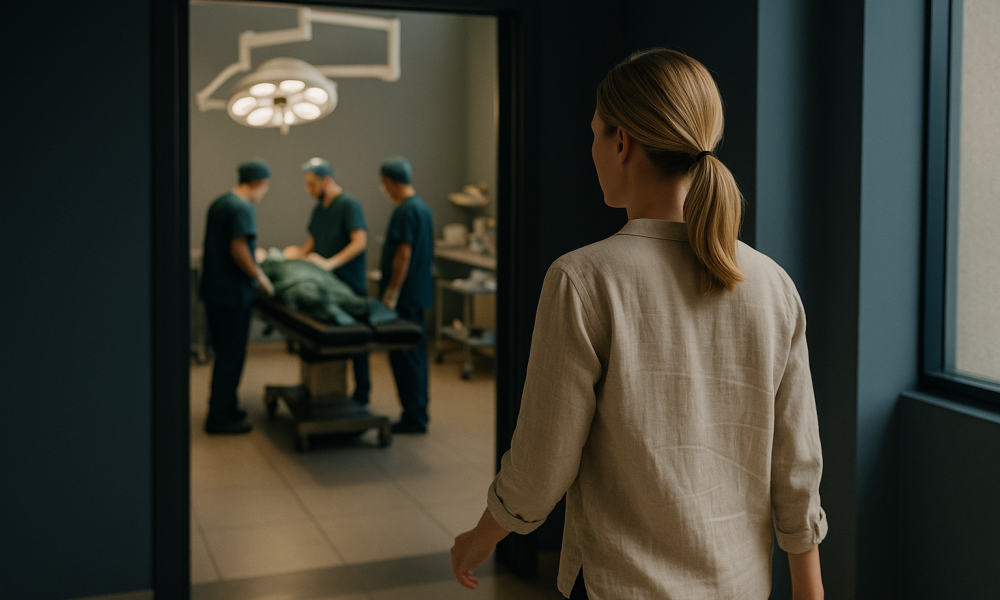
Risks, safety and how accredited Turkish providers manage them
As with any surgical procedure, a mustache transplant comes with certain risks and potential complications. However, accredited clinics in Turkey are well-equipped to manage these risks effectively, ensuring patient safety and satisfaction. Understanding these risks and the measures taken by Turkish providers can help patients make informed decisions.
Common risks associated with mustache transplants include infection, scarring, unnatural hair growth patterns, and dissatisfaction with cosmetic results. Accredited Turkish providers mitigate these risks through several key strategies:
- Infection control: Clinics maintain stringent hygiene standards, with sterilised equipment and environments. Pre-operative and post-operative antibiotics may be prescribed to minimise infection risks.
- Scarring prevention: Skilled surgeons use advanced techniques to minimise scarring. The use of fine instruments and careful handling of grafts help in reducing visible scars.
- Natural results: Experienced surgeons plan the transplant meticulously, considering hair direction and density to ensure a natural appearance. They often use the latest techniques such as Follicular Unit Extraction (FUE) to achieve optimal results.
- Patient dissatisfaction: Clear communication between the patient and surgeon is essential. Accredited providers conduct thorough consultations to align expectations and outcomes. They offer realistic previews and detailed explanations of what to expect.
Accredited clinics in Turkey are subject to regular inspections and must comply with national and international healthcare standards. This ensures that they operate under stringent safety protocols. Furthermore, many Turkish surgeons are members of international professional bodies, which require adherence to specific ethical and professional standards.
Additionally, Turkish clinics often provide comprehensive pre-operative assessments, including medical history reviews and necessary health screenings, to ensure that patients are suitable candidates for the procedure. During these assessments, potential risks specific to the individual patient are identified and addressed, further enhancing safety.
Post-operative care is another critical component of risk management. Accredited clinics offer detailed aftercare instructions and regular follow-up appointments to monitor recovery and address any arising issues promptly. Patients are encouraged to report any unusual symptoms immediately to their healthcare provider to prevent complications.
In summary, while a mustache transplant involves certain risks, choosing an accredited Turkish provider significantly reduces these through rigorous safety measures and expert care. Patients can feel confident in their choice by researching and selecting clinics with proven track records of safety and success.
7. Choosing the right provider in Turkey (accreditation, surgeon experience, red flags)
When considering a mustache transplant in Turkey, selecting the right provider is crucial for achieving satisfactory results and ensuring your safety. Accreditation is a key factor; look for clinics that are accredited by international health organizations such as the Joint Commission International (JCI) or the International Society of Hair Restoration Surgery (ISHRS). These accreditations indicate that the clinic meets stringent international healthcare standards.
Surgeon experience is another critical aspect. A highly experienced surgeon with a specialized focus on hair restoration techniques can significantly influence the outcome of your procedure. Research the surgeon’s credentials, including their education, years of practice, and number of successful procedures performed. Many reputable clinics provide detailed biographies of their surgeons, including patient testimonials and before-and-after galleries.
It’s also important to be aware of potential red flags that may indicate a less reputable provider. Be cautious of clinics that offer unbelievably low prices, as these may compromise on quality or use inexperienced staff. High-pressure sales tactics and a lack of transparency about the procedures are also concerning. Look for clinics that provide comprehensive consultations, where they assess your suitability for the procedure and discuss realistic expectations.
Ensure that the clinic has a robust follow-up care program. Post-operative care is essential for monitoring the healing process and addressing any complications that might arise. A reputable clinic will provide detailed information about aftercare and be available for any questions or concerns you may have after the procedure.
Lastly, consider the clinic’s location and infrastructure. A modern, well-equipped facility is indicative of a clinic’s commitment to high-quality care. Some clinics offer virtual tours on their websites, allowing you to get a sense of their environment before making any commitments.
8. Mustache Transplant Cost in Turkey
The cost of a mustache transplant in Turkey is one of the most attractive aspects for many international patients. While exact prices vary depending on several factors, the indicative price range for a mustache transplant in Turkey is typically between $1,500 and $3,000. This is considerably lower than in countries such as the UK, US, Germany, Australia, and Canada, where prices can range from $4,000 to $15,000.
| Country | Indicative Cost |
|---|---|
| Turkey | $1,500 – $3,000 |
| UK | $6,000 – $10,000 |
| US | $7,000 – $15,000 |
| Germany | $5,000 – $9,000 |
| Australia | $6,500 – $12,000 |
| Canada | $6,000 – $11,000 |
Many clinics in Turkey offer all-inclusive packages that cover not only the surgery itself but also accommodation, transportation, and post-operative care. These packages provide convenience and peace of mind, as they are designed to cater to international patients’ needs. However, it’s essential to carefully review what each package includes, as services can vary significantly from one provider to another.
Several factors can influence the final cost of your mustache transplant. These include the technique used, the number of grafts required, and the surgeon’s expertise. Advanced techniques or a higher number of grafts may increase the price. Additionally, clinics with highly experienced surgeons or those located in prime areas may charge more.
When obtaining quotes, ensure that they are comprehensive and transparent. A reputable clinic will provide a detailed breakdown of costs, including any potential additional fees. Be cautious of hidden charges that may not be initially disclosed. It’s advisable to compare quotes from multiple clinics to ensure you receive the best value for your investment without compromising on quality.
Frequently Asked Questions
Is a mustache transplant safe?
Mustache transplants are generally safe when performed by qualified and experienced surgeons. The procedure is minimally invasive, and most patients experience only minor side effects such as swelling or redness. Choosing a reputable clinic with proper accreditation ensures adherence to safety protocols.
What factors affect the cost of a mustache transplant?
The cost of a mustache transplant can be influenced by several factors, including the technique used, the number of grafts needed, the surgeon's experience, and the clinic's location. Advanced techniques and highly experienced surgeons may increase the cost, while all-inclusive packages can offer more predictable pricing.
How does Turkey compare cost-wise for mustache transplants?
Turkey offers significant cost advantages for mustache transplants, with prices substantially lower than in countries like the US, UK, and Australia. This affordability, combined with high-quality care, makes Turkey a popular destination for this procedure.
What should I look for in a mustache transplant clinic?
Look for clinics with international accreditation, experienced surgeons, and positive patient reviews. Transparency in pricing and a comprehensive follow-up care program are also important. Avoid clinics that use high-pressure sales tactics or offer unrealistically low prices.
How long does it take to see results from a mustache transplant?
Initial results from a mustache transplant can be seen within a few months, but full results typically take 9 to 12 months to develop as the transplanted hair grows and thickens. Patience is essential as the hair undergoes natural growth cycles.
Is there a risk of scarring from a mustache transplant?
Scarring is minimal in mustache transplants due to the advanced techniques used, such as FUE, which involves extracting individual hair follicles. Any scars are usually small and well-concealed. Choosing an experienced surgeon further reduces the risk of noticeable scarring.
Can I combine a mustache transplant with other procedures?
Yes, many patients choose to combine a mustache transplant with other facial hair restoration procedures, such as beard or eyebrow transplants. Discussing your goals with your surgeon will help determine the best approach and timing for combined procedures.
What is the recovery process like after a mustache transplant?
Recovery is relatively quick, with most patients resuming normal activities within a few days. Some swelling and redness are common but subside within a week. Following post-operative care instructions is crucial for optimal healing and results.
How do I prepare for a mustache transplant?
Preparation involves a consultation with your surgeon to discuss expectations and medical history. You may be advised to avoid certain medications and smoking before the procedure. Following pre-operative instructions ensures the best possible outcome.
Are there any age restrictions for mustache transplants?
Mustache transplants are typically suitable for adults over the age of 18. However, the best candidates are those with fully developed facial hair patterns. A consultation with a qualified surgeon will help determine your suitability based on individual factors.
What is included in an all-inclusive mustache transplant package?
All-inclusive packages may cover the surgery, accommodation, airport transfers, and sometimes meals. They are designed for international patients seeking convenience and cost-effectiveness. Always verify what is included in the package to avoid unexpected expenses.
How do I choose the right surgeon for my mustache transplant?
Choose a surgeon with specialized training and extensive experience in hair restoration. Review their credentials, patient testimonials, and before-and-after photos. A thorough consultation should be offered to discuss your goals and assess your suitability for the procedure.