
The Process: Pacemaker Implantation Abroad in Turkey, step by step
- Enquiry: The journey begins with an enquiry to a reputable medical tourism facilitator or directly to a Turkish clinic. Patients provide their medical history and specific concerns regarding their heart health.
- Assessment: A comprehensive assessment is conducted by a cardiologist. This can often be done remotely via teleconsultation. The cardiologist reviews the patient’s medical records, including any previous tests or treatments, to determine if a pacemaker is the appropriate intervention.
- Travel Arrangements: Once approved for the procedure, patients coordinate travel arrangements. This includes booking flights, arranging accommodation, and planning local transportation. Many clinics offer packages that may include these logistics.
- Treatment Days: Upon arrival in Turkey, patients meet their medical team for an in-person consultation. Pre-operative tests such as ECG, blood tests, and imaging studies are performed to ensure the patient’s readiness for surgery. The pacemaker implantation is typically scheduled within a day or two of these evaluations.
- Discharge: Patients are usually discharged from the hospital within 1-2 days post-surgery, depending on their recovery. Instructions on wound care, medication, and activity restrictions are provided.
- Follow-up: Follow-up care is essential to monitor the pacemaker’s function and the patient’s recovery. This may include remote monitoring or scheduled check-ups with a local cardiologist. The Turkish clinic may offer remote consultations for international patients to ensure ongoing care.
What Pacemaker Implantation Abroad is and who it is for
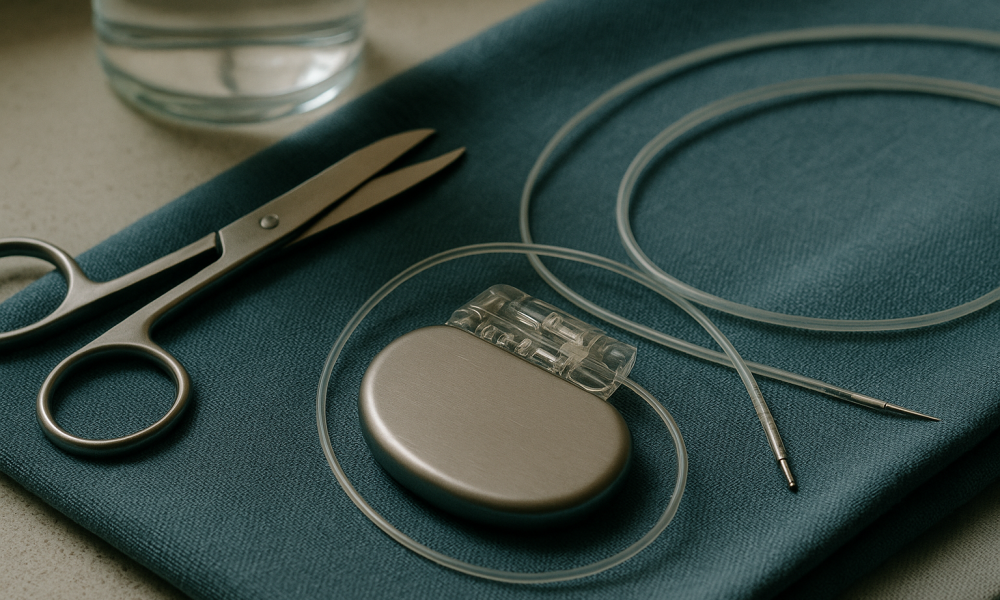
Pacemaker implantation is a medical procedure designed to correct arrhythmias, which are problems with the rate or rhythm of the heartbeat. It involves placing a small electronic device called a pacemaker under the skin near the heart. The pacemaker sends electrical impulses to the heart to ensure it beats regularly. This procedure is crucial for patients with bradycardia, where the heart beats too slowly, or for those with certain types of heart block.
Choosing to have a pacemaker implanted abroad, particularly in Turkey, offers several advantages. Turkey is known for its high-quality healthcare services at competitive prices, making it an attractive destination for medical tourists. Patients from countries with long waiting lists or high treatment costs may find this option particularly beneficial.
Pacemaker implantation is suitable for individuals diagnosed with heart conditions that affect the heart’s electrical system. This includes those suffering from chronic arrhythmias, heart block, or patients who have had a heart attack that compromised the heart’s normal rhythm. The procedure is typically recommended for those who have not responded to medication or other less invasive treatments.
Turkey’s healthcare system is equipped with state-of-the-art facilities and internationally accredited hospitals, ensuring patients receive care that meets global standards. The medical teams involved in pacemaker implantation are often multilingual, facilitating communication with international patients and ensuring that they feel comfortable and well-informed throughout their treatment journey.
Patients considering this procedure abroad should ensure they understand the entire process, from initial consultation to post-operative care. They should also be aware of the importance of follow-up appointments, whether they are conducted locally or through telemedicine services provided by the Turkish clinic.

Are you a candidate? Criteria and preparation
Determining whether you are a candidate for pacemaker implantation involves a comprehensive evaluation by a qualified cardiologist. This evaluation typically includes a thorough review of your medical history, a physical examination, and various diagnostic tests. Pacemakers are generally recommended for individuals who experience symptoms related to bradycardia, heart block, or other rhythm disorders that compromise the heart’s ability to pump blood effectively.
Key criteria for candidacy include:
- Symptoms of bradycardia such as fatigue, dizziness, or fainting spells.
- Diagnosis of heart block, where the electrical signals in the heart are partially or completely blocked.
- History of syncope (fainting) episodes that are suspected to be related to heart rhythm abnormalities.
- Evidence of a slow heart rate (usually less than 60 beats per minute) that causes symptoms.
- Previous heart surgery or conditions affecting the heart’s electrical system.
- Age and overall health status, which may influence recovery and long-term outcomes.
- Absence of contraindications such as certain types of infections or severe heart valve diseases.
Preparation for pacemaker implantation involves several steps to ensure safety and efficacy. Before the procedure, you will undergo a series of tests such as an electrocardiogram (ECG), echocardiogram, and possibly Holter monitoring, which records your heart’s electrical activity over 24 to 48 hours. Blood tests may also be conducted to check for underlying conditions that could affect the procedure.
Patients are advised to discuss their current medications with their healthcare provider, as some medications may need to be adjusted or temporarily discontinued. This is particularly important for blood thinners, which could increase bleeding risks during surgery. Additionally, fasting for a certain period before the procedure is usually required.
Psychological preparation is also crucial. Understanding the procedure, its risks, benefits, and the lifestyle changes required post-implantation can help alleviate anxiety. Patients are encouraged to discuss any concerns with their healthcare team and may benefit from reading educational materials or attending pre-surgery counseling sessions.
Techniques and options available in Turkey
Turkey offers a range of advanced techniques and options for pacemaker implantation, supported by a robust healthcare infrastructure and experienced medical professionals. The country is known for its high standards of medical care, competitive pricing, and state-of-the-art facilities, making it an attractive destination for medical tourists seeking pacemaker implantation.
There are several types of pacemakers available, each designed to address specific cardiac issues. The most common types include single-chamber, dual-chamber, and biventricular pacemakers. Single-chamber pacemakers are typically used when pacing is required for only one chamber of the heart, either the atrium or the ventricle. Dual-chamber pacemakers, on the other hand, are used to manage pacing in both the atrium and the ventricle, which helps coordinate the timing between the heart’s upper and lower chambers.
Biventricular pacemakers, also known as cardiac resynchronization therapy (CRT) devices, are designed for patients with heart failure who have an abnormal heart rhythm. These devices help improve the heart’s efficiency and pumping ability by synchronizing the contractions of the heart’s ventricles.
The implantation techniques used in Turkey are on par with international standards. The procedure is typically performed under local anesthesia with sedation, allowing patients to remain comfortable and awake. During the procedure, the pacemaker is implanted under the skin near the collarbone, and leads are guided through the veins into the heart chambers. The leads are then connected to the pacemaker, which is programmed to deliver electrical impulses as needed.
Post-operative care in Turkey is comprehensive, with follow-up appointments to monitor the device’s functionality and the patient’s recovery process. Patients can expect to receive detailed instructions on activity restrictions, wound care, and signs of potential complications to watch for.
Indicative cost ranges for pacemaker implantation in Turkey are competitive compared to many Western countries, although they vary based on the type of pacemaker and the specific healthcare facility chosen. Patients are encouraged to obtain detailed quotes from prospective clinics and discuss any financial concerns upfront.
Recovery and aftercare timeline
Recovering from a pacemaker implantation involves several stages, each requiring specific attention to ensure optimal healing and adaptation to the device. The recovery process is generally straightforward but demands careful adherence to medical advice and a proactive approach to managing one’s health.
| Period | What to expect | Care notes |
|---|---|---|
| First 24-48 hours | Post-surgery, patients are typically monitored in a hospital setting. Mild discomfort and bruising at the incision site are common, and patients might experience fatigue. | Hospital staff will monitor vital signs and the functionality of the pacemaker. Pain relief is provided as necessary, and patients are encouraged to rest. |
| First week | Patients may resume light activities. Some swelling and tenderness around the incision site may persist. It’s crucial to avoid heavy lifting and strenuous activities. | It’s important to keep the incision site clean and dry. Patients should follow any prescribed medication regimens and attend follow-up appointments. |
| First month | Most patients return to regular activities but should still avoid vigorous physical activity. The incision should be healing well, and any discomfort should be minimal. | Regular check-ups are essential to adjust pacemaker settings if necessary. Patients should be vigilant about any signs of infection or unusual symptoms. |
| After three months | By this stage, patients often fully adapt to the pacemaker. Normal activities, including moderate exercise, can usually be resumed. | Long-term follow-ups are scheduled to ensure the device’s proper functioning. Patients should continue to avoid direct impact to the chest area. |
During recovery, it is crucial for patients to maintain regular communication with their healthcare provider, report any unusual symptoms promptly, and adhere to lifestyle adjustments recommended by their medical team. This structured recovery plan ensures not only the physical healing of the surgical site but also the successful integration of the pacemaker into daily life.
Risks, safety and how accredited Turkish providers manage them
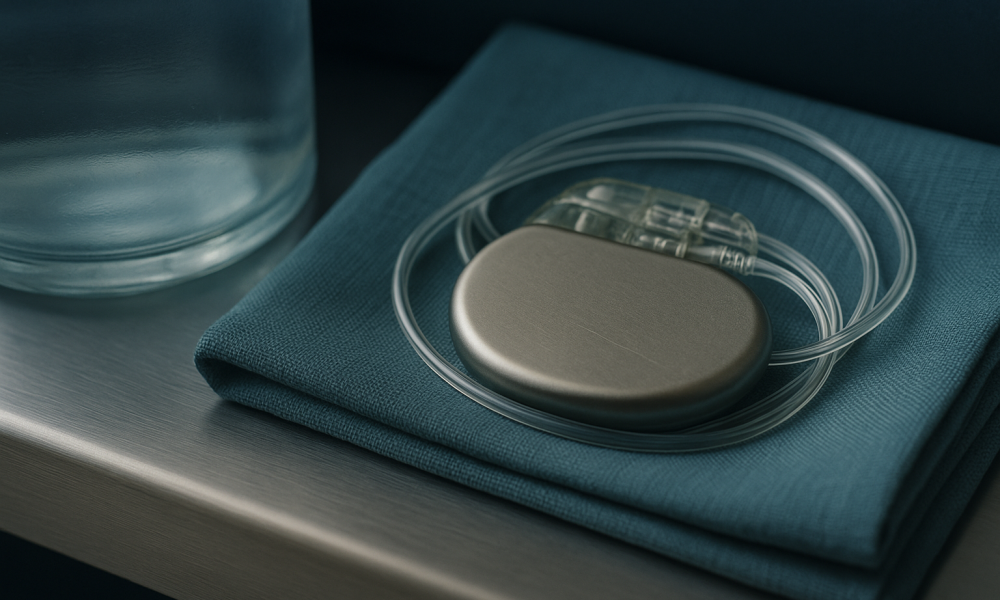
Pacemaker implantation, while generally safe, carries inherent risks as with any surgical procedure. Potential complications can include infection at the surgical site, bleeding, bruising, and in rare cases, issues with the device itself such as lead dislodgement or device malfunction. Understanding these risks is essential for patients considering this procedure abroad.
Turkish healthcare providers, particularly those accredited by international bodies such as the Joint Commission International (JCI), implement stringent safety protocols to mitigate these risks. These facilities are equipped with state-of-the-art technology and staffed by highly trained medical professionals who follow globally recognized standards of care.
Infection control is a primary focus. Accredited Turkish hospitals adhere to strict hygiene and sterilization practices throughout the surgical process. This includes pre-operative skin preparation, the use of sterile instruments, and post-operative wound care protocols designed to minimize infection risks.
- Pre-operative assessment: Comprehensive evaluations are conducted to assess patient suitability for the procedure. This includes cardiac assessments, blood tests, and imaging studies to ensure the patient is fit for surgery.
- Surgical expertise: Surgeons performing pacemaker implantations in accredited Turkish hospitals often have extensive training and experience, sometimes having completed fellowships abroad. Their expertise significantly reduces the likelihood of procedural complications.
- Post-operative care: Aftercare in Turkish facilities involves close monitoring of the patient’s recovery and the pacemaker’s performance. Early detection of any complications is prioritized, with immediate interventions available if necessary.
Furthermore, Turkish providers emphasize patient education. Patients receive detailed information regarding the care of their incision site, activity restrictions, and symptoms that warrant immediate medical attention. This proactive approach empowers patients to participate actively in their recovery and long-term health management.
Accredited Turkish hospitals also maintain robust follow-up systems, ensuring that patients receive ongoing care even after returning to their home country. This includes regular check-ups and adjustments to pacemaker settings as needed, facilitated through collaborations with local healthcare providers when possible.
In summary, while the risks associated with pacemaker implantation cannot be entirely eliminated, accredited Turkish healthcare providers manage these effectively through rigorous protocols, expert surgical teams, and comprehensive patient support systems. This commitment to safety and quality care makes Turkey a viable option for international patients seeking pacemaker implantation.
Choosing the Right Provider in Turkey
When considering pacemaker implantation abroad, particularly in Turkey, it is crucial to select a provider that meets high standards of medical excellence. Accreditation is a significant factor in choosing a healthcare facility. Look for hospitals and clinics that are accredited by international bodies such as Joint Commission International (JCI) or the International Organization for Standardization (ISO). These accreditations ensure that the facility adheres to stringent global healthcare standards.
Another critical aspect is the experience and expertise of the surgeons. It is advisable to choose a cardiologist or cardiac surgeon who has extensive experience in pacemaker implantation. Potential patients should inquire about the number of procedures the surgeon has performed and their success rates. Surgeons who have trained or worked in Western countries often bring valuable experience and expertise to their practice in Turkey.
Patients should also be vigilant for red flags when choosing a provider. Be cautious of clinics that offer unusually low prices, as this may indicate compromised quality or hidden costs. Research the facility’s reputation through patient reviews and testimonials. Transparent communication from the provider about the procedure, risks, and recovery process is essential.
Moreover, consider the post-operative care and follow-up services offered by the provider. Quality healthcare facilities in Turkey should offer comprehensive care, including post-surgery monitoring and follow-up consultations. It is also beneficial to choose a facility that provides assistance with travel and accommodation arrangements, ensuring a seamless experience for international patients.
In summary, selecting the right provider involves careful consideration of accreditation, surgeon experience, and the overall reputation of the facility. By prioritizing these factors, patients can make informed decisions and increase the likelihood of a successful outcome.
Pacemaker Implantation Abroad Cost in Turkey
The cost of pacemaker implantation is a significant consideration for many patients seeking treatment abroad. In Turkey, the cost of this procedure is often more affordable compared to Western countries. The indicative price range for pacemaker implantation in Turkey is typically between £3,500 and £6,000. This is considerably lower than in the UK, where the cost can range from £8,000 to £12,000. In the US, prices can be even higher, often exceeding $20,000. Germany offers pacemaker implantation for approximately €10,000 to €15,000, while in Australia and Canada, costs range from AUD 10,000 to AUD 15,000 and CAD 12,000 to CAD 18,000 respectively.
| Country | Indicative Price Range |
|---|---|
| Turkey | £3,500 – £6,000 |
| UK | £8,000 – £12,000 |
| US | $20,000+ |
| Germany | €10,000 – €15,000 |
| Australia | AUD 10,000 – AUD 15,000 |
| Canada | CAD 12,000 – CAD 18,000 |
Many facilities in Turkey offer all-inclusive packages that cover various aspects of the treatment journey. These packages typically include the cost of the procedure, hospital stay, pre-operative tests, post-operative care, and sometimes even airport transfers and accommodation. This comprehensive approach provides peace of mind and ensures there are no unexpected expenses.
Several factors can influence the cost of pacemaker implantation in Turkey. The complexity of the procedure, the type and brand of the pacemaker, the length of hospital stay, and any additional treatments required can all affect the final price. It is important for patients to receive a detailed quote from the provider, outlining what is included in the price.
When reviewing quotes, patients should ensure they understand each component. Check if the quote includes all necessary pre-operative and post-operative tests, the duration of hospital stay, and whether follow-up consultations are covered. Patients should also inquire about the quality and warranty of the pacemaker device used.
In conclusion, while Turkey offers cost-effective solutions for pacemaker implantation, it is essential to carefully evaluate the inclusions and exclusions of the proposed packages. Transparent communication with the healthcare provider will help avoid any misunderstandings and ensure a smooth treatment experience.
Frequently Asked Questions
What is the cost of pacemaker implantation in Turkey?
The indicative cost of pacemaker implantation in Turkey ranges from £3,500 to £6,000. This price is generally more affordable than in many Western countries. Prices may vary based on the type of pacemaker, the complexity of the procedure, and the facility chosen. It is essential to obtain a detailed quote from the provider to understand what is included in the price.
How does the cost of pacemaker implantation in Turkey compare to the US?
In Turkey, pacemaker implantation costs between £3,500 and £6,000, whereas in the United States, the cost can exceed $20,000. This significant price difference makes Turkey an attractive option for many international patients seeking affordable medical care. However, it is crucial to consider other factors such as accreditation and surgeon expertise when making a decision.
Is pacemaker implantation safe in Turkey?
Pacemaker implantation in Turkey is generally safe, especially when performed at accredited facilities with experienced surgeons. Many hospitals in Turkey are internationally accredited and adhere to global healthcare standards. Patients are advised to research and choose a reputable provider with a track record of successful outcomes to ensure their safety.
What should I look for in a pacemaker implantation provider in Turkey?
When choosing a provider in Turkey, look for international accreditation such as JCI or ISO, which ensures adherence to high healthcare standards. Consider the surgeon's experience and track record, as well as the facility's reputation. Transparent communication and comprehensive post-operative care are also important factors in selecting a provider.
What is included in an all-inclusive pacemaker package in Turkey?
All-inclusive packages typically cover the cost of the procedure, hospital stay, pre-operative tests, and post-operative care. Some packages may also include airport transfers and accommodation. It's important to verify the details with the provider to ensure you understand what is covered and avoid unexpected expenses.
How long is the recovery period after pacemaker implantation?
The recovery period after pacemaker implantation varies but generally lasts a few weeks. Patients are usually advised to avoid strenuous activities and heavy lifting for about 4-6 weeks. Follow-up appointments will be scheduled to monitor the pacemaker's function and ensure a smooth recovery.
Can I travel immediately after pacemaker implantation?
Traveling immediately after pacemaker implantation is typically not recommended. Patients should allow time for initial recovery and follow-up consultations to ensure the pacemaker is functioning correctly. Consult your healthcare provider for personalized advice based on your specific condition.
How do I prepare for pacemaker implantation in Turkey?
Preparation involves several steps, including medical evaluations and consultations with the healthcare provider. Patients should discuss their medical history, medications, and any concerns with their doctor. It is also essential to arrange travel and accommodations if required, and ensure you have a clear understanding of the procedure and recovery process.
What are the risks associated with pacemaker implantation?
Like any surgical procedure, pacemaker implantation carries some risks, including infection, bleeding, or device malfunction. However, these risks are minimized when the procedure is performed by experienced surgeons in accredited facilities. Discuss potential risks and complications with your healthcare provider to make an informed decision.
Will my insurance cover pacemaker implantation abroad?
Insurance coverage for pacemaker implantation abroad depends on your policy and provider. Some international insurance plans may cover medical procedures abroad, while others may not. It is crucial to contact your insurance provider to understand your coverage and any potential reimbursements.
How long will I need to stay in Turkey for the procedure?
The duration of your stay in Turkey for pacemaker implantation will depend on the specific medical facility and your recovery progress. Generally, patients might need to stay for one to two weeks to allow for pre-operative assessments, the procedure itself, and initial recovery. Your healthcare provider will give you a more accurate timeline based on your individual case.
What follow-up care is necessary after pacemaker implantation?
Follow-up care is vital to ensure the pacemaker functions properly. This typically includes regular check-ups to monitor the device and adjust settings if necessary. Patients will also be advised on lifestyle changes and activity restrictions to ensure optimal recovery. It's important to adhere to your healthcare provider's follow-up schedule.