
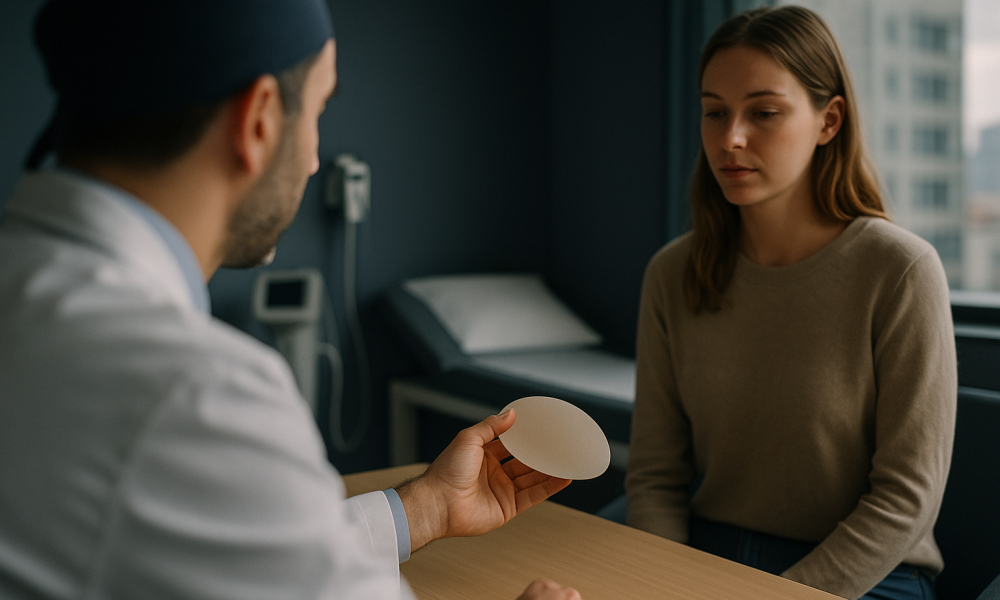
The Process: Pectoral Implants in Turkey, step by step
Embarking on the journey to enhance your physique with pectoral implants in Turkey involves a carefully structured process. Here is a detailed step-by-step guide to what you can expect:
- Enquiry: Your journey begins with reaching out to a reputable medical tourism facilitator or directly to a clinic in Turkey. During this stage, you can gather initial information about the procedure, discuss your goals, and understand the indicative costs.
- Assessment: Once your enquiry is registered, a thorough assessment is conducted. This usually involves sharing your medical history, photographs, and any specific expectations you have for the procedure. A qualified surgeon will review this information to determine if you are a suitable candidate for pectoral implants.
- Travel: Upon confirmation of your candidacy, travel arrangements are made. Many clinics offer assistance with logistics, including visa support, accommodation, and transportation. Arriving in Turkey, you will be greeted by a representative who will guide you through your stay.
- Treatment Days: The procedure is typically scheduled shortly after your arrival. On the day of the surgery, you will meet with your surgeon for a pre-operative consultation to finalize the details of the implant size and placement. The surgery itself is performed under general anaesthesia and takes 1-2 hours. Post-surgery, you will be monitored in a recovery room where medical staff ensure your comfort and safety.
- Discharge: After a 1-2 day hospital stay, during which your recovery progress is closely monitored, you will be discharged. Detailed post-operative care instructions are provided, including guidelines on medication, activity restrictions, and hygiene practices.
- Follow-up: Follow-up appointments are crucial and typically scheduled before your return home. These appointments ensure that your recovery is on track and allow for any adjustments if necessary. Many clinics offer virtual follow-up options to continue monitoring your progress once you are back in your country.
What Pectoral Implants is and who it is for
Pectoral implants, also known as pectoral augmentation, is a surgical procedure designed to enhance the appearance of the chest muscles. This procedure is particularly popular among individuals who seek a more defined and muscular chest appearance, which may not be achievable through exercise alone. Pectoral implants are crafted from solid silicone and are anatomically shaped to mimic the natural contours of the chest.
This surgical option is ideal for men and, in some cases, women who desire a more prominent chest. It is often sought by those who have underdeveloped pectoral muscles due to genetic factors, individuals recovering from injury, or those who have experienced significant weight loss resulting in reduced muscle mass. Furthermore, it is a preferred choice for bodybuilders who wish to maintain a sculpted chest appearance without the constant need for muscle maintenance through rigorous exercise.
Suitable candidates for pectoral implants are generally healthy individuals who have realistic expectations about the outcomes. It is essential for candidates to undergo a comprehensive medical evaluation to rule out any potential contraindications such as chronic illnesses or conditions that may impair healing. Psychological readiness and a clear understanding of the procedure’s limitations and recovery process are equally important.
Pectoral implants are not intended for individuals seeking significant weight loss or as a substitute for exercise. Rather, they are a complementary procedure for enhancing the aesthetic appeal of the chest area. As with any surgical procedure, it is crucial to consult with a qualified and experienced plastic surgeon to discuss your goals, assess your suitability, and plan the procedure accordingly.
Are you a candidate? Criteria and preparation
Pectoral implants are increasingly sought after by individuals looking to enhance the contour and definition of their chest area. However, not everyone is an ideal candidate for this surgical procedure. It is essential to evaluate both physical and psychological factors before proceeding. Ideal candidates are typically those who have fully developed chest muscles and seek augmentation for aesthetic or reconstructive purposes. This may include individuals who have experienced trauma, congenital defects, or those who have not achieved their desired muscle mass despite rigorous exercise.
Potential candidates should be in good overall health, with no underlying conditions that could impair healing or increase surgical risks. Non-smokers or those willing to cease smoking for a period before and after surgery are preferred, as smoking can significantly affect recovery. Furthermore, candidates should have realistic expectations about the outcomes of the surgery, understanding that it aims to improve appearance rather than achieve perfection.
Before surgery, a comprehensive consultation with a qualified plastic surgeon is necessary. During this consultation, the surgeon will assess your medical history, current health status, and specific aesthetic goals. They may also perform a physical examination to evaluate the chest area and discuss the different implant sizes, shapes, and materials available.
- Confirm physical health with a medical check-up.
- Evaluate psychological readiness and set realistic expectations.
- Be a non-smoker or commit to quitting prior to surgery.
- Discuss all pre-existing medical conditions with your surgeon.
- Understand the risks and potential complications of surgery.
- Ensure you have a support system during recovery.
- Prepare for a recovery period that may include limitations on physical activity.
In preparation for the surgery, patients may be advised to adjust certain medications or supplements. Preoperative instructions often include guidelines on eating, drinking, and medications to avoid, which are crucial to minimize surgical risks. It is crucial to follow these instructions closely to ensure optimal surgical outcomes.
Techniques and options available in Turkey
Turkey is renowned for its advanced medical facilities and skilled surgeons, making it a popular destination for pectoral implant surgeries. The techniques used in Turkey are on par with international standards, often incorporating the latest advancements in medical technology. Pectoral implant surgery typically involves the placement of silicone implants beneath the pectoral muscles to enhance the chest’s appearance. The choice of technique often depends on the individual’s anatomy, desired outcome, and surgeon’s expertise.
There are various types of implants available, including solid silicone implants, which are preferred for their durability and natural feel. These implants come in different shapes and sizes, allowing for a customized approach that caters to the patient’s specific aesthetic goals. The surgical technique may involve an incision made in the armpit area to minimize visible scarring, with the implant then carefully positioned beneath the muscle.
Turkey offers a range of options for patients considering pectoral implants, from traditional surgical methods to minimally invasive techniques that promise quicker recovery times. Surgeons in Turkey are adept at using endoscopic techniques, which involve smaller incisions and the use of a camera to guide the placement of the implant. This approach can reduce the risk of complications and lead to less postoperative discomfort.
Another option available in Turkey is the use of 3D imaging technology during the consultation phase. This allows patients to visualize potential outcomes and make informed decisions about the size and shape of the implants they choose. Such technology enhances the communication between patient and surgeon, ensuring that expectations are aligned and achievable.
In terms of cost, pectoral implant procedures in Turkey are competitively priced, often significantly lower than in Western countries. The indicative price range for the surgery typically falls between £2,500 and £5,000, depending on the complexity of the case and the specific clinic or hospital chosen. It is crucial to select a reputable facility that prioritizes patient safety and adheres to the highest standards of medical care.
Overall, the combination of skilled professionals, state-of-the-art facilities, and a patient-centric approach makes Turkey an attractive option for individuals considering pectoral implants. Patients are advised to conduct thorough research and choose a certified surgeon who specializes in this type of cosmetic surgery to ensure the best possible outcomes.
5. Recovery and aftercare timeline
The recovery process following pectoral implant surgery is a crucial phase that ensures optimal healing and the best aesthetic results. Patients can expect a structured timeline of recovery, during which they must adhere to specific care instructions to facilitate healing and prevent complications.
| Period | What to expect | Care notes |
|---|---|---|
| First 48 hours | Initial recovery begins with swelling, bruising, and discomfort in the chest area. Patients might experience tightness and a sensation of pressure as the body adjusts to the implants. | Rest is crucial. Patients should keep their upper body elevated and refrain from any strenuous activities. Pain management is typically achieved with prescribed medications. It is important to follow the surgeon’s instructions regarding wound care and dressings. |
| First week | Swelling and bruising may persist, but should gradually decrease. Patients may notice some restriction in arm and shoulder movement. | Continue to avoid heavy lifting and rigorous activities. Gentle arm movements are encouraged to prevent stiffness, but they should be limited to avoid strain. Adherence to follow-up appointments is essential for monitoring progress. |
| Weeks 2-4 | Most bruising should subside, and swelling continues to decrease. Patients may start to feel more comfortable and notice improvements in mobility. | Light activities can be gradually resumed, but any form of exercise should be avoided unless cleared by the surgeon. Continue to wear compression garments as advised to support the chest and minimize swelling. |
| 1-3 months | Significant reduction in swelling and discomfort. The implants start to settle into their final position, and scars begin to mature. | Patients can usually return to normal daily activities, including mild exercise, although contact sports and heavy lifting should be postponed until full recovery is confirmed. Regular scar massage may be recommended to improve scar appearance. |
| 3-6 months | Final results are more apparent as the implants settle completely. Any residual swelling should be minimal. | Continue with any prescribed scar treatment and maintain regular check-ups with the healthcare provider to ensure long-term success and satisfaction with the procedure. |
Throughout the recovery period, maintaining open communication with healthcare providers is crucial. Any signs of infection, unusual pain, or changes in implant positioning should be reported immediately to ensure timely intervention and care.
6. Risks, safety and how accredited Turkish providers manage them
Pectoral implant surgery is generally considered safe when performed by qualified and experienced professionals. Nonetheless, like any surgical procedure, it carries certain risks and potential complications. Understanding these risks and how they are managed is crucial for patients considering this procedure in Turkey.
Common Risks: Common risks associated with pectoral implants include infection, bleeding, and adverse reactions to anaesthesia. Additionally, patients may experience asymmetry, changes in skin sensation, or implant displacement. Scarring, while typically minimal, can vary depending on individual healing processes.
Less Common Risks: Less commonly, patients might face complications such as hematoma (a collection of blood outside of blood vessels), seroma (fluid accumulation), or capsular contracture, where scar tissue forms tightly around the implant, causing pain or aesthetic changes.
Safety Measures: In Turkey, accredited healthcare providers adhere to stringent safety protocols to mitigate these risks. Pre-operative assessments are comprehensive, involving detailed medical history reviews and necessary diagnostic tests to ensure patient suitability for surgery. This thorough evaluation helps identify potential risk factors that can be addressed prior to the procedure.
Infection Control: Surgical facilities in Turkey are equipped with state-of-the-art sterilisation technology to minimise infection risks. Post-operative care instructions include specific hygiene practices and, when necessary, antibiotics to further lower the risk of infection.
Monitoring and Follow-up: Post-operative monitoring is essential for early detection of any complications. Providers in Turkey typically schedule regular follow-up appointments to assess healing progress and address any concerns promptly. This proactive approach helps in managing any issues that may arise during the recovery period.
Accreditation and Training: Accredited Turkish medical facilities are staffed by highly trained professionals who follow international standards of care. Continuous education and training ensure that surgeons remain updated with the latest advancements and techniques in cosmetic surgery, enhancing patient safety and outcomes.
Emergency Protocols: In the rare event of a complication, Turkish providers are equipped with comprehensive emergency protocols. These include immediate access to emergency care and facilities capable of handling complications swiftly and effectively.
By choosing accredited providers in Turkey, patients can benefit from a healthcare system that prioritises safety, quality, and patient satisfaction. Patients are encouraged to discuss all potential risks and their management with their surgeon to make informed decisions about their care.
Choosing the right provider in Turkey
When considering pectoral implants in Turkey, selecting the appropriate provider is crucial to achieving your desired outcome safely. Begin by researching clinics and surgeons who are accredited by recognized international bodies such as the Joint Commission International (JCI) or the International Society of Aesthetic Plastic Surgery (ISAPS). Accreditation ensures that the facility adheres to rigorous healthcare standards and practices.
Next, evaluate the experience and expertise of the surgeon. Look for a surgeon who specializes in pectoral implants and has a substantial track record of successful procedures. Experience can often correlate with better outcomes, so consider surgeons who have completed numerous pectoral implant surgeries. Request to see before-and-after photos of previous patients to assess the surgeon’s work and style.
Another key aspect is to check for patient reviews and testimonials. Online platforms and forums can provide valuable insights into the experiences of past patients. Pay attention to the consistency of positive feedback regarding both the surgical outcomes and the level of care provided.
Be aware of potential red flags when choosing a provider. These can include extremely low prices that appear too good to be true, aggressive marketing tactics, or a lack of transparency in communicating costs and risks. Ensure that the clinic provides a comprehensive consultation process, where all your questions are addressed, and you feel adequately informed about the procedure, recovery, and potential risks.
Ultimately, the right provider should make you feel confident and comfortable, offering clear communication, comprehensive care, and a commitment to your safety and satisfaction.
Pectoral Implants Cost in Turkey
The cost of pectoral implants in Turkey is a significant factor for international patients considering this procedure. Compared to countries like the UK, US, Germany, Australia, and Canada, Turkey offers competitive pricing without compromising on quality.
| Country | Indicative Price Range (USD) |
|---|---|
| Turkey | $4,000 – $6,500 |
| United Kingdom | $8,000 – $12,000 |
| United States | $10,000 – $15,000 |
| Germany | $9,000 – $13,000 |
| Australia | $9,500 – $14,000 |
| Canada | $8,500 – $13,500 |
Many clinics in Turkey offer all-inclusive packages, which typically cover the surgery itself, pre-operative consultations, post-operative care, accommodation, and airport transfers. This comprehensive approach provides peace of mind for international patients, allowing them to focus on recovery without the stress of additional logistics.
Several factors can influence the final cost of pectoral implants. These include the surgeon’s experience and reputation, the clinic’s location and prestige, the type of implants used, and the complexity of the procedure. Customization options, such as the size and shape of the implants, might also affect pricing.
When reading quotes, it is essential to understand what is included in the price. Always inquire whether the quoted price covers all aspects of the procedure and recovery or if there are any additional costs. Transparency is key, and reputable clinics should provide clear and detailed information upfront.
Ultimately, while cost is a vital consideration, it should not be the sole determining factor. Ensuring the quality of care, safety, and the expertise of the surgical team are paramount to achieving satisfactory results.
Frequently Asked Questions
What is the average cost of pectoral implants in Turkey?
The average cost of pectoral implants in Turkey typically ranges from $4,000 to $6,500. This price is significantly lower than in countries like the US or UK, yet it still includes high-quality care and expertise. Many clinics offer all-inclusive packages that cover the surgery, accommodation, and transfers, providing excellent value.
How do Turkish clinics maintain competitive prices for pectoral implants?
Turkish clinics maintain competitive prices through a combination of factors, including lower operational costs and the favorable exchange rate. Additionally, the high volume of medical tourism in Turkey allows clinics to offer competitive pricing while maintaining quality standards. This makes Turkey an attractive destination for cosmetic procedures.
Is the pectoral implant procedure safe in Turkey?
Yes, the pectoral implant procedure is generally safe in Turkey, provided you choose a reputable clinic and experienced surgeon. Look for clinics accredited by international bodies like JCI or ISAPS, which ensure adherence to high medical standards. Always research and verify the credentials of the healthcare provider to ensure safety.
What should I look for when choosing a surgeon for pectoral implants?
When selecting a surgeon for pectoral implants, consider their specialization, years of experience, and success rate with similar procedures. Review before-and-after photos of previous surgeries and check for patient testimonials. Accreditation by international bodies such as ISAPS can also be a good indicator of expertise.
What does an all-inclusive package for pectoral implants typically include?
An all-inclusive package for pectoral implants usually covers the surgical procedure, pre-operative consultations, post-operative care, accommodation during recovery, and airport transfers. Some packages may also include meals and local transportation, offering convenience and peace of mind for international patients.
How long is the recovery period after pectoral implant surgery?
The recovery period after pectoral implant surgery varies, but most patients can return to light activities within a week. Full recovery, including resuming strenuous exercise, typically takes four to six weeks. It's important to follow your surgeon's post-operative instructions to ensure a smooth recovery.
Can I combine pectoral implants with other cosmetic procedures in Turkey?
Yes, many patients choose to combine pectoral implants with other cosmetic procedures such as liposuction or abdominoplasty. This can often be done safely, but it requires careful planning and consultation with your surgeon to ensure optimal results and recovery.
How do I prepare for pectoral implant surgery?
Preparation for pectoral implant surgery involves pre-operative consultations where your surgeon will assess your health and discuss your goals. You may need to undergo certain tests and avoid specific medications. It's also advisable to arrange for post-surgery care and recovery time in advance.
What are the potential risks associated with pectoral implants?
Like any surgery, pectoral implants carry potential risks, including infection, implant displacement, or asymmetry. Choosing a qualified and experienced surgeon can minimize these risks. Discuss all potential risks with your surgeon during the consultation to make an informed decision.
How do I verify the accreditation of a Turkish clinic?
To verify a clinic's accreditation, check their website for certification details from recognized international bodies like JCI or ISAPS. You can also contact these organizations directly to confirm the clinic's status. Reputable clinics should openly provide this information as part of their commitment to transparency and quality care.
Will I need follow-up visits after pectoral implant surgery in Turkey?
Yes, follow-up visits are crucial to monitor your recovery and ensure the implants are settling correctly. Most clinics offer post-operative care as part of the package. If you are traveling back to your home country, they may coordinate with local practitioners for continued care.
Can the price of pectoral implants change after I receive a quote?
Typically, a reputable clinic will provide a detailed quote that outlines all costs involved. However, prices may change if additional procedures are required or if there are changes to the initial treatment plan. Ensure you understand what is included in the quote and ask about any potential extra charges.