
The Process: Root Canal Treatment in Turkey, step by step
- Enquiry: The journey begins with an enquiry where you provide your dental history and current symptoms. This initial step is crucial for understanding your specific needs and expectations.
- Assessment: Once your enquiry is received, a dental specialist will review your details and may request additional information or images of your dental structure. This assessment helps in planning the treatment accurately.
- Travel Arrangements: After confirming your treatment plan, travel arrangements are made. This includes scheduling appointments, booking flights, and making accommodation arrangements close to the dental facility.
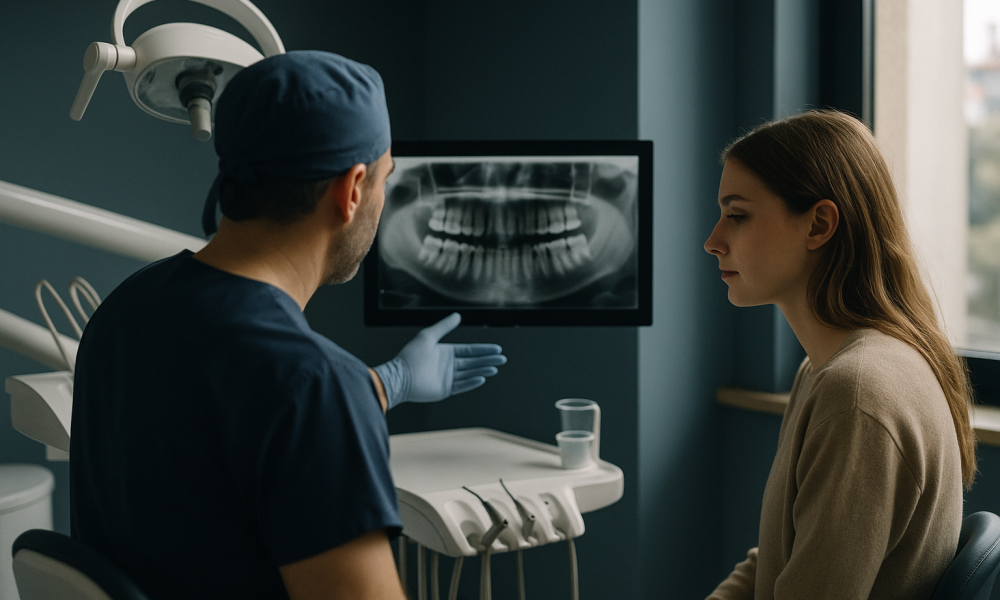
- Treatment Days: Upon arrival in Turkey, you will have a consultation with your dentist. The actual root canal procedure typically involves cleaning out the infected pulp, shaping the canal, and then filling it. This is usually completed in one or two sessions.
- Discharge: After the procedure, you will receive instructions on post-treatment care. Since this is a non-invasive procedure, you can expect to leave the clinic the same day without the need for an overnight stay.
- Follow-up: Follow-up care is vital to ensure the success of the treatment. You will be advised on how to maintain oral hygiene and may be scheduled for a review appointment to monitor your recovery.
What Root Canal Treatment is and who it is for
Root canal treatment is a dental procedure aimed at treating infection at the centre of a tooth. This treatment is necessary when the pulp, which is the soft tissue inside the tooth containing nerves and blood vessels, becomes infected through tooth decay or injury. The procedure involves removing the infected pulp, cleaning and disinfecting the canal, and then sealing it to prevent further infection.
This treatment is typically recommended for individuals experiencing severe toothache, sensitivity to hot or cold, or swelling around the affected tooth. It is particularly beneficial for those who wish to preserve their natural teeth rather than resorting to extraction. Root canal treatment is suitable for individuals of all ages who are in good general health and have a tooth that can be restored.
The benefits of root canal treatment include relief from pain, prevention of further infection, and preservation of the natural tooth structure. It is a safe and effective procedure with a high success rate when performed by experienced dental professionals.
While the thought of undergoing a root canal might seem daunting, modern techniques and anaesthetics have made the process much more comfortable and efficient. Patients can expect minimal discomfort during and after the treatment, with most resuming normal activities within a few days.
3. Are you a candidate? Criteria and preparation
Root canal treatment, also known as endodontic therapy, is a procedure designed to treat infected or damaged pulp inside a tooth. Determining whether you are a candidate for this treatment involves several criteria and preparatory steps. It is essential to consult with a qualified dental professional who will assess your oral health and specific needs. Here are some of the general criteria and steps for preparation:
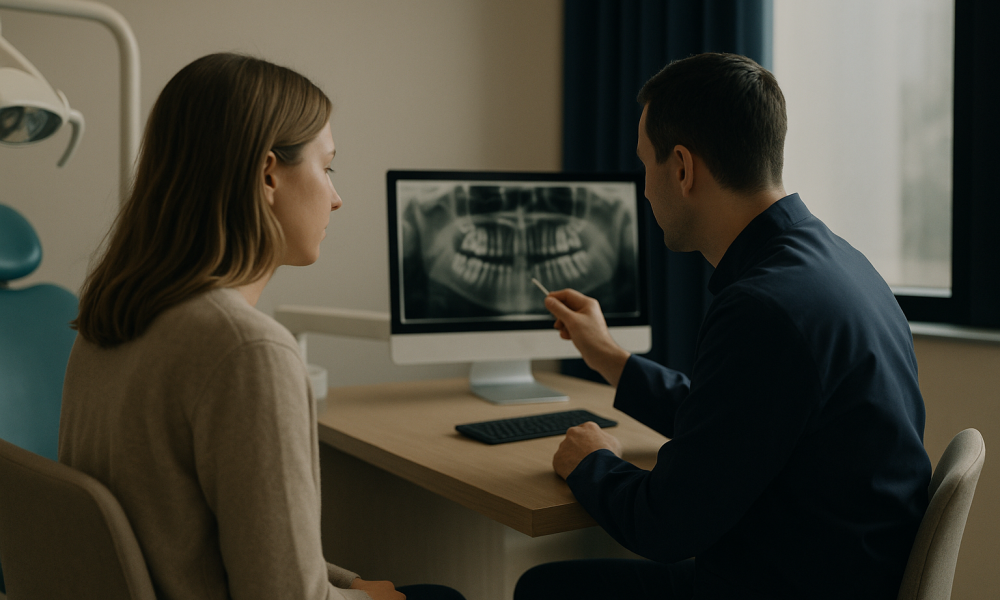
- Diagnosis of Pulp Infection or Damage: A root canal is typically recommended when the pulp, the soft tissue inside the tooth, becomes inflamed or infected due to deep decay, repeated dental procedures on the tooth, or a crack or chip in the tooth. Your dentist will conduct a thorough examination, possibly including X-rays, to determine the extent of the infection.
- Persistent Pain or Sensitivity: If you are experiencing persistent tooth pain, especially when chewing or applying pressure, or prolonged sensitivity to hot or cold temperatures, you may be a candidate for a root canal. These symptoms indicate potential pulp damage.
- Swelling and Tenderness: Swelling around the affected tooth or tenderness in the gums can be indicative of pulp infection. This may also involve the presence of a small, pimple-like bump on the gums near the area.
- Good General Health: Candidates should be in good general health to undergo dental procedures. Conditions such as uncontrolled diabetes or heart disease may require special considerations or stabilization before treatment.
- Commitment to Oral Hygiene: Successful outcomes depend on your commitment to maintaining excellent oral hygiene post-treatment. This includes regular brushing, flossing, and dental check-ups.
- Pre-Treatment Consultation and Consent: Before undergoing a root canal, you should have a detailed discussion with your dentist about the procedure, its risks, benefits, and alternatives. Informed consent is crucial.
Preparation for a root canal treatment involves several steps. First, ensure you have a thorough dental examination and necessary imaging. Discuss any medications you are taking with your dentist, as some may need to be adjusted. You should also arrange for time off work or other responsibilities, as you may require rest following the procedure. Following your dentist’s pre-procedure instructions, such as avoiding certain foods or drinks, is vital to ensure a smooth process.
4. Techniques and options available in Turkey
Turkey has become a renowned destination for dental treatments, including root canal therapy, due to its advanced healthcare facilities and experienced dental professionals. Several techniques and options are available in Turkey to ensure effective and comfortable root canal treatment for international patients.
Modern dental clinics in Turkey employ state-of-the-art technology to perform root canal treatments. One of the most common techniques used is the rotary endodontic method. This method utilises electrically-powered instruments that allow for more precise and efficient cleaning of the root canal compared to traditional hand files. The rotary method reduces treatment time and improves the overall accuracy of the procedure.
Another advanced option available in Turkish clinics is the use of digital imaging and 3D scanning. These technologies provide detailed visualisation of the tooth structure, enabling dentists to plan the procedure with high precision. 3D imaging helps in identifying complex canal structures and potential complications, thus enhancing the success rate of the treatment.
Some clinics offer laser-assisted root canal therapy. Lasers are used to remove infected tissue and bacteria within the root canal, offering a minimally invasive alternative that can reduce discomfort and promote faster healing. This technique can be particularly beneficial for patients with specific medical conditions that make traditional methods less suitable.
In addition to these techniques, Turkish dental clinics often provide a range of sedation options to ensure patient comfort during the procedure. Options include local anaesthesia, conscious sedation, or even general anaesthesia for those who experience significant anxiety or have complex treatment needs. The choice of sedation is tailored to the patient’s preferences and medical history.
Post-treatment, many clinics in Turkey utilise biocompatible materials for sealing the root canal. These materials are designed to integrate well with the body’s natural tissues, reducing the risk of adverse reactions and ensuring long-term success of the treatment.
Furthermore, Turkish dental clinics are known for their comprehensive care packages, which often include follow-up visits and additional support to monitor recovery and ensure the success of the root canal treatment. These packages are designed to provide peace of mind for international patients, ensuring they receive the same high standard of care as local residents.
Overall, the combination of advanced techniques, experienced professionals, and patient-focused care makes Turkey an attractive option for those seeking root canal treatment. Whether you require a straightforward procedure or have more complex dental needs, Turkish clinics offer a range of options to suit your requirements.
Recovery and aftercare timeline
Following a root canal treatment in Turkey, understanding the recovery and aftercare timeline is crucial for ensuring optimal healing and long-term success of the procedure. Patients generally experience a relatively smooth recovery process, but adherence to aftercare instructions is vital.
Below is a detailed table outlining the typical recovery and aftercare timeline:
| Period | What to expect | Care notes |
|---|---|---|
| First 24-48 hours | Patients may experience mild discomfort and sensitivity in the treated area. Swelling and tenderness can occur, particularly if the tooth was infected prior to treatment. | Use prescribed pain relievers or over-the-counter analgesics as necessary. Avoid chewing on the treated side. Apply a cold compress to the outside of the cheek for 10-15 minutes at a time to reduce swelling. |
| 3-7 days | Discomfort should begin to subside. The tooth may still feel slightly tender, especially when biting down. | Continue to avoid hard or chewy foods. Maintain excellent oral hygiene by brushing gently around the treated tooth. Rinse with a saltwater solution to promote healing. |
| 1-2 weeks | Most patients will find that any residual soreness has resolved. The tooth should feel normal when biting down. | Schedule a follow-up appointment with your dental professional to ensure proper healing and discuss the placement of a permanent crown or restoration if not already completed. |
| 3-4 weeks | By this time, the tooth should be fully functional and free of pain. Any temporary fillings or restorations can be replaced with a permanent solution. | Ensure that a permanent crown or filling is placed to protect the tooth from future damage. Continue routine dental check-ups every 6 months. |
Adhering to the provided care notes and attending follow-up appointments are essential steps in the recovery process. Turkish dental professionals are known for their comprehensive aftercare support, ensuring that patients receive guidance tailored to their specific needs.
Risks, safety and how accredited Turkish providers manage them
Root canal treatment is generally considered a safe and effective procedure with a high success rate. However, as with any medical intervention, there are inherent risks and potential complications. In Turkey, accredited dental providers follow stringent protocols to minimize these risks and ensure patient safety.
Common risks associated with root canal treatment include:
- Infection: Although rare, post-treatment infections can occur if bacteria persist within the tooth. Turkish providers use advanced sterilization techniques and high-quality materials to mitigate this risk.
- Tooth fracture: The treated tooth may become more brittle over time. To prevent fractures, a crown is usually recommended to provide additional strength.
- Incomplete removal of pulp: Incomplete removal of infected pulp can lead to persistent pain or infection. Turkish dentists use state-of-the-art imaging technologies to ensure complete removal.
- Instrument breakage: Occasionally, dental instruments may break during the procedure. Accredited Turkish clinics employ skilled professionals who are adept at handling such occurrences swiftly and effectively.
Accredited dental clinics in Turkey adhere to international standards of care and safety. They are equipped with modern dental technologies and staffed by highly trained professionals. These clinics typically obtain certifications from reputable organisations, ensuring compliance with global best practices.
To manage risks effectively, Turkish providers implement the following measures:
- Comprehensive pre-treatment evaluation: A thorough assessment of the patient’s dental and medical history allows for tailored treatment planning, reducing the likelihood of complications.
- Use of high-quality materials: Clinics source materials from leading manufacturers to enhance the success and longevity of the treatment.
- Continuous professional development: Dentists regularly participate in training and conferences to stay abreast of the latest advancements in endodontics.
- Patient education: Patients receive detailed information about the procedure, potential risks, and aftercare requirements to ensure informed decision-making and active participation in their recovery.
By choosing accredited providers in Turkey, international patients can be confident in receiving top-tier care with a focus on safety and successful outcomes.
Choosing the Right Provider in Turkey
When considering root canal treatment in Turkey, selecting the right provider is crucial to ensure a successful outcome and a positive experience. Turkey is home to numerous dental clinics, many of which offer high-quality care. However, it is essential to conduct thorough research to identify the most suitable clinic and dental professional for your needs.
Accreditation: One of the first steps in choosing a provider is to verify the clinic’s accreditation. Reputable clinics in Turkey are often accredited by international bodies such as the Joint Commission International (JCI) or local institutions like the Turkish Dental Association. These accreditations indicate that the clinic adheres to stringent standards of care and safety protocols.
Surgeon Experience: The experience and qualifications of the dental surgeon are paramount. Prospective patients should inquire about the dentist’s educational background, years of practice, and specific experience in performing root canal treatments. Many clinics provide detailed profiles of their dental professionals on their websites, allowing patients to assess their expertise.
Red Flags: Be vigilant for red flags when selecting a provider. These may include clinics that do not provide clear information about their accreditations, a lack of transparency regarding treatment plans or costs, and overly aggressive marketing tactics promising unrealistic outcomes. Additionally, if a clinic has consistently poor reviews or unresolved complaints, it may be prudent to consider other options.
Patients may also benefit from seeking recommendations from previous patients or utilizing online forums and reviews to gather insights about the clinic’s reputation and service quality. Ultimately, the goal is to find a provider who prioritizes patient safety, offers transparent communication, and demonstrates a track record of successful procedures.
Root Canal Treatment Cost in Turkey
The cost of root canal treatment in Turkey is one of the compelling reasons many international patients choose this destination for their dental care. The prices are generally more affordable compared to countries like the UK, US, Germany, Australia, and Canada, while maintaining high standards of care. Below is a comparison table illustrating the indicative cost ranges for root canal treatment in different countries.
| Country | Indicative Cost Range (USD) |
|---|---|
| Turkey | $150 – $300 |
| UK | $400 – $1,000 |
| US | $700 – $1,500 |
| Germany | $500 – $1,200 |
| Australia | $600 – $1,300 |
| Canada | $500 – $1,100 |
All-Inclusive Packages: Many Turkish clinics offer all-inclusive packages that cover the cost of the procedure, consultations, necessary medications, and sometimes even accommodation and airport transfers. These packages provide convenience and peace of mind, as they help international patients manage their expenses more effectively.
Factors Influencing Cost: Several factors can influence the cost of root canal treatment, including the complexity of the procedure, the tooth’s location (front teeth are generally less expensive than molars), and the clinic’s location and reputation. Additional treatments, such as crowns or fillings, may also affect the total cost.
Understanding Quotes: When reviewing quotes from clinics, it is essential to ensure they are comprehensive and transparent. A detailed quote should outline all expected costs, including any additional fees for consultations, follow-up appointments, or emergency care. Patients should avoid quotes that seem unusually low, as these may indicate hidden costs or substandard care.
By carefully evaluating these aspects, patients can make informed decisions and select a provider that offers both quality care and good value for money.
Frequently Asked Questions
What is the average cost of root canal treatment in Turkey?
The average cost of root canal treatment in Turkey typically ranges from $150 to $300. This cost can vary based on factors such as the complexity of the procedure, the specific clinic, and the tooth's location. Many clinics offer all-inclusive packages that can provide better value.
How do Turkish root canal prices compare to those in the US?
Root canal treatment in Turkey is generally more affordable than in the US. While Turkish prices range from $150 to $300, the cost in the US can range from $700 to $1,500. This cost difference is one of the reasons many patients consider Turkey for dental procedures.
Is root canal treatment safe in Turkey?
Yes, root canal treatment in Turkey can be safe, especially when performed at accredited clinics. Many Turkish dental facilities adhere to international standards, and dentists are often well-trained. It is crucial to choose a reputable clinic with positive reviews and proper accreditation to ensure safety.
What should I look for when choosing a dental clinic in Turkey?
When selecting a dental clinic in Turkey, consider factors such as accreditation, the dentist's experience and qualifications, patient reviews, and the transparency of the clinic regarding costs and treatment plans. Avoid clinics with unclear information, poor reviews, or unrealistic promises.
Are there any hidden costs in Turkish dental treatment quotes?
While many clinics provide comprehensive quotes, it's essential to review them carefully for any potential hidden costs. A transparent quote should include all expected expenses, such as the procedure, consultations, and any additional treatments. Be cautious of quotes that seem unusually low, as they may not cover all necessary services.
What do all-inclusive dental packages typically cover in Turkey?
All-inclusive dental packages in Turkey often cover the cost of the procedure, initial consultations, necessary medications, and sometimes accommodation and airport transfers. These packages offer convenience and can help international patients manage their treatment expenses more effectively.
How can I verify a clinic's accreditation in Turkey?
To verify a clinic's accreditation in Turkey, look for certifications from reputable bodies such as the Joint Commission International (JCI) or the Turkish Dental Association. Clinics often display their accreditations on their websites, or you can directly inquire with the clinic for confirmation.
What factors affect the price of root canal treatment in Turkey?
The price of root canal treatment in Turkey can be influenced by the complexity of the procedure, the tooth's location, the clinic's reputation, and additional treatments needed, such as crowns or fillings. It's important to discuss these aspects with your chosen clinic to understand the total cost.
Do Turkish dentists speak English?
Many Turkish dentists, especially those catering to international patients, speak English. Clinics often have multilingual staff to facilitate communication. It's advisable to confirm language proficiency during initial consultations to ensure clear communication throughout your treatment.
How long does a root canal procedure take in Turkey?
A root canal procedure in Turkey typically takes one to two hours, depending on the tooth's condition and complexity. In some cases, multiple visits may be required to complete the treatment. Your dentist will provide a detailed plan during your consultation.
What is the recovery process after a root canal in Turkey?
After a root canal in Turkey, patients may experience mild discomfort or sensitivity for a few days. Dentists usually prescribe pain relief medications and provide care instructions. It's important to follow these guidelines and attend any scheduled follow-up appointments to ensure proper healing.
Can I combine my root canal treatment with a holiday in Turkey?
Yes, many patients combine their dental treatment with a holiday in Turkey. With its rich history, culture, and scenic beauty, Turkey offers a unique opportunity for medical tourism. Patients should plan their itinerary carefully to accommodate necessary recovery time after the procedure.