
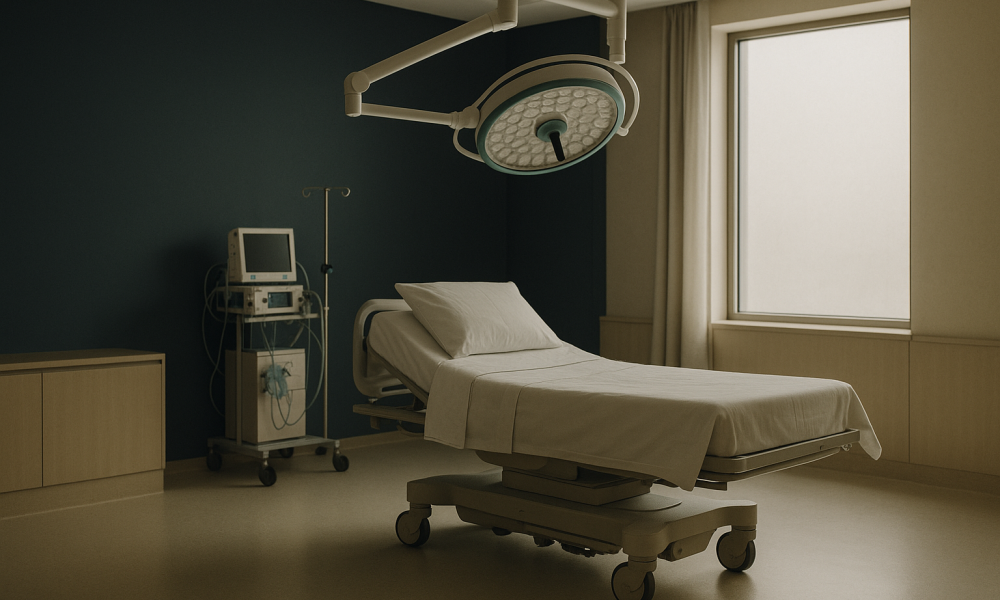
The Process: Scoliosis Surgery in Turkey, step by step
- Enquiry: The journey begins with an initial enquiry, where patients can contact clinics or medical tourism facilitators in Turkey. This step involves gathering basic information about the patient’s medical history and the nature of their scoliosis condition. Prospective patients can also request preliminary consultations via email or video calls to discuss their needs and expectations.
- Assessment: Once the enquiry is made, a thorough assessment is conducted. This includes sharing medical records, X-rays, and any other relevant imaging with the surgical team in Turkey. The team evaluates the severity and type of scoliosis to determine the most appropriate surgical approach. A personalized treatment plan is then proposed, and patients are informed about the indicative costs, potential risks, and expected outcomes.
- Travel: After agreeing on the treatment plan, patients make travel arrangements to Turkey. Many clinics offer assistance with travel logistics, including visa support, airport transfers, and accommodation bookings. It is recommended to arrive a few days before the surgery to acclimatize and undergo any necessary pre-operative tests.
- Treatment Days: Upon arrival at the hospital, patients undergo a comprehensive pre-operative evaluation, including blood tests and physical examinations. The surgery, performed under general anaesthesia, typically lasts 4-6 hours. During the procedure, the surgeon corrects the spinal curvature using metal rods, screws, and bone grafts to stabilize the spine.
- Discharge: After surgery, patients remain in the hospital for 5-7 days for recovery and monitoring. During this period, they receive pain management, physiotherapy, and guidance on post-operative care. Once deemed stable, patients are discharged with detailed instructions for home care and follow-up appointments.
- Follow-up: Follow-up care is crucial for successful recovery. Patients are advised to stay in Turkey for an additional week or more to attend post-operative consultations. Remote follow-ups via telemedicine are also available once the patient returns home. Regular check-ups with local healthcare providers are recommended to monitor progress and ensure optimal recovery.
What Scoliosis Surgery is and who it is for
Scoliosis surgery is a medical procedure aimed at correcting abnormal lateral curvature of the spine. This condition can affect individuals of any age but is most commonly diagnosed in adolescents. The surgery is typically recommended for patients with severe scoliosis, where the spinal curvature exceeds 45 degrees, or for those experiencing significant pain, respiratory issues, or functional impairments due to the curvature.
The primary goal of scoliosis surgery is to prevent further progression of the curvature and to correct the deformity as much as possible. The procedure involves spinal fusion, where two or more vertebrae are permanently joined together to stabilize the spine. Metal rods, screws, and bone grafts are used to support and hold the spine in the corrected position during the fusion process.
Scoliosis surgery is considered when conservative treatments, such as bracing or physical therapy, have failed to halt the progression of the curve or when the curvature leads to severe symptoms. Candidates for this surgery often include adolescents with progressive idiopathic scoliosis and adults with degenerative scoliosis causing significant discomfort or functional limitations.
Patients considering scoliosis surgery should be in good overall health and have realistic expectations about the outcomes. The surgery carries potential risks, including infection, bleeding, and nerve damage, which should be discussed with the surgical team. However, advancements in surgical techniques and post-operative care have significantly improved the safety and efficacy of scoliosis surgery, making it a viable option for many patients worldwide.

Are you a candidate? Criteria and preparation
Determining candidacy for scoliosis surgery involves a comprehensive evaluation by a qualified spine surgeon. This assessment typically includes a detailed medical history, physical examination, and imaging studies such as X-rays, MRI, or CT scans. The primary aim is to ascertain the severity of the scoliosis and the potential benefits of surgical intervention compared to non-surgical management. Scoliosis surgery is generally considered for patients with a spinal curvature greater than 40 to 50 degrees, especially if the curve is progressive or causing significant pain, functional limitations, or respiratory issues.
Other critical factors include the patient’s age, overall health, and the presence of any underlying conditions that may affect surgical outcomes. Adolescents with idiopathic scoliosis are common candidates, but surgery is also performed on adults if symptoms are severe. It’s essential for candidates to have realistic expectations about the outcomes, understanding that while surgery can improve spinal alignment and reduce pain, it may not completely eliminate all symptoms.
Preparation for scoliosis surgery involves several steps to ensure optimal outcomes and minimize risks. Patients are advised to stop smoking, as it can impair bone healing and increase the risk of complications. Nutritional optimization, including adequate intake of calcium and vitamin D, is also recommended to support bone health. Preoperative physical therapy may be suggested to enhance core strength and flexibility, which can aid recovery.
Patients should also undergo a thorough preoperative medical evaluation to identify any potential risks. This may include blood tests, cardiac evaluation, and pulmonary function tests, especially for those with existing health issues. It’s crucial to discuss all medications with the healthcare team, as some may need to be adjusted or discontinued prior to surgery. The surgical team will provide detailed instructions about fasting and medication intake on the day of surgery.
- Spinal curvature is greater than 40 to 50 degrees.
- Progressive scoliosis despite non-surgical management.
- Significant pain or functional limitations due to scoliosis.
- Respiratory issues related to spinal curvature.
- Realistic expectations about surgical outcomes.
- Non-smoker or willingness to stop smoking before surgery.
- Good nutritional status with adequate calcium and vitamin D.
- Completion of preoperative medical evaluation.
- Discussion of current medications with healthcare team.
- Adherence to preoperative instructions from the surgical team.
Techniques and options available in Turkey
Turkey offers a range of advanced surgical techniques for scoliosis correction, supported by state-of-the-art medical facilities and experienced spine surgeons. The choice of technique depends on various factors, including the type and severity of scoliosis, the patient’s age, and overall health. One of the most commonly used techniques is spinal fusion, which aims to stabilize the spine by fusing the affected vertebrae together. This procedure is often performed using pedicle screws and rods to correct the curvature and maintain spinal alignment. The fusion process involves placing bone grafts, which can be autografts (from the patient) or allografts (donor bone), to encourage the vertebrae to grow together into a solid mass.
Another innovative technique available in Turkey is vertebral body tethering (VBT), which is a less invasive option primarily used for children and adolescents who are still growing. VBT involves attaching a flexible cord to the spine’s vertebrae, allowing for gradual correction of the curve as the child grows. This technique preserves more spinal flexibility compared to traditional fusion and may be suited for certain types of scoliosis.
For adult patients, particularly those with degenerative scoliosis, minimally invasive surgical techniques may be considered. These approaches, such as lateral lumbar interbody fusion (LLIF) or transforaminal lumbar interbody fusion (TLIF), aim to reduce recovery time and decrease the risk of complications by minimizing muscle and tissue disruption. These procedures involve smaller incisions and specialized instrumentation to access the spine and achieve fusion without the need for extensive dissection.
Robotic-assisted spine surgery is another cutting-edge option available in select Turkish medical facilities. This technology enhances surgical precision and accuracy, potentially leading to better outcomes and reduced complication rates. Robotic systems assist surgeons in planning and executing complex spinal procedures by providing real-time feedback and guidance.
Patients considering scoliosis surgery in Turkey can benefit from a multidisciplinary approach to care, involving orthopedic surgeons, neurologists, anesthesiologists, and rehabilitation specialists. This team-based approach ensures comprehensive care before, during, and after surgery, optimizing patient outcomes and enhancing recovery. It is important for patients to discuss all available options with their healthcare provider to determine the most appropriate surgical plan tailored to their specific needs.
Cost considerations are an essential part of planning for scoliosis surgery in Turkey. While costs can vary significantly depending on the complexity of the procedure and the chosen medical facility, indicative price ranges are available to help patients plan accordingly. It is advisable to consult with the chosen clinic to obtain a detailed cost estimate, including potential additional expenses related to preoperative testing, hospital stay, and postoperative rehabilitation.
Recovery and aftercare timeline
Post-operative recovery from scoliosis surgery is a critical phase that requires careful attention and adherence to medical advice. The following timeline outlines the typical recovery process, although individual experiences may vary.
| Period | What to expect | Care notes |
|---|---|---|
| Week 1 | Hospital stay is common during the first week post-surgery. Patients may experience pain, which is usually managed with medication. Initial physical therapy may begin to encourage gentle movement. | Follow all medical instructions. Pain management is crucial, and patients should communicate any discomfort to the healthcare team. Early mobilization, such as sitting up and short walks, is often encouraged. |
| Weeks 2-4 | Patients are typically discharged during this period. Pain levels should gradually decrease, and mobility will improve. Patients may begin a prescribed exercise regimen to aid recovery. | Continue prescribed exercises and attend follow-up appointments. It is important to avoid strenuous activities and adhere to lifting restrictions. The use of a brace may be recommended to support the spine. |
| Months 1-3 | Most patients experience significant improvements in pain and mobility. Physical therapy sessions focus on strengthening and flexibility. | Regular physical therapy is essential. Patients should maintain good posture and avoid activities that put undue stress on the spine. Attend all scheduled follow-up visits. |
| Months 4-6 | By this stage, patients often return to most daily activities, though full recovery can take longer. Continued improvement in physical function is expected. | Gradually reintroduce normal activities, but continue to avoid high-impact sports. Ongoing physical therapy may still be beneficial. |
| Months 6-12 | Full recovery is anticipated within this period for many patients, though individual circumstances can vary. Most restrictions are lifted. | Maintain a healthy lifestyle and continue any recommended exercises. Regular medical check-ups ensure the spine is healing correctly. |
It is crucial for patients to maintain open communication with their healthcare providers throughout the recovery process to address any concerns promptly.
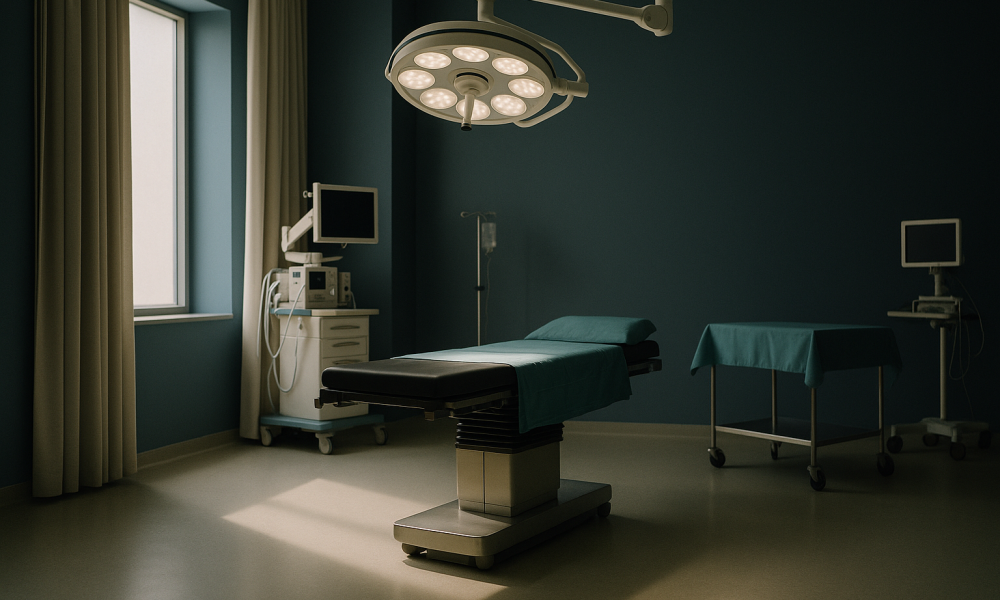
Risks, safety and how accredited Turkish providers manage them
Scoliosis surgery, like any major surgical procedure, carries certain risks. These can include infection, blood loss, nerve damage, and issues related to the hardware used in spinal fusion. However, the risks must be weighed against the potential benefits of the surgery, which can include significant pain relief and improved quality of life.
In Turkey, accredited healthcare providers employ rigorous protocols to manage these risks effectively. Pre-operative assessments are comprehensive, ensuring patients are well-prepared for surgery. This includes detailed medical evaluations and imaging studies to plan the surgery accurately and minimize intraoperative risks.
During surgery, experienced surgeons utilize advanced techniques and technologies to enhance precision and safety. For instance, intraoperative neuromonitoring is commonly used to reduce the risk of nerve damage by monitoring spinal cord function throughout the procedure. Additionally, blood management strategies, such as cell salvage, are employed to minimize blood loss and reduce the need for transfusions.
Post-operative care is critical in managing complications and promoting recovery. Accredited facilities in Turkey provide robust aftercare services, including pain management, infection prevention protocols, and physical therapy. Patients receive detailed instructions on wound care and activity restrictions to reduce the risk of complications.
Accredited Turkish providers also emphasize patient education as a key component of risk management. Patients are informed about the potential risks and benefits of the procedure, enabling them to make informed decisions about their health. This education extends to post-operative care, ensuring patients understand how to identify signs of complications and when to seek medical attention.
Moreover, continuous monitoring and follow-up care are integral to the safety protocols. Regular post-operative assessments allow healthcare providers to detect and address any issues promptly. This ongoing care is supported by a multidisciplinary team, including surgeons, nurses, and physical therapists, ensuring comprehensive management of the patient’s recovery journey.
Choosing an accredited provider in Turkey for scoliosis surgery offers international patients the assurance of high standards of care and safety. These providers adhere to international healthcare standards, which are regularly audited to maintain accreditation status. This commitment to quality and safety helps mitigate the inherent risks of scoliosis surgery, providing patients with confidence in their surgical outcomes.
Choosing the right provider in Turkey
When considering scoliosis surgery in Turkey, selecting the right healthcare provider is crucial to ensure a successful outcome and a safe experience. Accreditation is one of the primary factors to evaluate. Look for hospitals and clinics accredited by internationally recognized organizations such as the Joint Commission International (JCI) or the Turkish Ministry of Health. These accreditations indicate that the facility meets high standards of care and safety.
Equally important is the experience and expertise of the surgeon. Research the surgeon’s credentials, including their education, training, and specialization in spinal surgeries. Surgeons with a focus on scoliosis surgery often have more nuanced skills and understanding of the complexities involved. Patient testimonials and reviews can provide insights into the surgeon’s reputation and patient satisfaction.
Be wary of red flags that may indicate a less reputable provider. These include a lack of transparency regarding costs, credentials, and success rates. Avoid clinics that make unrealistic promises or guarantee outcomes, as these are not possible in any medical procedure. Additionally, be cautious of providers that do not perform a thorough pre-operative evaluation or fail to discuss potential risks and complications.
Visiting the facility, if possible, can provide a clearer picture of the environment and the level of care provided. Assess the cleanliness, professionalism of the staff, and the technology available. A reputable provider will also have a comprehensive aftercare program, which is essential for recovery and long-term success following scoliosis surgery.
Finally, consider the communication and language support offered by the provider. Effective communication is vital for understanding the procedure, risks, and post-operative care instructions. Many hospitals in Turkey offer multilingual staff or translation services to assist international patients.
Scoliosis Surgery Cost in Turkey
Scoliosis surgery costs in Turkey are significantly lower than in many Western countries, making it an attractive option for international patients. The indicative price range for scoliosis surgery in Turkey is between $10,000 and $25,000 USD. This cost is generally more affordable compared to the UK, US, Germany, Australia, and Canada, where prices can range from $30,000 to $150,000 USD.
| Country | Indicative Cost (USD) |
|---|---|
| Turkey | $10,000 – $25,000 |
| UK | $35,000 – $90,000 |
| US | $50,000 – $150,000 |
| Germany | $40,000 – $100,000 |
| Australia | $45,000 – $120,000 |
| Canada | $30,000 – $80,000 |
Many Turkish clinics offer all-inclusive packages that cover pre-operative tests, the surgery itself, hospital accommodation, post-operative care, and sometimes even transportation and lodging for accompanying family members. These packages can provide peace of mind by minimizing unexpected expenses and simplifying logistics.
Several factors can influence the cost of scoliosis surgery, including the complexity of the case, the type of surgical procedure, the surgeon’s expertise, and the hospital’s accreditation level. Additional treatments or extended hospital stays may also alter the final price.
When assessing quotes, ensure they include a detailed breakdown of what is covered. A comprehensive quote should itemize surgical fees, anesthesia, hospital stay, pre- and post-operative consultations, and any follow-up care. Be cautious of quotes that seem significantly lower than the average, as they may not include essential components or may compromise on quality.
It is advisable to discuss potential additional costs upfront to avoid surprises. These may include medications, physiotherapy, or unforeseen complications that require extended care. Transparent communication with the provider about all possible charges is essential for effective financial planning.
Frequently Asked Questions
How much does scoliosis surgery cost in Turkey?
The cost of scoliosis surgery in Turkey generally ranges from $10,000 to $25,000 USD. This is significantly more affordable compared to prices in countries like the US or UK, where costs can exceed $50,000 USD. Prices in Turkey often include all necessary components for the surgery, such as hospital fees, surgeon's fees, and post-operative care.
Why is scoliosis surgery cheaper in Turkey?
Scoliosis surgery is cheaper in Turkey due to lower operational costs and competitive healthcare market. Turkish hospitals often offer all-inclusive packages that reduce the overall expense for international patients. Despite lower costs, many facilities maintain high standards of care, often accredited by international organizations like JCI.
Is scoliosis surgery safe in Turkey?
Scoliosis surgery in Turkey can be safe, provided you choose a reputable, accredited facility with experienced surgeons. Many Turkish hospitals are accredited by international bodies and adhere to high standards of care. It's crucial to research the surgeon’s expertise and the hospital’s track record to ensure safety.
What should I look for in a scoliosis surgeon in Turkey?
Look for a scoliosis surgeon with extensive experience and specialization in spinal surgeries. Verify their credentials, including education and training. Patient reviews and testimonials can offer insights into their reputation. A surgeon who communicates clearly and provides comprehensive pre- and post-operative care is also essential.
What do all-inclusive packages for scoliosis surgery in Turkey cover?
All-inclusive packages for scoliosis surgery in Turkey typically cover pre-operative tests, the surgery itself, hospital accommodation, and post-operative care. Some packages may also include transportation and lodging for accompanying family members. It's important to verify the specifics with your chosen provider.
Can I get a quote for scoliosis surgery in Turkey before traveling?
Yes, many Turkish hospitals and clinics provide detailed quotes before you commit to traveling. These quotes often include a breakdown of costs, covering surgery, hospital stay, and aftercare. Ensure you understand what is included and discuss any potential additional costs with the provider.
Are there any hidden costs for scoliosis surgery in Turkey?
While many clinics offer transparent pricing, it's essential to confirm all details to avoid hidden costs. Ask for a detailed breakdown of the quote, including surgical fees, hospital stay, and post-operative care. Discuss potential additional expenses, such as medications or unforeseen complications, with the provider.
What is the recovery process like after scoliosis surgery in Turkey?
Recovery from scoliosis surgery typically involves a hospital stay of several days, followed by a period of rest and rehabilitation. Turkish hospitals often provide comprehensive aftercare programs, including physiotherapy and follow-up consultations, to support your recovery. Discuss the specifics with your healthcare provider.
How do Turkish hospitals support international patients?
Turkish hospitals often have dedicated international patient departments to assist with logistics, language barriers, and cultural differences. Many facilities offer multilingual staff or translation services to ensure effective communication. They may also help with travel arrangements and provide guidance throughout your treatment journey.
Will I need to stay in Turkey for follow-up care after scoliosis surgery?
The length of your stay in Turkey for follow-up care depends on your specific case and the surgeon's recommendations. Generally, you may need to stay for a few weeks post-surgery for initial recovery and follow-up appointments. Some hospitals offer remote consultations for ongoing care once you return home.
Can my family accompany me during my scoliosis surgery in Turkey?
Yes, many hospitals in Turkey accommodate family members during your treatment. Some all-inclusive packages include lodging for accompanying family. It's advisable to discuss these arrangements with your chosen provider, as having family support can be beneficial for your recovery process.
What should I pack for my scoliosis surgery trip to Turkey?
Pack comfortable clothing suitable for a hospital stay, personal toiletries, and any necessary medical documents. If your hospital offers translation services, language won't be a barrier, but a phrasebook might be helpful. Include any medications you regularly take and chargers for electronic devices.