
The Process: Shoulder Arthroscopy in Turkey, step by step
- Enquiry: The initial step involves reaching out to a reputable healthcare provider in Turkey. You will typically fill out an online form or contact them directly via phone or email. The provider will gather basic information about your medical condition and treatment expectations.
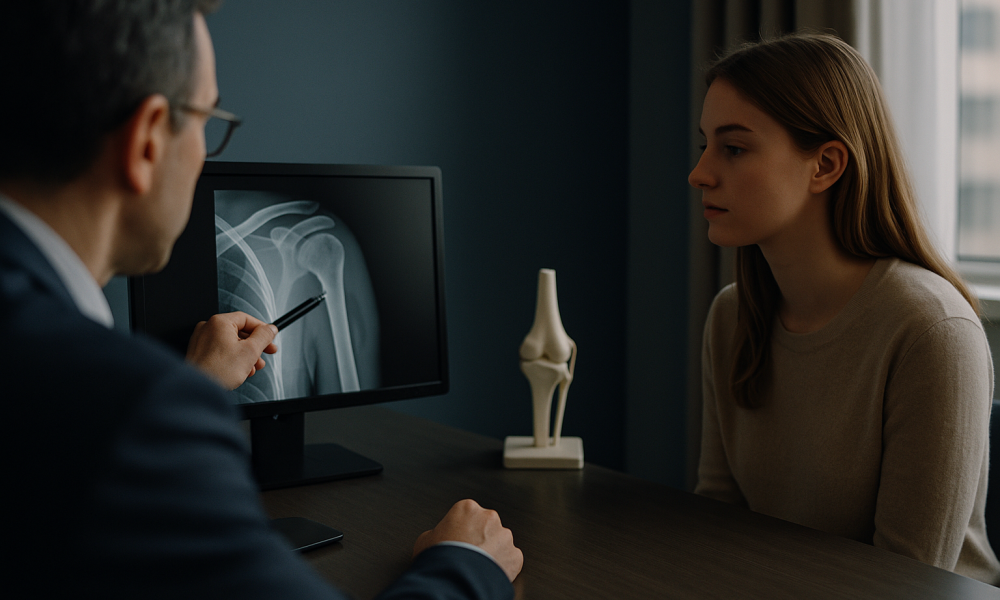
- Assessment: After your enquiry, a detailed assessment is conducted by the medical team. This may involve reviewing your medical history, imaging studies, and any previous treatments. A video consultation with an orthopaedic specialist may be arranged to discuss your case and determine if shoulder arthroscopy is suitable for you.
- Travel Arrangements: Once you are deemed a suitable candidate, you will work with the clinic’s patient coordinators to arrange travel. This includes booking flights, accommodation, and airport transfers. Many clinics offer packages that simplify this process, ensuring a smooth journey to Turkey.
- Treatment Days: Upon arrival in Turkey, you will meet with your surgeon for a pre-operative consultation. This is an opportunity to ask any remaining questions and confirm details of the procedure. The surgery is usually scheduled for the following day. On the day of the procedure, you will be admitted to the hospital where you will undergo shoulder arthroscopy under general or local anaesthesia. The procedure typically lasts 1-2 hours.
- Discharge: After the procedure, you will spend 1-2 days in the hospital for initial recovery and monitoring. The medical team will provide you with post-operative care instructions and any necessary medications before discharge.
- Follow-up: Follow-up care is crucial for a successful recovery. You may need to stay in Turkey for a few more days to attend post-operative check-ups. The clinic will provide a detailed rehabilitation plan and might offer remote follow-up consultations once you return home. Regular communication with your healthcare provider ensures your recovery is on track.
What Shoulder Arthroscopy is and who it is for
Shoulder arthroscopy is a minimally invasive surgical procedure used to diagnose and treat problems within the shoulder joint. It involves the use of an arthroscope, a small camera inserted into the joint through a small incision, allowing surgeons to view the joint on a monitor. This procedure is favored for its precision and reduced recovery times compared to traditional open surgery.
The procedure is commonly performed to address a variety of shoulder issues including rotator cuff tears, shoulder impingement syndrome, labrum tears, and removal of loose bodies. It is also used to treat conditions like shoulder instability and arthritis. The minimally invasive nature of the procedure means that it results in less pain, reduced scarring, and a quicker return to daily activities.
Shoulder arthroscopy is typically recommended for individuals who have not responded well to non-surgical treatments such as physical therapy, medications, or injections. Candidates for this procedure often experience persistent pain, limited range of motion, or joint instability that affects their quality of life.
Ideal candidates are generally in good health, without severe underlying conditions that could complicate surgery. A thorough pre-operative assessment is crucial to determine the suitability of the procedure. Factors such as age, activity level, and the specific nature of the shoulder problem are considered.
As with any surgical procedure, shoulder arthroscopy carries certain risks, such as infection, nerve damage, or complications from anaesthesia. However, these risks are minimized through careful surgical planning and adherence to post-operative care instructions.
Are you a candidate? Criteria and preparation
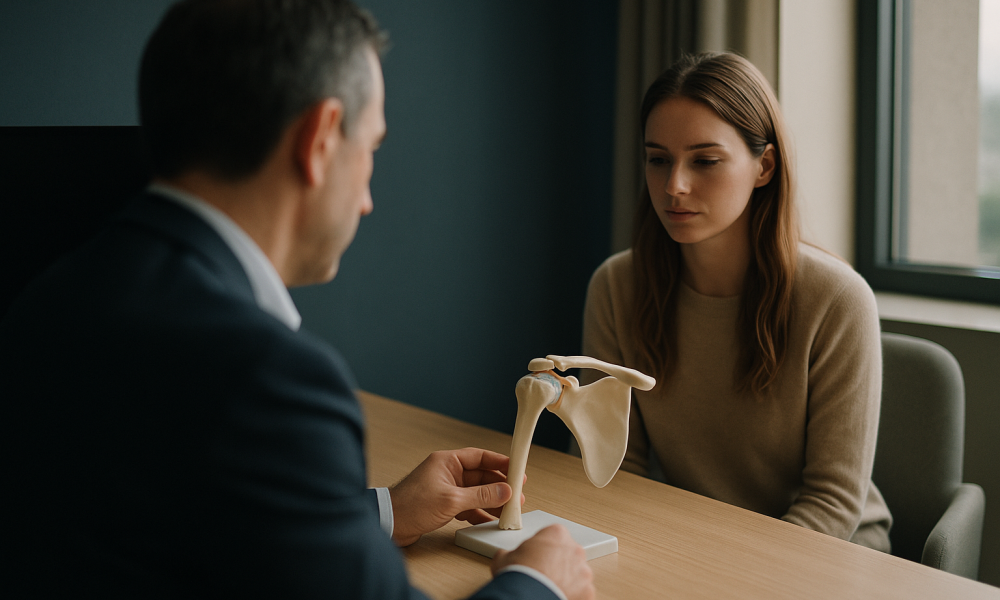
Determining whether you are a suitable candidate for shoulder arthroscopy involves a comprehensive evaluation by a qualified orthopaedic specialist. This minimally invasive procedure is often considered for patients experiencing persistent shoulder pain, limited range of motion, or joint instability that has not responded to conservative treatments such as physical therapy, medication, or lifestyle modifications. Conditions commonly addressed through shoulder arthroscopy include rotator cuff tears, labral tears, shoulder impingement, and removal of loose bodies or inflamed tissue.
To assess candidacy, a thorough examination is conducted, which may include a detailed medical history, physical examination, and diagnostic imaging such as X-rays or MRI scans. These steps help identify the underlying cause of the shoulder problem and determine if arthroscopy is the most appropriate intervention.
Beyond the medical criteria, certain patient-related factors are also considered. Ideal candidates are generally in good overall health, non-smokers, and have realistic expectations about the outcomes and recovery process. Patients with certain medical conditions, such as uncontrolled diabetes or severe cardiovascular disease, may face higher risks and might need additional preoperative evaluations.
Preparation for shoulder arthroscopy is a critical component of achieving successful outcomes. Patients are typically advised to follow a specific set of guidelines in the weeks leading up to the procedure, which may include:
- Undergoing a preoperative assessment to evaluate overall health and readiness for surgery.
- Discontinuing certain medications, particularly blood thinners, as advised by your healthcare provider.
- Arranging for someone to drive you home post-procedure, as you will not be able to operate a vehicle immediately after surgery.
- Ensuring your home environment is prepared for your recovery, including setting up a comfortable rest area and acquiring necessary medical supplies such as slings or ice packs.
- Engaging in prehabilitation exercises, if recommended, to improve shoulder strength and flexibility prior to surgery.
- Discussing with your surgeon any specific concerns or questions you may have about the procedure, recovery, or potential complications.
By meeting these criteria and adequately preparing, patients can enhance their chances of a smooth surgical experience and optimal recovery.
Techniques and options available in Turkey
Turkey boasts a range of advanced techniques and options for shoulder arthroscopy, ensuring that patients receive high-quality care tailored to their specific needs. The country’s healthcare facilities are equipped with state-of-the-art technology and staffed by experienced orthopaedic surgeons who are adept in both conventional and cutting-edge arthroscopic procedures.
One of the most common techniques employed in Turkey is the use of small incisions to insert an arthroscope, a tiny camera that allows the surgeon to view the inside of the shoulder joint on a screen. This minimally invasive approach reduces tissue damage and typically results in quicker recovery times compared to traditional open surgery.
In terms of specific procedures, Turkish surgeons offer a variety of options depending on the patient’s condition. For instance, arthroscopic rotator cuff repair is frequently performed to address tears in the rotator cuff tendons, which are crucial for shoulder movement and stability. This procedure involves reattaching the torn tendons to the bone using sutures or anchors.
Another common procedure is the arthroscopic treatment of shoulder impingement syndrome, where the surgeon removes or shaves down inflamed tissue and bone spurs that are causing pain and restricting movement. Similarly, labral repair is a technique used to fix tears in the labrum, the cartilage that stabilises the shoulder joint, often through the use of sutures or anchors.
Turkish clinics also provide advanced options such as arthroscopic biceps tenodesis, which involves reattaching the biceps tendon to the humerus to alleviate pain and improve function, and synovectomy, where inflamed synovial tissue is removed to relieve symptoms of arthritis or other inflammatory conditions.
The choice of technique is influenced by several factors, including the severity and type of shoulder pathology, patient health, and surgeon expertise. Surgeons in Turkey are well-versed in personalising treatment plans to ensure the best possible outcomes for their international patients.
Furthermore, the cost of shoulder arthroscopy in Turkey is often more competitive compared to Western countries, making it an attractive option for medical tourists. While prices vary based on the complexity of the procedure and the clinic chosen, patients can expect indicative ranges for arthroscopy to be between $2,500 and $4,500 USD. It is important for patients to discuss all potential costs and options with their healthcare provider prior to proceeding.
Overall, the combination of skilled medical professionals, advanced techniques, and cost-effective care makes Turkey a leading destination for shoulder arthroscopy.
Recovery and aftercare timeline
Recovering from shoulder arthroscopy involves a structured timeline, with each phase focusing on different aspects of healing and rehabilitation. Understanding this timeline can help international patients plan their stay and follow-up care effectively.
| Period | What to expect | Care notes |
|---|---|---|
| First 24-48 hours | Post-operative discomfort and initial swelling are common. Patients may experience drowsiness from anaesthesia. | Rest is crucial. Ice packs can help reduce swelling. Pain management typically involves prescribed medications. Keep the operated area clean and dry. |
| First week | Swelling and bruising may persist. Limited shoulder movement is advised. | Wear a sling to support the shoulder. Begin gentle hand and wrist exercises to maintain circulation. Follow prescribed pain medication regimen. |
| Week 2-4 | Swelling should decrease. Gradual improvement in range of motion. | Engage in prescribed physical therapy. Avoid lifting heavy objects. Continue wearing the sling as advised by your healthcare provider. |
| Week 5-8 | Increased mobility and strength. Pain should significantly reduce. | Progressive physical therapy focusing on strengthening exercises. Gradually reduce use of the sling. |
| Month 3-6 | Near-normal function may be achieved. Some stiffness might persist. | Continue strengthening exercises. Follow-up appointments are essential to monitor progress. |
| Month 6-12 | Full recovery expected. Return to most activities. | Maintain an exercise routine to strengthen the shoulder. Regular check-ups to ensure long-term recovery. |
International patients should coordinate with their Turkish healthcare provider to ensure continuity of care once they return home. Virtual consultations and physiotherapy sessions can be arranged to support ongoing recovery.
Risks, safety and how accredited Turkish providers manage them
As with any surgical procedure, shoulder arthroscopy carries certain risks. However, Turkish healthcare providers adhere to international standards to minimise these risks and ensure patient safety.
The potential risks associated with shoulder arthroscopy include infection, bleeding, blood clots, and complications related to anaesthesia. There is also a risk of nerve or blood vessel damage, stiffness, and persistent pain.
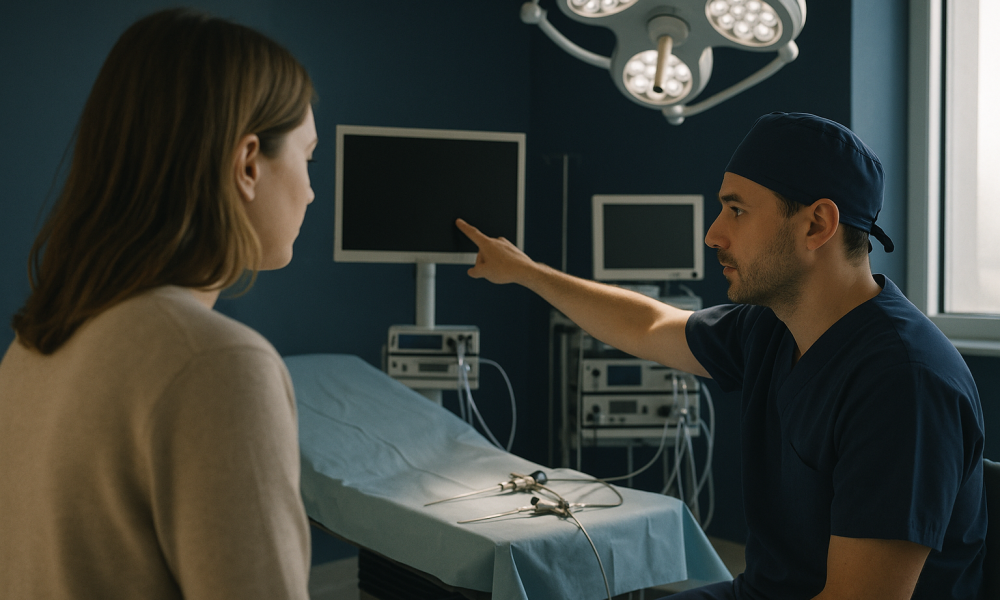
Accredited Turkish medical facilities implement stringent infection control protocols. Operating theatres are equipped with state-of-the-art technology, and staff are trained in the latest surgical techniques and safety measures. Pre-operative evaluations are comprehensive, often including blood tests and imaging studies, to assess the patient’s suitability for surgery and identify any underlying conditions that may increase surgical risk.
During the procedure, highly skilled surgeons use minimally invasive techniques to reduce trauma to surrounding tissues. The use of arthroscopic methods allows for smaller incisions, which lessens the risk of infection and accelerates recovery time. Surgeons are supported by experienced teams who monitor the patient closely throughout the operation.
Post-operatively, patients receive detailed instructions on wound care, recognising signs of complications, and when to seek medical attention. Follow-up appointments are scheduled to assess recovery progress and address any concerns. Accredited facilities also offer 24/7 patient support services to provide assistance and reassurance at any stage of the recovery process.
For international patients, Turkish healthcare providers offer comprehensive packages that include pre-operative consultations, surgery, hospital stay, and post-operative follow-up. These packages are designed to ensure a seamless experience, with language assistance and cultural sensitivity being integral components.
It is important for patients to communicate openly with their healthcare team about any concerns or symptoms they experience during recovery. Accredited providers in Turkey are committed to maintaining high standards of care and continuously improving patient outcomes through ongoing education and adherence to global best practices.
Choosing the right provider in Turkey
When considering shoulder arthroscopy in Turkey, selecting the right provider is paramount. Ensuring the clinic is accredited by internationally recognized bodies such as the Joint Commission International (JCI) is a critical first step. Accreditation ensures that the facility adheres to global healthcare standards, providing a baseline for quality and safety.
Another essential factor is the experience and qualifications of the surgeons. Look for specialists who have undergone extensive training in orthopaedic surgery, with a focus on minimally invasive techniques like arthroscopy. Surgeons with board certifications, memberships in international orthopaedic associations, and a track record of numerous successful procedures tend to be more reliable. It is also beneficial to seek out patient reviews and testimonials that can shed light on the surgeon’s expertise and patient care.
Red flags to be wary of include clinics that lack transparency in their pricing or those unwilling to provide detailed information about the surgeon’s credentials. Additionally, avoid providers that promise guaranteed outcomes, as this is an unrealistic expectation in any medical procedure. A reputable clinic will offer a comprehensive initial consultation, which should include a thorough discussion of your medical history, the proposed treatment plan, potential risks, and realistic outcomes.
Furthermore, consider the facility’s infrastructure and the availability of advanced medical technology. A well-equipped clinic with state-of-the-art equipment is essential for the success of a shoulder arthroscopy procedure. It’s also important that the facility provides comprehensive post-operative care, including rehabilitation services, which is crucial for a smooth recovery.
In summary, choosing the right provider involves a careful evaluation of accreditation, surgeon experience, transparency, facility quality, and post-operative care. By prioritizing these elements, patients can significantly enhance the likelihood of a successful treatment outcome.
Shoulder Arthroscopy Cost in Turkey
The cost of shoulder arthroscopy in Turkey is significantly lower than in many Western countries, making it an attractive option for international patients. The indicative price range for this procedure in Turkey is between £2,000 and £3,500. This is in stark contrast to the UK, where prices range from £5,000 to £7,500, and the US, where costs can soar between $10,000 and $17,000. Germany offers the procedure at approximately €4,500 to €6,500, Australia ranges from AUD 7,000 to AUD 10,000, and in Canada, the cost is typically CAD 8,000 to CAD 12,000.
| Country | Cost Range |
|---|---|
| Turkey | £2,000-£3,500 |
| UK | £5,000-£7,500 |
| US | $10,000-$17,000 |
| Germany | €4,500-€6,500 |
| Australia | AUD 7,000-AUD 10,000 |
| Canada | CAD 8,000-CAD 12,000 |
Many clinics in Turkey offer all-inclusive packages, which typically cover the surgeon’s fees, anaesthesia, hospital stay, pre-operative tests, and post-operative care. Some packages may also include airport transfers, accommodation, and translation services, providing a seamless experience for international patients.
The cost can vary based on several factors such as the surgeon’s expertise, the complexity of the procedure, the type of anaesthesia used, and the length of hospital stay. Additional costs may arise if there are complications or if further treatments are necessary post-surgery.
When reading quotes, it is essential to understand what is included and what is not. Ensure that the quote outlines all potential costs and clearly states whether post-operative care and follow-up consultations are covered. It’s advisable to have a detailed discussion with the clinic to avoid any hidden costs.
In conclusion, while Turkey offers competitive pricing for shoulder arthroscopy, patients should carefully evaluate what the quoted price includes and consider the overall value rather than just the cost. This approach will help ensure a satisfactory medical tourism experience.
Frequently Asked Questions
What factors affect the cost of shoulder arthroscopy in Turkey?
The cost of shoulder arthroscopy in Turkey can be influenced by various factors, including the surgeon's experience and reputation, the complexity of the procedure, the type of anaesthesia used, and the facility's location and amenities. Additional costs may arise from post-operative care and any unforeseen complications. It is crucial to understand the full scope of what is included in the quoted price to avoid unexpected expenses.
Are all-inclusive packages for shoulder arthroscopy worth it?
All-inclusive packages for shoulder arthroscopy can offer significant value, particularly for international patients. These packages often cover not only the surgical procedure but also pre-operative assessments, hospital stays, post-operative care, and sometimes even travel-related services like airport transfers and accommodation. However, it's essential to verify what is included in the package and compare it with other providers to ensure it meets your needs and expectations.
Is shoulder arthroscopy safe in Turkey?
Shoulder arthroscopy in Turkey is generally safe, especially when performed in accredited facilities with experienced surgeons. Turkish hospitals often adhere to international healthcare standards, and many are accredited by bodies such as the Joint Commission International (JCI). To ensure safety, patients should thoroughly research the clinic's credentials, the surgeon's experience, and patient reviews. Additionally, discussing potential risks and post-operative care with your healthcare provider is crucial.
How do I verify a Turkish clinic's accreditation?
To verify a Turkish clinic's accreditation, you can check if it is certified by internationally recognized organizations such as the Joint Commission International (JCI). These accreditations ensure that the clinic adheres to high standards of quality and safety in healthcare. You can visit the accrediting body's website to confirm the clinic's status or directly contact the clinic for accreditation details.
What should I expect during the recovery period after shoulder arthroscopy?
Recovery from shoulder arthroscopy typically involves a period of rest followed by rehabilitation exercises to restore mobility and strength. Patients can expect some discomfort and swelling, which usually subsides within a few weeks. Physical therapy is often recommended to aid in recovery, and full recovery can take several months. It's essential to follow your surgeon's post-operative instructions diligently to ensure a successful recovery.
How long is the typical hospital stay for shoulder arthroscopy?
Shoulder arthroscopy is usually performed as an outpatient procedure, meaning patients can return home the same day. However, in some cases, an overnight stay may be required, especially if the procedure is more complex or if there are any complications. The exact duration of the hospital stay will depend on individual circumstances and should be discussed with your healthcare provider prior to the surgery.
Can I combine shoulder arthroscopy with a holiday in Turkey?
Combining shoulder arthroscopy with a holiday in Turkey is possible, but it requires careful planning. It's essential to prioritize your health and recovery, ensuring adequate rest and following post-operative care instructions. Additionally, consider the timing of your travel to accommodate follow-up appointments and potential complications. Discuss your plans with your surgeon to ensure it aligns with your recovery process.
What are the common risks associated with shoulder arthroscopy?
Common risks of shoulder arthroscopy include infection, bleeding, nerve damage, and stiffness in the shoulder joint. While these complications are rare, they can occur. It's important to discuss potential risks with your surgeon prior to the procedure and follow all pre- and post-operative care instructions to minimize these risks. Choosing an experienced surgeon and a reputable clinic can further reduce the likelihood of complications.
How soon can I return to work after shoulder arthroscopy?
The time it takes to return to work after shoulder arthroscopy varies depending on the nature of your job and the complexity of the surgery. For desk jobs, patients may return within a week or two, while those with physically demanding roles may need several weeks or even months. Your surgeon will provide guidance based on your specific situation and recovery progress. It's important to follow their recommendations to avoid compromising your recovery.
Is it necessary to have a companion when traveling for shoulder arthroscopy?
Having a companion when traveling for shoulder arthroscopy is highly recommended. A companion can provide essential support during your recovery, assist with transportation, and help manage daily activities that may be challenging post-surgery. They can also offer emotional support and help communicate with healthcare providers, ensuring you have a smooth and stress-free experience.
Will my insurance cover shoulder arthroscopy in Turkey?
Coverage for shoulder arthroscopy in Turkey depends on your specific insurance policy and provider. Some international insurance plans may cover elective procedures abroad, while others may not. It's crucial to contact your insurance provider to understand your coverage options and any requirements they may have for reimbursing medical expenses incurred overseas. Consider obtaining travel insurance to cover any gaps in your coverage.
What should I pack for my trip to Turkey for shoulder arthroscopy?
When packing for shoulder arthroscopy in Turkey, consider bringing comfortable clothing, personal hygiene items, any necessary medications, and medical documents such as previous health records and imaging. It's also useful to have a list of important contacts, including your surgeon and the clinic. If your package includes travel and accommodation, verify what is provided to avoid overpacking. Ensure you have all travel-related documents, including your passport and visa if required.