
The Process: Sleep Study Abroad in Turkey, step by step
- Enquiry: Begin by reaching out to a medical tourism facilitator or directly to a sleep clinic in Turkey to express your interest. Provide essential details such as your medical history, current symptoms, and any previous sleep studies you may have undergone. This initial step helps the clinic understand your specific needs and prepare accordingly.
- Assessment: Once your enquiry is received, a preliminary assessment is conducted by the clinic’s sleep specialists. This may involve reviewing your medical records and conducting an initial consultation via video call. The purpose of this assessment is to determine the suitability of the sleep study for your condition and to tailor the study to address your specific symptoms.
- Travel: After confirming your suitability for the sleep study, travel arrangements are made. This includes booking flights and accommodation, and arranging for any necessary visas. Many clinics offer assistance with these logistics to ensure a smooth journey. Patients are advised to arrive in Turkey at least a day before the scheduled sleep study to acclimatise and rest.
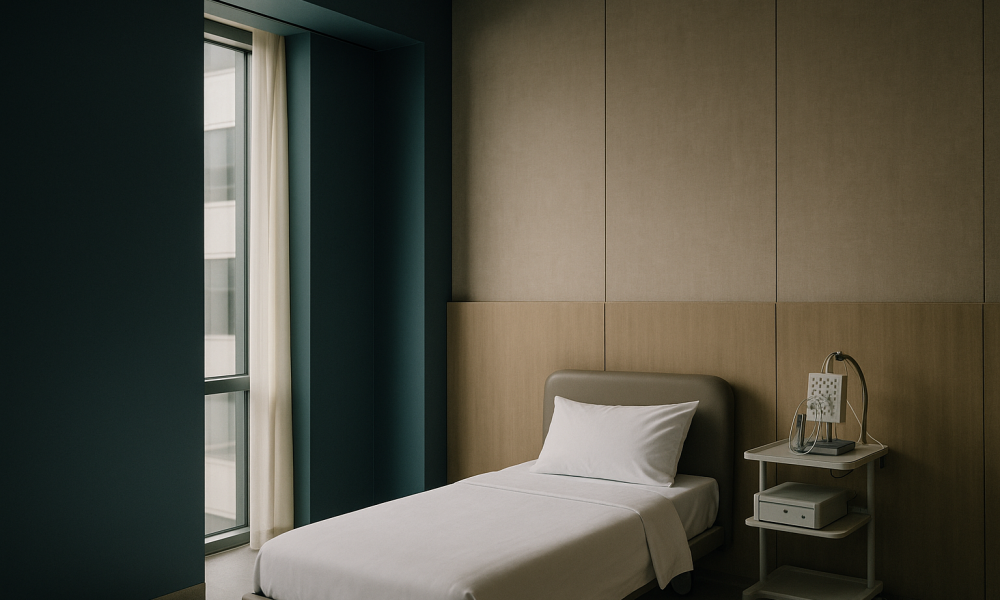
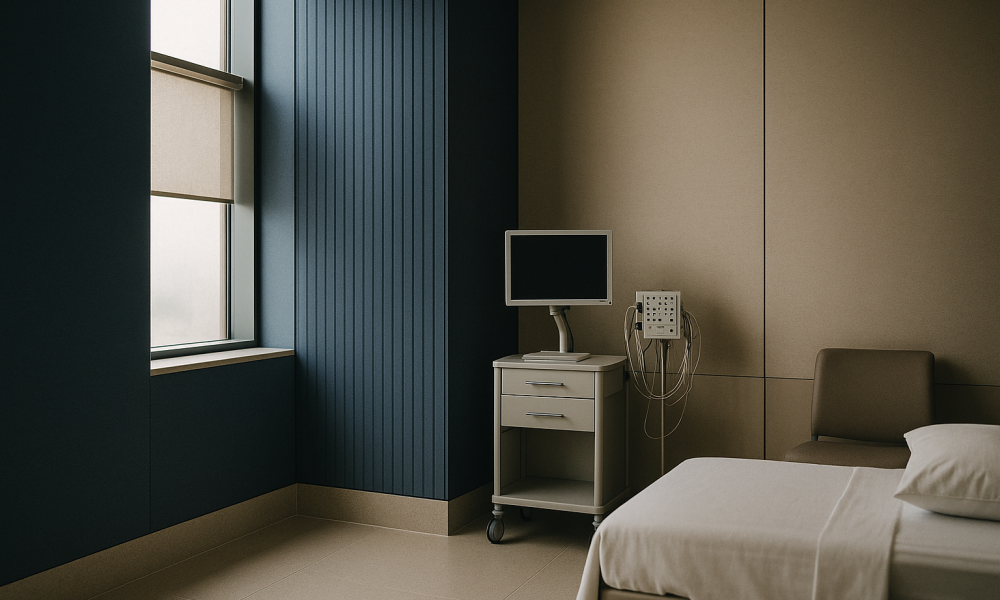
- Treatment Days: The sleep study is conducted over one or two nights, depending on the complexity of the symptoms being investigated. Patients are provided with a private, comfortable room equipped with the necessary monitoring equipment. During the study, various parameters such as brain waves, oxygen levels, heart rate, and breathing patterns are monitored to assess sleep quality and identify any disorders.
- Discharge: After the completion of the sleep study, patients are typically discharged the following morning. A brief consultation is conducted to discuss initial observations. The detailed results are usually made available within a few days, after thorough analysis by the sleep specialists.
- Follow-up: A follow-up consultation is arranged, either in person or via video call, to discuss the findings of the sleep study and to recommend any further treatment or lifestyle modifications. The clinic provides a comprehensive report that can be shared with your healthcare provider back home for continuity of care.
What Sleep Study Abroad is and who it is for
A sleep study, also known as polysomnography, is a comprehensive test used to diagnose sleep disorders. It records your brain waves, oxygen level in your blood, heart rate, breathing, and eye and leg movements during the study. This test is crucial for identifying conditions such as sleep apnea, restless legs syndrome, insomnia, and narcolepsy.
Sleep studies abroad, particularly in Turkey, offer international patients access to state-of-the-art facilities and experienced specialists at a more affordable cost than in many Western countries. The process is designed to be patient-centric, ensuring comfort and thoroughness in diagnosis.
Individuals who experience persistent sleep issues, such as chronic snoring, daytime fatigue, or irregular breathing patterns during sleep, are ideal candidates for a sleep study. Additionally, those who have been previously diagnosed with a sleep disorder and require a follow-up or further evaluation can benefit significantly from this service.
Turkey’s strategic location, advanced healthcare infrastructure, and competitive pricing make it an attractive destination for sleep studies. The country is home to numerous accredited clinics and hospitals that adhere to international standards, ensuring high-quality care for international patients.
Patients opting for a sleep study in Turkey can expect a seamless experience, from the initial enquiry to follow-up care. The process is supported by multilingual staff and comprehensive patient support services, ensuring that language barriers and cultural differences do not impede the quality of care received.
Ultimately, a sleep study abroad in Turkey is an excellent option for those seeking accurate diagnosis and effective management of sleep disorders, with the added benefit of exploring a vibrant country rich in history and culture.
Are you a candidate? Criteria and preparation
Determining if you are a candidate for a sleep study in Turkey involves assessing various health factors, symptoms, and personal circumstances. Sleep studies, or polysomnography, are generally recommended for individuals experiencing persistent sleep-related issues, such as obstructive sleep apnea, insomnia, restless legs syndrome, or narcolepsy. However, your eligibility will ultimately depend on a thorough evaluation by a healthcare professional.
Here are some criteria that may make you a suitable candidate for a sleep study:
- Chronic Sleep Disorders: If you have symptoms such as excessive daytime sleepiness, loud snoring, or observed episodes of stopped breathing during sleep, you may be a candidate. These symptoms often indicate conditions like sleep apnea, which a sleep study can help diagnose.
- Unexplained Daytime Fatigue: Persistent tiredness despite adequate sleep duration can signal a sleep disorder. A sleep study can help pinpoint underlying causes.
- Difficulty Falling or Staying Asleep: Insomnia, characterized by trouble initiating or maintaining sleep, can be assessed and diagnosed with a sleep study.
- Medical Referral: A referral from a doctor or specialist who suspects a sleep disorder based on your medical history or symptoms.
- Age and Health Considerations: While sleep studies can be conducted on individuals of all ages, specific health conditions, such as cardiovascular issues, may necessitate a sleep study to prevent complications.
Preparation is crucial for obtaining accurate results from a sleep study. Here is a checklist to guide your preparation:
- Medical History: Provide a comprehensive medical history, including any current medications, allergies, and past sleep study results, if applicable.
- Sleep Diary: Maintain a sleep diary for at least one week prior to the study, noting sleep patterns, wake times, and any disruptions.
- Pre-Study Instructions: Follow any specific instructions provided by the sleep clinic, such as avoiding caffeine or alcohol on the day of the study.
- Personal Items: Bring comfortable sleepwear, personal hygiene items, and any necessary medications.
- Avoid Naps: To ensure accurate results, avoid naps on the day of the study.
Discuss any concerns or questions with your healthcare provider to ensure you are well-prepared and informed about the process and expectations of your sleep study in Turkey.
Techniques and options available in Turkey
Turkey offers a range of advanced techniques and options for conducting sleep studies, facilitated by experienced healthcare professionals and equipped with state-of-the-art technology. Understanding these techniques can help you make informed decisions about your treatment options.
One of the most common techniques is Polysomnography (PSG), an overnight study that monitors various physiological parameters during sleep. This comprehensive test typically measures brain waves, eye movements, muscle activity, heart rhythm, and breathing patterns. The data collected provides a detailed overview of your sleep architecture and can help diagnose disorders such as sleep apnea, periodic limb movement disorder, and REM sleep behaviour disorder.
In addition to traditional polysomnography, Turkey offers Home Sleep Apnea Testing (HSAT) for patients with a high pre-test probability of obstructive sleep apnea. This option involves using portable monitoring devices that record similar data to PSG but in the comfort of your own home. HSAT is generally more convenient and cost-effective, although it may not capture as comprehensive data as an in-lab study.
Another innovative technique available is Multiple Sleep Latency Testing (MSLT), often used to diagnose narcolepsy and measure the degree of daytime sleepiness. This test is conducted during the day following an overnight PSG and involves a series of naps at two-hour intervals. It assesses how quickly and deeply you fall asleep, providing insights into your sleep cycle and identifying potential disorders.
Furthermore, Maintenance of Wakefulness Test (MWT) is available for assessing an individual’s ability to stay awake in a quiet, non-stimulating environment. This test is useful for evaluating the effectiveness of treatment for sleep disorders or for determining fitness for duty in professions where alertness is critical.
Turkey’s sleep clinics also utilize advanced technologies such as actigraphy, which involves wearing a wristwatch-like device that monitors movement patterns to infer sleep-wake cycles over extended periods. This method is particularly beneficial for assessing circadian rhythm disorders and can complement other sleep study techniques.
Cost considerations for sleep studies in Turkey vary depending on the type of test and the facility. Prices typically range from €500 to €1,200 for in-lab PSG and from €300 to €700 for home-based tests. It is essential to consult with the clinic regarding the specific services included in the quoted price, such as the initial consultation, follow-up appointments, and any additional tests required.
Ultimately, the choice of technique will depend on individual needs, as well as the recommendations of your healthcare provider. Discussing these options with your medical team will ensure you receive the most appropriate and effective care for your specific sleep concerns.
Recovery and aftercare timeline
Undergoing a sleep study abroad in Turkey involves a well-structured recovery and aftercare process, ensuring that patients receive comprehensive support and care once the study is completed. The timeline for recovery and aftercare is designed to facilitate the best possible outcomes, providing patients with a clear understanding of what to expect during each phase.
| Period | What to expect | Care notes |
|---|---|---|
| Immediate (0-24 hours) | After completing the sleep study, patients are typically discharged the following morning. Patients may feel a little groggy due to disrupted sleep patterns the night before, but this is normal. | Ensure adequate hydration and nutrition. Avoid scheduling any strenuous activities immediately after discharge. It is advisable to have someone accompany you back to your accommodation. |
| Short-term (1-7 days) | During this period, patients may experience adjustments as they return to their regular sleep patterns. Results from the sleep study are analysed, and a follow-up appointment is usually scheduled to discuss findings and potential treatment options. | Maintain a consistent sleep schedule. Refrain from alcohol and caffeine intake close to bedtime. Follow any specific recommendations provided by the sleep specialist. |
| Medium-term (1-3 weeks) | Patients may begin to implement recommended interventions, such as changes in sleep hygiene or use of CPAP machines, if advised. Regular communication with healthcare providers is crucial to monitor progress. | Adhere to all prescribed treatments and lifestyle modifications. Report any adverse effects or concerns to your healthcare provider promptly. |
| Long-term (1 month and beyond) | By this stage, patients should have adjusted to any new routines or treatments. Long-term monitoring may be necessary, particularly for chronic conditions identified during the sleep study. | Attend all scheduled follow-up appointments, either virtually or in-person, as advised. Continue to implement lifestyle changes for sustained improvement in sleep quality. |
Throughout the recovery and aftercare process, patients are encouraged to maintain open communication with their healthcare providers. This ensures that any questions or concerns are promptly addressed, facilitating a smoother transition back to normal activities and improved sleep health.
Risks, safety and how accredited Turkish providers manage them
When considering a sleep study abroad in Turkey, understanding the potential risks and how they are managed by accredited providers is essential. Turkish healthcare facilities are renowned for their adherence to international safety standards, ensuring that patients receive high-quality care.
One of the primary risks associated with sleep studies is the potential for discomfort due to the monitoring equipment. Patients may experience minor skin irritation from electrodes or adhesive. Accredited Turkish providers manage this by using hypoallergenic materials and ensuring that all equipment is applied by trained professionals. Additionally, any discomfort is closely monitored and addressed promptly.
Another risk involves the accuracy of the sleep study results. To mitigate this, Turkish sleep study centres employ experienced sleep technicians and utilise state-of-the-art diagnostic technology. These facilities are often accredited by international bodies such as the Joint Commission International (JCI), which validates their commitment to maintaining high standards of care and accuracy in diagnostics.
Patient privacy and data security are also critical considerations. Accredited providers in Turkey adhere to stringent confidentiality protocols, ensuring that all patient information is securely stored and only accessible to authorised personnel. This is in line with global data protection regulations, providing international patients with peace of mind.
In terms of safety, Turkish healthcare facilities are equipped with advanced emergency response systems. Staff are trained to handle any unforeseen medical emergencies that may arise during a sleep study. This includes having immediate access to medical professionals and emergency equipment, ensuring that patients receive timely and appropriate care if necessary.
Accredited providers also focus on comprehensive pre-study consultations to assess each patient’s individual risk factors. This personalised approach allows healthcare teams to tailor the sleep study process, minimising risks and maximising the accuracy of results. Patients are encouraged to discuss their medical history and any concerns with their healthcare provider, facilitating a safe and effective study experience.
Overall, while there are inherent risks associated with any medical procedure, accredited Turkish providers implement robust safety measures and protocols to manage these effectively. This commitment to patient safety and quality care makes Turkey a reliable destination for sleep studies, offering international patients the assurance of receiving world-class medical services.
Choosing the right provider in Turkey
When considering a sleep study abroad in Turkey, selecting the right provider is crucial for ensuring a safe and effective diagnostic experience. Accreditation is a key factor. Look for facilities accredited by international bodies such as the Joint Commission International (JCI) or the International Organization for Standardization (ISO). These accreditations indicate adherence to high standards of care and safety.
The experience and qualifications of the medical professionals conducting the sleep study are equally important. Ideally, the supervising physician should be a board-certified sleep specialist with extensive experience in diagnosing and treating sleep disorders. Inquire about their training background, years of experience, and any additional certifications they might hold.
Be vigilant for red flags that might suggest a lower quality of care. These include a lack of transparency in communication, reluctance to provide credentials or accreditations, and overly aggressive marketing tactics promising guaranteed outcomes. Additionally, ensure that the facility provides comprehensive pre-study consultations and post-study follow-ups, as these are integral to the diagnostic process.
Patient testimonials and reviews can offer insights into the quality of care provided. Look for consistent positive feedback regarding the professionalism of staff, the thoroughness of the study, and the clarity of the results provided. However, be cautious of reviews that seem overly positive without specific details, as these may not always be genuine.
Furthermore, consider the logistical support offered by the provider. This includes assistance with travel arrangements, accommodation, and language support services. A reputable provider will facilitate these aspects, ensuring a smooth and stress-free experience for international patients. Lastly, verify that the facility adheres to robust data protection policies to safeguard your personal and medical information.
Sleep Study Abroad Cost in Turkey
The cost of undergoing a sleep study in Turkey is a significant consideration for many international patients. On average, sleep studies in Turkey are considerably more affordable than in countries like the UK, US, Germany, Australia, and Canada. Below is a comparative table illustrating indicative price ranges:
| Country | Indicative Price Range (USD) |
|---|---|
| Turkey | $1,000 – $2,500 |
| UK | $3,000 – $5,000 |
| US | $4,000 – $7,000 |
| Germany | $3,500 – $6,000 |
| Australia | $3,500 – $6,500 |
| Canada | $3,000 – $5,500 |
Many providers in Turkey offer all-inclusive packages that can further enhance the cost-effectiveness of the procedure. These packages typically cover the sleep study itself, initial consultations, accommodation, airport transfers, and post-study consultations. Such packages are designed to simplify the process for international patients and provide a comprehensive service without hidden costs.
Several factors can influence the cost of a sleep study in Turkey. These include the complexity of the sleep disorder being investigated, the duration of the study, the location of the facility, and the expertise of the medical team. Facilities in major cities like Istanbul may charge higher fees compared to those in smaller cities.
When reading quotes, it is important to carefully review what is included in the price. Ensure that all necessary components of the study and associated services are covered. Clarify whether post-study consultations and any necessary follow-up treatments are included. Be wary of quotes that seem unusually low, as they may exclude essential services or imply lower standards of care.
Ultimately, while cost is an important factor, it should not be the sole determinant in your decision-making process. Prioritize the quality of care and the expertise of the providers to ensure a thorough and accurate diagnosis of your sleep disorder.
Frequently Asked Questions
What is the average cost of a sleep study in Turkey?
The average cost of a sleep study in Turkey typically ranges from $1,000 to $2,500. This is significantly lower compared to prices in countries like the US or UK. The cost may vary depending on factors such as the complexity of the sleep disorder and the location of the facility.
Are there all-inclusive packages for sleep studies in Turkey?
Yes, many providers in Turkey offer all-inclusive packages for sleep studies. These packages generally cover the sleep study itself, initial consultations, accommodation, airport transfers, and post-study consultations. Such packages provide a comprehensive service, making the process more convenient for international patients.
How safe is it to undergo a sleep study in Turkey?
Undergoing a sleep study in Turkey is generally safe, especially if you choose a facility accredited by reputable international organizations like JCI or ISO. It's important to verify the credentials of the medical team and ensure the facility adheres to high standards of care and patient safety.
What should I look for in the credentials of a sleep specialist in Turkey?
Look for a sleep specialist who is board-certified and has extensive experience in diagnosing and treating sleep disorders. Additional certifications, years of practice, and a solid educational background are indicators of a qualified specialist.
How can I verify the accreditation of a sleep study facility in Turkey?
You can verify a facility's accreditation by checking for certifications from international bodies such as the Joint Commission International (JCI) or the International Organization for Standardization (ISO). These accreditations ensure adherence to high standards of care and safety.
What are the common red flags when choosing a sleep study provider in Turkey?
Common red flags include a lack of transparency in communication, unwillingness to provide credentials or accreditations, and overly aggressive marketing tactics. Additionally, be cautious if the facility does not offer comprehensive pre- and post-study consultations.
Do sleep study facilities in Turkey provide language support?
Most reputable sleep study facilities in Turkey offer language support services to assist international patients. This typically includes translation services and multilingual staff to ensure clear communication throughout the process.
How long does a typical sleep study take in Turkey?
A typical sleep study in Turkey usually takes one night to complete. However, the duration may vary depending on the complexity of the sleep disorder being investigated. Some conditions may require additional monitoring or follow-up studies.
Will I receive a detailed report after my sleep study in Turkey?
Yes, after your sleep study, you will receive a detailed report that outlines the findings and provides a diagnosis of any sleep disorders. This report is typically discussed with you during a post-study consultation, where any necessary treatments or lifestyle changes will be recommended.
What factors can affect the cost of a sleep study in Turkey?
Factors affecting the cost include the complexity of the sleep disorder, the duration of the study, the facility's location, and the expertise of the medical team. Facilities in major cities like Istanbul may charge higher fees compared to those in smaller cities.
Are follow-up consultations included in the sleep study package?
Follow-up consultations are often included in all-inclusive sleep study packages in Turkey. It's important to confirm this with the provider to ensure you understand what is covered in your package and to avoid any unexpected costs.
How do I ensure the privacy of my medical information during a sleep study in Turkey?
Ensure that the facility adheres to robust data protection policies. Reputable providers will have clear privacy protocols to safeguard your personal and medical information. Discuss these policies with the facility before proceeding with the study.