
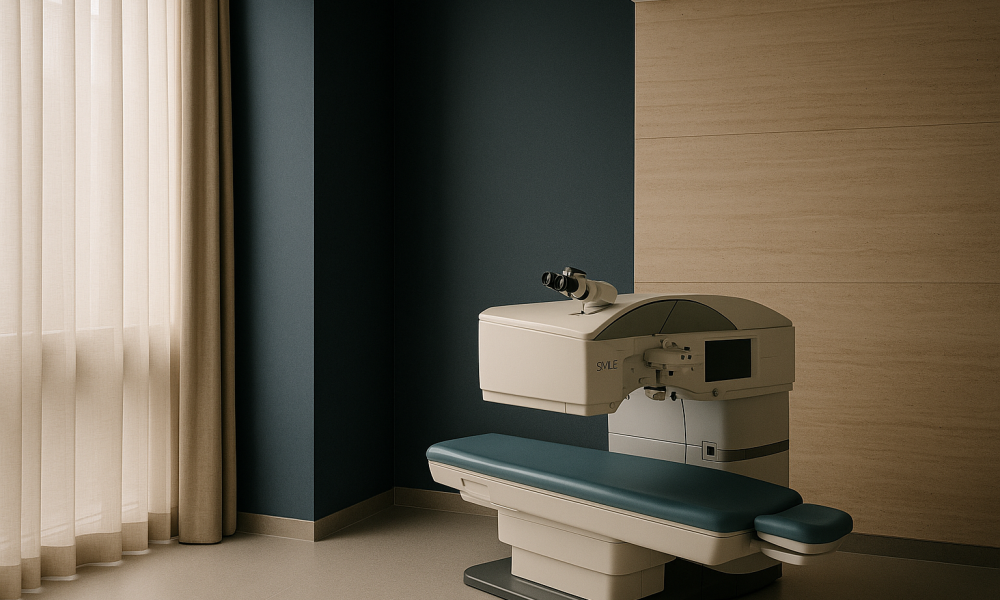
The Process: SMILE Laser Eye Surgery in Turkey, step by step
- Enquiry: The journey begins with an initial enquiry. Prospective patients typically reach out via online platforms or direct contact with Turkish clinics offering SMILE Laser Eye Surgery. This stage involves gathering preliminary information about the procedure, costs, and available dates.
- Assessment: Upon expressing interest, patients undergo a comprehensive assessment. This usually includes an online or telephonic consultation followed by submission of medical records. A detailed evaluation by the ophthalmologist is essential to ascertain the patient’s eligibility for SMILE surgery.
- Travel Arrangements: Once deemed suitable, the patient coordinates travel plans. Many clinics offer assistance with travel logistics, including visa guidance, accommodation bookings, and airport transfers to ensure a seamless experience.
- Treatment Days: The treatment phase spans a few days. On arrival, patients undergo a pre-operative examination to confirm their readiness for surgery. The SMILE procedure is typically performed on an outpatient basis, requiring only local anaesthesia and taking approximately 10-15 minutes per eye.
- Discharge: Post-surgery, patients are monitored for a short period before discharge. Instructions are provided regarding eye care, protective eyewear, and medication. Patients are usually fit to leave the clinic the same day.
- Follow-up: Follow-up care is crucial for optimal recovery. Patients may need to visit the clinic for post-operative check-ups or maintain communication with their surgeon remotely. Clinics often provide detailed guidelines for recovery and ongoing care.
What SMILE Laser Eye Surgery is and who it is for
SMILE, or Small Incision Lenticule Extraction, is a minimally invasive refractive eye surgery designed to correct myopia and astigmatism. This advanced laser procedure employs a femtosecond laser to create a small lens-shaped piece of tissue, known as a lenticule, within the cornea. Unlike traditional LASIK, SMILE does not require the creation of a corneal flap, making it a less invasive option with a potentially quicker recovery period.
SMILE is particularly suitable for individuals with dry eyes or those who engage in contact sports, as the absence of a flap reduces the risk of dislocation or complications associated with flap creation. Ideal candidates are typically those with stable vision prescriptions, good eye health, and a desire to reduce dependence on corrective eyewear.
Eligibility for SMILE is determined through a thorough pre-operative assessment, including corneal thickness measurement, eye health evaluation, and visual acuity testing. The procedure is not recommended for individuals with certain eye conditions, such as keratoconus, or those with significant changes in vision prescription over the past year.
Overall, SMILE offers a promising solution for those seeking a long-term reduction in refractive errors, with many patients experiencing rapid visual recovery and lasting results.
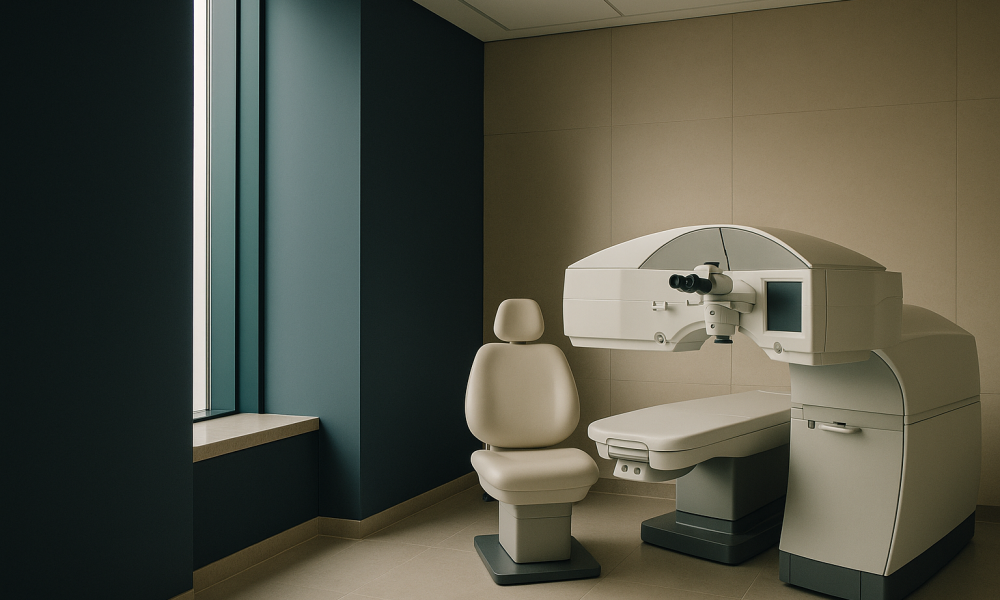
Are you a candidate? Criteria and preparation
Determining whether you are a suitable candidate for SMILE laser eye surgery is a critical step in the treatment process. SMILE, which stands for Small Incision Lenticule Extraction, is an advanced form of laser eye surgery designed to correct myopia (short-sightedness) and, in some cases, astigmatism. However, not everyone is eligible for this procedure. Several criteria must be met to ensure the safety and efficacy of the surgery.
The primary criterion is age. Candidates typically must be over 18 years old, as the eyes need to have reached their full growth. Additionally, the prescription should have been stable for at least one year. This stability ensures that the refractive error is not fluctuating, which could affect the surgery’s long-term results.
Another crucial factor is the health of the eyes. Candidates must have healthy corneas with sufficient thickness, as the procedure involves creating a small incision in the cornea to remove a lenticule of tissue. Those with very thin corneas or corneal diseases such as keratoconus may not be suitable candidates. A comprehensive eye examination will be conducted to assess corneal thickness, shape, and overall eye health.
General health conditions must also be considered. Conditions such as uncontrolled diabetes, autoimmune diseases, or any condition that affects wound healing might preclude someone from being a candidate for SMILE surgery. Additionally, patients who are pregnant or nursing are typically advised to wait until hormone levels stabilize post-pregnancy, as these can affect vision.
Below is a checklist to determine candidacy for SMILE laser eye surgery:
- Age 18 or older
- Stable prescription for at least one year
- Good overall eye health with no history of corneal diseases
- Sufficient corneal thickness
- No significant eye infections or injuries
- General good health, with no conditions affecting healing
- Not currently pregnant or nursing
Preparation for SMILE laser eye surgery also plays a vital role in the success of the procedure. Patients should avoid wearing contact lenses for a period before the surgery, as lenses can alter the shape of the cornea. The exact duration will depend on whether the patient wears soft or rigid lenses. Additionally, patients are advised to refrain from using any eye makeup or creams around the eyes for at least 24 hours before the procedure.
On the day of the surgery, patients should arrange for transportation home, as their vision may be blurry immediately after the procedure. It is also recommended to wear comfortable clothing and avoid any perfumes or colognes that could interfere with the sterile environment.
Techniques and options available in Turkey
Turkey has become a leading destination for SMILE laser eye surgery, offering advanced techniques and a range of options to suit the diverse needs of international patients. The country is renowned for its high standards of medical care, experienced ophthalmologists, and state-of-the-art technology, all of which contribute to the popularity of receiving eye surgery here.
SMILE is a minimally invasive procedure that involves creating a small incision in the cornea to remove a lenticule, thereby reshaping the cornea and correcting refractive errors. This technique is considered less invasive than traditional LASIK because it requires a smaller incision, leading to potentially faster recovery times and reduced risk of complications such as dry eyes.
In Turkey, clinics offer various options tailored to the patient’s specific needs. The choice of technique may depend on factors such as the degree of refractive error, corneal thickness, and the patient’s lifestyle. Before proceeding with SMILE, a comprehensive pre-operative assessment is conducted, which includes corneal topography, pachymetry to measure corneal thickness, and a detailed analysis of the eye’s refractive status.
Turkish clinics are equipped with the latest laser technology, including femtosecond lasers, which are crucial for the precision required in SMILE procedures. The use of advanced technology ensures that the procedure is both safe and effective, with many patients experiencing significant improvements in vision shortly after surgery.
Beyond the standard SMILE procedure, some clinics in Turkey may offer additional enhancements or tailored options. For instance, blended vision techniques can be combined with SMILE to address presbyopia, allowing patients to achieve clear vision at multiple distances. Moreover, clinics often provide comprehensive care packages that include pre-operative consultations, the surgery itself, and post-operative care, ensuring a seamless experience for international patients.
Cost is a significant consideration for many patients seeking SMILE surgery in Turkey. While prices can vary based on the clinic and the specifics of the procedure, Turkey is known for offering competitive rates compared to other countries, without compromising on quality. Patients are advised to review the cost structures carefully, ensuring that they understand what is included in the quoted price.
Overall, the techniques and options available for SMILE laser eye surgery in Turkey are designed to cater to a wide range of needs, providing patients with access to world-class eye care at an affordable cost. Patients considering this procedure can expect to benefit from the expertise of highly trained ophthalmologists, advanced surgical techniques, and comprehensive care, making Turkey an attractive destination for those seeking vision correction.
Recovery and aftercare timeline
Following SMILE laser eye surgery, patients can expect a structured recovery and aftercare process that ensures optimal healing and vision correction. While recovery experiences may vary, the following timeline provides a general overview of what patients might expect during their recuperation period:
| Period | What to expect | Care notes |
|---|---|---|
| First 24 hours | Patients may experience mild discomfort, tearing, and blurred vision. Vision may be hazy, and sensitivity to light is common. | Rest is crucial. Patients should avoid rubbing their eyes and adhere to prescribed eye drop regimens to prevent infection and manage discomfort. |
| Day 2 to Day 7 | Vision begins to stabilize, though fluctuations are normal. Most patients can resume normal activities, but caution should be exercised. | Continue using prescribed eye drops. Avoid strenuous activities and environments that might expose eyes to irritants. |
| Week 2 to Week 4 | Significant improvement in vision is typically observed. Most patients return to work and regular activities. | Attend follow-up appointments to monitor healing. Protect eyes from dust, wind, and direct sunlight. |
| Month 1 to Month 3 | Vision stabilizes further, with most patients achieving desired visual acuity. Night vision and glare sensitivity improve. | Continue attending scheduled check-ups. Use sunglasses outdoors to protect eyes from UV exposure. |
| Beyond 3 months | Final visual outcomes are generally achieved. Any residual vision fluctuations are minimal. | Regular eye examinations are recommended to ensure long-term ocular health. Report any persistent issues to your ophthalmologist. |
It is crucial for patients to follow their surgeon’s specific instructions and attend all scheduled follow-up appointments to ensure a smooth recovery. Adhering to these guidelines helps in minimizing potential complications and achieving the best possible visual outcomes.
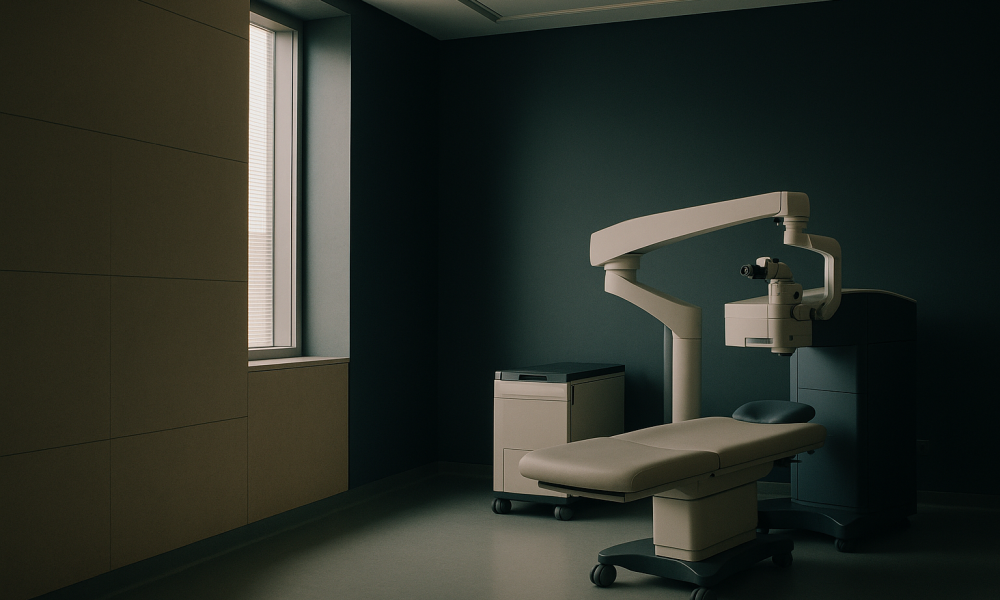
Risks, safety and how accredited Turkish providers manage them
SMILE laser eye surgery is generally considered a safe and effective procedure for correcting refractive errors such as myopia. However, like any surgical intervention, it carries certain risks and potential complications. Understanding these risks and the measures taken by accredited Turkish providers to mitigate them is essential for prospective patients.
Some of the common risks associated with SMILE surgery include dry eyes, glare, halos around lights, and under or over-correction of vision. In rare cases, more serious complications such as infection or corneal ectasia can occur. Accredited Turkish clinics are equipped with advanced technology and experienced ophthalmologists who employ rigorous standards to minimize these risks.
Here are some of the safety measures taken by accredited providers in Turkey:
- Pre-operative Assessment: Patients undergo comprehensive eye examinations to determine their suitability for SMILE surgery. This includes corneal thickness measurements, eye health evaluations, and assessments of refractive errors.
- State-of-the-art Technology: Turkish clinics utilize advanced laser technology that allows for precise corneal reshaping. The use of femtosecond lasers in SMILE procedures enhances accuracy and reduces the risk of complications.
- Experienced Surgeons: Accredited clinics employ highly skilled ophthalmologists with extensive experience in performing SMILE surgery. Their expertise plays a crucial role in reducing surgical risks and achieving optimal outcomes.
- Infection Control Protocols: Strict hygiene and sterilization protocols are followed to prevent infections. Operating rooms are maintained at high standards of cleanliness, and all surgical instruments are sterilized thoroughly.
- Post-operative Care: Patients receive detailed aftercare instructions and a schedule for follow-up appointments to monitor healing and address any concerns promptly. This proactive approach helps in identifying and managing any complications early.
Accreditation from international bodies such as the Joint Commission International (JCI) or the Turkish Ministry of Health ensures that clinics adhere to global standards of quality and safety. These accreditations provide patients with additional assurance of the clinic’s commitment to maintaining high levels of care.
While SMILE surgery is highly successful for many patients, it is important to have realistic expectations and to discuss potential risks with your surgeon during the consultation phase. This open communication will help in making an informed decision about undergoing the procedure in Turkey.
Choosing the Right Provider in Turkey
When considering SMILE laser eye surgery in Turkey, selecting the right provider is crucial to ensure a safe and successful procedure. One of the primary factors to consider is accreditation. Look for clinics accredited by internationally recognized organizations such as the Joint Commission International (JCI) or the International Organization for Standardization (ISO). These accreditations indicate that the clinic adheres to rigorous standards of quality and patient safety.
Surgeon experience is another critical aspect. Research the qualifications and experience of the surgeons who will perform the procedure. Ideally, you should look for surgeons who are board-certified ophthalmologists with extensive experience in refractive surgery, specifically SMILE. Many clinics in Turkey provide detailed profiles of their surgeons, including their education, years of experience, and the number of SMILE procedures they have performed. This information can help you assess their expertise and competence.
Watch out for red flags that might indicate a less reputable provider. Be cautious of clinics that offer prices significantly lower than the average range, as this might compromise the quality of care. Additionally, avoid clinics that do not provide transparent information about their surgeons, facilities, or equipment. It’s also essential to ensure that the clinic uses the latest technology and adheres to international standards for laser eye surgery.
Patient reviews and testimonials can provide valuable insights into a clinic’s reputation and the experiences of previous patients. Look for reviews on independent platforms to get an unbiased perspective. Additionally, consider reaching out to past patients to learn about their experiences and outcomes.
Finally, communication is key. Choose a provider that offers clear and comprehensive communication throughout the process. They should be willing to answer all your questions and provide detailed information about the procedure, risks, and aftercare. The clinic should also offer a thorough pre-operative consultation to assess your suitability for SMILE and discuss your expectations.
SMILE Laser Eye Surgery Cost in Turkey
The cost of SMILE laser eye surgery in Turkey is a significant factor for international patients considering this procedure. Turkey is known for offering competitive pricing without compromising on quality. To provide a clearer perspective, consider the indicative price comparison for SMILE surgery in different countries:
| Country | Indicative Cost Range (USD) |
|---|---|
| Turkey | $1,500 – $2,500 |
| United Kingdom | $5,000 – $7,000 |
| United States | $6,000 – $8,000 |
| Germany | $4,500 – $6,500 |
| Australia | $5,500 – $7,500 |
| Canada | $5,000 – $7,000 |
These figures illustrate the cost advantage of choosing Turkey for this procedure. However, it’s essential to understand what these costs typically include. Most all-inclusive packages in Turkey cover the surgery itself, pre-operative assessments, post-operative care, medications, and sometimes accommodation and transportation. This comprehensive approach ensures that patients receive holistic care without unexpected expenses.
Several factors can influence the price of SMILE surgery. The surgeon’s experience, the clinic’s reputation, and the technology used can all impact the cost. Higher fees may reflect the use of more advanced technology or the expertise of a highly experienced surgeon. Additionally, the complexity of your specific vision correction needs might alter the pricing.
When reviewing quotes, pay attention to what is included in the package. Ensure that there are no hidden costs and that the quote covers all necessary aspects of the treatment and follow-up care. It’s also wise to compare multiple quotes and ask for detailed breakdowns to understand what you’re paying for. Communication with the clinic about costs should be transparent and straightforward, enabling you to make an informed decision.
Frequently Asked Questions
How safe is SMILE laser eye surgery?
SMILE laser eye surgery is considered a safe and effective procedure for correcting myopia and astigmatism. It uses advanced laser technology to reshape the cornea with high precision. Like all surgeries, it carries some risks, but the incidence of complications is low. Choosing an experienced surgeon and accredited clinic can further enhance safety.
What is the recovery time after SMILE surgery?
Recovery from SMILE surgery is generally quick. Most patients notice improved vision within a few days, and many return to normal activities within a week. However, full visual stabilization may take several weeks. It's important to follow your surgeon’s post-operative care instructions to ensure a smooth recovery.
Are there any side effects of SMILE surgery?
While SMILE surgery is generally safe, some patients may experience temporary side effects like dry eyes, glare, or halos around lights. These typically resolve within a few weeks. Serious complications are rare, but discussing potential risks with your surgeon before the procedure is crucial.
What should I consider when choosing a clinic in Turkey?
When selecting a clinic for SMILE surgery in Turkey, consider factors such as accreditation, the surgeon's experience, and patient reviews. Ensure the clinic uses advanced technology and offers comprehensive pre- and post-operative care. Transparent communication about costs and procedures is also essential.
How much does SMILE laser eye surgery cost in Turkey?
SMILE laser eye surgery in Turkey typically costs between $1,500 and $2,500. The price can vary based on the clinic, surgeon experience, and technology used. All-inclusive packages often cover surgery, assessments, and post-operative care, providing a cost-effective option compared to other countries.
What is included in an all-inclusive package for SMILE surgery?
All-inclusive packages for SMILE surgery in Turkey generally include the surgery itself, pre-operative assessments, post-operative care, medications, and sometimes accommodation and transportation. This comprehensive approach ensures patients receive complete care without unexpected costs.
Can I finance my SMILE surgery in Turkey?
Many clinics in Turkey offer financing options or payment plans to make SMILE surgery more accessible. Discuss available options with your chosen clinic to find a plan that suits your financial situation. Ensure you understand the terms, including interest rates and payment schedules.
What are the alternatives to SMILE surgery?
Alternatives to SMILE surgery include LASIK and PRK, which are also effective for correcting vision issues. Each procedure has its benefits and risks. A consultation with an ophthalmologist can help determine the most suitable option based on your specific vision needs and eye health.
How long does the SMILE procedure take?
The SMILE procedure itself is relatively quick, usually taking about 10 to 15 minutes per eye. The laser application lasts only a few seconds. However, you should plan to spend a few hours at the clinic for preparation, the procedure, and initial recovery.
What should I do to prepare for SMILE surgery?
Before SMILE surgery, your surgeon will provide specific instructions, such as avoiding contact lenses for a period before the procedure. Attend all pre-operative assessments, disclose your medical history, and follow any guidelines provided to ensure you are well-prepared for the surgery.
Will I need glasses after SMILE surgery?
Most patients achieve significant vision improvement after SMILE surgery and can reduce or eliminate their dependence on glasses or contact lenses. However, individual results vary, and some patients might still need glasses for certain activities, especially as they age.
Is SMILE surgery covered by insurance?
SMILE surgery is typically considered an elective procedure for vision correction and is not usually covered by insurance. However, it's advisable to check with your insurance provider for any specific terms or conditions that might apply to your policy regarding refractive surgery.