

The Process: Thread Lift in Turkey, step by step
- Enquiry: Your journey begins with an initial enquiry, where you will connect with our dedicated medical tourism coordinators. They will provide you with detailed information about the thread lift procedure, the expected outcomes, and potential risks. During this stage, you can discuss your aesthetic goals and any specific concerns you may have.
- Assessment: Following your enquiry, a virtual consultation will be arranged with a certified plastic surgeon. This is a crucial step where the surgeon evaluates your facial structure, skin type, and overall health to determine your suitability for a thread lift. You will be asked to provide medical history and photos of your face for a comprehensive assessment.
- Travel Arrangements: Once you are deemed a suitable candidate, our team will assist you in planning your travel to Turkey. This includes advice on flights, accommodations, and transportation. We ensure your journey is seamless and stress-free, providing you with the necessary documents and information for your trip.
- Treatment Days: Upon arrival in Turkey, you will have a pre-procedure consultation with your surgeon to finalise the treatment plan. The thread lift procedure itself is minimally invasive, typically performed under local anaesthesia. It involves inserting biodegradable threads under the skin to lift and tighten the facial contours. The procedure usually takes 30 to 60 minutes.
- Discharge: As the thread lift is a non-surgical procedure, there is no requirement for an overnight hospital stay. You will be able to leave the clinic shortly after the procedure with post-treatment care instructions. These instructions will include guidance on managing swelling and avoiding strenuous activities.
- Follow-up: After returning home, follow-up consultations will be conducted online to monitor your recovery and address any concerns. Our team remains accessible to provide continuous support and ensure that you are satisfied with the results.
What Thread Lift is and who it is for
A thread lift is a non-surgical cosmetic procedure designed to lift and rejuvenate sagging skin. It is a popular alternative to traditional facelift surgery, offering a less invasive option with minimal downtime. During a thread lift, temporary sutures are used to produce a subtle but visible lift in the skin. Instead of removing loose facial skin surgically, the surgeon simply suspends it by stitching up portions of it. This has the effect of pulling the skin back slightly and therefore lifting and tightening the face.
Additionally, threads combat ageing by provoking the body’s healing response and causing the body to direct large surges of collagen to treated areas. Collagen is integral to the ageing process, playing a critical role in keeping our skin strong, voluminous, and supple. As we age, our bodies gradually produce less and less collagen, leading to an 80% reduction in skin thickness by about age 70. This loss of volume and strength is a large factor in the creation of excess skin and wrinkles. Infusing the skin with fresh collagen when the signs of ageing begin to appear can help to both reduce looseness and prevent it from getting worse.
Thread lifts are suitable for individuals experiencing mild to moderate skin laxity, typically those in their late 30s to early 50s. Ideal candidates are those who are beginning to notice the early signs of ageing, such as sagging cheeks, jowls, or neck, but are not yet ready for a full surgical facelift. The procedure is particularly beneficial for patients seeking a quick and effective improvement with minimal downtime. However, it is important to note that thread lifts are not a substitute for a facelift and may not produce the same dramatic results as surgical options for those with more advanced skin sagging.
Ultimately, the best candidates for a thread lift are those who understand the limitations of non-surgical procedures, have realistic expectations, and are looking for a temporary solution to address early signs of ageing. A thorough consultation with a qualified plastic surgeon will help determine whether a thread lift is the right choice for you.

Are you a candidate? Criteria and preparation
Thread lift procedures have gained popularity due to their minimally invasive nature and the relatively quick recovery time compared to traditional surgical facelifts. However, not everyone is an ideal candidate for this procedure. Understanding the criteria for candidacy and the necessary preparation is crucial for achieving optimal results.
Primarily, thread lifts are designed for individuals who exhibit mild to moderate signs of aging, such as sagging skin in the mid-face, jawline, and neck areas. Typically, candidates are between the ages of 30 and 60. Those with more significant skin laxity may be better suited for a traditional facelift. It is also important that candidates have realistic expectations about the outcomes of a thread lift, understanding that it offers more subtle results compared to surgical options.
Good candidates are generally in good overall health, with no significant underlying medical conditions that might complicate recovery. Non-smokers or those willing to stop smoking for a period before and after the procedure are preferred, as smoking can impair healing and affect results. Additionally, individuals with a history of keloid scarring or other problematic scarring should discuss these concerns with their healthcare provider.
Prior to undergoing a thread lift, patients should engage in thorough consultations with qualified practitioners. This includes discussing medical history, current medications, and any allergies. It’s essential to disclose all relevant information to tailor the procedure to the patient’s specific needs and to mitigate any potential risks.
Preparation for a thread lift involves several steps:
- Consult with a qualified specialist to determine suitability for the procedure.
- Disclose any medical conditions, medications, and allergies.
- Avoid blood-thinning medications and supplements, such as aspirin, ibuprofen, and vitamin E, for at least one week prior to the procedure.
- Stop smoking at least two weeks before and after the procedure to promote optimal healing.
- Arrange for transportation to and from the clinic on the day of the procedure.
- Plan for a few days of downtime post-procedure, even though recovery is typically minimal.
- Follow any additional pre-procedure instructions provided by the healthcare provider.
By carefully considering these criteria and preparation steps, patients can enhance their chances of achieving satisfying results from a thread lift in Turkey.
Techniques and options available in Turkey
Turkey has become a prominent destination for thread lift procedures, offering a range of techniques and options tailored to meet diverse patient needs. The country’s healthcare providers often employ the latest advancements in aesthetic medicine, ensuring that patients receive high-quality care.
There are several types of thread lifts available, each designed to target specific areas of concern. The most common types include PDO (Polydioxanone) threads, PLLA (Poly-L-Lactic Acid) threads, and PCL (Polycaprolactone) threads. Each type of thread has unique properties, contributing to different outcomes and longevity of results.
PDO threads are widely used due to their safety profile and effectiveness. They are biodegradable and absorbable, stimulating collagen production as they dissolve over time. This results in improved skin texture and firmness. PDO threads are often preferred for patients seeking subtle lifting and rejuvenation. PLLA threads, on the other hand, are known for their longer-lasting effects, typically around 18 to 24 months. They also stimulate collagen production, providing a gradual improvement in skin quality and elasticity. PCL threads offer the longest-lasting results, up to 24 to 36 months, making them suitable for patients looking for more enduring outcomes.
In Turkey, practitioners may use a combination of these threads to achieve optimal results tailored to the patient’s specific needs. The choice of thread type and technique will depend on the patient’s goals, skin type, and the areas requiring treatment. Commonly treated areas include the cheeks, jawline, neck, and brows, with techniques adapted to ensure natural-looking enhancements.
Another factor contributing to the appeal of thread lifts in Turkey is the expertise of the practitioners. Many Turkish specialists have undergone extensive training and have significant experience in performing thread lifts, ensuring they are well-versed in various techniques. This expertise is complemented by state-of-the-art facilities and equipment, further enhancing the quality of care.
For international patients, many clinics offer comprehensive packages that include consultation, the procedure itself, and aftercare services. These packages often provide logistical support, such as accommodation and transport, making the experience seamless and stress-free. Additionally, the cost of thread lifts in Turkey is generally more affordable compared to many Western countries, without compromising on quality.
In summary, the techniques and options available for thread lifts in Turkey are diverse and sophisticated, catering to a wide range of patient needs. Whether seeking subtle rejuvenation or more significant lifting, patients can find an approach that aligns with their aesthetic goals.
Recovery and aftercare timeline
The recovery process following a thread lift in Turkey is generally quicker and less demanding than more invasive surgical procedures. However, understanding the timeline and adhering to recommended aftercare can significantly impact the outcome and your overall satisfaction. The recovery period is typically marked by stages, each with specific expectations and care requirements.
| Period | What to expect | Care notes |
|---|---|---|
| First 24-48 hours | Swelling, bruising, and mild discomfort are commonly experienced during the initial period post-procedure. Some patients report a feeling of tightness or pulling sensation in the treated area. | Apply cold compresses to reduce swelling. Keep your head elevated while resting. Avoid touching or manipulating the treated area. Over-the-counter pain relief may be used as directed by your healthcare provider. |
| 3-7 days | The swelling and bruising typically subside significantly. The tightness may persist but should gradually decrease. At this stage, any initial discomfort should be minimal. | Continue to avoid strenuous activities and heavy lifting. Follow any dietary restrictions if advised. Maintain a gentle skincare routine, avoiding harsh products. |
| 1-2 weeks | Most patients return to normal activities. Residual bruising or swelling may still be present but usually is not prominent. The results of the lift begin to become more apparent. | It is advisable to avoid facial massages and sleeping on your face. Use sunscreen to protect the skin, especially if there is any lingering bruising. |
| 3-4 weeks | By this time, the majority of swelling and bruising should have resolved. The skin should appear smoother and lifted, with visible improvements in facial contours. | Regular follow-ups with your provider may be scheduled to assess progress. Continue to protect your skin from the sun and follow any additional skincare recommendations. |
| 1-3 months | Long-term results stabilize, showcasing the full benefits of the thread lift. The skin continues to improve in texture and tone. | Maintain a healthy lifestyle, including a balanced diet and hydration, to support skin health. Scheduled check-ins with your provider will ensure the longevity of results. |
Throughout the recovery, it is crucial to follow the specific advice given by your Turkish healthcare provider, as individual recovery can vary based on personal health conditions and the extent of the procedure.
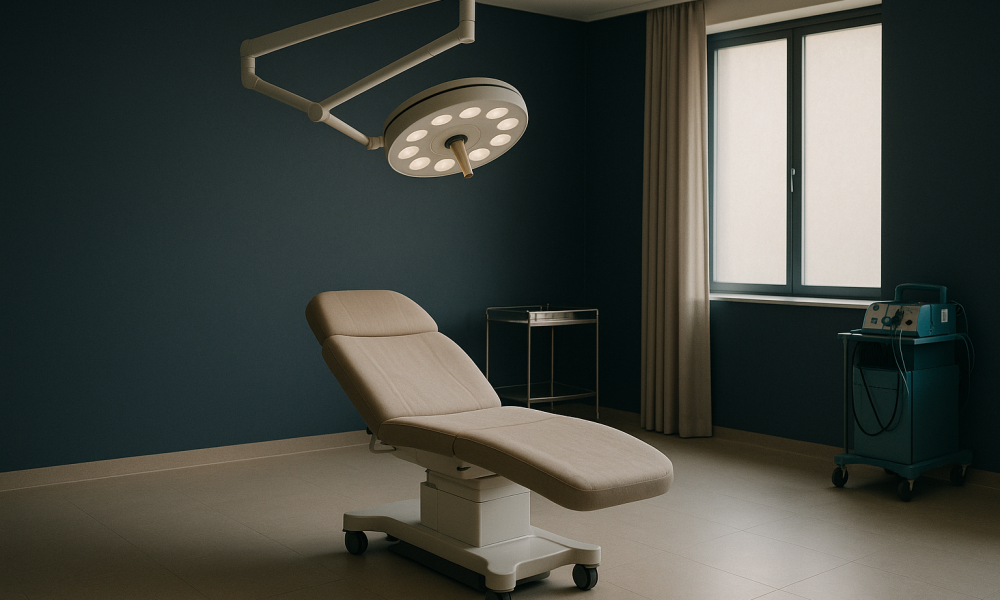
Risks, safety and how accredited Turkish providers manage them
Thread lifts, while generally considered safe, do carry some risks and potential complications, as with any cosmetic procedure. Understanding these risks and how they are managed by accredited Turkish providers can help in making an informed decision.
The primary risks associated with thread lifts include infection, asymmetry, visible threads under the skin, and skin dimpling. Less common but possible complications may include nerve damage and prolonged swelling or bruising. Accredited clinics in Turkey adhere to stringent safety protocols to mitigate these risks.
Accredited Turkish providers employ several strategies to ensure patient safety:
- Qualified Practitioners: Only trained and certified medical professionals perform thread lifts, ensuring that practitioners have the necessary skills and experience.
- Pre-Procedure Assessment: A thorough consultation is conducted to assess the patient’s medical history, skin type, and specific goals. This helps in tailoring the procedure to minimize risks.
- Sterile Environment: Clinics maintain a sterile environment to prevent infections. This includes the use of sterilized instruments and adherence to strict hygiene protocols.
- Patient Education: Patients receive detailed pre- and post-procedure instructions. Understanding aftercare is crucial in reducing the risk of complications.
- Follow-Up Care: Regular follow-up appointments are scheduled to monitor the healing process and address any concerns promptly. This proactive approach helps in identifying and managing complications early.
- Use of Quality Materials: Only high-quality, FDA-approved threads are used, which reduces the likelihood of adverse reactions and ensures better outcomes.
In addition to these measures, Turkish healthcare providers are generally subject to oversight by national and international accreditation bodies, ensuring that they meet global standards for safety and quality in medical tourism. This regulatory framework provides an additional layer of confidence for international patients considering a thread lift in Turkey.
Ultimately, while risks cannot be entirely eliminated, the combination of experienced practitioners, state-of-the-art facilities, and comprehensive aftercare significantly reduces the likelihood of complications. Patients are encouraged to openly discuss any concerns with their provider and to ensure they have a clear understanding of both the procedure and the associated risks before proceeding.
Choosing the right provider in Turkey
When considering a thread lift in Turkey, selecting the right provider is crucial to ensure a safe and satisfactory outcome. Accreditation is a key factor to consider. Look for clinics that are accredited by international bodies such as the Joint Commission International (JCI) or the European Foundation for Quality Management (EFQM). These accreditations indicate that the clinic adheres to high standards of care and safety.
Surgeon experience is another critical aspect. A skilled and experienced surgeon can significantly impact the results of your thread lift. Research the surgeon’s qualifications, years of experience, and any specialised training in cosmetic procedures. It’s advisable to choose a surgeon who has performed a substantial number of thread lifts and has a portfolio of before-and-after photos to demonstrate their expertise.
Be aware of potential red flags when choosing a provider. Avoid clinics that make unrealistic promises or guarantee specific results, as outcomes can vary depending on individual circumstances. Be cautious of providers who do not offer a comprehensive consultation process. A thorough consultation should include an assessment of your medical history, a discussion of your aesthetic goals, and an explanation of the procedure, including potential risks and complications.
Another red flag is the lack of transparency in pricing. Ensure that the clinic provides a clear breakdown of costs, including any additional fees for consultations, follow-up appointments, or aftercare. It’s also important to verify the clinic’s hygiene and safety protocols, especially in light of the ongoing global health situation. Reputable clinics will adhere to strict sanitation practices and have measures in place to protect patients and staff.
Finally, consider patient reviews and testimonials. While individual experiences can vary, consistent positive feedback can be a good indicator of a clinic’s reputation and quality of care. Conversely, multiple negative reviews or complaints about specific issues should prompt further investigation. By thoroughly researching and considering these factors, you can make an informed decision when choosing the right provider for your thread lift in Turkey.
Thread Lift Cost in Turkey
The cost of a thread lift in Turkey is often significantly lower than in many Western countries, making it an attractive option for international patients. The indicative price range for a thread lift in Turkey is typically between $1,200 and $2,500. In comparison, the cost in the UK ranges from £1,500 to £3,500, in the US from $2,500 to $5,000, in Germany from €2,000 to €4,000, in Australia from AUD 3,000 to AUD 6,000, and in Canada from CAD 2,500 to CAD 5,500.
| Country | Indicative Price Range |
|---|---|
| Turkey | $1,200 – $2,500 |
| UK | £1,500 – £3,500 |
| US | $2,500 – $5,000 |
| Germany | €2,000 – €4,000 |
| Australia | AUD 3,000 – AUD 6,000 |
| Canada | CAD 2,500 – CAD 5,500 |
Many clinics in Turkey offer all-inclusive packages that cover a range of services beyond the procedure itself. These packages typically include pre-operative consultations, post-operative care, accommodation, airport transfers, and sometimes even a personal assistant or translator. Such packages can enhance the convenience and comfort of international patients, providing a more seamless experience.
The price of a thread lift can vary based on several factors. The extent of the procedure, the type of threads used, and the surgeon’s experience can all influence the cost. Additionally, the location and reputation of the clinic may also impact pricing. It’s important to understand what is included in the quoted price. Some quotes may only cover the procedure itself, while others may include additional services such as follow-up appointments or medication.
When reading quotes, look for a detailed breakdown of costs. This transparency helps you understand exactly what you are paying for and can prevent unexpected expenses. Ensure that you are aware of any potential additional costs not covered by the initial quote, such as travel expenses or extra nights of accommodation if required.
By understanding the cost structure and what is included in the price, you can better assess the value of the service and make an informed decision that aligns with your budget and expectations.
Frequently Asked Questions
How much does a thread lift cost in Turkey?
The cost of a thread lift in Turkey typically ranges from $1,200 to $2,500. This is significantly lower compared to prices in countries like the UK, US, and Australia. Many clinics offer all-inclusive packages that may cover additional services such as accommodation and transfers, enhancing the overall value.
What is included in an all-inclusive package for a thread lift?
All-inclusive packages for a thread lift in Turkey generally include the procedure itself, pre-operative consultations, post-operative care, accommodation, and airport transfers. Some packages may also provide a personal assistant or translator, making the experience more convenient for international patients.
How safe is a thread lift procedure?
A thread lift is considered a minimally invasive procedure with a relatively low risk of complications. However, as with any medical procedure, there are potential risks. Choosing a qualified and experienced surgeon and ensuring the clinic follows strict safety protocols can help minimise these risks and enhance safety.
Can I work immediately after a thread lift?
Most patients can return to work within a few days after a thread lift. The procedure involves minimal downtime, but some swelling or bruising may occur. It's advisable to follow your surgeon's post-procedure care instructions to ensure a smooth recovery and optimal results.
How long do the results of a thread lift last?
The results of a thread lift can last between 1 to 3 years, depending on the type of threads used and individual factors such as skin condition and lifestyle. Regular follow-up treatments may be recommended to maintain the desired aesthetic effect.
What factors can affect the cost of a thread lift?
Several factors can influence the cost of a thread lift, including the extent of the procedure, the type of threads used, the surgeon's experience, and the clinic's location and reputation. Understanding these factors can help you make an informed decision regarding your treatment.
Are there different types of threads used in a thread lift?
Yes, there are different types of threads used in a thread lift, including PDO (polydioxanone), PLLA (poly-L-lactic acid), and PCL (polycaprolactone). Each type has unique properties and longevity, and the choice depends on the desired outcome and the surgeon's recommendation.
What should I look for in a clinic offering thread lifts?
When selecting a clinic, look for international accreditations, the surgeon's experience and qualifications, patient reviews, and transparency in pricing. A thorough consultation process and adherence to safety protocols are also essential factors to consider.
How soon can I see results after a thread lift?
Results from a thread lift are often visible immediately after the procedure, with further improvements as swelling subsides and collagen production increases over the following months. Final results are typically seen within 2 to 3 months.
Will I need a follow-up appointment after a thread lift?
Yes, follow-up appointments are usually recommended to monitor the healing process and ensure the best possible results. These appointments allow your surgeon to address any concerns and provide additional guidance on post-procedure care.
Can I combine a thread lift with other cosmetic procedures?
Yes, a thread lift can be combined with other cosmetic procedures, such as dermal fillers or Botox, to enhance overall facial rejuvenation. Discussing your aesthetic goals with your surgeon can help determine the best combination of treatments for you.
Is a thread lift a permanent solution?
A thread lift is not a permanent solution. The effects typically last 1 to 3 years, after which the threads naturally dissolve. Maintenance treatments can help prolong the results, and lifestyle factors can also influence the longevity of the procedure's effects.