
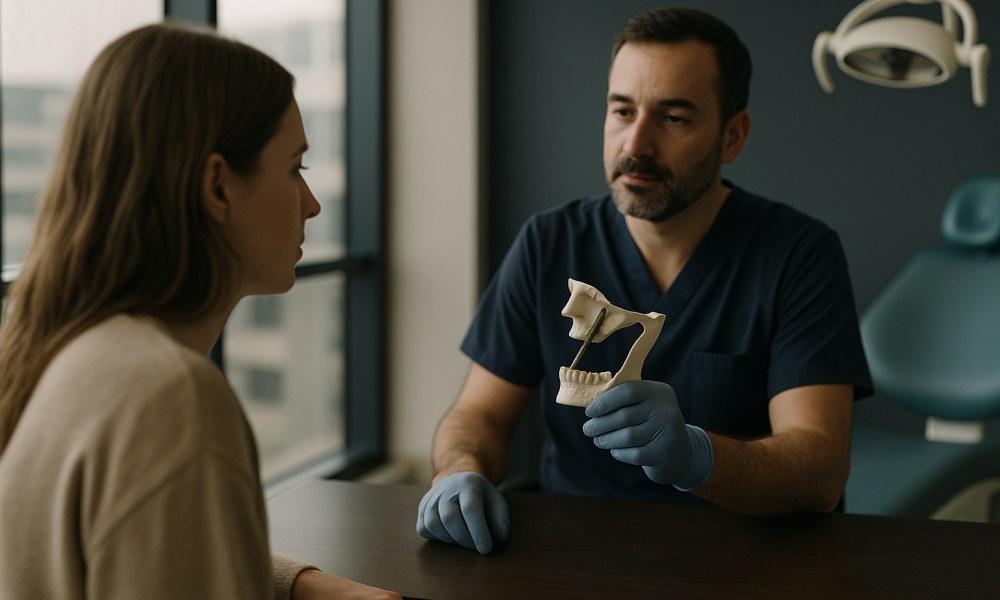
The Process: Zygomatic Dental Implants in Turkey, step by step
- Enquiry: The journey begins with an initial enquiry where patients express their interest in zygomatic dental implants. This can be done via the clinic’s website, email, or phone. The patient provides basic information about their dental health issues and any previous treatments they have undergone.
- Assessment: Following the enquiry, a detailed assessment is conducted. This involves sharing dental records, X-rays, and 3D scans with the clinic’s specialists. The clinic may request additional images or information to ensure a comprehensive understanding of the patient’s dental condition. A virtual consultation may be arranged to discuss the patient’s needs and expectations.
- Travel Arrangements: Once the treatment plan is agreed upon, the patient finalizes travel arrangements. This includes booking flights, accommodation, and any necessary visas. Some clinics offer assistance with these logistics to ensure a smooth journey.
- Treatment Days: Upon arrival in Turkey, the patient attends a pre-operative consultation. The surgical procedure is typically scheduled for the following day. Under general anaesthesia, zygomatic implants are placed into the patient’s cheekbone, providing a stable foundation for prosthetic teeth. The procedure usually lasts between 2 to 4 hours.
- Discharge: After the surgery, patients are monitored in the hospital for 1-2 days to ensure there are no immediate complications. Discharge instructions include pain management, oral hygiene practices, and dietary guidelines to aid recovery.
- Follow-up: Post-operative follow-up can be done remotely or through a local dentist. The Turkish clinic remains in contact to monitor the healing process and address any concerns. Regular check-ins ensure that the implants are integrating properly and that the patient is recovering as expected.
What Zygomatic Dental Implants is and who it is for
Zygomatic dental implants are a specialized form of dental implant designed for patients with severe atrophy of the maxillary bone, where conventional implants are not feasible. These implants are longer than traditional implants and are anchored in the zygomatic bone (cheekbone), which is denser and provides a more stable foundation.
This procedure is particularly suited for individuals who have experienced significant bone loss due to periodontal disease, trauma, or prolonged denture use, and who lack sufficient bone in the upper jaw for standard implants. It offers a viable solution for patients who have been previously told they are not candidates for regular dental implants without undergoing complex bone grafting procedures.
The candidacy for zygomatic implants is determined through a thorough clinical evaluation, including imaging studies such as 3D CT scans, to assess the anatomy and bone quality of the patient. Candidates typically include those who have been edentulous for a long period or those with failed conventional implants.
In addition to providing functional benefits, such as improved chewing and speech, zygomatic implants offer aesthetic advantages by restoring facial structure and support, which can lead to enhanced self-esteem and quality of life. The procedure is often completed in a single session, allowing patients to leave with a fixed set of teeth immediately, making it a desirable option for those seeking a rapid transformation.
However, it is essential for patients to have realistic expectations and understand the potential risks and complications associated with the surgery. A comprehensive consultation with a skilled specialist ensures that patients are well-informed about the procedure’s benefits and limitations.
Are you a candidate? Criteria and preparation
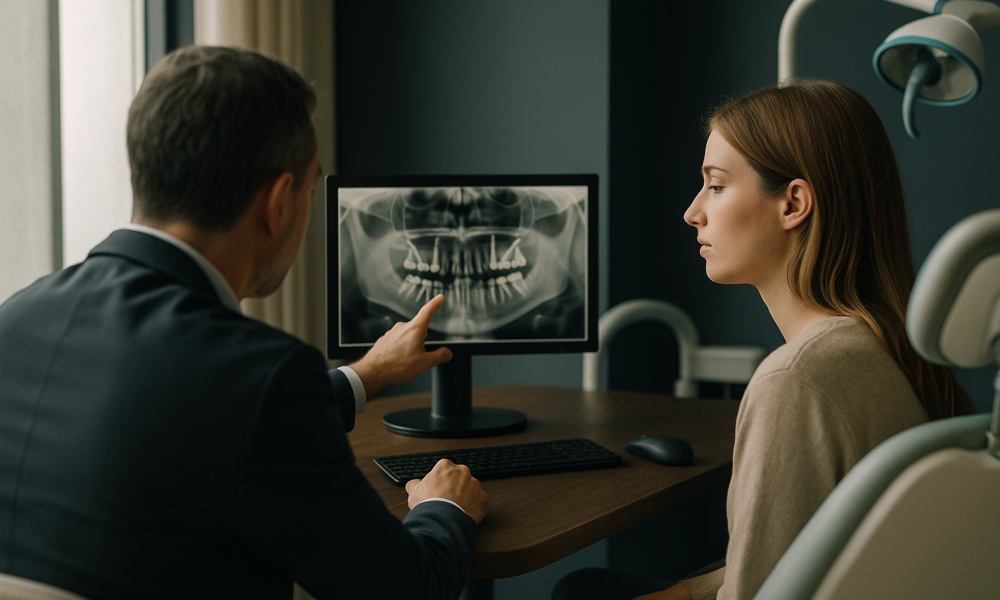
Zygomatic dental implants are a sophisticated solution designed for individuals who lack sufficient bone mass in the upper jaw, a condition that would typically preclude them from receiving conventional implants. Determining candidacy for this procedure involves a thorough assessment by a qualified dental professional who will evaluate several factors to ensure the best possible outcome. Below is a checklist of criteria and preparation steps that potential candidates should consider:
- Bone Density: Candidates often have insufficient bone in the maxillary region, making traditional implants unfeasible. Zygomatic implants are specifically designed for those with severe bone loss.
- Overall Health: Good general health is essential. Patients should be free from any conditions that could impair healing, such as uncontrolled diabetes or autoimmune disorders.
- Oral Health: A thorough dental examination is necessary to ensure that there are no untreated infections or diseases in the mouth that could compromise the implant process.
- Non-Smoker: Smoking can hinder healing and increase the risk of implant failure. Patients are encouraged to quit smoking before undergoing the procedure.
- Commitment to Oral Hygiene: Maintaining excellent oral hygiene is crucial for the success of the implants. Candidates must be committed to regular dental visits and proper oral care.
- Realistic Expectations: Understanding the procedure, potential risks, and outcomes is essential. Candidates should have realistic expectations and be prepared for the recovery process.
Preparation for zygomatic dental implants involves several steps to ensure that the patient is ready for surgery. This includes a comprehensive dental examination using imaging techniques such as X-rays or CT scans to assess bone structure and plan the optimal placement of the implants. Patients may also need to undergo a pre-surgical consultation where the dentist or oral surgeon will discuss the procedure in detail, address any questions, and provide specific instructions to follow before the surgery. This might include dietary recommendations, medication adjustments, and other preparatory measures.
In some cases, patients may be required to undergo preliminary treatments, such as periodontal therapy, to address any existing oral health issues. Ensuring that the mouth is as healthy as possible before the procedure can significantly improve the likelihood of a successful outcome. Furthermore, candidates are advised to arrange for post-operative care, including transportation and support during the initial recovery period, as the procedure may involve a significant healing phase.
Techniques and options available in Turkey
Turkey has become a prominent destination for medical tourism, offering advanced dental procedures, including zygomatic dental implants, at competitive prices. The country is home to a range of clinics and dental professionals who specialize in this sophisticated implant technique. Several techniques and options are available to cater to the diverse needs of international patients seeking zygomatic implants.
Zygomatic implants are an innovative solution for patients with severe maxillary atrophy. The technique involves anchoring the implants in the zygomatic bone, or cheekbone, providing a stable foundation for prosthetic teeth. This approach eliminates the need for bone grafting, which is often required in traditional implant procedures. In Turkey, dental professionals employ cutting-edge technology and methods to ensure precision and success in zygomatic implant placement.
One of the primary techniques used in Turkey is the immediate loading technique, which allows for the placement of a fixed prosthesis on the same day as the implant surgery. This method significantly reduces the treatment time and provides patients with immediate functional and aesthetic benefits. The use of advanced imaging technologies, such as 3D CT scans, enables precise planning and execution of the implant placement, ensuring optimal results.
Patients in Turkey can also benefit from the all-on-four technique, which involves the strategic placement of two zygomatic implants in conjunction with two conventional implants in the anterior maxilla. This approach provides a stable and secure foundation for a full arch prosthesis, offering a cost-effective solution for patients with extensive bone loss.
In addition to the technical expertise, Turkey offers a range of options in terms of clinic facilities and patient care. Many clinics provide a comprehensive package that includes consultation, surgery, accommodation, and transportation, ensuring a seamless experience for international patients. The cost of zygomatic implants in Turkey is often significantly lower than in many Western countries, making it an attractive option for those seeking high-quality dental care at an affordable price.
Moreover, Turkish dental professionals are known for their high level of expertise and commitment to patient satisfaction. Many have trained internationally and are well-versed in the latest dental technologies and techniques. This, combined with the country’s reputation for hospitality and cultural richness, makes Turkey an appealing choice for individuals considering zygomatic dental implants.
Recovery and Aftercare Timeline
The recovery process following zygomatic dental implant surgery is a critical phase that requires careful attention and adherence to prescribed guidelines to ensure optimal healing and success of the implants. Patients can expect a structured timeline for recovery, during which they should follow specific aftercare instructions provided by their dental professionals.
| Period | What to Expect | Care Notes |
|---|---|---|
| First 24-48 Hours | Patients may experience swelling, bruising, and minor bleeding. Discomfort is common and can be managed with prescribed pain relievers. | Apply ice packs intermittently to reduce swelling. Avoid hot foods and drinks. Rest and avoid strenuous activity. Follow prescribed medication regimen. |
| First Week | Swelling and bruising should begin to subside. Some residual pain may persist, but should gradually decrease. | Continue with soft foods and maintain oral hygiene with gentle brushing and antiseptic mouthwash. Attend follow-up appointment as scheduled. |
| Weeks 2-4 | Most initial symptoms should resolve. Patients may begin to feel more comfortable with their implants. | Gradually reintroduce normal diet, avoiding hard or crunchy foods. Continue to follow oral hygiene practices. |
| Months 1-3 | Osseointegration occurs, where the bone begins to integrate with the implants. Regular check-ups are crucial during this period. | Attend all scheduled follow-up appointments. Report any unusual symptoms to your dentist immediately. |
| Months 3-6 | Final restorations are typically placed if healing has proceeded as expected. Patients should feel secure with their implants. | Ensure ongoing dental check-ups and cleanings to maintain implant health. Continue a balanced diet and good oral hygiene. |
Throughout the recovery period, it is crucial for patients to avoid smoking and excessive alcohol consumption, as these can impede healing and increase the risk of complications. Patients should also be vigilant in monitoring their implants for any signs of infection or abnormality and report these to their dental care provider immediately.
Risks, Safety and How Accredited Turkish Providers Manage Them
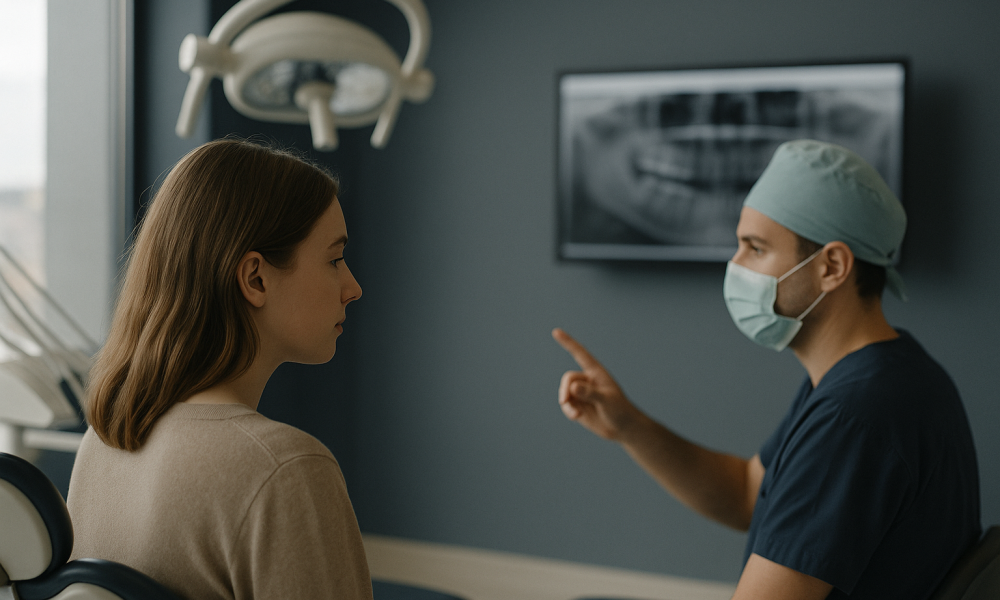
Zygomatic dental implants, while offering a robust solution for patients with severe maxillary bone loss, do come with inherent risks. These risks include sinus complications, nerve damage, infection, and implant failure. However, these risks can be mitigated through the expertise of accredited Turkish dental providers, who adhere to stringent safety protocols and employ advanced technologies to ensure successful outcomes.
Accredited clinics in Turkey are equipped with state-of-the-art facilities and are staffed by highly trained dental professionals who specialize in complex implant procedures. These clinics follow rigorous sterilization processes and maintain high standards of hygiene to minimize the risk of infection. Pre-operative assessments are thorough, often involving advanced imaging techniques such as CT scans to accurately map the patient’s anatomy and plan the implant placement with precision.
In terms of managing potential complications, experienced Turkish dental surgeons are adept at handling sinus-related issues, which are one of the most common concerns in zygomatic implant procedures. They employ techniques such as sinus lifts or use specialized implant designs that minimize sinus penetration. Post-operative care is also a critical component of the safety protocol, with clinics providing comprehensive aftercare instructions and regular follow-up appointments to monitor the patient’s progress.
To further enhance safety, many Turkish clinics are accredited by international bodies, ensuring they comply with global standards of care. This accreditation process involves regular audits and assessments to verify that the clinics maintain their commitment to quality and safety. Moreover, patient education is emphasized, with detailed consultations provided to ensure that patients understand the procedure, the potential risks, and the necessary aftercare.
In the event of any complications, accredited providers are equipped to offer prompt intervention, whether through medication, additional surgical procedures, or other supportive treatments. This proactive approach helps to mitigate risks and supports a higher success rate for implant integration and patient satisfaction.
Overall, while zygomatic dental implants carry some risks, the comprehensive approach taken by accredited Turkish providers—combining advanced technology, skilled professionals, and adherence to international standards—ensures that these risks are effectively managed, providing patients with a safe and reliable treatment option.
Choosing the right provider in Turkey
When considering zygomatic dental implants in Turkey, selecting the right provider is crucial for ensuring a successful outcome. Turkey is home to numerous clinics and practitioners, making it essential to conduct thorough research to distinguish reputable providers from less reliable ones. Here are some key factors to consider:
Accreditation: Accreditation serves as a mark of quality and safety. Look for clinics that are accredited by international bodies such as the Joint Commission International (JCI) or the Turkish Ministry of Health. These accreditations indicate that the clinic adheres to stringent healthcare standards and practices.
Surgeon Experience: The skill and experience of the surgeon play a pivotal role in the success of zygomatic implants. It is advisable to choose a surgeon who specializes in maxillofacial surgery or dental implantology with a significant number of successful zygomatic implant procedures. You can request the surgeon’s credentials, including their education, training, and years of experience in performing this specific procedure.
Red Flags: Be cautious of clinics that offer significantly lower prices compared to others, as this may indicate compromised quality. Additionally, clinics that lack transparency about their procedures, refuse to provide patient testimonials, or do not allow pre-procedure consultations should be approached with caution. It is also important to verify that the clinic uses high-quality materials for implants and adheres to international sterilization standards.
Researching patient reviews and testimonials can provide insight into the experiences of others and help gauge the clinic’s reputation. Engaging in a pre-procedure consultation, either virtually or in-person, can also help assess the communication style and professionalism of the clinic and its staff.
Zygomatic Dental Implants Cost in Turkey
The cost of zygomatic dental implants in Turkey is significantly more affordable than in many Western countries. However, the exact cost can vary based on several factors, including the complexity of the case, the materials used, and the clinic chosen. Below is a table comparing indicative price ranges for zygomatic dental implants in Turkey versus other countries:
| Country | Indicative Cost Range (USD) |
|---|---|
| Turkey | $2,500 – $4,000 |
| United Kingdom | $6,000 – $10,000 |
| United States | $8,000 – $15,000 |
| Germany | $7,000 – $12,000 |
| Australia | $9,000 – $14,000 |
| Canada | $8,500 – $13,500 |
All-Inclusive Packages: Many clinics in Turkey offer all-inclusive packages which can cover accommodation, airport transfers, and sometimes even meals. These packages are designed to provide convenience and peace of mind to international patients.
Factors Influencing Price: The cost can be influenced by the surgeon’s experience, the technology used, and the specific materials for implants. Additional procedures, such as bone grafting, may also increase the overall cost.
Understanding Quotes: When evaluating quotes, ensure they are comprehensive and itemized. A transparent quote should detail the cost of the implants, surgical fees, anaesthesia, and any additional services included in the package. It is prudent to ask for clarification on any ambiguous charges and confirm whether aftercare is included in the quoted price.
Ultimately, while cost is an important consideration, it should not be the sole factor in choosing a provider. Ensuring the quality of care and the credentials of the surgeon and clinic are equally vital to achieving a successful and satisfactory outcome.
Frequently Asked Questions
What factors influence the cost of zygomatic dental implants?
The cost of zygomatic dental implants is influenced by several factors, including the clinic's location, the experience and expertise of the surgeon, and the materials used for the implants. Additional procedures such as bone grafting, the complexity of the case, and whether the clinic offers all-inclusive packages can also affect the overall cost. It is essential to obtain a detailed quote to understand what is included.
Are there any payment plans available for zygomatic dental implants?
Many clinics in Turkey offer flexible payment plans to help manage the cost of zygomatic dental implants. These plans may allow patients to pay in instalments over a specified period. It is advisable to discuss payment options with the clinic during the consultation to find a plan that suits your financial situation. Always ensure that you fully understand the terms and any interest rates applied before committing.
How safe are zygomatic dental implants in Turkey?
Zygomatic dental implants in Turkey are generally safe when performed by experienced and qualified surgeons. It is crucial to select a clinic accredited by reputable international bodies and to verify the surgeon's credentials. Ensuring that the clinic adheres to international sterilization and safety standards further enhances the safety of the procedure. Patients should also follow all pre- and post-operative care instructions to reduce risks.
What is the recovery time after zygomatic dental implant surgery?
The recovery time following zygomatic dental implant surgery typically ranges from a few days to a week for initial healing. However, the complete osseointegration process, where the implant fuses with the bone, can take several months. Most patients can return to normal activities within a week, but it's essential to follow your surgeon's post-operative care instructions carefully to ensure optimal healing.
Can I travel immediately after getting zygomatic dental implants?
It is generally recommended to wait at least a few days before flying or undertaking long-distance travel after undergoing zygomatic dental implant surgery. This allows time for initial healing and for any potential complications to be addressed. Your surgeon will provide specific guidance based on your individual recovery progress and any additional procedures you may have undergone.
What are the potential risks associated with zygomatic dental implants?
As with any surgical procedure, zygomatic dental implants carry some risks, including infection, nerve damage, sinus complications, and implant failure. However, these risks are minimized when the procedure is performed by a skilled and experienced surgeon. It is important to discuss potential risks and complications with your surgeon during the consultation process to make an informed decision.
How long do zygomatic dental implants last?
Zygomatic dental implants are designed to be a long-term solution for patients with severe bone loss. With proper care and maintenance, they can last many years, often over a decade. Regular dental check-ups and good oral hygiene practices are essential to ensure the longevity of the implants and to monitor for any potential issues that may arise over time.
What should I expect during the initial consultation for my implants?
During the initial consultation for zygomatic dental implants, the dentist or surgeon will assess your oral health, review your medical history, and discuss your treatment goals. Diagnostic tests, such as X-rays or CT scans, may be performed to evaluate bone structure. The consultation is also an opportunity to discuss the procedure, potential risks, expected outcomes, and costs. This is the time to ask any questions you may have.
Are there alternatives to zygomatic dental implants for severe bone loss?
Yes, there are alternatives to zygomatic dental implants for patients with severe bone loss, such as bone grafting combined with traditional implants, or other advanced implant techniques like All-on-4. Each option has its own benefits and limitations, and the best choice depends on the individual's specific circumstances and oral health. A thorough consultation with a qualified dental professional can help determine the most suitable treatment plan.
Will I need to follow any special dietary restrictions after the implant surgery?
After zygomatic dental implant surgery, a soft diet is usually recommended for a period of time to allow initial healing. Foods should be easy to chew and not require excessive biting force. As healing progresses, patients can gradually reintroduce a wider variety of foods into their diet. Your surgeon will provide specific dietary guidelines tailored to your recovery needs.
How do I know if I am a suitable candidate for zygomatic dental implants?
Suitability for zygomatic dental implants is determined by several factors, including the extent of bone loss, overall oral health, and medical history. A comprehensive evaluation by a dental professional, including diagnostic imaging, is necessary to assess whether zygomatic implants are the right solution for you. Patients with severe maxillary bone loss or those who have been told they are not candidates for traditional implants may benefit from this treatment.
Is it necessary to stay in Turkey for follow-up visits after the implant procedure?
While the initial follow-up visit is often required to ensure proper healing, many clinics offer remote follow-up consultations for international patients. This allows for ongoing monitoring without the need for frequent travel. However, any complications or concerns that arise post-surgery should be addressed promptly, potentially requiring a visit to the clinic. It's important to discuss follow-up care arrangements with your clinic before the procedure.