
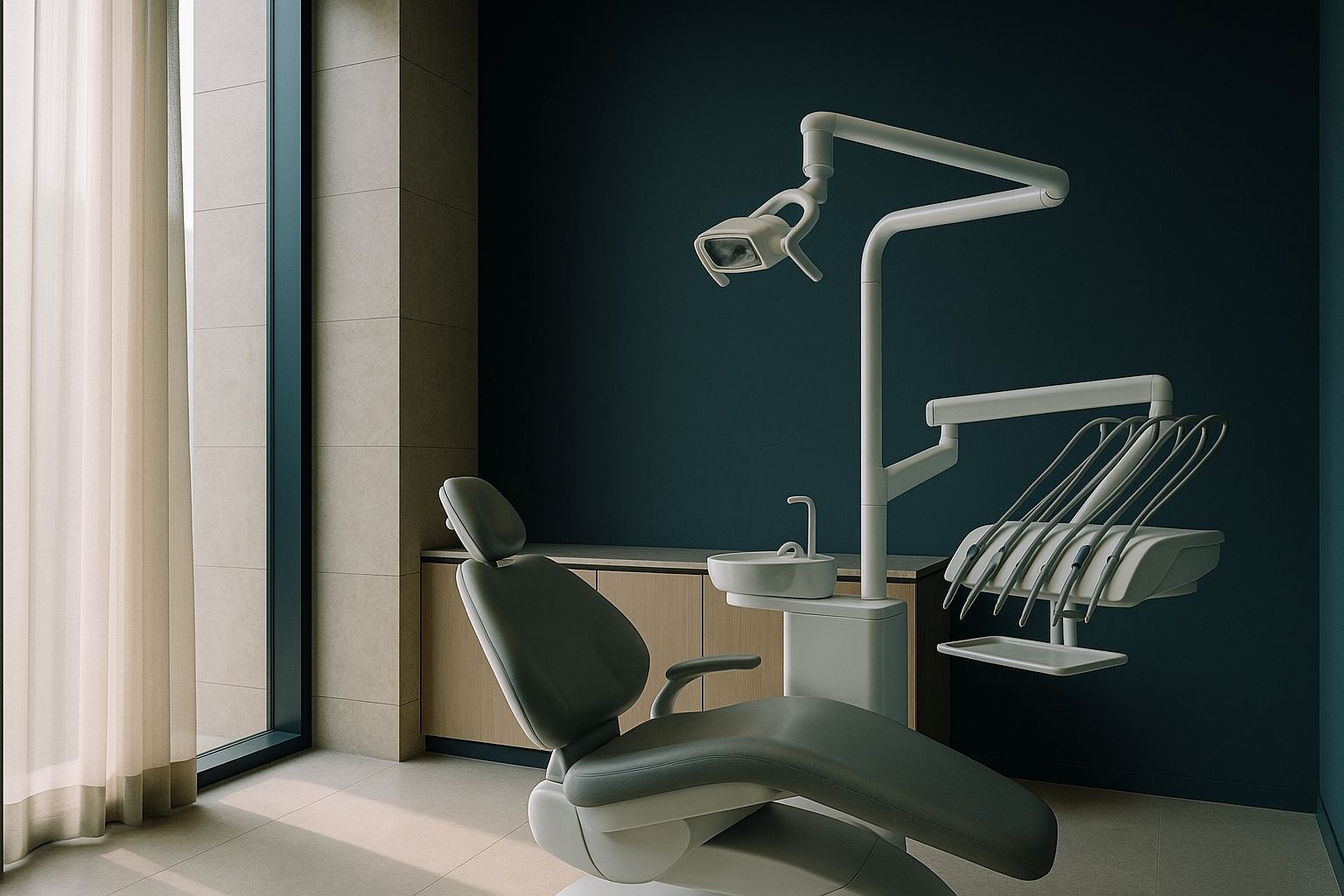
Dental tourism in Turkey has gained popularity, but stories of ‘turkey teeth gone wrong’ highlight the importance of thorough research and careful planning. This article explores how to avoid the common pitfalls associated with dental treatments abroad, providing guidance on costs, safety, and reliable service providers.
Why is Turkey Popular for Medical Tourism?
Turkey has become a leading destination for medical tourism due to its combination of high-quality medical services and affordable prices. The country offers a wide range of treatments, from dental procedures to hair transplants, drawing thousands of international patients each year. The affordability is largely due to the lower cost of living and favorable exchange rates, which can make treatments up to 70% cheaper than in the UK or the US. This price advantage makes Turkey an attractive option for patients looking to save on healthcare costs without compromising quality.
The Turkish government has invested significantly in healthcare infrastructure, ensuring that hospitals and clinics are equipped with state-of-the-art facilities and advanced technologies. This modernization effort has positioned Turkey as a competitive player in the global medical tourism industry, with many institutions meeting or exceeding international healthcare standards. Furthermore, Turkey is home to several JCI-accredited hospitals, a testament to its commitment to quality and safety.
Another reason for Turkey’s popularity is the availability of all-inclusive medical tourism packages. These packages often include accommodation, airport transfers, and sometimes even sightseeing tours, making the experience more convenient for international patients. However, it’s crucial to verify the credentials of the clinics offering these packages to ensure quality care. The packages are designed to remove logistical burdens from the patients, allowing them to focus solely on their health and recovery. Yet, not all packages are created equal, and it’s vital to scrutinize what each package offers, especially regarding the medical aspects.
Moreover, the presence of English-speaking medical staff and coordinators adds to Turkey’s appeal. Language barriers can often be a significant concern for medical tourists, leading to miscommunication about procedures and care. With Turkey’s emphasis on catering to international clientele, many clinics employ multilingual staff, which helps in easing communication and understanding between patients and healthcare providers. This kind of environment makes Turkey an even more appealing choice for those seeking affordable yet high-quality medical care.
What Are the Risks of Turkey Teeth Gone Wrong?
While the appeal of affordable dental care is strong, there are significant risks associated with poorly performed procedures. Some patients have reported complications such as infections, poor fit of dental implants, and long-term damage to teeth and gums. It’s essential to understand that not all clinics adhere to international standards. In some cases, clinics may use substandard materials to cut costs, which can lead to further dental issues down the line.
To mitigate these risks, patients should seek clinics with international accreditation and experienced dentists. Reviews and testimonials from previous patients can offer insights into the clinic’s reputation. Additionally, understanding the specific procedures and materials used can help patients make informed decisions. Patients should inquire about the types of materials used for implants or veneers, ensuring they are approved by recognized dental associations. This diligence can prevent complications that arise from poorly manufactured dental products.
Furthermore, it’s important to consider the follow-up care required after dental procedures. Some complications might not be immediately apparent and could arise weeks or months later. Patients should have a clear understanding of the follow-up support provided by the clinic, including any guarantees or warranties on the work performed. Establishing a plan for post-procedure care, possibly with a local dentist, can also be a wise precaution to ensure any arising issues are promptly addressed.
Another critical aspect is the legal recourse available in cases of malpractice. Unlike in many Western countries, legal protection for medical tourists in Turkey may not be as robust, which can complicate seeking compensation for botched procedures. Patients should be aware of these limitations and consider purchasing medical travel insurance that covers complications and additional treatments, adding an extra layer of protection against unforeseen issues.
How to Find Reputable Clinics for Dental Tourism in Turkey
Finding a reputable clinic requires diligent research. Start by looking for clinics with international accreditation from recognized organizations such as the Joint Commission International (JCI). Accreditation ensures that the clinic meets international healthcare standards. These organizations regularly audit clinics to ensure compliance, which can provide an additional layer of assurance for patients.
Patients should also consult with healthcare professionals in their home country for recommendations. Online forums and medical tourism websites can provide valuable insights into the experiences of other patients. It’s advisable to schedule a virtual consultation with the clinic to discuss the procedure, costs, and any concerns. During these consultations, evaluate the clarity and thoroughness of the responses from the clinic’s representatives, as this can be an indicator of the quality of care you will receive.
Additionally, visiting the clinic’s official website can provide a wealth of information. Look for details about the qualifications of the dental professionals, the clinic’s history, and patient testimonials. It can also be beneficial to check if the clinic has received any awards or recognitions from reputable industry bodies. This thorough vetting process helps ensure that you’re selecting a clinic that not only meets but exceeds your expectations for safety and quality of care.
It may also be useful to reach out to past patients who have shared their experiences online. Direct communication with former patients can offer unfiltered insights into what you can expect. Additionally, consider using platforms and agencies that specialize in medical tourism to help facilitate your decision-making process. These agencies often have partnerships with accredited clinics and can provide tailored recommendations based on your specific needs.
Understanding the Costs: Turkey Dental Implant Cost
The cost of dental implants in Turkey can be significantly lower than in many Western countries. However, prices can vary depending on the clinic, the complexity of the procedure, and the materials used. On average, patients can expect to pay between $500 and $1500 per implant. This affordability can be attributed to the lower operational costs in Turkey, allowing clinics to offer competitive pricing without compromising on quality.
It’s important to consider the total cost, which may include additional expenses such as travel, accommodation, and follow-up care. Some clinics offer package deals that cover these costs, but it’s crucial to understand what’s included in the package to avoid hidden fees. For example, some packages might offer only basic accommodation or limit the number of follow-up visits included. Clarifying these details upfront can prevent unexpected expenses during or after your treatment.
Moreover, patients should inquire about the payment options and policies of the clinics. Some may offer installment plans or accept international health insurance, which can further alleviate the financial burden. It’s also worth checking if there are any additional taxes or fees applicable to the procedure. Understanding the full financial scope of the treatment ensures that there are no surprises and allows for better financial planning.
Additionally, it’s wise to factor in potential costs related to complications or additional treatments that may arise due to unforeseen issues. Ensuring a financial buffer for such scenarios can be a prudent step. Patients should also assess the exchange rate fluctuations which might affect the overall cost if the treatment plan extends over several months. This financial vigilance can help maintain control over your budget and make the dental tourism experience more predictable and manageable.
Comparing Turkey Hair Transplant and Dental Tourism
Both dental procedures and hair transplants are popular reasons for medical tourism in Turkey. While the risks and considerations are similar, there are unique aspects to each type of treatment. Hair transplants typically involve fewer risks of infection but require careful consideration of the clinic’s expertise and technology. The success of a hair transplant largely depends on the skill of the surgeon and the techniques employed, such as FUE (Follicular Unit Extraction) or FUT (Follicular Unit Transplantation).
In contrast, dental procedures such as implants or veneers require precise fitting and high-quality materials to ensure long-term success. Infections and improper fit are more common risks in dental procedures than in hair transplants. Therefore, the choice of clinic and dentist becomes crucial in avoiding the dreaded ‘turkey teeth gone wrong’ scenario. It’s vital to verify that the clinic uses high-quality materials and adheres to international dental care standards.
Furthermore, while both procedures can be completed relatively quickly, the recovery process and follow-up care can differ significantly. Hair transplants might require several months to see full results, whereas dental procedures could involve multiple visits for adjustments or check-ups. Understanding these timelines and aftercare requirements is essential for scheduling and planning your medical tourism trip effectively. Patients should weigh these factors based on their individual needs and priorities to make an informed choice.
Additionally, the psychological and social impacts of these procedures should be considered. While dental work can immediately affect one’s smile and confidence, hair transplants may have a more gradual impact on self-esteem as results develop over time. Deciding which procedure to prioritize or whether to undergo both simultaneously should be based on personal priorities and readiness for the lifestyle adjustments that accompany recovery and aftercare.
| Treatment Type | Average Cost | Common Risks |
|---|---|---|
| Dental Implants | $500 – $1500 | Infection, poor fit |
| Hair Transplant | $1500 – $3000 | Scarring, uneven growth |
Understanding these differences can help patients make informed decisions based on their needs and expectations.
Steps to Ensure a Safe and Successful Treatment
To ensure a successful medical tourism experience, patients should follow a series of steps. First, conduct thorough research to select a reputable clinic. Verify the credentials of the dentists and surgeons, and ensure that the clinic follows international standards. This initial research phase is critical in avoiding subpar clinics and practitioners who might jeopardize your health.
Communication is key. Patients should discuss all aspects of the procedure, including potential risks and post-treatment care. Ensuring a clear understanding of what the treatment entails can help manage expectations and reduce anxiety. It’s advisable to prepare a list of questions before consultations to cover all areas of concern comprehensively. This proactive approach can also help in identifying any red flags during the consultation process.
- Research clinics and verify accreditation
- Consult with healthcare professionals
- Understand the procedure and costs
- Ensure clear communication with the clinic
- Consider post-treatment care and support
- Investigate legal protections and insurance options
Following these steps can significantly reduce the risks associated with medical tourism. Additionally, having a backup plan in case of complications is wise. This might include identifying a local dentist or surgeon in your home country who can assist with any follow-up care or issues that arise post-procedure. By taking these precautions, patients can enjoy the benefits of medical tourism while minimizing potential risks.
Another crucial step is to ensure you have a full understanding of the clinic’s policies on treatment guarantees and patient satisfaction. Some clinics may offer revisions or additional procedures at a reduced cost if the initial results are unsatisfactory. Understanding these policies beforehand can provide peace of mind and financial security, ensuring that you have options if the treatment does not meet your expectations.
Conclusion: Making Informed Decisions in Dental and Hair Transplant Tourism
Medical tourism in Turkey offers significant advantages in terms of cost and convenience, but it’s essential to approach it with caution. By understanding the potential risks, researching reputable clinics, and ensuring clear communication, patients can enjoy the benefits of affordable and high-quality medical treatments abroad. The stories of ‘turkey teeth gone wrong’ serve as a cautionary tale, emphasizing the importance of due diligence and informed decision-making.
Ultimately, the success of medical tourism relies on careful planning and preparation. By taking the time to thoroughly research and choose the right clinic, patients can reduce the likelihood of complications and achieve their desired outcomes. The allure of cost savings should never overshadow the need for safety and quality, as these are the cornerstones of a successful medical tourism experience.
With the right approach, medical tourism in Turkey can be a transformative experience, offering patients access to world-class treatments at a fraction of the cost in their home countries. By remaining vigilant and informed, patients can navigate the landscape of medical tourism confidently, ensuring a positive and rewarding journey.
Proven result
80 to 240 dental patients a month from France
High-volume dental clinic, Istanbul
Frequently asked questions
Is Turkey good for medical tourism?
Yes, Turkey is popular for medical tourism due to its affordable prices and high-quality medical services. However, thorough research is necessary to ensure safety.
How to find reputable medical tourism clinics in Turkey?
Look for clinics with international accreditation, read patient reviews, consult with local healthcare professionals, and conduct virtual consultations.
What are the costs of dental implants in Turkey?
Dental implant costs in Turkey range from $500 to $1500 per implant. It’s important to consider total costs including travel and accommodation.
Why is Turkey popular for medical tourism?
Turkey offers affordable medical procedures, high-quality services, and convenient packages, making it a popular choice for international patients.
What do Turkey hair transplant clinics offer in packages?
Many clinics offer all-inclusive packages that cover the procedure, accommodation, and airport transfers, providing a streamlined experience for patients.
Related guides
Exploring Nose Surgery Options in Turkey
Quick answerTurkey is a leading destination for medical tourism due to its high-quality healthcare services, affordable costs, and…
Dental Implant Costs in Turkey: What to Expect
Quick answerDental implant costs in Turkey typically range from £500 to £1,500 per implant. Prices vary based on…
Navigating the Costs of Medical Implants in Turkey
Quick answerMedical implants in Turkey can offer significant cost savings compared to many Western countries, with competitive pricing…