
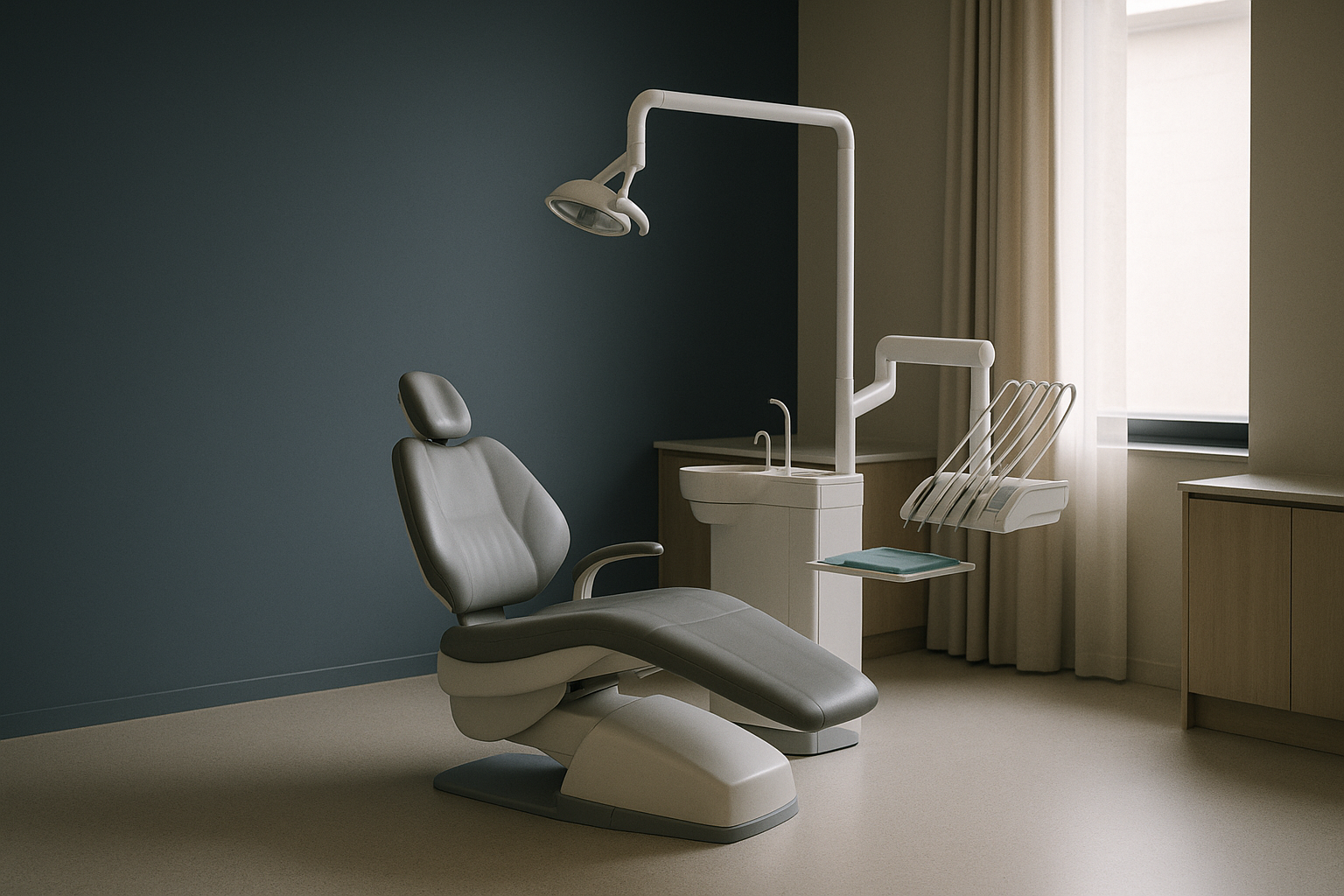
Travelling for dental care has become increasingly popular, with Turkish dental implants standing out as a sought-after option for international patients. Offering a blend of advanced technology, skilled professionals, and competitive pricing, Turkey has become a hub for dental tourism.
Why Choose Turkish Dental Implants?
Turkish dental implants are renowned for their quality and affordability, making them an attractive choice for patients worldwide. The appeal begins with the cost-effectiveness; while the average price for an implant in countries like the United States can range from $3,000 to $5,000, in Turkey, the cost is a fraction of this, often between $500 and $1,000 per implant. This significant price difference allows patients to receive top-tier dental care without the hefty financial burden.
In addition to cost savings, Turkey boasts a wealth of experienced dental professionals trained in the latest techniques and technologies. Many Turkish dentists have completed advanced education and training internationally, ensuring that they provide care that meets or exceeds global standards. Clinics are equipped with cutting-edge technology, allowing for precise and efficient procedures that enhance patient outcomes. For example, the use of digital imaging and 3D modeling in implant planning ensures high accuracy and customization tailored to each patient’s unique oral structure.
A strategic advantage of choosing Turkish dental implants is the comprehensive care packages offered by many clinics. These packages typically include not just the dental procedure but also accommodations, transportation, and sometimes even guided tours. This holistic approach not only simplifies the logistics for patients traveling from abroad but also provides them with an opportunity to enjoy Turkey as a tourist destination, blending healthcare with leisure. Moreover, the cultural richness and historic sites of Turkey, such as the Hagia Sophia and the Bosphorus Strait, offer a memorable experience alongside dental treatment.
What Are the Costs Involved?
The financial considerations of undergoing dental implant surgery in Turkey are a major draw for many international patients. The cost of dental implants in Turkey generally ranges from $500 to $1,000 per implant, which is substantially lower than in Western countries like the United States or the United Kingdom, where costs can soar between $3,000 and $5,000 per implant. This affordability does not compromise the quality of care, as Turkish clinics maintain rigorous standards and often use the same high-quality materials as their Western counterparts.
When considering the costs, it’s crucial to understand what is included in the quoted price. Typically, the price includes the implant fixture, the abutment, and the dental crown. However, patients should be vigilant about additional costs that may arise from preoperative consultations, postoperative care, or any unforeseen complications during the procedure. Therefore, when consulting with clinics, patients should ask for a detailed breakdown of costs to ensure they are fully informed and can budget accordingly. Transparency in pricing is crucial for avoiding unexpected expenses.
- Implant: $500 – $1,000
- Abutment: Included
- Crown: Included
- Preoperative Consultation: May incur additional fees
- Postoperative Follow-up: Typically included
Furthermore, some clinics offer package deals that cover not just the dental procedures but also accommodations and airport transfers, which can add significant value for international patients. By choosing such packages, patients can better manage their overall expenses while ensuring a seamless experience from arrival to departure. For example, a package might include a week’s stay at a local hotel, airport pickup, and guided city tours, making the trip both economical and enjoyable.
How Long Does the Treatment Take?
The timeline for receiving Turkish dental implants can vary depending on individual circumstances and specific needs. Generally, the process involves several critical stages that ensure the best possible outcomes. Initially, an in-depth consultation and examination are conducted, during which the dentist assesses the patient’s oral health and bone density. This step is crucial to determine the suitability of the patient for implants and to plan the treatment accurately. Patients can expect this initial visit to take one to two days, including all necessary diagnostic tests such as X-rays and CT scans.
The implant placement is typically the next step and involves surgically inserting the titanium post into the jawbone. Depending on the patient’s healing ability and bone health, a healing period of 3 to 6 months is usually necessary before the abutment and crown can be fitted. This healing phase allows the jawbone to integrate with the implant, a process known as osseointegration, which is vital for the stability and longevity of the implant. During this period, patients may receive temporary crowns to maintain aesthetics and function.
In some cases, patients with healthy bone structure and no underlying oral health issues may qualify for immediate load implants or “same-day implants,” where the crown is placed at the same time as the implant. However, this option is not suitable for everyone and requires careful evaluation by the dentist. Overall, patients should plan for at least two visits to Turkey, spaced several months apart, to complete the entire dental implant process, ensuring adequate healing time and optimal results. Planning these visits around personal schedules and ensuring time for recovery is essential for a smooth experience.
What Are the Safety Standards?
Turkey has established itself as a leader in dental tourism, with many clinics adhering to stringent international safety standards to ensure the well-being of their patients. One key aspect of these standards is accreditation by reputable organisations such as the Joint Commission International (JCI), which certifies that clinics meet high-quality standards in patient care and safety. This accreditation involves rigorous evaluations of the clinic’s facilities, equipment, and staff qualifications, providing assurance to international patients about the quality of care they can expect. Accreditation is a mark of excellence and commitment to maintaining high standards.
Patients considering Turkish dental implants should take proactive steps to verify the accreditation status of their chosen clinic. This information is often available on the clinic’s website, and patients can also request to see certification documents during initial consultations. Additionally, understanding the qualifications and experience of the dental professionals involved is crucial. Many Turkish dentists have extensive training and experience, often with international certifications and memberships in global dental associations. Checking these credentials can help reassure patients of the expertise of their dental provider.
To further ensure a safe and satisfactory experience, prospective patients are encouraged to read reviews and seek recommendations from former patients. Online platforms and forums dedicated to medical tourism can provide valuable insights into the experiences of others, helping new patients make informed decisions. Ultimately, prioritizing safety and quality standards will contribute significantly to the success of the dental treatment. Patients should look for testimonials and case studies that reflect successful outcomes and positive experiences.
How to Prepare for Dental Treatment Abroad?
Preparing for dental treatment abroad involves careful planning and research to ensure a smooth and successful experience. One of the first steps is to thoroughly research potential clinics, comparing their offerings, credentials, and patient reviews. This research should include direct communication with the clinics to clarify any doubts and gather detailed information about the procedures, costs, and what is included in the treatment package. Understanding the full scope of what is provided helps avoid surprises and ensures a well-prepared trip.
Consulting with a local dentist before traveling is also advisable. A local dental professional can provide valuable insights into the specific treatments needed and assess any potential risks based on the patient’s oral health history. This consultation can help patients make informed decisions about their treatment plan and prepare for the journey ahead. Local dentists can also assist in providing records and diagnostic images that might be needed by the clinic in Turkey.
- Research clinics and treatments
- Consult a local dentist
- Arrange travel insurance
- Plan for accommodations and transportation
- Prepare a list of questions for the clinic
Another critical aspect of preparation is arranging travel insurance that covers medical procedures abroad. While dental treatment in Turkey is generally safe, having insurance in place can provide peace of mind in case of unforeseen complications or emergencies. Additionally, patients should plan their accommodations and transportation well in advance, considering proximity to the clinic and convenience of travel. Booking accommodations close to the clinic can reduce travel stress and allow for easier access to follow-up appointments.
By taking these preparatory steps, patients can minimize stress and focus on their recovery and overall treatment experience. A well-organized plan ensures that patients are well-equipped to handle any challenges that may arise during their dental tourism journey. Preparing a checklist and timeline for each stage of the process can help keep everything on track and ensure nothing is overlooked.
What Should You Expect Post-Treatment?
Post-treatment care is a crucial component of the success of dental implants, and Turkish clinics typically provide comprehensive aftercare instructions to ensure optimal healing and integration of the implants. After the procedure, patients are given detailed guidelines on how to care for their new implants, including dietary recommendations, oral hygiene practices, and activity restrictions to prevent complications such as infection or implant failure. Following these instructions diligently is key to a successful recovery.
In many cases, Turkish clinics offer follow-up consultations as part of their service, either in person during subsequent visits to Turkey or remotely via telemedicine platforms. These follow-ups allow dentists to monitor the patient’s progress, address any concerns, and make necessary adjustments to the treatment plan. It’s essential for patients to adhere to these follow-up appointments as they play a vital role in the long-term success of the implants. Remote follow-ups via video calls can be especially convenient for international patients.
Patients are also encouraged to maintain regular dental check-ups with their local dentist once they return home. This continued care helps monitor the condition of the implants and ensures that any issues are addressed promptly. Maintaining good oral hygiene, including regular brushing, flossing, and professional cleanings, is essential to prevent gum disease and other complications that could affect the longevity of the implants. Establishing a routine for oral care and scheduling regular check-ups are critical for maintaining implant health.
Conclusion
Turkish dental implants offer a compelling option for international patients seeking quality dental care at an affordable price. With state-of-the-art technology, experienced professionals, and a comprehensive approach to patient care, Turkey has become a leading destination for dental tourism. By understanding the costs, timelines, and safety standards involved, patients can make informed decisions and ensure a successful dental treatment journey. The combination of high-quality care and the opportunity to explore a beautiful country adds to the appeal, making Turkey a top choice for dental implants.
Proven result
80 to 240 dental patients a month from France
High-volume dental clinic, Istanbul
Frequently asked questions
How much do Turkish dental implants cost?
Turkish dental implants typically cost between $500 to $1,000 per implant, including the abutment and crown.
Are Turkish dental implants safe?
Yes, Turkish clinics adhere to international safety standards, often holding accreditations from organisations like the Joint Commission International.
How long does the dental implant process take in Turkey?
The process usually requires 3 to 6 months for healing, with at least two visits to complete the treatment.
What should I consider before getting dental implants in Turkey?
Research clinics, consult with a local dentist, and ensure you have travel insurance covering medical treatments.
Can I get same-day dental implants in Turkey?
Same-day implants may be possible for patients with sufficient bone density, depending on the dentist’s assessment.
Related guides
Selecting a Dental Centre in Turkey: Essential Tips
Quick answerSelecting a dental centre in Turkey involves researching accreditation, understanding implant costs, and ensuring safety measures are…
Navigating Turkey’s Dental Services: A Patient Overview
Quick answerTurkey offers competitive dental services with implants costing significantly less than in many Western countries, attracting international…
A Guide to Mustache Hair Transplants: Benefits and Process
Quick answerA mustache hair transplant involves relocating hair follicles to the upper lip area, enhancing density and shape.…