
Dental tourism has become increasingly popular, with ‘Turkish teeth’ leading the way as a sought-after option for international patients seeking affordable cosmetic dentistry. This article explores the phenomenon, providing essential information for prospective patients.
What Are ‘Turkish Teeth’?
The term ‘Turkish teeth’ refers to high-quality dental treatments, particularly those focused on cosmetic enhancements like veneers and crowns, offered by Turkish dental professionals. These treatments are known for their affordability and exceptional results, drawing patients from around the globe. Many dental professionals in Turkey specialize in aesthetic dentistry, offering procedures such as zirconium crowns and porcelain veneers that are both durable and visually appealing. The materials used are often sourced from reputable international suppliers, ensuring they meet or exceed global standards.
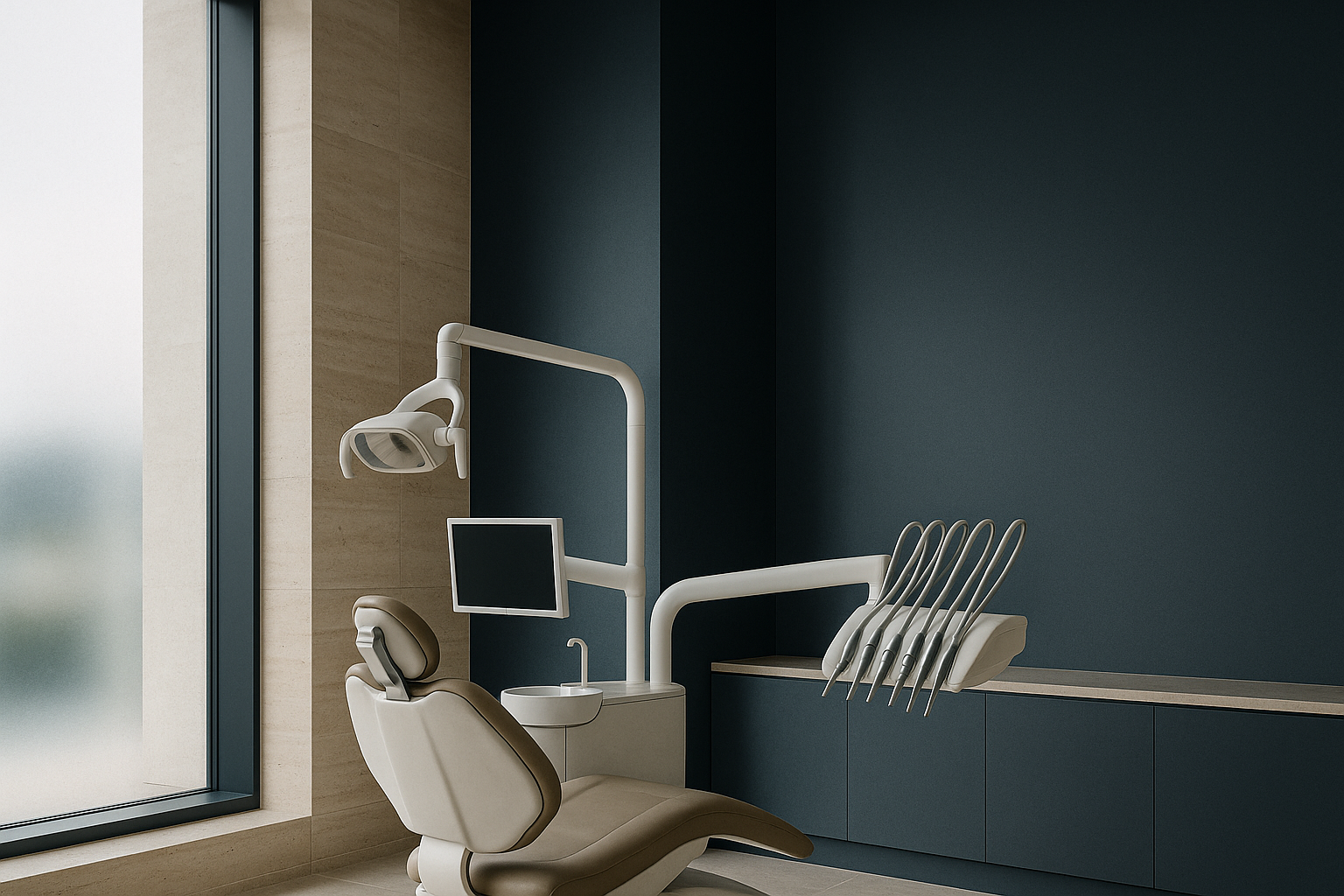
Turkish dental clinics are equipped with state-of-the-art technology, such as CAD/CAM systems for precise digital impressions and laser dentistry tools that enhance the accuracy and comfort of procedures. These technological advancements allow for customized treatment plans tailored to each patient’s needs, leading to high satisfaction rates. Additionally, many Turkish dentists participate in continuous education programs and attend international conferences to stay updated on the latest trends and techniques in cosmetic dentistry. This commitment to ongoing education ensures that they remain at the forefront of innovative practices, offering patients cutting-edge treatments.
Another reason for the popularity of ‘Turkish teeth’ is the comprehensive service provided by clinics. Many offer all-inclusive packages that cover not only the dental procedure but also accommodation, airport transfers, and local transportation, making the process seamless for international patients. This holistic approach ensures that patients can focus on their treatments without the stress of logistical arrangements, which can be particularly appealing for those travelling long distances. The convenience of such services allows patients to concentrate on their treatment and recovery, making the overall experience much more enjoyable and stress-free.
Why Choose Turkey for Dental Treatments?
Turkey’s appeal for dental treatments lies in its combination of cost-effectiveness, quality care, and cultural attraction. Patients can enjoy significant savings compared to treatments in Western countries, without compromising on quality. For instance, a full set of veneers in Turkey might cost around $3,000, whereas the same treatment in the United States could exceed $10,000. This substantial price difference is primarily due to lower operational costs in Turkey, which include lower labor and infrastructure expenses.
Turkish hospitals and clinics are equipped with modern technology, and many practitioners have international training. This ensures that patients receive care that meets global standards, making Turkey a reliable choice for dental procedures. Many Turkish dentists have completed part of their education or specialized training in countries like the United States, the United Kingdom, or Germany, bringing a wealth of knowledge and diverse techniques back to their practice in Turkey. This international exposure helps them understand and meet the expectations of their diverse clientele.
In addition to the quality and affordability of dental care, Turkey’s rich cultural heritage and beautiful landscapes provide an attractive backdrop for dental tourists. Patients often extend their stay to explore historic sites like the Hagia Sophia in Istanbul, the ancient ruins of Ephesus, or the natural wonders of Cappadocia. This blend of high-quality dental care and cultural experiences makes Turkey a unique and appealing destination for those considering dental tourism. The opportunity to combine healthcare with leisure and exploration enhances the overall value and appeal of choosing Turkey for dental treatments.
Understanding the Costs of Turkish Teeth
The cost of dental treatments in Turkey varies based on the type of procedure, but generally, patients can expect to pay less than half of what they might in the US or Europe. For example, dental veneers in Turkey can range from $100 to $300 per tooth. This price includes the cost of high-quality materials and the expertise of experienced dental professionals. To put this into perspective, the same veneers might cost between $800 and $2,500 per tooth in Western countries.
It is important for patients to obtain detailed quotes from clinics and consider additional expenses such as travel, accommodation, and any post-treatment care required. Many clinics offer package deals that include these additional costs, providing a clear picture of the total expenditure involved. Comparing these comprehensive packages between clinics can help patients make informed decisions based on their budget and treatment requirements.
Patients should also be aware of potential additional costs such as pre-treatment consultations, post-treatment check-ups, and any unforeseen complications. It may be beneficial to allocate an extra 10-20% of the total budget as a contingency fund to cover any unexpected expenses. This financial planning ensures that patients can enjoy their dental tourism experience without the stress of financial strain. By preparing for potential costs beyond the quoted price, patients can ensure a smooth and financially manageable experience.
Are Turkish Dental Clinics Safe?
Safety is a top priority for anyone considering treatment abroad. Turkish dental clinics are subject to regulations ensuring hygiene and care standards. Many clinics hold international accreditations, providing an added layer of assurance for patients. Accreditation bodies like the Joint Commission International (JCI) certify clinics that meet rigorous safety and quality criteria, ensuring that patients receive care in a safe and controlled environment.
Patients should research clinics thoroughly, checking for accreditations and reading reviews from past patients to ensure they choose a reputable provider. Websites such as Google Reviews, Trustpilot, and medical tourism forums can offer valuable insights into patient experiences and satisfaction levels. It’s also advisable to verify that the clinic employs qualified and licensed practitioners who are members of professional bodies such as the Turkish Dental Association.
In addition to online research, prospective patients can contact clinics directly to inquire about their safety protocols and patient care procedures. Clinics that are transparent about their operations and willing to provide detailed information are often more trustworthy. Patients should also ask about the sterilization processes and the types of materials and equipment used in treatments to further assess the clinic’s commitment to safety and quality. A thorough understanding of these factors can significantly enhance a patient’s confidence in their chosen clinic.
How Long Does the Treatment Process Take?
The timeline for dental treatments in Turkey can vary. Initial consultations and planning may take a few days, while the treatment itself can often be completed in one to two weeks, depending on the complexity. For example, simple procedures like teeth whitening can be completed in a single session, while more involved treatments such as full-mouth restorations may require multiple visits over a week or two.
Patients should plan for initial consultations, treatment, and any necessary follow-up appointments. It’s advisable to communicate with the clinic beforehand to understand the exact process and timeline. Many clinics offer virtual consultations prior to arrival, allowing patients to discuss their needs and preferences and receive an initial treatment plan. This pre-visit consultation can help streamline the in-country process and ensure that patients have realistic expectations regarding the duration and stages of their treatment.
In addition to the treatment itself, patients should consider time for recovery and potential follow-up care. Some procedures may require a few days of rest before patients can comfortably travel back home, so scheduling an extra few days post-treatment can be beneficial. By planning their itinerary carefully, patients can ensure that they have sufficient time for both their dental treatment and any desired sightseeing or relaxation. This strategic planning can enhance the overall experience and satisfaction of dental tourism.
What to Expect Post-Treatment
After receiving dental treatments in Turkey, patients may experience some mild discomfort or sensitivity, which is normal. Clinics typically provide aftercare instructions to ensure smooth recovery. These instructions may include guidelines on oral hygiene, dietary recommendations, and the use of any prescribed medications.
Follow-up appointments may be required to monitor the results and address any concerns. Clinics often offer follow-up consultations either in-person or via virtual platforms, making it convenient for international patients to stay in touch with their dentists. Patients should maintain regular dental check-ups once they return home to ensure ongoing oral health. Establishing a relationship with a local dentist who can provide routine care and monitor the results of the treatments received abroad can be beneficial.
In addition to regular dental visits, patients should adhere to good oral hygiene practices such as brushing twice a day, flossing daily, and using mouthwash. These measures help maintain the longevity of cosmetic treatments like veneers or crowns, ensuring that patients continue to enjoy their ‘Turkish teeth’ for many years to come. By following the recommended aftercare protocol and maintaining healthy habits, patients can optimize their investment in dental tourism and enjoy lasting results. The combination of diligent aftercare and regular dental visits will help preserve the aesthetic and functional benefits of their treatments.
Conclusion
The ‘Turkish teeth’ phenomenon offers a compelling option for international patients seeking high-quality, affordable dental care. With careful planning and research, patients can achieve excellent outcomes while enjoying the rich culture Turkey has to offer. Dental tourism in Turkey not only provides an opportunity for significant cost savings but also allows patients to benefit from advanced technology and skilled practitioners, ensuring that they receive world-class dental care.
More than just a cost-effective solution, choosing Turkey for dental treatments can also be a rewarding travel experience. The country’s diverse cultural heritage, delicious cuisine, and stunning landscapes provide a rich tapestry of experiences for visitors. By combining dental care with leisure and exploration, patients can return home with both a radiant smile and memorable experiences.
Ultimately, the decision to pursue dental treatments abroad should be made with careful consideration and thorough research. By understanding the benefits, costs, and processes involved, patients can make informed choices that align with their personal and financial goals, ensuring a positive and successful dental tourism experience. The strategic selection of a clinic and proper planning can lead to both a successful treatment outcome and an enriching travel adventure.
Proven result
80 to 240 dental patients a month from France
High-volume dental clinic, Istanbul
Frequently asked questions
What are the benefits of getting dental treatments in Turkey?
Patients benefit from cost-effective treatments, high-quality care, and the opportunity to explore Turkey’s rich culture.
Is it safe to get dental treatments in Turkish hospitals?
Yes, many Turkish clinics are internationally accredited and adhere to strict safety and hygiene standards.
How do the costs of Turkish dental treatments compare to other countries?
Dental treatments in Turkey can be significantly cheaper, often less than half the price of similar procedures in the US or Europe.
What should I consider when planning dental tourism to Turkey?
Consider the total cost including travel, research clinic accreditations, and plan your stay for the duration of the treatment process.
Related guides
Turkey Hospitals vs Local Hospitals Compared
A lower procedure quote can get a patient’s attention. It should not make the decision on its own.…

Patient Experience That Drives Trust and Growth
A patient who has already uploaded medical records, compared providers, and arranged time away from work is not…

What Is a Medical Travel Facilitator and Why Use One?
A lower treatment quote can look compelling until you try to compare what it actually includes: surgeon fees,…