
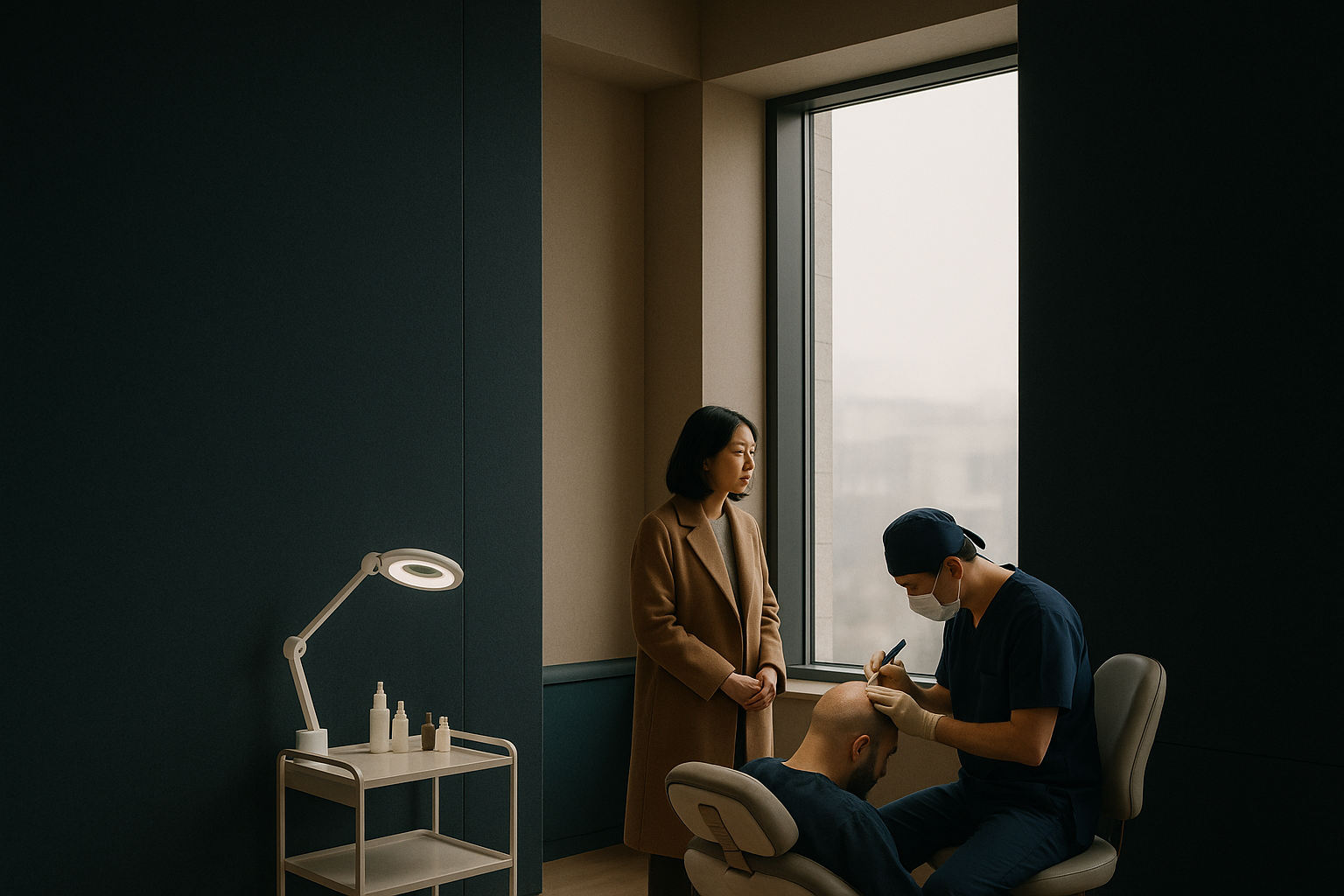
DHI hair transplant is a cutting-edge technique that promises natural-looking results by precisely implanting hair follicles. As prospective international patients research treatment options abroad, understanding this method’s nuances can help make informed decisions about their healthcare journey.
What is DHI Hair Transplant?
DHI, or Direct Hair Implantation, is a modern hair restoration technique that involves the use of a specialised tool to implant hair follicles directly into the scalp. Unlike traditional methods, DHI does not require pre-made incisions, allowing for more precise placement and natural-looking results. This minimally invasive procedure can be ideal for those seeking a more comfortable recovery and a better aesthetic outcome.
The procedure begins with the careful extraction of hair follicles, typically from the back of the scalp, which are then implanted using a pen-like device. This tool, known as the Choi Implanter Pen, allows for the direct insertion of follicles into the recipient area, ensuring a high survival rate and optimal growth. The result is a fuller, natural hairline that blends seamlessly with existing hair. By placing each follicle with precision, DHI aims to mimic the natural direction and angle of hair growth, enhancing the overall appearance.
In addition to the aesthetic benefits, DHI hair transplant offers practical advantages. The absence of incisions significantly reduces the risk of visible scars, a common concern among patients. Moreover, because the procedure is minimally invasive, it often involves less discomfort and a faster recovery time. Patients can typically resume normal activities within a week, although full hair growth may take several months as the transplanted follicles undergo natural shedding and regrowth cycles. This gradual process allows the new hair to integrate naturally and provides a more organic look over time.
How Does DHI Hair Transplant Differ from Other Techniques?
DHI hair transplant sets itself apart through its innovative use of the Choi Implanter Pen, which allows surgeons to control the depth, angle, and direction of each implanted hair. This level of precision is not achievable with other techniques like Follicular Unit Extraction (FUE) or Follicular Unit Transplantation (FUT), which require pre-made incisions. The ability to place each follicle individually without creating channels beforehand reduces trauma to the scalp and enhances the natural look of the results.
While FUE involves extracting individual follicles and placing them into pre-cut channels, DHI offers a more direct approach, potentially leading to less trauma and faster recovery. Additionally, the absence of incisions reduces the risk of scarring, making it a preferred option for many patients concerned about long-term cosmetic results. The meticulous nature of DHI, however, can mean a longer procedure time, often lasting several hours, depending on the number of grafts needed.
However, DHI may require more time to perform due to its meticulous nature. Patients should consult with their surgeon to determine the most suitable method based on their specific needs and hair loss patterns. It’s crucial to evaluate factors such as the extent of hair loss, desired hair density, and personal health conditions. For instance, patients with limited donor hair might benefit more from DHI’s precise implantation technique, ensuring optimal use of available grafts. This method is especially advantageous for those looking to optimize the use of a limited donor area, maximizing the appearance of fullness and density.
Moreover, the choice between DHI and other methods might also depend on the patient’s aesthetic goals. For those prioritizing a natural-looking hairline, DHI’s precision can offer significant advantages. However, this technique’s detailed nature means it often comes at a higher cost and may not be available in all clinics, necessitating thorough research and consultation before making a decision. Patients should weigh the benefits of precision and natural results against the investment required, both in terms of time and financial resources.
What Are the Steps Involved in a DHI Hair Transplant?
The DHI hair transplant process consists of several key steps, each contributing to the success of the procedure. Initially, a thorough consultation is conducted to assess the patient’s hair loss pattern and determine the number of grafts needed. This step is crucial for setting realistic expectations and crafting a personalised treatment plan. The consultation involves a detailed examination of the scalp and hair, taking into account factors like hair texture, color, and the extent of baldness.
Following the consultation, the patient’s donor area is prepared, often by shaving the hair to facilitate follicle extraction. Using a micro motor device, individual hair follicles are carefully extracted and stored in a special solution to maintain their viability. This solution is typically enriched with nutrients to enhance the survival rates of the grafts until they are implanted. The preservation of grafts during this stage is critical, as it directly impacts the success rate and quality of the final results.
The implantation phase involves the use of the Choi Implanter Pen, which enables the surgeon to place each follicle with precision. This step is performed meticulously to ensure a natural-looking result, with special attention given to the hairline design and follicle density. The surgeon will plan the angle and direction of each graft to mimic natural hair growth patterns, which is essential for achieving seamless integration with existing hair. This detailed planning and execution require a high level of skill and experience from the surgical team.
Post-procedure care is equally important in a DHI hair transplant. Patients are typically advised to avoid strenuous activities and direct sun exposure for a few weeks to ensure optimal healing. The clinic may provide specific shampoos and topical treatments to aid recovery and promote healthy hair growth. Regular follow-ups are often scheduled to monitor progress and address any concerns, ensuring that the patient achieves the best possible outcome. Adhering to post-operative instructions is crucial for minimizing complications and maximizing the success of the transplant.
What are the Costs and Expected Timelines for DHI Hair Transplant?
The cost of a DHI hair transplant can vary significantly depending on several factors, including the clinic’s location, the surgeon’s expertise, and the number of grafts required. On average, prices may range from £2,000 to £10,000, though these figures can differ widely across countries. For instance, in Turkey, which is a popular destination for hair transplants, costs can be more affordable, often ranging from £1,500 to £5,000. The price is generally reflective of the skill of the medical team, the quality of the facility, and the scope of aftercare services offered.
Prospective patients should also consider additional expenses such as travel, accommodation, and post-operative care when budgeting for their procedure. It’s advisable to request detailed quotations from multiple clinics to compare offerings comprehensively. Some clinics offer package deals that include transportation, accommodation, and post-operative care, which can be more economical for international patients. These packages can simplify the logistics of medical travel and ensure comprehensive care throughout the treatment process.
As for timelines, a typical DHI procedure can take several hours to complete, depending on the number of grafts. Recovery time is generally shorter than traditional methods, with most patients resuming normal activities within a few days. Full results may take several months to become apparent as the transplanted hair goes through natural growth cycles. The initial recovery phase is crucial, as the transplanted follicles need time to establish themselves in the new location and begin producing hair.
It’s also important for patients to have realistic expectations regarding the timeline for seeing final results. Initially, transplanted hair may shed within the first month, a normal part of the hair growth cycle, before new hair begins to grow. This regrowth phase can take 6-12 months, with most patients noticing significant improvements by the one-year mark. Regular follow-up appointments with the surgeon can help manage expectations and address any concerns during this period. Patience and adherence to post-operative care are key to achieving the desired outcome.
How to Ensure Safety and Accreditation When Choosing a Clinic?
Ensuring the safety and accreditation of the clinic performing your DHI hair transplant is paramount. Prospective patients should verify that the clinic is accredited by reputable medical boards and that their surgeons are certified in the relevant field of hair restoration. This can often be confirmed through the clinic’s website or by contacting professional organizations such as the International Society of Hair Restoration Surgery (ISHRS). Accreditation ensures that the clinic adheres to high standards of medical practice and patient care.
It’s recommended to research the clinic’s reputation through reviews and testimonials from previous patients. Online forums and patient review sites can provide valuable insights into others’ experiences and the quality of care provided. Additionally, a transparent communication process and the ability to address concerns during consultations are signs of a trustworthy provider. Engaging with former patients can offer a realistic perspective on what to expect from the clinic and its services.
Patients should also inquire about the clinic’s hygiene practices and the technology used during the procedure, as these factors significantly impact the overall success and safety of the treatment. Modern clinics should employ state-of-the-art equipment and adhere to stringent sterilization protocols to minimize infection risks. Visiting the clinic before the procedure can offer a firsthand look at the facilities and help instill confidence in the patient. Observing the cleanliness and professionalism of the clinic staff can further reassure the patient of their choice.
Furthermore, potential patients should ensure that the clinic provides comprehensive post-operative care and follow-up support. Reliable clinics will offer detailed guidance on post-surgery care and be available to address any concerns that may arise during the recovery process. This ongoing support is crucial for achieving optimal results and ensuring patient satisfaction. A clinic that offers a structured follow-up program demonstrates a commitment to patient well-being beyond the initial procedure.
What Should Patients Know About Medical Travel Insurance?
Medical travel insurance is an essential consideration for patients seeking treatment abroad. This type of insurance covers unforeseen medical expenses that may arise during the trip, offering peace of mind and financial protection. It’s particularly important for procedures like DHI hair transplant, where unexpected complications, though rare, can occur. Having insurance ensures that patients can access necessary medical care without incurring significant out-of-pocket costs.
Coverage typically includes emergency medical care, hospitalisation, and sometimes medical evacuation back to the home country if necessary. It’s crucial to understand the policy’s specifics, including exclusions and limitations, before purchasing. For example, some policies may not cover complications related to elective procedures, so it’s essential to choose a plan that explicitly includes such coverage. Reading the fine print and discussing the coverage with an insurance agent can provide clarity and prevent misunderstandings later.
Patients should ensure their travel insurance medical certificate includes comprehensive details such as the policyholder’s information, coverage period, and specific benefits to avoid complications during their medical journey. It is advisable to purchase insurance well in advance and ensure that it covers the entire duration of the trip. Comparing different insurance providers and reading the fine print can help in selecting a policy that offers the best protection tailored to the individual’s medical travel needs. A well-chosen policy can significantly reduce the stress associated with potential medical emergencies abroad.
Additionally, having a clear understanding of the claims process is important. Patients should know how to file a claim, what documentation is necessary, and the timeline for claim processing. Keeping all medical records and receipts organized during the trip can facilitate a smoother claims process if needed. Ensuring that all documentation is complete and accurate will help in avoiding delays in claims processing and ensure the patient receives the necessary reimbursements promptly.
What Does Medical & Non-Medical Evacuation in Travel Insurance Mean?
Medical evacuation refers to the transportation of a patient to the nearest suitable medical facility in the event of a serious health emergency. This service is crucial for international patients who may require advanced medical care not available at their treatment destination. Having this coverage ensures that patients can access necessary medical interventions without the burden of high transportation costs. In critical situations, timely evacuation can be lifesaving and provide access to superior medical facilities.
Non-medical evacuation, on the other hand, involves the safe relocation of individuals from areas affected by natural disasters, political unrest, or other crises. Both services aim to ensure the safety and well-being of travellers in unforeseen situations. For instance, if a patient is in a region experiencing sudden political instability, non-medical evacuation can provide a safe way to exit the area. This coverage is particularly beneficial for those traveling to regions with volatile environments or unpredictable weather conditions.
Understanding these components within a travel medical insurance policy helps patients prepare for emergencies, ensuring they receive appropriate care and support while abroad. It’s important to review the policy details to understand what triggers an evacuation and the extent of coverage, including the types of emergencies covered and any associated costs the policyholder might incur. Being aware of these details ensures that patients can make informed decisions if an emergency arises.
Patients should also be aware of the procedures to initiate an evacuation, such as emergency contact numbers and required authorizations. Keeping this information easily accessible during travel can expedite assistance in urgent situations. Engaging with an insurance provider that has a robust support network and 24/7 assistance can further enhance safety and responsiveness during medical travel. This support can provide invaluable peace of mind, knowing that help is readily available in a crisis.
Conclusion
Choosing to undergo a DHI hair transplant abroad requires careful consideration of various factors, from understanding the procedure itself to ensuring comprehensive travel insurance coverage. By researching thoroughly and selecting accredited clinics, prospective patients can achieve successful outcomes and enjoy a seamless medical travel experience. The importance of thorough preparation and research cannot be overstated when it comes to international medical procedures.
In addition to researching clinics and insurance options, it is beneficial for patients to connect with others who have undergone similar procedures. Online communities and forums can provide valuable support and insights from individuals who have navigated the medical travel journey. These firsthand accounts can offer practical advice and help manage expectations before, during, and after the procedure. Learning from others’ experiences can guide decision-making and enhance the overall experience.
Ultimately, taking the time to prepare thoroughly and make informed choices can lead to a rewarding experience and a satisfying outcome. With the right planning and support, patients can look forward to the transformative benefits of a DHI hair transplant, enhancing both their appearance and confidence. This process not only improves physical appearance but can also significantly boost self-esteem and personal well-being.
Proven result
23× monthly patients from the UK market in six years
Multi-specialty medical travel company (hair, plastic & bariatric surgery)
Frequently asked questions
What is travel medical insurance?
Travel medical insurance covers medical emergencies while travelling, including hospitalisation and emergency care, providing financial protection.
What does travel medical insurance cover?
Travel medical insurance typically covers emergency medical care, hospitalisation, and sometimes medical evacuation if a serious condition arises abroad.
What is the best travel medical insurance?
The best travel medical insurance depends on individual needs, covering comprehensive medical emergencies, and offering suitable limits and coverage terms.
What does a travel insurance medical certificate need to include?
A travel insurance medical certificate should include the policyholder’s details, coverage period, and a clear outline of the specific benefits and limits.
What is medical travel insurance?
Medical travel insurance is designed to cover unexpected medical expenses during international travel, ensuring access to necessary healthcare services.
Related guides

How Overseas Surgery Insurance Really Works
A lower treatment quote can quickly lose its advantage if an unexpected complication extends your stay, requires emergency…

Analyzing the Medical Tourism Market: Current Trends
Quick answerThe medical tourism market is growing due to factors like cost-effective treatments, advanced medical technologies, and international…
Best Country for Cancer Treatment: Top Countries for Advanced Cancer Treatment Options
Quick answerCountries like the USA, Germany, and Japan offer some of the best cancer treatment in the world,…