

Hair plantation, commonly known as hair transplant, is a sought-after procedure for those experiencing hair loss. This surgical intervention involves moving hair follicles from one part of the body to areas with thinning or no hair. As medical tourism grows, understanding the intricacies of hair plantation becomes crucial for international patients considering treatment abroad.
What is Hair Plantation?
Hair plantation is a surgical procedure designed to restore hair in areas affected by baldness or thinning. This technique involves harvesting hair follicles from a donor site, typically the back or sides of the scalp, and transplanting them to the balding regions. The process aims to achieve a natural look and is often chosen by individuals experiencing androgenetic alopecia, commonly known as male-pattern baldness. Understanding what is hair plantation helps patients set realistic expectations and make informed decisions about their treatment options.
The two primary methods used in hair plantation are Follicular Unit Transplantation (FUT) and Follicular Unit Extraction (FUE). FUT involves removing a strip of scalp from the donor area, which is then dissected into individual follicular units. This technique can be more efficient for covering larger areas of baldness but may leave a linear scar. On the other hand, FUE involves extracting individual follicles directly from the scalp, which results in tiny dot scars that are less noticeable. Each method has its advantages and considerations, and the choice depends on the patient’s specific needs and the surgeon’s expertise.
Patients considering hair plantation should consult with a qualified surgeon to understand which technique is best suited for their condition. It’s crucial to evaluate the potential results, recovery time, and any associated risks to make an informed decision. A thorough initial consultation can help determine the most appropriate method, based on factors such as the extent of hair loss, hair texture, and the patient’s lifestyle. By understanding what is hair plantation, patients can better appreciate the complexity and artistry involved in achieving a successful outcome.
What Does a Hair Transplant Cost?
The cost of a hair transplant can vary significantly based on several factors, including the location of the clinic, the surgeon’s experience, and the chosen technique. On average, patients can expect to pay between £3,000 and £10,000 for the procedure. This range reflects the complexity and scope of the surgery, as well as any additional services provided by the clinic. For instance, clinics in metropolitan areas or those with a reputation for excellence might charge a premium, while others may offer more competitive pricing.
It’s important to note that these costs typically include consultation fees, the surgery itself, and post-operative care. However, potential patients should also consider travel expenses, especially if they are seeking treatment abroad. Many clinics offer package deals that can provide savings but ensure that these packages include comprehensive care and are not compromising on quality. For example, a package might cover airport transfers, accommodation, and a follow-up care plan, which can be particularly beneficial for international patients.
As with any medical procedure, prospective patients should prioritize the quality of care over cost. Choosing an accredited and reputable clinic with skilled surgeons is vital to ensure successful outcomes and minimize risks. While the initial investment might be significant, the long-term benefits of a well-executed hair transplant can outweigh the costs, providing patients with renewed confidence and satisfaction. Considering all these aspects, understanding what is hair plantation in terms of cost can guide patients in budgeting and planning for their desired results.
How to Choose a Safe and Accredited Clinic?
Safety and accreditation are paramount when selecting a clinic for hair plantation, especially for international patients. It’s essential to verify the credentials of the clinic and the qualifications of the medical professionals involved. Look for clinics that are certified by recognized health authorities and that follow international standards of safety and hygiene. Accreditation bodies such as the International Society of Hair Restoration Surgery (ISHRS) can be a good indicator of a clinic’s commitment to maintaining high standards.
Researching online reviews and testimonials from past patients can provide insights into the clinic’s reputation and patient satisfaction. Consider reaching out to former patients to hear firsthand experiences about their journey and results. Additionally, ensure that the clinic provides comprehensive pre-operative and post-operative care, as this is crucial for achieving optimal results. A clinic that offers a thorough initial consultation and detailed aftercare instructions demonstrates a commitment to patient welfare.
Before committing, patients should also inquire about the clinic’s emergency protocols and the availability of follow-up care. A reputable clinic will encourage open communication and address all patient concerns transparently and thoroughly. This includes discussing the potential risks and realistic outcomes based on individual circumstances. By understanding what is hair plantation in the context of safety and accreditation, patients can make informed choices that prioritize their health and well-being.
What to Expect During the Hair Plantation Procedure?
The hair plantation procedure typically begins with a thorough consultation, where the surgeon assesses the patient’s hair loss and discusses potential results. On the day of the surgery, the patient undergoes local anaesthesia to minimize discomfort. The chosen method, either FUT or FUE, is then performed to harvest and transplant hair follicles. Understanding what is hair plantation at this stage involves recognizing the meticulous nature of the procedure and the skill required to achieve natural-looking results.
The duration of the procedure can vary, generally lasting between 4 to 8 hours, depending on the extent of the transplant. Patients can expect some degree of swelling and discomfort in the days following the surgery, but this can be managed with prescribed medications and proper aftercare. The surgeon will provide specific instructions on how to care for the transplanted area, including guidelines on washing hair and avoiding strenuous activities.
Most patients can return to their routine within a week, but full recovery and the growth of new hair can take several months. Regular follow-up appointments are essential to monitor progress and address any concerns that may arise during the healing process. It’s important for patients to have realistic expectations and understand that hair growth occurs in phases, with full results typically visible after 12 to 18 months. Being well-informed about what is hair plantation and the typical post-operative journey can help patients remain patient and optimistic as they await the final results.
How Do Costs Compare with Other Cosmetic Procedures?
When considering medical tourism, comparing the costs of various cosmetic procedures can help patients make informed decisions. For instance, the average cost of dental implants often ranges from £1,500 to £6,000 per implant, depending on the materials used and the complexity of the procedure. In comparison, hair transplantation is generally more affordable on a per-session basis. This highlights the importance of understanding what is hair plantation from a financial perspective, as it allows patients to weigh the costs and benefits of different cosmetic treatments.
It’s worth noting that both hair transplants and dental implants offer long-term benefits, but patients should weigh the cost against the expected outcomes and the longevity of results. While dental implants are a permanent solution to tooth loss, hair transplants require ongoing maintenance and may need additional sessions to achieve desired density. This aspect emphasizes the need for patients to consider their long-term goals and maintenance requirements when evaluating their options.
Understanding these nuances can aid patients in prioritizing their needs and budget, ultimately leading to a more satisfactory medical tourism experience. By thoroughly researching and comparing different procedures, patients can make decisions that align with their personal and financial goals. A comprehensive understanding of what is hair plantation and its place among other cosmetic options can guide patients in choosing the most appropriate course of action for their needs.
What Are the Benefits and Risks of Hair Plantation?
Hair plantation offers several benefits, including a natural appearance, improved self-esteem, and long-term cost-effectiveness compared to temporary solutions like wigs or hairpieces. The procedure’s success largely depends on the expertise of the surgeon and the quality of the clinic. Patients who understand what is hair plantation can appreciate the potential for a dramatic transformation and the boost in confidence that often accompanies successful results.
However, as with any surgical intervention, hair transplantation carries potential risks. These can include infection, scarring, or an unnatural appearance if not performed correctly. Patients should discuss these risks with their surgeon during the initial consultation to ensure they have realistic expectations. A thorough understanding of the procedure, including its limitations and potential complications, can help patients make informed choices and prepare adequately for the surgery.
Comprehensive pre-operative evaluations and a thorough understanding of the procedure can mitigate these risks, leading to successful outcomes for patients seeking hair restoration. By prioritizing safety and selecting a reputable clinic, patients can maximize their chances of a positive experience. Ultimately, a well-executed hair transplant can provide lasting benefits, enriching the patient’s quality of life and self-image. Understanding what is hair plantation and its associated benefits and risks is crucial for anyone considering this transformative procedure.
Conclusion
Hair plantation is a viable option for individuals seeking to restore lost hair and enhance their appearance. For international patients, understanding the procedure, its costs, and safety considerations is essential when seeking treatment abroad. By prioritizing quality care and choosing accredited clinics, patients can achieve satisfying results and enjoy the benefits of a successful hair transplant. The journey to hair restoration involves careful consideration and planning, but with the right information and support, patients can look forward to a rewarding outcome.
Proven result
6.4× monthly patient volume since 2022
Istanbul-based hair transplant clinic
Frequently asked questions
What does a hair transplant cost?
The cost of a hair transplant varies, typically ranging between £3,000 and £10,000, depending on the clinic’s location and the surgeon’s expertise.
How do I choose a safe clinic for hair transplantation?
Ensure the clinic is accredited, check the qualifications of the medical team, and read reviews from past patients to gauge their reputation.
What is the average cost of dental implants?
Dental implants typically cost between £1,500 and £6,000 per implant, depending on materials and complexity of the procedure.
What are the main risks of hair plantation?
Risks include infection, scarring, and unnatural appearance. Choosing a qualified surgeon and accredited clinic can minimize these risks.
Related guides
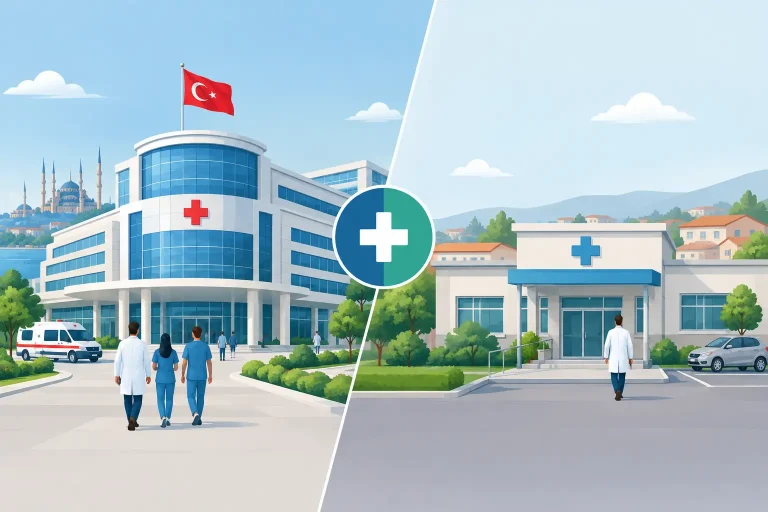
Turkey Hospitals vs Local Hospitals Compared
A lower procedure quote can get a patient’s attention. It should not make the decision on its own.…

Patient Experience That Drives Trust and Growth
A patient who has already uploaded medical records, compared providers, and arranged time away from work is not…

What Is a Medical Travel Facilitator and Why Use One?
A lower treatment quote can look compelling until you try to compare what it actually includes: surgeon fees,…