

Did public rumor ever paint a picture that felt more like fiction than fact? This question cuts to the heart of how a performer’s image can be reshaped by online chatter.
The actress who plays Starlight on the hit Prime Video series has faced intense scrutiny about her appearance. Such speculation often misses the real story: a person navigating health, work, and public life.
This piece examines the moriarty plastic surgery narrative with balance and care. It separates rumor from reality and seeks to show the human behind tabloid claims.
By looking beyond surface talk, readers will find a more compassionate view of fame and the pressures many actresses face in modern Hollywood.
Key Takeaways
- Public speculation can distort a performer’s real-life health and choices.
- A balanced look helps separate gossip from verified information.
- Online commentary often ignores personal context and medical nuance.
- Understanding the erin moriarty plastic narrative requires empathy.
- The discussion highlights broader pressures on women in entertainment.
The Reality Behind Erin Moriarty Plastic Surgery Rumors
When a television role brings sudden fame, comparisons between old and new photos become a common social ritual. Fans and critics alike picked apart side-by-side images of the actress from season 1 to season 5, turning small changes into dramatic claims.

Much of the chatter migrated to social media and mainstream media, where toxic memes likened her to other celebrities and moments like a music video look. Those comparisons often ignored context: makeup, lighting, and aging can alter a face without any procedures.
The performer has called out this invasive policing of women’s appearance. Public scrutiny, amplified by commentators who dedicated segments to the topic, pushed her to step away from platforms to protect her mental health and career.
Important reality: the show’s popularity brought attention, but it did not justify relentless rumors about surgery. People should separate an actor’s work and role from baseless speculation about their body.
Analyzing the Speculated Cosmetic Enhancements
Spectators parsing before-and-after images often claim technical procedures explain subtle shifts in a celebrity’s face. A step back shows several plausible explanations and a need for cautious interpretation.
Rhinoplasty and nasal refinement. Fans note a more refined nose in recent photos. Yet makeup techniques, camera angle, and minor swelling changes can alter nasal appearance without surgery. Rhinoplasty is possible, but visual evidence alone is unreliable.
Dermal fillers and injectables. Smooth skin, fuller cheeks, or plumper lips are commonly linked to dermal fillers and Botox. Non-surgical treatments like a liquid facelift can produce those effects—Este Medical Group lists such treatments among popular options—but they remain unconfirmed here.
Facial contouring procedures. Observers sometimes suggest buccal fat removal or jawline work to explain a sculpted mid-face. Weight loss, aging, and styling also reshape facial contours. Recent photos must be read alongside lighting, makeup, and the actor’s long public career to avoid hasty conclusions.
- Important: No verified admissions exist about any work done.
- Experts advise treating visual analysis as speculative, not diagnostic.
Natural Factors Influencing Celebrity Appearance
Many perceived transformations are actually the result of camera tricks, makeup, and personal health changes. Public photos can freeze a single moment that does not represent long-term changes to a person’s look.
The Role of Lighting and Makeup Artistry
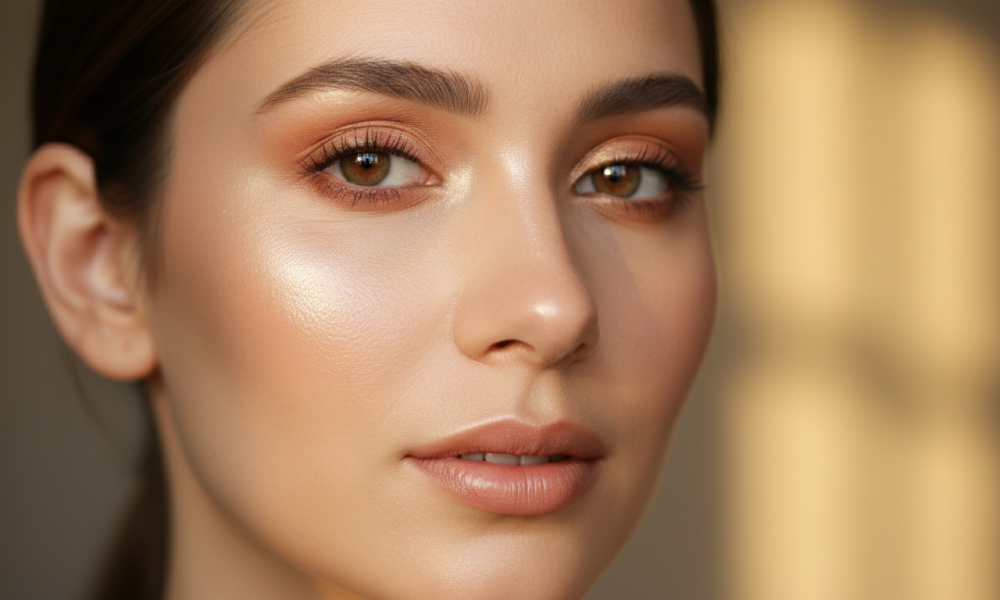
Lighting and makeup reshape contours on screen. Professional lighting can slim a nose or deepen cheek shadows. Expert makeup techniques add highlights to the eyes and lips that change the perceived shape of the face.
Medical issues like Graves’ disease can cause weight loss and visible facial changes. That loss is often misread as the result of cosmetic enhancements or major procedures.
“Photos are a snapshot, not a diagnosis.”
- Styling matters: hair, makeup, and wardrobe create a new look for the camera.
- Non-surgical treatments such as dermal fillers or Botox are often confused with more invasive work done.
- Compare with care: recent photos and older images differ by lighting, angle, and health—factors fans and critics should weigh before assuming rhinoplasty or buccal fat removal.
Expert voices remind people that many celebrities use advanced makeup and lighting to meet a role’s demands. That context helps keep discussion respectful and fact-based.
The Emotional Toll of Online Scrutiny
Relentless commentary on a performer’s look can turn casual gossip into a career-threatening storm. That storm affected the actress behind a beloved role, leaving her alarmed by misogynistic video commentary and sustained trolling.
Addressing Toxic Misinformation
The actress has spoken out about how toxic misinformation on social media damaged her peace. She called the clips and commentary cruel and false.
Speaking up became a way to challenge the policing of women’s bodies and to correct damaging rumors about plastic surgery, fillers, or other procedures.
The Impact on Mental Health
The constant scrutiny made her fear for her career. The gossip forced her to step away from platforms to protect her mental health and future work.
“The intensity of the trolling made me worry it could end my career.”
- Being in a popular show does not grant permission for relentless attacks.
- Fans and people online should remember a public face is also a private person.
- Addressing misinformation helps the actress safeguard her well-being and continue her role and career.
Conclusion
Online debates about celebrities’ faces can spiral from curiosity into cruelty. The moriarty plastic surgery narrative shows why empathy matters more than gossip.
There is no definitive proof of major surgery. Many perceived changes stem from weight loss, makeup, lighting, or aging. Non‑surgical treatments like dermal fillers or Botox can be confused with rhinoplasty, buccal fat work, or lip procedures.
People deserve respect; the actress spoke about the harm caused by social media and relentless commentary. Her talent and dedication to the show and career matter far more than rumors about nose or lip work.
Choose compassion over speculation. Support autonomy, avoid toxic judgment, and focus on an artist’s work—not just appearance.
FAQ
What is the reality behind the plastic surgery rumors surrounding Erin Moriarty?
Rumors about cosmetic work often stem from changing makeup, weight shifts, lighting, hairstyle changes, and natural aging. Public images can exaggerate subtle differences. Reliable confirmation comes only from the person or their medical team; otherwise, it’s best to treat speculation cautiously and respectfully.
Could changes in facial appearance be due to non-surgical treatments like dermal fillers or Botox?
Yes. Dermal fillers and neuromodulators such as Botox can alter cheek volume, lip shape, and soften lines. These treatments create noticeable yet reversible results. However, photos alone can’t prove treatment—timing, makeup, and camera angles also play big roles.
How can rhinoplasty or nasal refinement be identified in photos?
Surgical nasal changes typically affect the bridge, tip, or profile of the nose. Still, angle, shadow, and makeup contouring can mimic refinement. Only medical confirmation or a clear before-and-after from trusted sources provides certainty.
What is buccal fat removal and could it explain a slimmer face?
Buccal fat removal reduces cheek fullness by removing fat pads, creating a more contoured look. Weight loss, makeup contouring, and lighting can produce similar effects, so it’s hard to attribute a slimmer face solely to that procedure from images.
How do lighting and makeup influence how a celebrity looks in photos?
Professional lighting sculpts shadows and highlights to enhance bone structure. Makeup artists use contouring, highlighter, and strategic application to change perceived face shape, nose size, and lip fullness. Social media filters add another layer of transformation.
Can weight loss alone explain visible changes in an actor’s face and body?
Absolutely. Weight loss affects facial fat distribution and body contours significantly. Diet, exercise, and role preparation can all lead to notable changes without any cosmetic procedures.
How should fans and media approach speculation about cosmetic enhancements?
Approach with empathy and restraint. Speculation can fuel misinformation and harm mental health. Favor verified statements and avoid spreading unconfirmed claims. Respecting privacy aligns with supportive, responsible coverage.
What impact does online scrutiny have on a public figure’s mental health?
Persistent scrutiny can increase stress, anxiety, and self-consciousness. Negative commentary and rumors may intensify pressure to respond or make public statements, affecting well-being. Compassionate discourse helps reduce harm.
Are there ethical ways to discuss celebrity appearance and cosmetic work?
Yes. Focus on body-positive language, medical facts, and context such as lighting, makeup, and aging. Avoid invasive conjecture and remember that consent and privacy matter. When discussing procedures, cite qualified medical sources.
Where can someone find reliable information about cosmetic procedures and their risks?
Look to board-certified plastic surgeons, professional organizations like the American Society of Plastic Surgeons, and peer-reviewed medical sources. These provide balanced information on benefits, risks, recovery, and alternatives.
Related guides
How Long Does a Dental Implant Procedure Take?
Curious if the journey to a restored smile will fit your life? Many patients wonder about the full…

Best Hair Transplant in Istanbul,Turkey
Could one clinic end years of worry and restore your confidence with a clear, tailored plan?Dr. Serkan Aygin…

What is Zygomatic Dental Implant?
Could anchoring into the cheekbone restore a confident smile when the upper jaw can’t?Zygomatic dental implants offer an…