
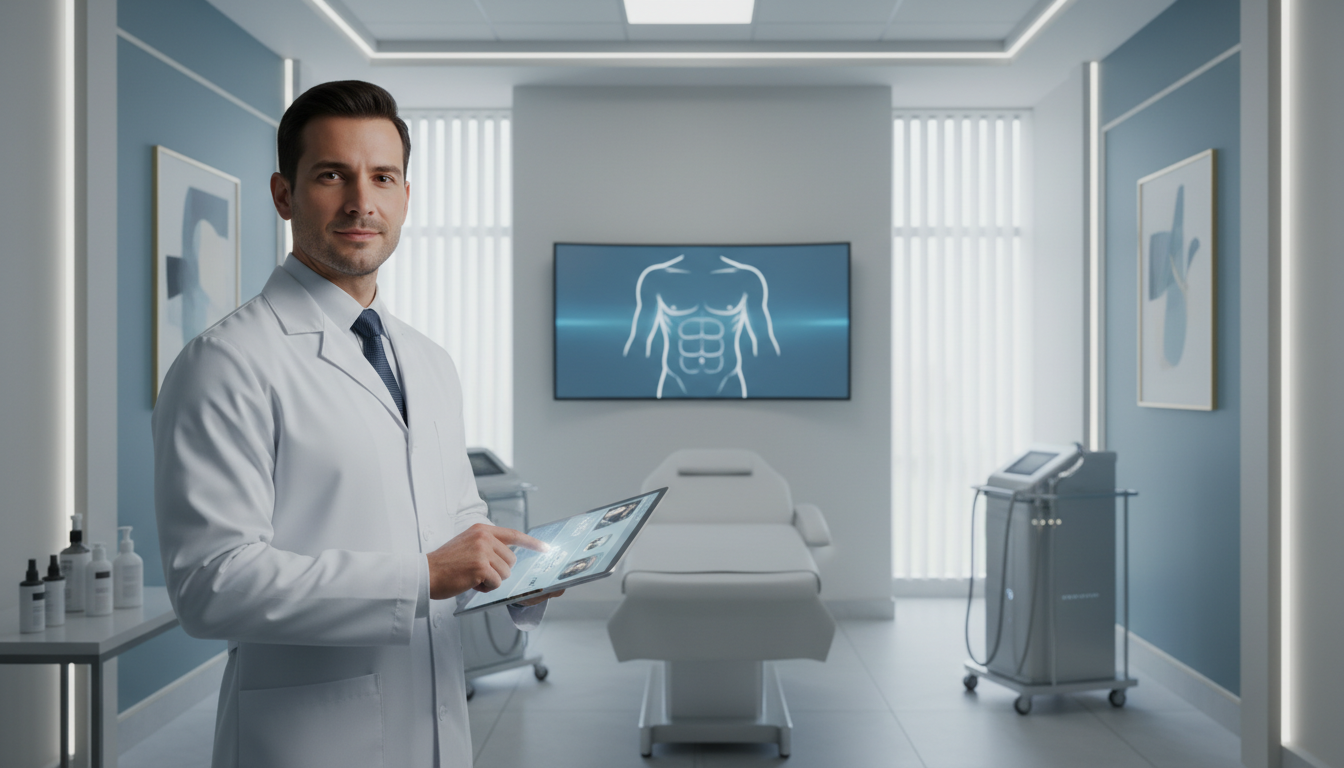
Can a red carpet transformation be all workout, or is there a medical shortcut behind those carved abs? This question sits at the heart of a public debate about appearance and modern cosmetic care.
The fascination with polished bodies mixes admiration with suspicion. Fans and media often weigh gym dedication against advances in plastic surgery and body contouring.
Understanding the line between discipline and medical help means looking at procedures, recovery, and outcomes. This article will gently unpack how surgery and noninvasive techniques have changed what viewers expect from a celebrity body.
Readers will find clear explanations, medical context, and tips for spotting signs of enhancement without harsh judgment. The goal is to inform and support readers who want honest, evidence-based insight.
Key Takeaways
- Public interest blends fitness respect with questions about cosmetic procedures.
- Some abs results come from medical procedures; others come from training and diet.
- Media and social media can amplify rumors faster than facts appear.
- Modern plastic techniques often blur the line between natural and enhanced looks.
- Knowing recovery timelines and procedure signs helps readers assess claims.
Understanding the Buzz: Celebrities Rumored to Have Had SixPack Surgery: Truth or Myth?
Public chatter often lights up when a well-known figure suddenly shows a perfectly sculpted midsection. People wonder if intense training alone can explain a dramatic change.
The conversation reflects more than curiosity. It reveals cultural pressure and the ideal many feel they must meet.
Speculation spikes when an actor or athlete appears with carved abs in a short time. That surge in attention can shape expectations for fans and peers alike.
The debate also becomes a mirror for social values. Questions about enhancement, performance, and image touch on health, fairness, and self-worth.
- Media moments can magnify changes and invite quick judgments.
- Pressure to maintain an ideal look affects career choices and mental health.
- Understanding context helps readers weigh claims without harsh assumptions.
By viewing the buzz with nuance, readers gain clearer insight into why these stories spread—and what they say about society.
What is Abdominal Etching and Why is it Trending?
Modern plastic surgery now offers targeted ways to create visible abdominal definition without long timelines. Abdominal etching uses precise liposuction and careful etching to reveal the natural contours of the abdominal muscles.
Patients often choose this cosmetic surgery when diet and training do not show the same sharp lines they want. The goal is not weight loss but visible muscle definition achieved by selective fat removal.
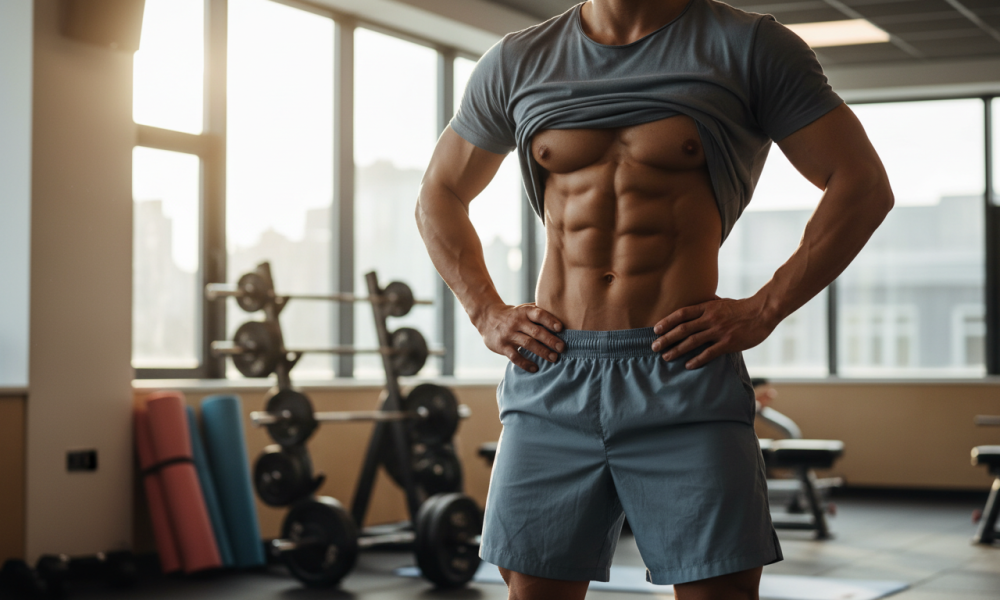
The Rise of High-Definition Liposuction
High-definition liposuction refines standard liposuction with artistic contouring. A skilled plastic surgeon maps the abdominal anatomy, then sculpts fat to mimic the natural muscle grooves.
Dr. Henry Mentz has performed over 3,000 abdominal etching procedures since 1992, showing that the technique can provide durable results for men who seek defined abs in less time than intense training requires.
Why Many Seek Instant Results
Many patients seek a consultation because they want predictable results quickly. For professionals under time pressure, this procedure shortens the wait for visible change.
- Targets specific fat pockets that hide muscle lines.
- Focuses on definition rather than overall weight loss.
- Often paired with a recovery plan to preserve results over years.
| Feature | Traditional Liposuction | Abdominal Etching | Typical Candidate |
|---|---|---|---|
| Primary Goal | Fat reduction | Muscle definition | Fit patients with localized fat |
| Technique | Broad fat removal | Precise contouring with etching | Men and women seeking sculpted abs |
| Recovery Time | Moderate | Moderate with targeted care | Individuals with realistic goals |
The Drake Effect and Social Media Speculation
A single viral image can rewrite public conversation about fitness and cosmetic care overnight.
Analyzing the Viral Photo Controversy
On June 28, 2025, a shirtless Instagram post from a well-known rapper sparked intense debate. Fans flooded social platforms with questions about whether those abs were natural.
Lighting, angles, and timing can create visible lines that look like etching. This often leads to fast judgments and heated comments.
The artist denied surgery, but the post pushed abdominal etching and plastic surgery into mainstream conversation. The episode shows how a single post can fuel years of rumors and public scrutiny.
- Fans quickly labeled the image as fake abs.
- The media amplified speculation within hours.
- Discussion shifted interest in the procedure among the public.
| Element | Common Claim | Likely Cause |
|---|---|---|
| Sharp definition | Evidence of etching | Lighting and low body fat |
| Rapid change | Proof of surgery | Training cycle or photo timing |
| Public reaction | Calls of fake abs | Social media spread and speculation |
Identifying the Ideal Candidate for Surgical Abs
Not everyone with a gym routine is a good match for cosmetic abdominal contouring; candid criteria matter.
An ideal candidate is already fit, keeps a steady weight, and typically has a BMI under 32. Surgeons stress that abdominal etching is not a weight-loss fix. It refines existing muscle definition rather than replacing diet or training.
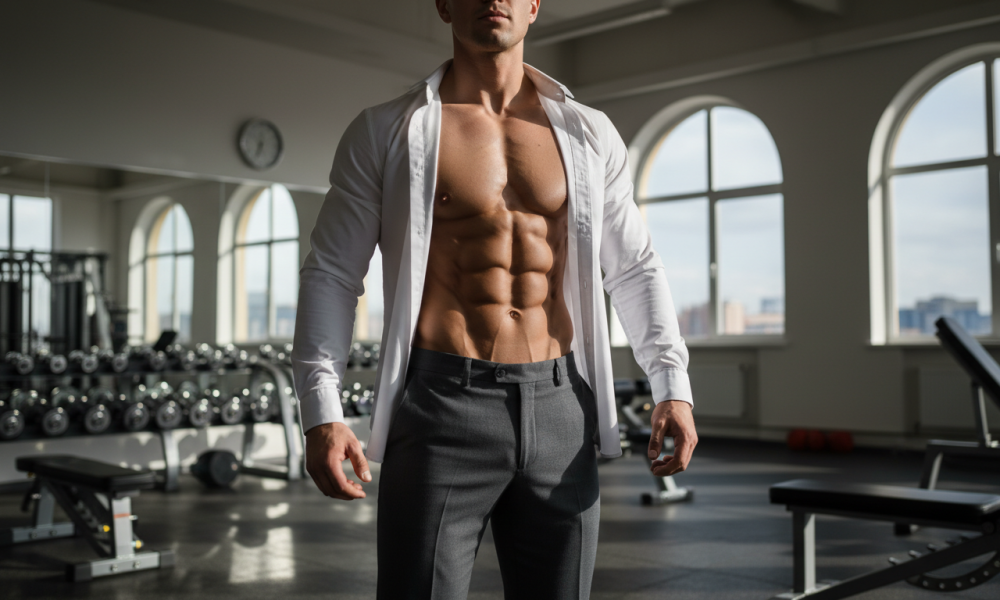
During a consultation, a plastic surgeon checks skin quality and body fat percentage. This helps determine if the procedure will give natural-looking results.
People who spend time in the gym but cannot lose a thin layer of fat often see the biggest benefit. The surgery works best when a solid muscle foundation is present.
“Good candidates understand limits and expect subtle, durable definition—not dramatic weight change.”
- Not a primary way to lose weight.
- Best for active men and women with localized fat.
- Surgeon guidance helps manage expectations and long-term results.
The Surgical Process and Recovery Timeline
Knowing what happens in the OR and at home helps patients make safer choices and reach lasting results. This section outlines the core steps surgeons use, what patients should prepare for, and how recovery unfolds over time.
Preparing for the Procedure
During the consultation, a plastic surgeon evaluates skin quality, fat distribution, and abdominal muscles. The surgeon explains how liposuction and etching create grooves in the fat to reveal natural muscle lines.
Pre-op tasks usually include stopping certain medications, arranging time off work, and planning for support at home on return.
Managing Post-Operative Pain
After surgery, patients often experience soreness and swelling. Pain is managed with prescribed medications and gradual movement.
Wearing compression garments for three to six weeks supports healing and helps the skin conform after fat removal. Rest and light walks improve circulation and shorten recovery time.
Long-Term Maintenance
Fat removal from etching is long-lasting, but keeping a defined look takes ongoing effort. Regular exercise and steady nutrition help maintain muscle tone and the final look.
Fans of the procedure note the initial recovery can be uncomfortable, yet many report satisfaction with results when they follow surgeon guidance and stick with fitness over years.
Comparing Natural Fitness to Cosmetic Enhancement
Choosing a carved midsection often means weighing years of gym work against a single medical step.
Natural fitness requires steady effort: consistent workouts, focused nutrition, and time to lower body fat enough that the muscle beneath shows. That path builds strength and carries long-term health benefits, but it can take seasons or years.
In contrast, abdominal etching is a surgical procedure that removes the final layer of fat to create visible definition quickly. For some men and people, this offers fast results when genetics limit natural shaping.
“Both paths demand discipline: training keeps natural abs visible, and weight control preserves surgical contour.”
Some view cosmetic steps as a controversial shortcut; others see them as a practical tool. The choice often comes down to goals, time, and willingness to accept recovery after surgery.
- Gym-focused: long-term, lifestyle change.
- Etching and surgery: immediate contour, then ongoing maintenance.
Global Trends and the Cost of Sculpted Abs
International medical tourism has reshaped where many people seek body contouring and defined abs.
Turkey has emerged as a major hub. Abdominal etching there often costs between $3,500 and $6,000 for international patients. That price range attracts those who want faster results with lower outlay than many local options.
Why Turkey and Other International Hubs are Popular
Many travel for a consultation with a plastic surgeon who focuses on high-definition liposuction and body contouring. Surgeons with large case volumes — like Dr. Sam Sukkar, who has performed over 20,000 procedures — bolster trust for some patients.
Cost-effectiveness and bundled packages that include consultation, operation, and short-term recovery support have fueled demand. Still, patients must weigh travel time, follow-up care, and recovery needs before booking.
- Lower fees and package deals draw international clients.
- Experienced plastic surgeons and focused clinics market specialized procedures.
- Follow-up and long-term recovery are key factors in safe outcomes.
| Aspect | Local Clinic | International Hub |
|---|---|---|
| Typical Cost | Higher | $3,500–$6,000 (Turkey) |
| Surgeon Volume | Varies | High (many procedures per year) |
| Follow-up Care | Easy | Requires planning |
Conclusion: Weighing the Reality of Cosmetic Body Contouring
Debate over a perfect midriff usually mixes medical facts with cultural pressure. The public often reads a sharp look as evidence of a quick fix, yet many factors—lighting, training, and timing—shape that impression.
Abdominal etching and other forms of plastic surgery offer real options for definition, but they are tools—not replacements for healthy habits. A careful consultation and clear expectations are essential before any procedure.
As social media and one viral post can drive rumors about a rapper or any public figure, patients should focus on safe care, honest recovery, and lasting results. Learn more on cosmetic history and context at Nicole Kidman plastic surgery timeline.
FAQ
What is abdominal etching and how does it differ from regular liposuction?
Abdominal etching is a targeted form of liposuction that sculpts the fat around the natural abdominal muscles to produce visible lines and shadows. Regular liposuction removes larger fat volumes to reduce overall contour, while etching focuses on definition—creating the appearance of a six-pack rather than just slimming the waist.
Which public figures have been linked with abdominal etching or similar procedures?
Media and social platforms often speculate about athletes, musicians, and actors when a sudden, dramatic change appears. High-profile names in entertainment and rap have faced such claims. Confirmed cases are rarer—surgeons and clinics occasionally publish before-and-after photos, but patient privacy and varying reports make verification difficult.
Who is an ideal candidate for sculpted abdominal surgery?
Good candidates are close to their target weight, maintain stable body fat, and have good skin elasticity. Doctors look for realistic expectations, overall health, and commitment to post-op care. People with significant weight fluctuations or poor skin tone may need additional procedures like skin tightening or a tummy tuck.
How long does recovery take after abdominal etching or high-definition liposuction?
Initial recovery usually spans one to two weeks for most daily activities. Bruising and swelling can persist for several weeks. Final results often appear over three to six months as tissues settle and residual swelling resolves. Surgeons provide tailored timelines depending on the extent of work.
What are the main risks and complications to consider?
Common risks include infection, uneven contours, fluid accumulation, nerve numbness, and scarring. More serious but rare complications include deep vein thrombosis and fat embolism. Choosing a board-certified plastic surgeon and following pre- and post-op instructions reduces risk.
Can exercise and diet produce the same definition without surgery?
Many people achieve visible abs through disciplined nutrition, targeted strength training, and low body fat. However, genetics, skin laxity, and spending years to reach very low body-fat levels may limit how defined someone appears. Surgery offers faster, more predictable shaping for those who qualify.
How long do results from abdominal etching last?
Results can be long-lasting if the patient maintains stable weight and a healthy lifestyle. Significant weight gain or aging-related skin changes can reduce definition. Some patients opt for touch-ups years later, but durable results are possible with proper maintenance.
How do surgeons create realistic abdominal lines without making them look fake?
Experienced surgeons map natural anatomy and make conservative, asymmetry-aware adjustments. They sculpt fat selectively to enhance natural shadows and avoid overly sharp or perfectly symmetrical lines, which often look artificial. Pre-op consultations with photo examples help set expectations.
Why are international clinics, such as those in Turkey, popular for body contouring?
Lower costs, experienced surgical teams, and bundled medical-tourism packages attract patients. Many clinics market competitive pricing and quick scheduling. Prospective patients should verify accreditation, surgeon credentials, and post-op care plans before traveling for surgery.
What questions should someone ask during a consultation for abdominal etching?
Ask about the surgeon’s board certification, number of etching procedures performed, complication rates, before-and-after photos of similar patients, anesthesia plan, recovery timeline, and total cost including follow-up visits. Inquire about alternatives like diet, exercise, or less invasive treatments.
How much does the procedure typically cost in the United States?
Prices vary widely by region and surgeon experience. In the U.S., targeted abdominal etching can cost several thousand to over ten thousand dollars, depending on complexity and facility fees. Always get a detailed written estimate and compare credentials rather than choosing solely on price.
Are there non-surgical options for enhancing abdominal definition?
Yes—non-invasive body-contouring devices such as radiofrequency, cryolipolysis (fat freezing), and high-intensity focused electromagnetic therapy can tighten skin or reduce small fat pockets. These options offer modest improvements and often require multiple sessions.
Will insurance cover abdominal etching or sculpting procedures?
Cosmetic abdominal etching is considered elective, so insurance typically does not cover it. Coverage may apply only if surgery addresses a medically necessary issue, such as repairing severe hernias or functional problems after massive weight loss.
How can someone spot social-media manipulation versus real surgical results?
Look for consistent lighting, multiple angles, and surgeon-verified before-and-after galleries. Beware of heavily edited photos, extreme filter use, and single-frame claims. Trusted clinics often document recovery stages and provide patient testimonials to support authenticity.
Related guides
How Long Does a Dental Implant Procedure Take?
Curious if the journey to a restored smile will fit your life? Many patients wonder about the full…

Best Hair Transplant in Istanbul,Turkey
Could one clinic end years of worry and restore your confidence with a clear, tailored plan?Dr. Serkan Aygin…

What is Zygomatic Dental Implant?
Could anchoring into the cheekbone restore a confident smile when the upper jaw can’t?Zygomatic dental implants offer an…