
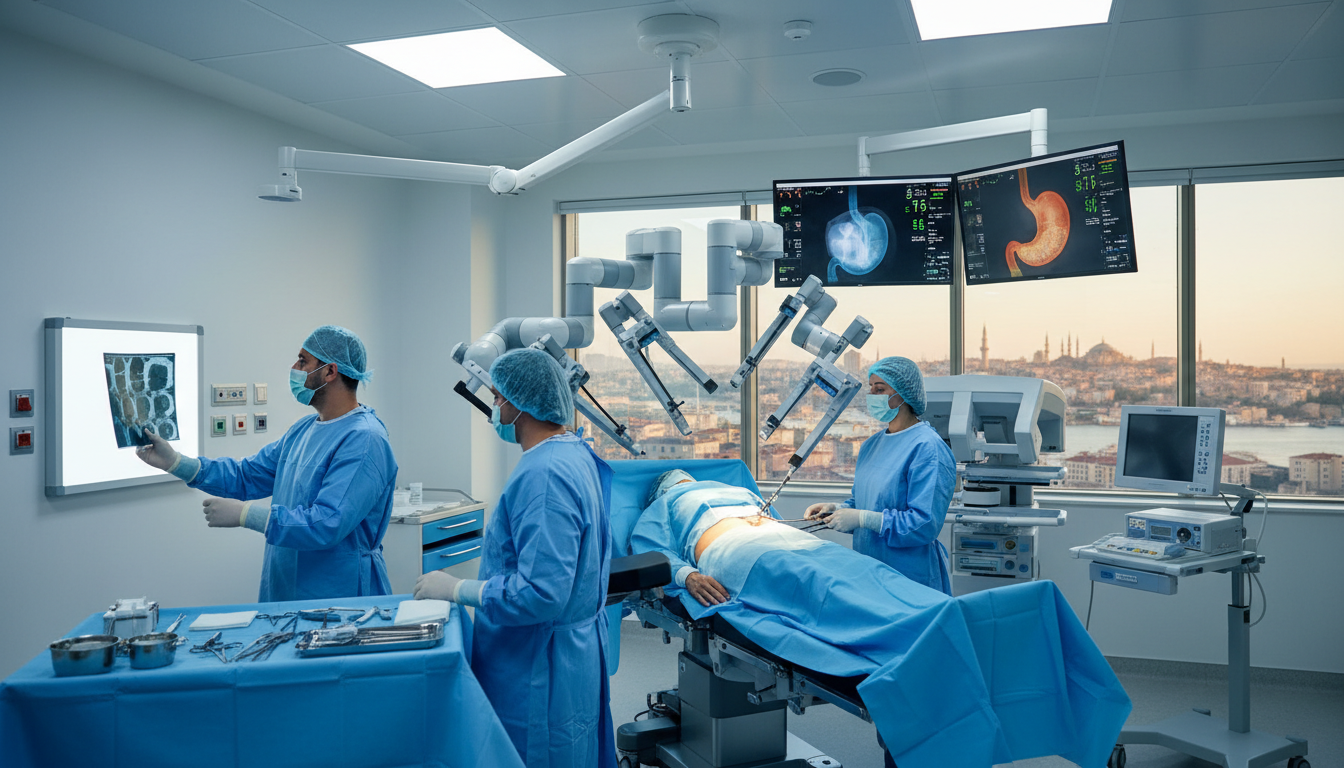
Curious which medical travel choice gives real value without cutting corners? Many U.S. patients compare domestic care with options abroad and ask if savings match safety. This guide explains the sleeve procedure, typical package structure, and essential recovery steps.
Gastric sleeve surgery often comes as an all-inclusive package priced between $3,200 and $4,500. These packages usually cover hospital fees, accommodation, and transfers, helping patients plan total costs with clarity.
Beyond price, the World Health Organization reminds readers that excess weight raises the risk of type 2 diabetes and heart disease. Choosing a qualified surgeon and verified clinic matters as much as the quoted price.
This short introduction sets the stage for a detailed look at prices, recovery timelines, and what patients should ask before booking sleeve surgery turkey. The goal: informed choices for safe, effective weight loss.
Key Takeaways
- All-inclusive gastric sleeve turkey packages commonly range from $3,200 to $4,500.
- Evaluate surgeon credentials and clinic quality, not just the sticker price.
- Packages often include hospital fees, stay, and transfers for smoother planning.
- Excess weight raises serious health risks—surgery is one of several tools.
- Understand recovery steps and long-term commitments before deciding.
Understanding the Appeal of Bariatric Surgery in Turkey
For people facing severe obesity, a surgical path can quickly change long-term health. The sleeve gastrectomy reduces stomach capacity by about 75–80%, which supports meaningful weight loss and better metabolic control.
Health Benefits of Weight Loss
The main gains include lower risk for type 2 diabetes, heart disease, stroke, high blood pressure, and sleep apnea. Patients often report improved mobility and mood after sustained weight reduction.
Why Patients Choose Turkey
Many people choose care abroad because experienced surgeons and modern clinics combine quality with lower costs. Medical tourism in Turkey has grown as hospitals meet international standards and offer personalized follow-up plans.
- Evidence-based results: Sleeve gastrectomy is proven to aid substantial loss when paired with lifestyle changes.
- Skilled teams: Surgeons in Turkey focus on safety and long-term outcomes.
- Accessible care: All-inclusive packages simplify planning for international patients.
| Benefit | Impact | Notes |
|---|---|---|
| Reduced stomach volume | ~75–80% less capacity | Limits food intake and appetite |
| Lower chronic risk | Decreased diabetes & heart disease risk | Improves long-term health markers |
| Clinical quality | High-standard hospitals and surgeons | International accreditation common |
| Patient experience | Improved mobility and confidence | Requires ongoing lifestyle commitment |
How Much is a Gastric Sleeve in Turkey?
Clear package details let patients compare true value across clinics and countries without surprises.
All-inclusive packages commonly range from $3,200 to $4,500. These offers usually bundle pre-op tests, surgeon fees, hospital stay and transfers so the final bill is easier to predict.
Most hospitals keep the typical stay to 2–3 nights. That lets the medical team monitor recovery before travel. Patients should confirm follow-up care and included diagnostics to avoid extra costs during recovery time.
Reputation matters: Dr. Feridun Gökçe has treated more than 8,000 patients with sleeve gastrectomy. Choosing a verified clinic and experienced surgeon reduces risk and improves outcomes.
| What’s included | Typical detail |
|---|---|
| Tests and consultations | Pre-op labs and imaging |
| Hospital and stay | 2–3 nights, nursing care |
| Extras | Transfers, accommodation, follow-up |
Lower prices often reflect reduced administrative costs, not lower clinical quality. Ask for a clear breakdown before booking any package.
Comparing Global Costs for Weight Loss Procedures
Costs for the same surgical option vary by country, and those gaps shape patient choices.
Price Disparities Between Countries
In the United States, gastric sleeve surgery typically falls between $9,000 and $27,000. Private care in the United Kingdom often ranges from £4,000 to £10,000.
These differences stem from labor expenses, facility overhead, and private insurance systems. Administrative fees and regional regulations also push prices higher in some countries.
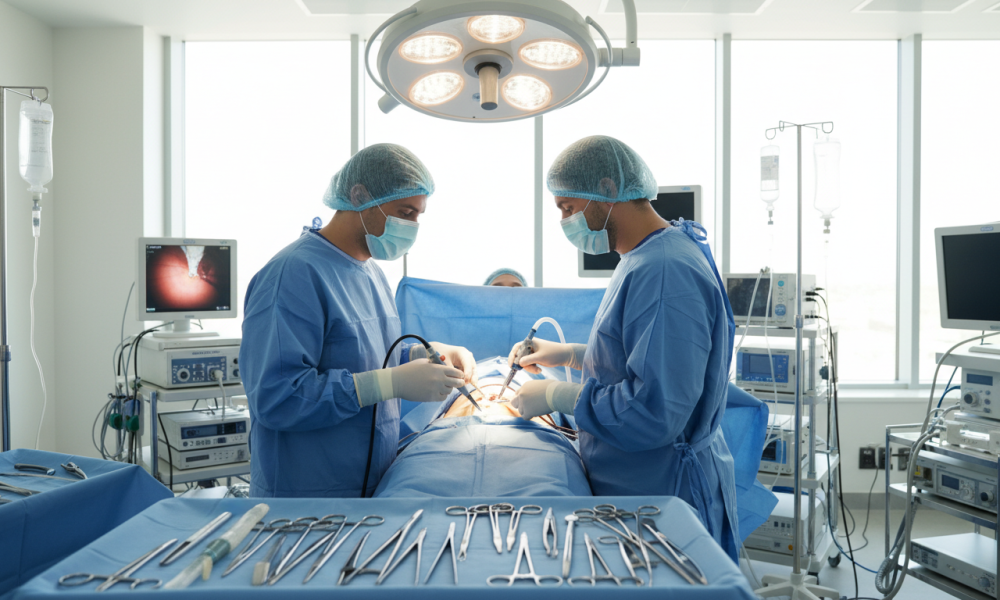
Patients should compare full packages rather than single-line quotes. Travel, post-op care, and diagnostics change the final bill.
“Price is important, but verified expertise and clear follow-up plans protect long-term health.”
- Compare included services, not just headline prices.
- Ask for surgeon credentials and read clinic reviews.
- Consider total costs — travel, stay, and follow-up — before deciding.
| Country | Typical Range | Notes |
|---|---|---|
| United States | $9,000–$27,000 | Higher labor and facility costs |
| United Kingdom | £4,000–£10,000 | Private fees may exclude support services |
| Alternative destinations | Lower total costs | Often include hotel and transfers |
What is Included in All-Inclusive Medical Packages
Bundled medical packages aim to cover essential services so recovery can begin without stress. These offerings let patients and families focus on healing, not logistics.
Medical Services
Most packages include surgeon fees, anesthesia, and operating room costs. Pre-operative blood tests and consultations are standard to confirm safety and tailor the plan.
Post-op monitoring usually includes a 2–3 night hospital stay with nursing care and standard diagnostics before discharge.
Accommodation and Transfers
Accommodation and airport-to-hospital transfers are commonly bundled. This reduces travel stress and helps patients rest during their initial recovery time.
Common Exclusions
Some items often fall outside the package: return flights, travel insurance, and long-term follow-up with local providers.
Patients should request an itemized list so they know what the package covers and what they must budget for separately.
| Included Service | Typical Detail | Why It Matters |
|---|---|---|
| Surgeon & OR | Surgeon fee, anesthesia, operating room | Ensures qualified team and safe procedure |
| Pre-op tests | Blood work, imaging, consultations | Confirms candidacy and tailors care |
| Hospital stay | 2–3 nights for monitoring | Reduces risk before travel home |
| Logistics | Hotel and transfers | Simplifies arrival and early recovery |
- Ask for an itemized package to avoid surprise costs.
- Confirm what follow-up is included and what requires local appointments.
- For eligibility details, visit the clinic page on candidate requirements.
Factors That Influence Your Total Surgical Investment
Several key choices — from surgical technique to pre-op testing — shape the final bill for this procedure.
Technology matters: robotic-assisted gastrectomy and other advanced methods often add to the price because of specialized equipment and operating time.
Patient complexity: existing health conditions or severe obesity can lengthen surgery time and require extra risk management, which raises costs.
Pre-op assessments — cardiac screens, endocrine tests, and imaging — help protect patients but add to the total. Discuss these with the surgical team ahead of booking.
Surgeon experience and track record influence fees, yet choosing skilled surgeons often improves long-term results and lowers complication risk.
- Ask whether the package covers labs, medication, and follow-up visits.
- Confirm if advanced techniques are optional or standard.
- Request an itemized quote so prices for the procedure and aftercare are clear.
Navigating the Medical Tourism Journey in Istanbul
Istanbul can turn an uncertain medical trip into a clear, calm plan. Over 1,800,000 patients visited the country for medical tourism in 2023, drawn by modern hospitals and strong healthcare networks.

Most clinics ask international patients to arrive 1–2 days before the procedure. This time lets the team complete consultations and pre-op tests and reduces stress on the day of surgery turkey.
All-inclusive packages commonly cover hospital stay and hotel accommodation so recovery begins comfortably. Coordinators handle transfers and translation, smoothing logistics and saving time.
Choose a reputable clinic for verified quality and clear post-op instructions. Many patients combine medical care with short sightseeing to rest and recover while enjoying Istanbul’s hospitality.
- Confirm your package details and included services before travel.
- Plan arrival and recovery time as recommended by your clinic.
- Keep contact info for the clinic and local coordinators handy.
| Benefit | Why it matters | Typical detail |
|---|---|---|
| Coordinated care | Fewer delays, better recovery | Transfers, translations, schedules |
| All-in-one package | Clear costs, less worry | Hospital, hotel, basic follow-up |
| Local infrastructure | International standards | Accredited hospitals and services |
Proper planning and a trusted clinic make the journey safer and more comfortable, giving the patient time to focus on recovery and results.
Recovery Timeline and Post-Operative Expectations
Recovery starts in the hospital where the team watches healing and controls pain. Most patients remain for 2–3 nights so nurses can monitor vitals, check wounds, and run any needed tests.
Initial Hospital Stay
During the first 48–72 hours, staff manage pain and fluids. Movement is encouraged early to lower the risk of clots.
Standard checks include blood work, imaging if needed, and wound assessments. The surgeon confirms readiness for discharge before release.
Returning to Daily Activities
After discharge, many patients rest in nearby lodging for 2–4 nights. Most are cleared to fly home around days 5–7 after the operation.
Desk work often resumes within 2–3 weeks. Physically demanding roles usually need 4–6 weeks before full return.
| Phase | Typical Time | Key Focus |
|---|---|---|
| Hospital stay | 2–3 nights | Pain control, monitoring, tests |
| Local recovery | 2–4 nights | Rest, light walking, hydration |
| Return to work | 2–6 weeks | Gradual activity, follow surgeon advice |
Follow-up care and diet steps are vital for lasting weight and health results. Patients should keep scheduled visits and contact their surgeon with any concerns.
Essential Aftercare and Long-Term Nutritional Support
After surgery, structured aftercare makes the difference between short-term change and lasting health gains.
First-year costs often run between £300 and £600 for supplements and routine blood tests. These expenses cover vitamins, common labs, and a few dietitian visits needed to monitor recovery and prevent deficiencies.
Lifelong supplementation is usually recommended after bariatric surgery to avoid iron, B12, vitamin D, and calcium shortfalls. Regular blood tests help the team adjust doses safely.
- Schedule periodic labs and nutrition counseling to protect overall health.
- Plan for ongoing costs in your home country for supplements and checks.
- Use virtual follow-ups if travel back to the clinic is impractical—many centers offer telemedicine.
Long-term success depends on continued dietary guidance, routine monitoring, and commitment to obesity management. Prioritizing aftercare preserves the investment in surgery and supports sustained weight loss.
Managing Potential Risks and Surgical Complications
Knowing which signs demand urgent attention can shorten recovery and limit extra costs. Every patient should understand common complications and how to get fast help.
Warning Signs Requiring Medical Attention
While gastric sleeve surgery is generally safe, risks include bleeding, infection, staple-line leaks, blood clots, and stricture.
- Seek immediate care for fever above 38°C (100.4°F), severe abdominal pain, or persistent nausea.
- Contact the surgical team if you cannot keep down liquids for 24 hours or notice heavy bleeding.
- Watch for sudden breathlessness or leg swelling—these can signal blood clots.
Choosing an experienced surgical team and following post-op instructions from the hospital reduces risk. Early detection limits complications and protects long-term health.
“Prompt communication with your surgeon and local medical support is critical to safe recovery.”
Practical notes: complications can raise total costs through extra imaging, medication, or longer hospital stays. Patients should have emergency contact info, understand follow-up schedules, and plan for local care at home.
Determining Your Eligibility for Bariatric Procedures
Not everyone qualifies for bariatric care; clear criteria protect safety and improve results. Clinics typically require a body mass index of 40 or higher, or 35–39.9 with serious obesity-related conditions such as type 2 diabetes.
Patients must show prior, unsuccessful weight-loss attempts and readiness to adopt permanent lifestyle changes. Psychological evaluation helps confirm mental preparedness and support needs.
Pre-operative testing usually includes cardiac screens, metabolic panels, and nutritional labs. Many Turkish clinics bundle these tests within the package, simplifying travel and planning for international patients.
Surgeons review each case on medical history, current medications, and potential risks. This case-by-case approach aims to maximize safety and long-term weight loss.
| Eligibility Item | Typical Requirement | Why it Matters |
|---|---|---|
| BMI | ≥40, or 35–39.9 with comorbidities | Defines candidacy and risk profile |
| Medical tests | Cardiac, metabolic, blood panels | Ensures safe anesthesia and recovery |
| Psychological review | Assessment of readiness | Supports long-term behavioral change |
| Prior efforts | Documented weight-loss attempts | Confirms surgery as appropriate next step |
Understanding these steps helps people prepare for consultation and clarifies what the clinic will evaluate. Meeting criteria gives patients confidence that the sleeve gastrectomy or other bariatric surgery is appropriate for their health goals.
Conclusion
Deciding to move forward with a surgical option means weighing costs, surgeon skill, and follow-up care.
Patients who choose this path can achieve meaningful weight loss and improved health when teams meet high standards and aftercare is followed.
Long-term success depends on commitment to lifestyle changes and routine monitoring to protect results and address obesity-related risks.
Use clear quotes and itemized offers to compare total costs and confirm included services before booking. Trustworthy clinics pair experienced surgeons with structured support for recovery.
Ultimately, informed choices empower people to pursue lasting improvement and better quality of life through professional care and ongoing follow-up.
FAQ
What is sleeve gastrectomy and how does it support weight loss?
Sleeve gastrectomy removes about 70–80% of the stomach, creating a narrow tube. This reduces food volume and lowers appetite-related hormones, helping patients eat less and lose weight over months. The procedure also improves metabolic health markers like blood sugar and blood pressure.
Why do many patients travel to Turkey for bariatric procedures?
Turkey combines experienced surgeons, modern clinics, and competitive prices. Many centers offer multi-disciplinary teams, English-speaking coordinators, and bundled packages that include tests, hospital stay, and transfers, making the journey smoother for international patients.
What typically affects the total price for sleeve surgery abroad?
Cost drivers include the surgeon’s experience, hospital accreditation, anesthesia fees, pre-op tests, implant or stapler costs, length of stay, and whether travel and accommodation are bundled. Complication management and follow-up services also influence final outlay.
What do all-inclusive medical packages usually cover?
Standard packages often include surgeon and operating room fees, anesthesia, preoperative tests, one to two nights in hospital, post-op medication, airport transfers, and sometimes a short hotel stay. Nutritional counseling or extended follow-up may be optional add-ons.
What common exclusions should patients watch for in package offers?
Watch for exclusions like additional imaging, unforeseen complications, extended hospital stays, specialist consultations, long-term nutritional supplements, or language interpretation beyond basic services. Clarify refund and complication policies before booking.
How do prices in Turkey compare with the U.S. or Europe?
Turkey often offers lower prices—sometimes 50–70% less—while maintaining accredited clinics and skilled teams. Differences stem from lower operating costs, currency exchange, and competitive medical tourism markets. Still, assess quality and outcomes, not only price.
What preoperative tests are commonly required?
Typical tests include blood panels, ECG, chest X-ray, abdominal ultrasound or endoscopy, and anesthesia assessment. Some clinics require psychological evaluation and dietary counseling to confirm readiness for surgery.
How long is the usual hospital stay after sleeve surgery?
Most patients stay 1–3 nights, depending on recovery and any complications. Many clinics discharge patients once pain is controlled, vitals are stable, and early mobilization and fluid intake are adequate.
What is the expected recovery timeline after returning home?
Initial recovery takes 2–4 weeks for light activity; full return to strenuous exercise often takes 6–8 weeks. Dietary stages progress from liquids to purees, then soft foods, and finally regular textured meals over several weeks under dietitian guidance.
What long-term aftercare is essential for lasting results?
Ongoing nutritional support, vitamin and mineral supplementation, regular follow-ups with a bariatric team, and behavioral counseling are critical. Patients should monitor weight, lab values, and adapt eating habits for sustained success.
What risks and complications should patients consider?
Risks include bleeding, leak at the staple line, infection, reflux, and nutritional deficiencies. Serious complications are uncommon but require prompt treatment. Choosing an accredited center with clear emergency protocols reduces risk.
Which symptoms require immediate medical attention after surgery?
Seek urgent care for fever, severe abdominal pain, rapid heart rate, persistent vomiting, difficulty breathing, or drainage from wounds. These may signal infection, leak, or other complications needing prompt intervention.
Who is an appropriate candidate for sleeve gastrectomy?
Candidates typically have a BMI ≥40, or BMI ≥35 with obesity-related conditions like type 2 diabetes, sleep apnea, or joint disease. A thorough medical and psychological evaluation determines individual suitability and readiness.
How should patients choose a surgeon and clinic abroad?
Look for board-certified bariatric surgeons, clinic accreditation (JCI or national), transparent outcome data, patient testimonials, and clear communication about follow-up care. Verify hospital facilities and emergency transfer plans.
What should international patients bring for travel and recovery?
Bring medical records, current medications, insurance and contact info for your bariatric team, compression stockings, easy clothing, and a plan for follow-up with a local provider. Confirm return-flight timing with your surgeon’s discharge plan.
Can weight regain happen after sleeve surgery and how is it managed?
Some weight regain can occur, often due to dietary lapses, lack of exercise, or hormonal factors. Management includes dietary reassessment, behavioral therapy, medical treatment, or consideration of revision procedures in selected cases.
Are virtual consultations available before traveling for surgery?
Yes—many clinics offer video consultations for medical review, informed consent discussion, and logistical planning. These sessions help set realistic expectations and allow patients to compare options before committing.
What patient protections should be confirmed before booking treatment overseas?
Confirm written cost breakdowns, complication policies, surgeon credentials, clinic accreditation, follow-up care, and cancellation/refund terms. Consider travel insurance that covers medical complications and international evacuation if needed.
Related guides
How Long Does a Dental Implant Procedure Take?
Curious if the journey to a restored smile will fit your life? Many patients wonder about the full…

Best Hair Transplant in Istanbul,Turkey
Could one clinic end years of worry and restore your confidence with a clear, tailored plan?Dr. Serkan Aygin…

What is Zygomatic Dental Implant?
Could anchoring into the cheekbone restore a confident smile when the upper jaw can’t?Zygomatic dental implants offer an…