

Could replacing a lost tooth restore more than your chewing power—could it bring back your confidence?
At Arsmiles Family & Cosmetic Dentistry in Fairlawn, OH, the team offers implant restorations that act as artificial roots anchored in the jawbone.
These restorations can last well over 25 years with proper care, giving patients a durable option instead of removable dentures.
The process begins with a thorough consultation to assess jawbone structure and individual needs. Specialists use modern technology to plan precise placement and improve healing and long-term stability.
Whether replacing one tooth or restoring a full mouth arch, the procedure aims to mimic natural teeth in look and function. Patients often regain comfort, enjoy favorite foods, and protect oral health.
Key Takeaways
- Arsmiles in Fairlawn, OH provides expert care and consultation for implant restorations.
- Implants act as artificial roots and support long-term jawbone health.
- With modern technology, precise placement improves comfort and stability.
- Restorations can last 25+ years with proper maintenance and follow-up care.
- Options range from single-tooth replacement to full arch restoration, improving function and confidence.
Understanding Custom Dental Implants: Tailored Solutions for a Perfect Smile
Dr. Paul Mikhli at the Ohio Implant Center crafts individualized plans that blend advanced imaging with proven surgical technique. This approach helps the dentist match each plan to a patient’s bone structure and long-term needs.
Understanding dental implants is the first step toward a long-term option for missing teeth. During consultation, clinicians explain how personalized treatment fits the mouth and restores function.
- Advanced technology guides precise placement and better outcomes.
- Various options in modern dentistry let patients choose what fits their lifestyle.
- Personalized treatment plans consider health, goals, and bite mechanics.
- Full mouth implants can restore 98% of normal function, improving chewing and speech.
| Aspect | Benefit | Notes |
|---|---|---|
| Planning | Exact implant placement | Uses 3D imaging and surgical guides |
| Function | Near-normal chewing | Restores up to 98% of normality |
| Patient Care | Personalized follow-up | Focus on comfort and long-term success |
Why Personalized Dental Restorations Matter
A robust jawbone provides the foundation needed for lasting tooth replacement. Proper planning preserves facial structure and supports long-term function.
The Importance of Jawbone Health
Dental implants stimulate new bone growth and help prevent the bone loss that follows tooth loss.
Maintaining bone preserves facial contours and keeps the underlying structure ready for future care.
Precision Fit for Comfort
A precise fit makes the restoration feel like natural teeth and boosts comfort when chewing and speaking.
- Maintaining jawbone health is critical; implants stimulate bone and preserve facial structure.
- A precision fit reduces irritation and supports long-term oral health.
- Plans address each patient’s needs so the implant integrates with existing bone.
- Personalized care prevents the discomfort tied to one-size-fits-all approaches.
Key Advantages of Choosing Implants for Tooth Loss
When tooth loss happens, selecting a stable implant-based replacement can protect bone and rebuild comfort.
Longevity and value: Dental implants last decades with routine care. That durability makes them a cost-effective solution compared with repeated denture adjustments and replacements.
Bone preservation: An implant stimulates the jaw and helps prevent the bone recession that follows missing teeth. This protects facial structure and reduces the sunken look tied to long-term loss.
Comfort and confidence: Unlike traditional dentures, implants provide firm stability. Patients report clearer speech, easier eating, and renewed confidence without messy adhesives.
- Permanent replacement that restores function and self-esteem.
- Stable support so you can eat and speak like natural teeth.
- Long-term benefits include jawbone health and fewer follow-up fixes.
Comparing Modern Implants to Traditional Dentures
Many patients find that removable prosthetics change how food tastes and feel less stable during daily use.
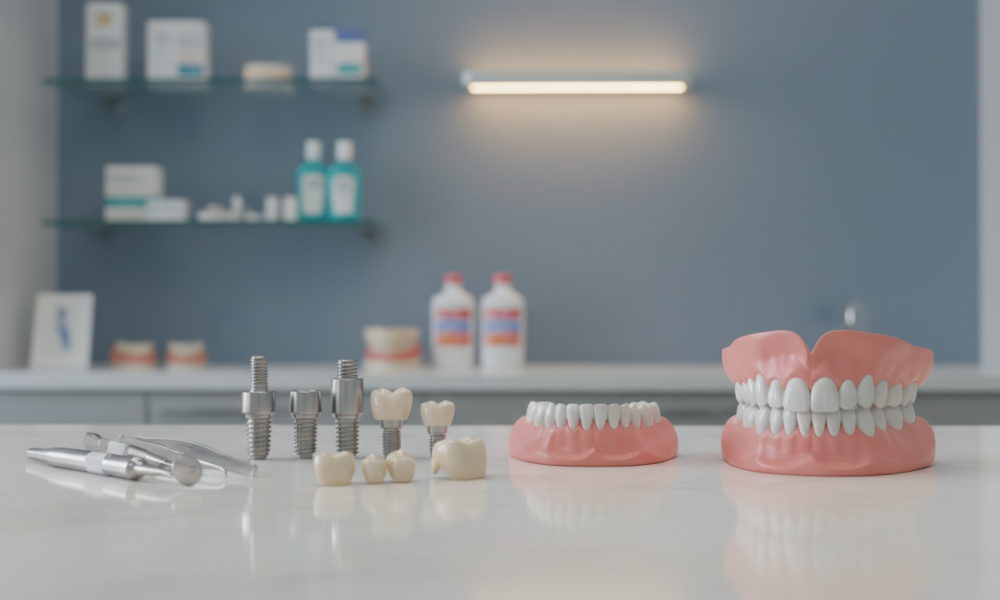
Traditional dentures can cover the roof of the mouth and cut taste by up to 75%. They also rely on adhesives and can slip during conversation or eating.
Why Traditional Options Fall Short
Longevity: Dentures typically last 5+ years before major adjustments. In contrast, full mouth dental implants are built to last decades and often function like natural teeth for many years.
Stability and bone health: Modern implants are secured into the jawbone, which helps prevent bone loss and preserves facial contours. That stability improves chewing and speech.
- Traditional dentures may reduce taste and require messy adhesives.
- Anchored implants prevent bone loss and offer long-term stability.
- Patients switching to implants often report better comfort and daily function.
Our dentist stresses that the right replacement option matters for oral health and facial structure. By comparing risks and benefits, most patients see that implants provide better long-term results for missing teeth and an improved smile.
The Role of Advanced Imaging in Treatment Planning
Modern 3D imaging gives clinicians a clear map of the jawbone, nearby nerves, and ideal placement angles before surgery.
During consultation, these scans let the team assess oral health and bone density. This step is vital for successful osseointegration, the process where the implant fuses with bone.
Patients can see a simulated outcome and understand the healing timeline. That transparency reduces anxiety and helps with informed decisions about treatment and cost, including options like dental implant cost in Turkey.
- Precise placement: Imaging minimizes risks during surgery and improves long-term function of teeth.
- Better planning: The team tailors placement to support healing and jawbone health.
- Predictable results: Technology shortens the process and boosts success for each patient.
| Step | What it shows | Benefit |
|---|---|---|
| 3D scan | Bone volume and nerve location | Safer surgical placement |
| Digital treatment plan | Exact implant position | Improved healing and function |
| Follow-up imaging | Osseointegration progress | Confirms long-term success |
Exploring Our Specialized All-on-Four and All-on-Six Protocols
Using only four or six implants, these protocols rebuild an entire arch while minimizing surgical impact. Patients gain a strong base for new teeth with fewer fixtures and less invasive bone work.
Minimally Invasive Techniques
Minimally invasive methods reduce time under treatment. The team plans each step with modern technology to limit surgical exposure and protect soft tissue.
Angled Placement for Stability
Angled placement maximizes available bone and avoids grafting in many cases. This approach improves long-term stability and lets the arch bear chewing forces more naturally.
Faster Recovery Times
Patients often experience shorter recovery and quicker return to normal eating. That leads to faster confidence gains and better daily comfort.
- Efficiency: Four or six implants support a full mouth arch effectively.
- Comfort: Personalized treatment prioritizes patient comfort from placement to final restoration.
- Function: Restorations created with advanced technology mimic natural teeth performance.
| Protocol | Implants Used | Key Benefit |
|---|---|---|
| All-on-4 | 4 | Less grafting, faster timeline |
| All-on-6 | 6 | Extra support for dense chewing |
| Outcome | Full arch | Improved stability and confidence |
What to Expect During Your Surgical Procedure
A clear treatment plan helps the team complete implant placement with steady speed and care.
The day is organized to reduce anxiety and keep the process efficient.
Before surgery, a consultation confirms the plan and answers questions. Staff review sedation, timing, and recovery steps so the patient feels prepared.
“The procedure was painless and quick — I was surprised it was done in under an hour.”
During surgery, the team follows the treatment map to ensure precise placement of the implant. Many patients report minimal discomfort and brief recovery.
Whether replacing one tooth or rebuilding an entire arch, the staff aims to make your day smooth and focused on comfort.
| Stage | What Happens | Benefit |
|---|---|---|
| Consultation | Review plan and sedation | Confidence and clarity |
| Surgery | Implant placement (often | Fast, focused procedure |
| Post-op | Care instructions and follow-up | Support for long-term success |
Essential Tips for a Smooth Healing Process
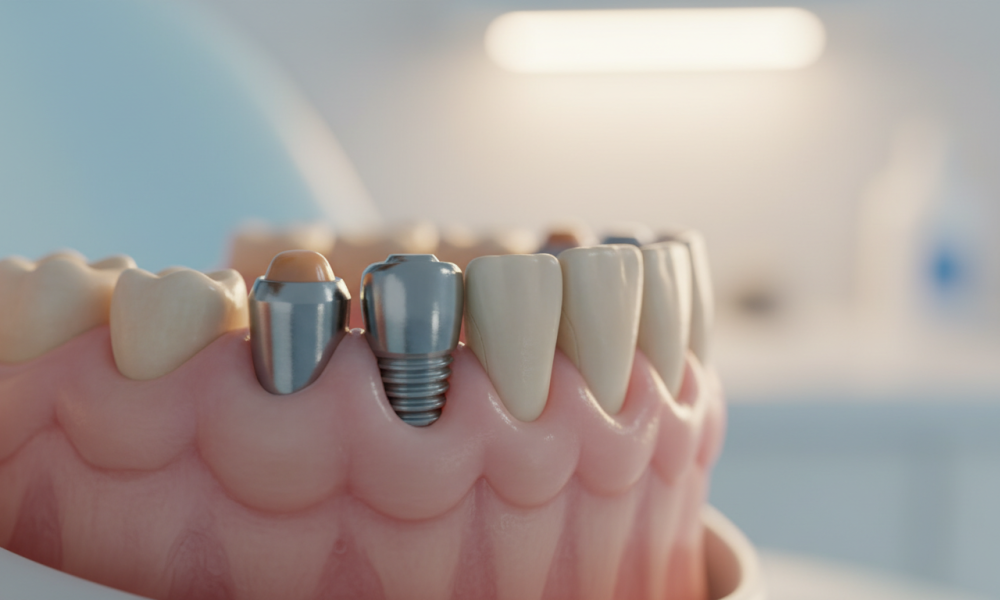
Simple habits in the days after your procedure can speed healing and reduce discomfort. Follow instructions closely and ask questions if anything is unclear. That attention helps the body accept the new restoration and lowers complications.
Managing Post-Surgical Discomfort
Follow aftercare directions. Take prescribed medications exactly as recommended to control pain and swelling. Do not skip doses unless the team tells you to.
Keep the surgical area clean to prevent infection. Use gentle rinses and avoid vigorous spitting while tissues heal.
- Avoid hard or chewy foods during the first weeks to protect new teeth and the implant site.
- Ice packs and rest in the first 24–48 hours help limit swelling.
- Attend scheduled follow-up visits so the team can monitor progress and adjust care if needed.
| Focus | Action | Why it matters |
|---|---|---|
| Pain control | Take meds as directed | Reduces inflammation and improves comfort |
| Oral hygiene | Gentle rinses; avoid brushing near the site initially | Prevents infection and supports tissue integration |
| Diet | Soft foods, avoid crunch and chew | Protects stability during early healing |
| Follow-up | Keep scheduled visits | Ensures long-term success of the dental implant |
“With proper care and attention, most patients report a comfortable recovery and lasting results.”
Long-Term Care Guidelines for Your New Smile
Long-term success begins with small daily habits. Simple at-home routines and routine visits help protect your dental implants and overall health.
Maintain regular brushing and flossing to keep surrounding teeth and tissues healthy. Schedule routine check-ups so clinicians can track the condition of implants and catch issues early.
Avoid habits such as grinding or clenching. These actions place extra force on the implant and can threaten stability over the years.
- Daily hygiene: Brush gently and floss near the restoration to reduce plaque buildup.
- Professional exams: Routine visits confirm stable healing and steady integration.
- Protective habits: Use a night guard if grinding is a concern.
| Focus | Action | Benefit |
|---|---|---|
| Aftercare | Follow instructions during healing | Supports long-term success |
| Monitoring | Regular check-ups | Detects wear or stress |
| Maintenance | Consistent hygiene | Protects your smile |
“With steady care and timely visits, most patients enjoy strong function and confidence.”
How to Select the Right Dental Implant Specialist
A careful search for experience, credentials, and patient outcomes leads to better long-term results. Look for a dentist who focuses on implant dentistry and keeps current with technology.
Start with a consultation. Many clinics offer a free consultation to review your needs, show imaging, and explain the full treatment process. That meeting shows how the team communicates and plans placement.
Ask about bone grafting and advanced techniques. A qualified specialist will describe options for stable placement and how they protect your oral health over time.
- Check experience replacing missing teeth and full mouth restorations.
- Read patient reviews for insight into care and results.
- Confirm the clinic uses modern imaging and proven procedures.
Choose a provider who prioritizes clear steps and long-term health. By researching options and asking the right questions, patients find a trusted partner for their implant treatment.
“A thoughtful consultation can reveal whether a practice is right for your needs.”
Aesthetic Benefits of Custom-Crafted Restorations
Precision-crafted restorations recreate natural contours so a patient can smile without hesitation. These restorations are designed to match the size, shape, and color of your existing teeth. The result is a near-seamless transition that mimics real teeth and improves facial balance.
The visual gains are immediate. When new crowns align with surrounding enamel, the whole smile looks consistent. That harmony boosts confidence and social ease.
Beyond looks, these restorations improve function. Properly matched pieces allow patients to speak and eat with comfort and stability similar to natural teeth.
- Natural fit: Materials and shades are chosen to blend with existing teeth.
- Seamless transition: Replacements sit comfortably and look real, unlike many dentures.
- Reliable results: Precision planning helps the implant integrate and deliver lasting function.
“Patients often say their new teeth feel and look like they never lost a tooth.”
Determining Your Eligibility for Implant Treatment
Before any procedure, clinicians check overall health and the jaw’s readiness to support new teeth.
Eligibility starts with a thorough consultation. The dentist evaluates gum health, jawbone volume, and medical history to see if implant treatment is safe and likely to succeed.
Patients with missing teeth who are in good general health are often strong candidates. The team will discuss whether a single tooth implant or a full mouth arch replacement is the best option.
Even when bone loss exists, modern techniques such as bone grafting can rebuild support so implants provide a lasting replacement.
- Assess mouth and medical factors that affect healing and long-term success.
- Match the right implant option to the patient’s needs and lifestyle.
- Explain risks, timelines, and care so the patient can decide with confidence.
Choosing this treatment is a proactive step toward restoring oral health and regaining a natural-feeling smile. A clear consultation helps patients understand their options and move forward with care that fits their needs.
“A focused exam and honest plan make the best pathway to lasting results.”
Conclusion
Choosing a durable tooth replacement can change daily life and restore confidence.
The dedicated team supports patients from the first consultation through final placement. This steady care helps each person enjoy better function and comfort with their new tooth.
With careful planning and an experienced dentist, results can last for many years and protect jaw health while restoring normal eating and speech. A single dental implant can offer stable support that feels natural.
To begin, schedule a visit to discuss goals and options. The clinic will answer questions and outline realistic timelines so you can move forward with confidence.
FAQ
What are implant restorations and who is a good candidate?
Implant restorations replace missing teeth with titanium posts anchored in the jawbone and topped with crowns, bridges, or prosthetic arches. Good candidates are adults with healthy gums, adequate bone volume or who are willing to undergo grafting, and no uncontrolled medical conditions. A consultation with a dentist or oral surgeon clarifies candidacy based on medical history, oral health, and treatment goals.
How does jawbone health affect treatment and stability?
The jawbone provides the foundation for implant posts. Strong bone supports osseointegration—the fusion of implant and bone—ensuring long-term stability. When bone is thin or resorbed, bone grafting or sinus lifts can rebuild structure. Advanced imaging helps the team assess bone quantity and plan placement to maximize success.
What is the typical process from consultation to final restoration?
The process begins with an exam, 3D imaging, and treatment planning. Surgery places implants into the jaw, followed by a healing period for osseointegration that can last several weeks to months. After healing, abutments and final prosthetics are fitted. Some protocols allow immediate temporaries so patients leave with functional teeth the same day.
Are all-on-four and all-on-six options right for full-arch replacement?
All-on-four and all-on-six use strategically placed implants to support a full-arch prosthesis. They suit patients missing many or all teeth who want a fixed, stable restoration. Which protocol fits best depends on bone volume, bite dynamics, and aesthetic needs. The team evaluates each case and recommends the optimal approach.
How do advanced imaging and guided surgery improve outcomes?
Cone beam CT and digital planning create precise maps of the jaw and nerve locations. Guided surgical guides translate the plan to the mouth, allowing accurate angulation and depth control. This precision reduces surgical time, minimizes risk, and improves prosthetic fit and long-term function.
What are the main benefits compared with traditional dentures?
Implant-supported restorations deliver greater chewing stability, preserve bone, and feel more like natural teeth. They reduce slipping, improve speech, and boost confidence. Unlike removable dentures, fixed implants protect facial structure and often require fewer long-term adjustments.
How long does recovery take and what can patients expect after surgery?
Recovery varies by procedure. Mild swelling and discomfort are common for a few days and manageable with prescribed pain control and cold packs. Most people return to normal activity within a week, while full osseointegration may take several months. Follow-up visits ensure healing and successful integration.
What post-operative care helps ensure smooth healing?
Follow the surgeon’s instructions: rest, avoid smoking, eat soft foods, and maintain gentle oral hygiene. Take medications as directed and attend all follow-ups. Managing swelling and keeping the surgical site clean reduce infection risk and support faster recovery.
How durable are implant restorations and what maintenance is required?
With proper care, implant posts can last decades; crowns or prosthetics typically last 10–15 years before repair or replacement may be needed. Daily brushing, flossing, regular dental check-ups, and professional cleanings preserve gum health and prosthetic longevity.
Is the placement surgery painful and are there anesthesia options?
Providers use local anesthesia, sedation, or general anesthesia depending on case complexity and patient comfort. Most patients feel little to no pain during the procedure. Post-operative discomfort is common but usually manageable with prescribed or over-the-counter pain relief.
Can people who had head and neck cancer or radiation still get implants?
Many cancer survivors can receive implants, but prior radiation or treatment can affect healing and bone quality. A multidisciplinary evaluation with the oncology team and a surgeon experienced in post-cancer oral reconstruction is essential to assess risks and plan safe care.
What options exist when bone volume is insufficient?
Bone grafting, ridge augmentation, and sinus lift procedures restore volume for implant support. Short or angled implants and zygomatic implants are alternative approaches in select cases. Advanced planning helps identify the least invasive, most effective option for each patient.
How are aesthetics customized to match natural teeth?
Technicians use shade matching, digital design, and careful porcelain layering to mimic shape, color, and translucency of natural teeth. Communication between the dentist, lab, and patient ensures the final restoration meets functional and cosmetic expectations.
What should patients look for when choosing a specialist?
Choose a team with proven implant experience, credentials in oral surgery or prosthodontics, and positive patient outcomes. Look for practices that use digital imaging, offer clear treatment plans, and provide multidisciplinary care when needed. A supportive, communicative team helps patients feel confident throughout treatment.
How much do implant treatments typically cost and are there financing options?
Costs vary with the number of implants, need for grafting, and prosthetic type. Many practices offer financing, payment plans, or work with medical lenders. Insurance may cover part of the restorative work. A consultation provides an itemized estimate and financing options tailored to the patient’s needs.
Related guides
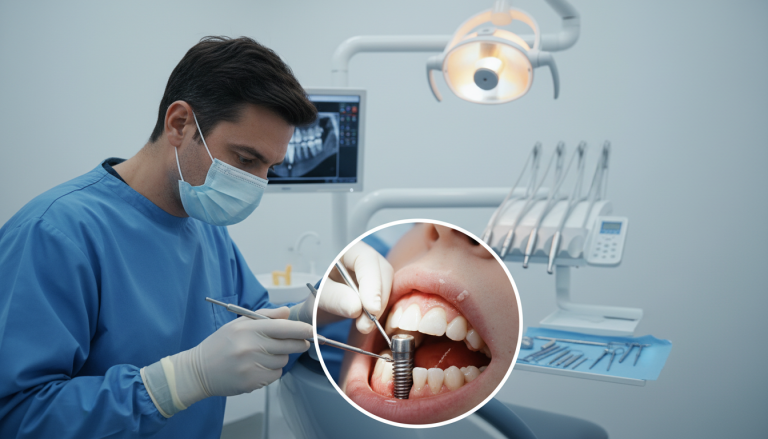
How Long Does a Dental Implant Procedure Take?
Curious if the journey to a restored smile will fit your life? Many patients wonder about the full…

Best Hair Transplant in Istanbul,Turkey
Could one clinic end years of worry and restore your confidence with a clear, tailored plan?Dr. Serkan Aygin…
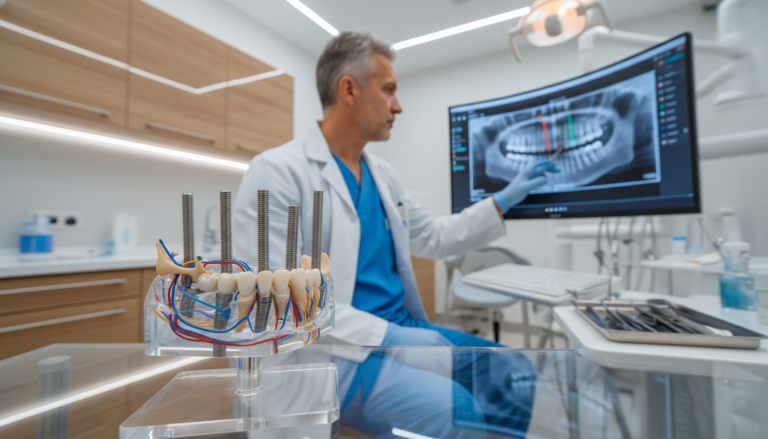
What is Zygomatic Dental Implant?
Could anchoring into the cheekbone restore a confident smile when the upper jaw can’t?Zygomatic dental implants offer an…