

Could one facial feature change how the world reads a person’s health, confidence, and age? The shape of the lower face often does just that — and few examples are as talked about as the iconic contour many admire in celebrities.
The Brad Pitt Jawline Definition set a modern benchmark for a sharp, balanced look. It shows how a well-formed jaw can lift facial symmetry and influence overall appearance.
Today, achieving a chiseled jawline is not only for stars. Advances in aesthetic care help people refine their chin and surrounding structures. Understanding your face anatomy is the first step toward a result that suits your goals.
In this guide, readers will find clear options — from subtle tweaks to more dramatic changes — explained with compassion and medical clarity… so they can choose what fits their life and health.
Key Takeaways
- The iconic jawline is a global reference for male facial balance.
- Improving the jawline can enhance symmetry and boost confidence.
- Modern procedures offer scalable ways to refine the chin and lower face.
- Knowing facial anatomy helps tailor safe, natural-looking results.
- The right approach blends medical insight with personal goals.
Understanding the Anatomy of the Brad Pitt Jawline Definition
Strong lower-face contours come from a precise mix of bone, muscle, and proportion. This blend explains why certain jawlines draw attention and why replicating them can be challenging for many people.
The Importance of Bone Structure
Bone provides the frame that shapes the lower face. The mandible and chin set the angles that soft tissue follows.
Genetics largely determine how prominent these bones appear. A well-formed bone structure makes a strong jawline possible without invasive work.
Symmetry and Proportions
Balanced proportions create visual harmony. Symmetry between the left and right sides helps the chin and jaw sit naturally with the rest of the face.
- The masseter and surrounding muscles add width and definition.
- A properly sized chin preserves lower-face balance and improves appearance.
- Studying iconic jawlines shows how bone, muscles, and symmetry come together.
Understanding these biological factors helps set realistic expectations for men seeking changes. It frames choices so results look natural and fit each person’s unique structure.
Natural Methods for Enhancing Facial Muscle Tone
A gentle program of facial workouts helps reinforce the muscles under the skin. These methods aim to improve tone without surgery, focusing on muscle, skin, and overall health.

Targeted Facial Exercises
There are more than 40 facial muscles that can be trained to support the lower face. Simple moves target areas around the chin, cheeks, and neck.
- Fish face: Suck in the cheeks and hold for 10 seconds to engage cheek and lip muscles.
- Vowel blaster: Exaggerate vowel sounds to work the muscles around the mouth and jaw.
- Masseter clench: Light, repeated clenching can strengthen the jaw muscles and help contour the lower face.
Resistance Training for the Jaw
Adding resistance speeds progress. Resisted chin drops or gentle presses beneath the chin load the muscles and improve firmness.
“Consistency and correct form are more important than intensity when training facial muscles.”
Consistency and Results
Daily practice is essential. Small, regular sessions over weeks produce the best results and help counter signs of aging.
- Maintain a balanced diet to reduce facial fat so muscle tone shows.
- Remember: exercises won’t change bone structure, but they can keep skin firmer and reduce sagging.
- Track progress with photos. Visible results often appear after 6–12 weeks of steady effort.
Lifestyle Adjustments to Reduce Facial Fat
Small, steady changes in daily habits often reveal the natural contours of the lower face. Reducing overall body fat helps the chin and cheekbones appear more defined. This makes the jawline more noticeable without invasive steps.
Simple habits can make a measurable difference. A balanced diet lowers stored fat across the body and the face. Drinking water and choosing nutrient-dense foods supports skin elasticity and helps the neck feel firmer.
- Maintain a healthy diet to reduce total fat and reveal natural bones.
- Stay hydrated and eat foods rich in protein and vitamins to support skin and connective tissue.
- Combine cardio with targeted exercises to tone the lower face and muscles.
- Lower overall body weight to reduce fullness around the chin and neck.
Be consistent. Small daily changes, sustained over weeks, reduce a double chin and enhance the jawline. Results align with steady habits more than quick fixes.
Non-Surgical Cosmetic Procedures for Jawline Contouring
Less invasive options can lift, contour, and slim the lower face while keeping results natural.
Dermal fillers and injectables add volume to the chin and jaw in a targeted way. Fillers can create a chiseled jawline look similar to celebs like brad pitt, when used sparingly.
Masseter Botox relaxes chewing muscles to slim a square jaw. This approach reshapes the jaw without surgery and suits people seeking subtle change.
Skin tightening technologies use energy—like ultrasound—to lift the skin along the neck and jaw. Ultherapy is a common option that firms tissue and improves overall appearance.
“Minimally invasive treatments offer natural-looking results with minimal downtime.”
- International Plus, established in 2014, brings over a decade of cosmetic experience.
- Consultations assess face structure to choose the best way to reach goals.
- These procedures balance quick recovery with lasting, subtle results.
| Procedure | Target | Downtime | Typical Results |
|---|---|---|---|
| Dermal fillers | Chin & lower jaw | Minimal (1–3 days) | Immediate contour, 6–18 months |
| Masseter Botox | Chewing muscles | Minimal (few days) | Slimmer jaw over 4–12 weeks |
| Ultherapy | Skin along jaw & neck | Minimal (1–7 days) | Gradual lift, up to 12 months |
Surgical Options for Permanent Jawline Reshaping
For significant, long-term changes to the chin and jaw, surgery remains the most reliable option. Surgical choices offer permanent contour for people seeking a more dramatic jawline or chin profile.
Common procedures include chin implants and mandibular reshaping. Orthognathic surgery, such as a Bilateral Sagittal Split Osteotomy (BSSO), advances the jaw to correct skeletal deformities that non-surgical care cannot fix.
A careful preoperative plan maps how bone and soft tissue will sit with the skin and neck. Surgeons assess bite and teeth alignment to ensure function improves along with aesthetics.
“Surgery provides a definitive solution for patients who desire a stronger, more prominent lower-face profile.”
- Permanent contour is possible with implants or bone reshaping.
- BSSO treats skeletal issues and repositions the jaw for lasting results.
- Thorough planning ensures the new structure complements the face and neck.
Recovery takes longer than injectables, and risks exist—so patients should discuss benefits, timelines, and alternatives with a qualified surgeon before deciding.
The Role of Genetics and Aging in Facial Structure
Your genes create a baseline—one that aging then reshapes. Genetics set the mandibular angle, chin prominence, and the depth of the prejowl sulcus. These inherited traits guide how the lower face looks long term.
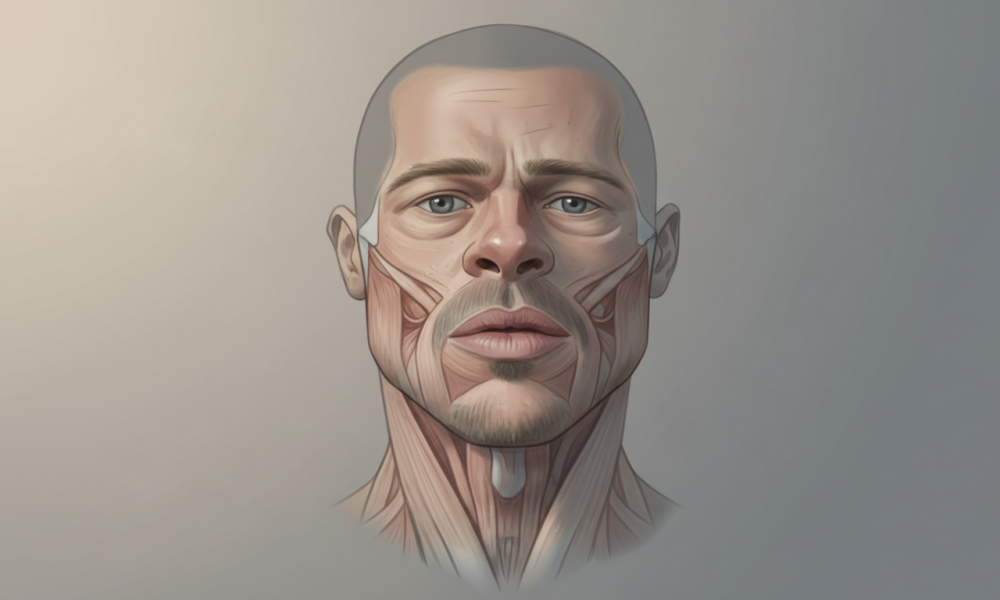
How Aging Affects Mandibular Shape
With time, the body loses collagen and bone density. This changes the jaw’s bony support and the position of the skin.
Muscles can lose tone, which makes jowls and a softer jawline more likely. Fat shifts in the cheeks and neck also alter lower-face fullness.
“Understanding bone and fat changes helps patients choose treatments that suit their goals.”
Genetics determine the starting structure—but lifestyle and the aging process influence the final appearance. Iconic looks, such as those of brad pitt and angelina jolie, combine favorable genes with balanced proportions.
- Collagen loss and reduced bone volume change jaw position.
- Muscle tone affects contour; exercises may help but won’t change bone.
- Knowing how fat and skin move guides realistic treatment choices.
Managing Risks and Recovery Expectations
Healing from facial procedures is a stepwise process that affects skin, muscle, and bone differently. Patients should expect bruising and swelling as normal responses after work on the jaw and neck.
Common short-term risks include bruising, swelling, and mild pain. In rare cases, infection can occur at an injection or incision site.
Managing expectations is crucial. Recovery from surgical reshaping takes longer than non-surgical treatments like fillers or Botox.
- Bruising and swelling usually peak in the first week and subside over 2–4 weeks.
- Follow a healthy diet and avoid heavy exercise to support healing and final results.
- Facial exercises can help maintain muscle tone but are not a substitute for medical advice during recovery.
Monitor the position of the jaw and the condition of the skin and neck as swelling falls. Watch for changes in teeth or bite.
If unusual pain, fever, or changes in bite occur, contact the surgeon promptly for evaluation. Early action can prevent complications and protect long-term appearance.
“Clear expectations and careful aftercare help patients reach the best possible results.”
| Issue | Typical Timeline | When to Contact a Surgeon |
|---|---|---|
| Bruising & swelling | Peak 48–72 hrs, improve over 2–4 weeks | Excessive swelling after day 7 or spreading redness |
| Pain & discomfort | Most intense first 3–5 days, then tapers | Severe or increasing pain despite medication |
| Infection risk | Possible within 1–2 weeks post-procedure | Fever, drainage, or foul odor at the site |
For context on public perception and cosmetic choices, consider this discussion on surgical trends and image: how public figures influence decisions.
Conclusion
Combining smart lifestyle choices with expert care produces dependable results.
Achieving a strong jawline is a journey that mixes bone structure, healthy habits, and targeted options. Small steps add up and help people see steady change.
Iconic faces such as brad pitt and angelina jolie inspire many, but outcomes should reflect individual goals and anatomy. Not every method fits every person.
Whether choosing natural facial exercises or a medical procedure, consistency matters. Daily exercises and steady diet changes support long-term improvement.
Prioritize health and seek qualified advice when considering work on the jaw. A clear plan protects function and helps reach the best, natural-looking definition.
Ultimately, the best result is one that boosts confidence and feels right while you age. Consult specialists, set realistic goals, and stay consistent for lasting gains.
FAQ
What gives a person a chiseled jaw and how important is bone structure?
Bone structure plays the primary role in a strong lower face. A prominent mandible and well-defined chin create the foundation for a sculpted jawline. Muscles and skin sit on that bony frame, so while exercises and weight loss can improve appearance, underlying bone shape largely determines how pronounced the jaw looks.
Can facial exercises realistically change jawline shape?
Targeted facial exercises can strengthen jaw and neck muscles, improve tone, and reduce sagging in some people. They tend to produce subtle improvements when done consistently over months. Exercises won’t change bone anatomy or dramatically alter a naturally round lower face, but they can enhance muscle definition and support skin firmness.
What lifestyle adjustments help reduce facial fullness?
Reducing overall body fat through balanced diet, regular cardio, and strength training often reduces facial fat. Hydration, adequate sleep, and limiting alcohol and sodium also help decrease bloating and puffiness. These changes can make the jawline appear slimmer and more defined.
How do dermal fillers and injectables work for jawline contouring?
Fillers add volume and reshape the lower face by augmenting the chin or jaw angle, creating sharper contours. Neuromodulators like botulinum toxin can relax certain muscles to slim the jaw in cases of masseter hypertrophy. Results are temporary, typically lasting months to a couple of years depending on the product and treatment area.
Are non-surgical skin tightening treatments effective?
Devices that use radiofrequency, ultrasound, or laser energy can stimulate collagen and tighten skin, improving jawline definition for mild-to-moderate sagging. Multiple sessions are usually required, and outcomes vary by skin laxity and practitioner skill.
When is surgery considered for permanent jawline reshaping?
Surgical options such as genioplasty (chin surgery), mandibular implants, or jaw reduction offer permanent changes to bone and soft tissue. Surgery is considered when non-surgical methods can’t achieve desired structural changes or when a lasting, dramatic result is needed. Consult a board-certified plastic or maxillofacial surgeon to discuss risks and benefits.
How do genetics and aging affect mandibular shape over time?
Genetics determine baseline bone shape, chin projection, and fat distribution. Aging leads to bone resorption, collagen loss, and soft tissue descent, which can soften jawline contours. Together, these factors influence how a jawline changes with time.
What are common risks and recovery expectations for jawline procedures?
Non-surgical treatments carry low risk but can cause temporary swelling, bruising, or asymmetry. Surgical procedures involve anesthesia risks, infection, nerve injury, and longer recovery with swelling that may take weeks to months to resolve. A qualified specialist will explain individualized risks, downtime, and aftercare.
How long before I see results from lifestyle or non-surgical changes?
Diet and exercise may show facial slimming within weeks to months as body fat decreases. Facial exercises and skin-tightening treatments typically require consistent effort and multiple sessions; expect gradual improvement over several months. Fillers and injectables often show immediate changes with some settling over two weeks.
Can neck exercises or posture affect how the jawline looks?
Yes. Strengthening neck muscles and improving posture can lift and support lower-face tissues, reducing the appearance of a double chin and improving the jawline’s profile. Simple posture corrections and targeted neck work can complement other approaches.
How do dentists or dental position and teeth affect jawline appearance?
Dental occlusion and tooth position influence jaw posture and facial balance. Orthodontic treatment or restorative dentistry can change lower-face proportions subtly by altering bite and chin projection, which may affect perceived jawline definition.
Is it possible to reduce a genetically large jaw without surgery?
In cases of masseter muscle enlargement, botulinum toxin injections can reduce muscle bulk and slim the lower face non-surgically. However, when the jaw appears large due to bone structure, non-surgical options have limited effect; surgery may be the only way to alter skeletal width.
Related guides
How Long Does a Dental Implant Procedure Take?
Curious if the journey to a restored smile will fit your life? Many patients wonder about the full…

Best Hair Transplant in Istanbul,Turkey
Could one clinic end years of worry and restore your confidence with a clear, tailored plan?Dr. Serkan Aygin…

What is Zygomatic Dental Implant?
Could anchoring into the cheekbone restore a confident smile when the upper jaw can’t?Zygomatic dental implants offer an…