

Can a few smart makeup moves really reshape how your face reads on camera? Many fans ask this after watching red carpet photos and tutorial clips. The answer lies in simple rules that blend light, shadow, and hair choices.
This section explains how makeup can define cheekbones without surgery or fillers. An expert approach focuses on placement and product, not drastic change. That makes the style accessible for everyday wear and special events.
People often look to celebrities for cues. This guide balances admiration with practical steps, showing how to use contour, highlighter, and the right brushes. It also touches on how non-invasive options like botox or fillers may complement makeup when chosen with care.
Key Takeaways
- Makeup is the first and most flexible tool for defining cheek structure.
- Light and shadow placement matters more than product brand.
- Simple contour techniques can mimic high, sculpted cheekbones.
- Non-surgical options may complement makeup—but they are optional.
- Red carpet looks can inspire realistic, daily routines.
Understanding the Appeal of Angelina Jolie Cheekbone Contouring Secrets to Achieving Her Iconic Look
A single photo can spark endless analysis of how facial structure, lighting, and makeup combine.
Her cheekbones are largely natural, yet artists often use shading and highlight to emphasize them for big events. That mix of genetics and styling creates a look many admire.
Fans study red carpet shots to see how light sculpts each angle. Makeup teams pick products that enhance shadow and lift the face in photographs. This approach keeps the appearance timeless and wearable.
Makeup remains the most common path for achieving defined contours without surgery. Professionals can make subtle changes that read as natural on camera.
The global fascination with jolie beauty shows how one set of features can shape beauty standards. For more on how celebrities balance makeup and procedures, read this celebrity plastic surgery rumors.
- Natural structure plus expert styling equals an enduring aesthetic.
- Makeup, not always surgery, is the first tool people use to refine features.
Analyzing the Natural Facial Structure Behind the Icon
An individual’s bone structure provides the blueprint that makeup or procedures can enhance, not replace.
The natural features of a well-defined face often need only subtle work to read as sculpted on camera. Genetics largely determine the prominence of cheekbones and how they change with age.
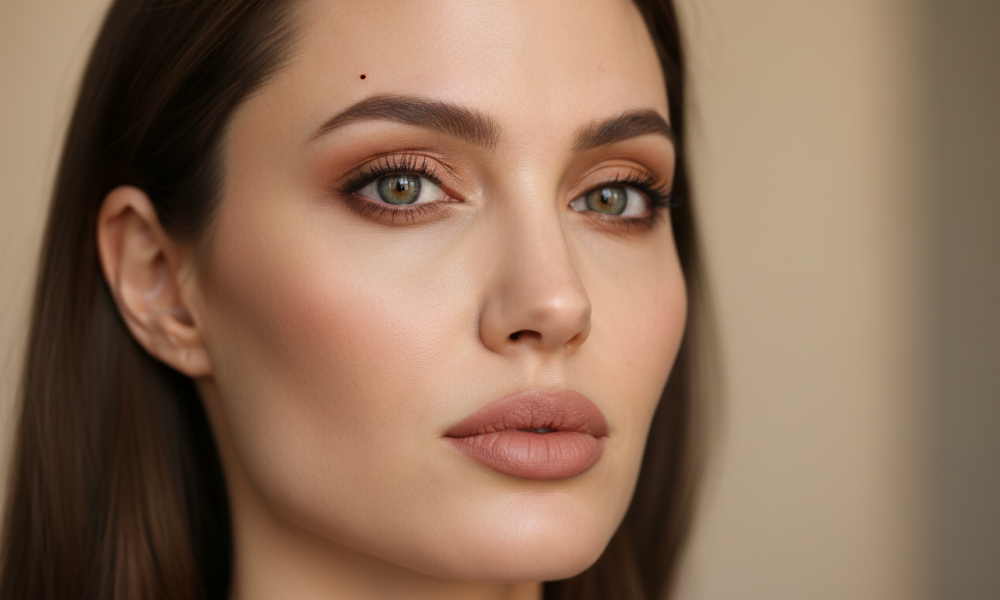
The Influence of Genetics and Aging
Angelina jolie is often studied because her facial framework shows how a strong structure endures over time.
There is no public proof of major surgery altering her bone structure. Many speculate about fillers, yet the evidence is inconclusive.
- Natural features form the base; makeup and technique refine them.
- An expert artist works with angles, not against them.
- Understanding your own face helps decide between makeup, fillers, or no change.
Studying jolie cheekbones teaches a simple lesson: lasting beauty starts with structure and thoughtful enhancement.
Mastering Makeup Techniques for a Sculpted Appearance
Simple, purposeful makeup steps can reshape how light plays across the face. This section covers a gentle routine that creates a sculpted look without surgery.
Prep Your Skin for a Flawless Base
Begin with a hydrating serum and prime the complexion. Apply Armani Beauty Luminous Silk Foundation for a luminous, even base that acts as a smooth canvas.
Strategic Contouring and Highlighting
Use a cream bronzer like Merit Beauty Bronzing Balm to deepen the hollows cheeks. Blend upward toward the temples for a natural sculpted look.
Place highlighter on the high points of the cheekbones and the bridge of the nose to bring features forward.
Adding Blush for a Natural Finish
Apply blush to the apples cheeks and sweep lightly toward the hairline. This softens the shadows and gives a youthful, natural finish.
- Tip: Blend contour and blush well to avoid harsh lines on your canvas.
- Enhance the eyes with liner or mascara to balance a defined jawline and cheekbones.
Exploring Cosmetic Procedures for Enhanced Definition
Cosmetic treatments can add real volume and reshape contours when a makeup look feels limited.
Options range from temporary injections to surgical grafting. Each choice affects recovery, longevity, and final appearance.
Dermal Fillers and Fat Grafting
Dermal fillers, often hyaluronic acid, provide non-permanent volume to the cheeks. They can lift and define the face with minimal downtime.
Fat grafting (lipofilling) moves your own fat to the cheeks. This surgical route gives longer-lasting fullness but requires recovery and surgical planning.
Masseter Botox for Jawline Slimming
Masseter Botox relaxes a chewing muscle to slim the lower face. The result can make cheekbones seem higher and more pronounced.
It is non-invasive and reversible, though multiple sessions may be needed for sustained results.
“A skilled practitioner uses treatments to enhance natural features, not erase them.”
- Makeup remains the primary tool for most people seeking a sculpted look.
- Consider fillers or botox only after consulting a qualified professional.
- Understand risks and expected results before any procedure or surgery.
| Procedure | Invasiveness | Longevity | Typical Recovery |
|---|---|---|---|
| Hyaluronic acid fillers | Minimally invasive | 6–18 months | Days of mild swelling |
| Fat grafting (lipofilling) | Surgical | Years (variable) | 1–2 weeks |
| Masseter Botox | Minimally invasive | 3–6 months | Minimal downtime |
The Role of Skincare in Maintaining a Radiant Canvas
A consistent skincare plan makes the difference between makeup that masks and makeup that enhances. Daily care, professional treatments, and the right products create a smooth base that reflects light and supports a natural finish.
Deep hydration and regular exfoliation are vital for a glowing complexion. Treatments like a HydraFacial cleanse and slough off dead cells so makeup sits evenly.
Professional services such as dermaplaning, micro-channeling, and plasma pen therapy improve texture and can tighten skin around the cheekbones for subtle lift.
- Radiant Skin RN in Golden, Colorado offers advanced options: Botox, Jeuveau, dermal fillers, and targeted resurfacing.
- High-quality products maintain results and help makeup blend for a believable, natural finish.
- Consistent care extends the benefits of treatments and keeps the canvas fresh—whether you prefer light makeup or fuller coverage.
Addressing Common Risks and Safety Considerations
Choosing any aesthetic path requires clear knowledge of the risks and realistic expectations. Safety should guide choices about makeup, injectables, or minor surgery.
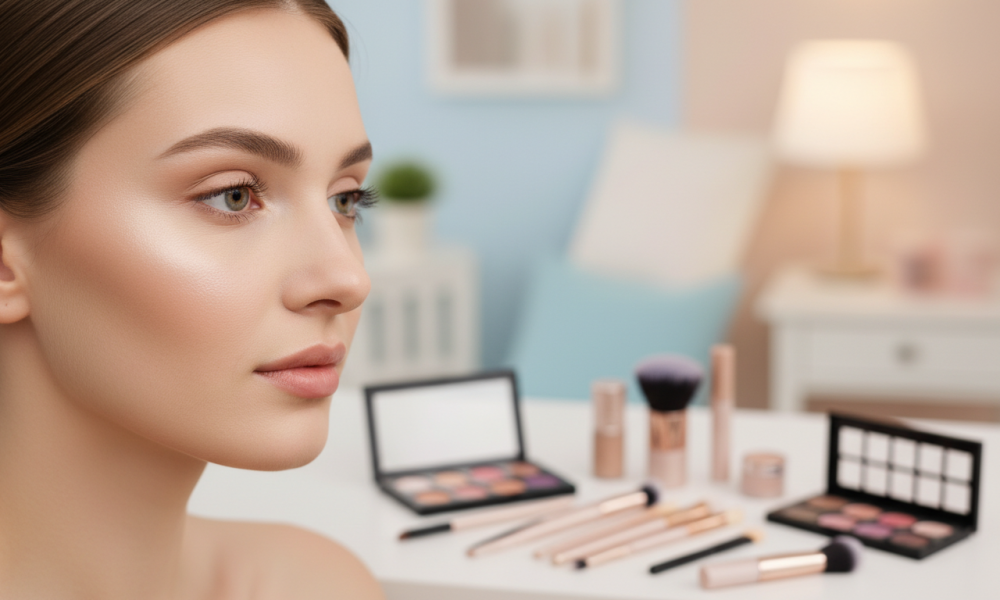
Understanding side effects helps people weigh benefits and avoid surprises. Injectable treatments like fillers and botox can cause bruising, swelling, or rare allergic reactions.
Infections are possible when procedures occur in non-sterile settings. That risk underscores why a qualified clinic matters more than a low price.
Practical safety steps
- Know common side effects: expect temporary bruising or swelling around the cheeks and eyes.
- Choose sterile facilities: avoid treatments in unlicensed environments to reduce infection risk.
- Seek experienced providers: poorly placed fillers or improper technique can create asymmetry or unnatural results around the jawline and face.
- Check product and tool dates: expired makeup in a tutorial can irritate the skin or eye area.
- Ask questions: a good practitioner explains limits, expected results, and recovery before any treatment.
| Risk | Common Signs | Prevention | Typical Outcome |
|---|---|---|---|
| Injectable side effects | Bruising, swelling, tenderness | Pre-treatment review, sterile technique | Resolves days–weeks with care |
| Infection | Redness, heat, discharge | Licensed clinic, sterile instruments | May need antibiotics; rare complications |
| Unnatural results | Asymmetry, overfilled look | Choose experienced practitioner, conservative dosing | May require correction or dissolution |
Selecting a Qualified Practitioner for Aesthetic Enhancements
Choosing a skilled practitioner shapes both the safety and the naturalness of aesthetic results. When pursuing an angelina jolie–inspired look, select a clinician who specializes in facial aesthetics and understands how subtle changes affect the whole face.
Reputable centers like International Plus, established in 2014, offer a track record of specialized treatments and worldwide referrals. Look for clinics that publish clear before and after photos so you can assess consistent, natural results.
Good communication matters. A trustworthy surgeon explains options—makeup, dermal fillers, botox, or surgery—and sets realistic expectations for your skin, cheeks, and eyes.
- Check credentials: board certification and a focus on facial work.
- Review portfolios: before and after images that show subtle enhancement of cheekbones and features.
- Ask questions: about products, techniques, downtime, and likely results.
By choosing an expert, you protect your safety and beauty. Thoughtful selection helps ensure treatments enhance, not overpower, your natural appearance.
Conclusion
Small, consistent habits in skincare and application yield the most believable transformations. Look for routines that respect your natural structure and enhance comfort with daily care.
Whether following a step-by-step tutorial or consulting an expert, the aim is authentic enhancement. Master a gentle contour and a soft makeup look that suits your features.
Prioritize safety, steady results, and lasting beauty. One can admire an iconic angelina reference and adapt techniques for personal style—like subtle jolie cheekbones or refined jolie makeup—without drastic change.
Stick with good skincare, learn from trusted guides, and choose professionals when needed. That balance delivers confidence and a timeless, tailored appearance.
FAQ
What creates the signature high-cheek look that many admire?
Natural bone structure plays a large role—genetics determine zygomatic prominence and midface projection. Good skin tone, low facial fat, and firm connective tissue enhance definition. Makeup and targeted treatments can mimic or accentuate these features for a sculpted finish.
Can makeup alone recreate a sculpted midface appearance?
Yes. A strategic routine—hydrating primer, a medium-coverage foundation, matte contour in the hollows beneath the cheekbones, and a luminous highlight on the cheek apex—creates depth and lift. Blush placed on the apples and swept upward toward the temple adds natural warmth without masking structure.
How should someone prep skin before contouring with cosmetics?
Cleanse gently, follow with a lightweight moisturizer, and use a pore-minimizing or hydrating primer. Smooth, hydrated skin lets cream and powder products blend seamlessly, preventing patchiness and exaggerated texture that can undermine a sculpted effect.
What are the key product types for achieving a natural sculpted look?
Use a cream contour for a skinlike finish or a finely milled matte powder for longer wear. Add a subtle cream or liquid highlighter for lift, and choose a blush with a natural, skin-friendly pigment. Tools matter: a dense brush for contour and a fluffy one to diffuse edges.
When are dermal fillers appropriate for cheek enhancement?
Fillers like hyaluronic acid can restore volume in the midface, lift tissue, and smooth hollows. They are appropriate for adults seeking non-surgical improvement who have realistic expectations and no contraindications, such as active infection or certain autoimmune conditions. A consultation with a licensed injector is essential.
What is fat grafting and how does it differ from fillers?
Fat grafting transfers a patient’s own fat from one area to the cheeks for a longer-lasting volumizing effect. Unlike temporary hyaluronic acid fillers, fat grafting can provide years of improvement but involves a surgical procedure, recovery time, and variable fat survival rates.
Can Botox in the masseter help refine the jawline?
Yes. Low-dose botulinum toxin to the masseter muscle can reduce muscle bulk over several weeks, softening a square jaw and subtly emphasizing cheek definition. Results are temporary and require repeat treatments every 3–6 months to maintain effect.
What potential side effects should patients know about with injectables?
Common short-term effects include swelling, bruising, tenderness, and mild asymmetry. Rare but serious risks include vascular occlusion with fillers, infection, or nerve injury. Selecting an experienced, board-certified practitioner reduces risk and improves outcomes.
How does skincare support long-term facial definition?
Consistent skincare—sun protection, retinoids or retinal derivatives to support collagen, topical antioxidants, and regular hydration—maintains skin quality and elasticity. Healthier skin holds contour better and appears more luminous, which complements both makeup and procedural results.
How should someone choose a qualified provider for aesthetic treatments?
Look for board-certified dermatologists or plastic surgeons and licensed nurse injectors with extensive, documented experience in facial anatomy. Review before-and-after photos, read independent patient reviews, and request an in-person consultation to discuss goals, risks, and a personalized plan.
Are surgical options necessary to achieve a more sculpted midface?
Surgery is not always necessary. Procedures like midface lifts or cheek implants provide long-lasting structural change but involve greater risks and recovery. Many patients first try non-surgical approaches—fillers, toxins, and advanced makeup—before considering surgery.
How long do non-surgical cheek enhancements typically last?
Hyaluronic acid fillers often last 9–18 months depending on product choice and placement. Fat grafting can last longer but is less predictable. Botox for masseter slimming lasts about 3–6 months. Maintenance treatments are common to preserve results.
Can contouring techniques work for different ages and face shapes?
Yes. Techniques are adaptable: younger faces may use subtle enhancement to emphasize natural bone, while mature skin benefits from lifting and hydration-focused steps to avoid sinking. A tailored approach—respecting face shape, skin quality, and personal style—yields the most natural outcome.
What should someone avoid when trying to recreate a sculpted celebrity-inspired look?
Avoid heavy, cakey foundation, overly dark contour shades, and applying product without blending. Over-treatment with injectables or high-volume placement can create an unnatural effect. Aim for subtle enhancement that complements one’s unique features rather than copying another person exactly.
Related guides
How Long Does a Dental Implant Procedure Take?
Curious if the journey to a restored smile will fit your life? Many patients wonder about the full…

Best Hair Transplant in Istanbul,Turkey
Could one clinic end years of worry and restore your confidence with a clear, tailored plan?Dr. Serkan Aygin…

What is Zygomatic Dental Implant?
Could anchoring into the cheekbone restore a confident smile when the upper jaw can’t?Zygomatic dental implants offer an…