

Can a temporary implant change your relationship with food and speed a healthier path? Many people ask whether this non-surgical option truly fits their life and budget.
The gastric balloon is an intragastric device placed without traditional surgery. It offers a shorter recovery time—often just four to five days—so patients can return to daily life faster than after bariatric surgery.
Understanding the overall cost means looking beyond the sticker price. Consider medical consults, follow-up care, nutrition coaching, and the long-term benefits for health and weight loss.
For many, the balloon provides a focused, medically supervised procedure that supports behavior change. This guide aims to clarify financial and medical factors so readers feel informed and supported on their journey today.
Key Takeaways
- The intragastric device is a non-surgical option with a short recovery time.
- Assess total cost by including follow-up care and support services.
- It can jump-start weight loss while teaching new eating habits.
- Recovery is typically 4–5 days, shorter than many surgeries.
- Decisions should weigh medical benefits and personal goals.
Understanding the Gastric Balloon Procedure
A soft silicone implant sits in the stomach for months, creating earlier fullness and helping guide portion control. This non-surgical treatment supports short-term weight loss while teams teach new eating habits.
What is an Intragastric Balloon
An intragastric device is placed endoscopically or swallowed, then filled with saline to occupy space. Patients often feel full sooner, which reduces calorie intake and helps reach weight goals.
Care includes nutrition counseling, regular check-ins, and monitoring during the six-month placement. Recovery is generally quick — most return to daily life within days.
FDA-Approved Devices
“The Orbera balloon received FDA approval on August 5, 2015,”
The market also includes systems such as Obalon and ReShape. Each option varies in placement method, materials, and removal timing.
- Orbera — widely studied, FDA cleared in 2015.
- Obalon — capsule-based options for some patients.
- ReShape — dual-bag systems for different needs.
| Device | Method | Typical Duration |
|---|---|---|
| Orbera | Endoscopic fill with saline | 6 months |
| Obalon | Swallowed capsule, gas-filled | 3 months |
| ReShape | Dual balloons, endoscopic | 6 months |
These balloon procedures are aimed at individuals with obesity seeking less invasive treatment. Personalized care plans make sure the device supports lasting health changes, not just short-term loss.
How Much is a Gastric Balloon cost?
Understanding the full financial picture helps patients plan for this short-term weight loss option.
Typical pricing for a gastric balloon procedure usually bundles several services. The fee often covers insertion, pre-op tests, the device itself, the surgeon’s fee, and scheduled follow-ups.
Patients should ask whether the quote also includes removal after six months. Some clinics add separate charges for imaging, lab work, or extra nutrition visits. These additions can change the final balloon cost.
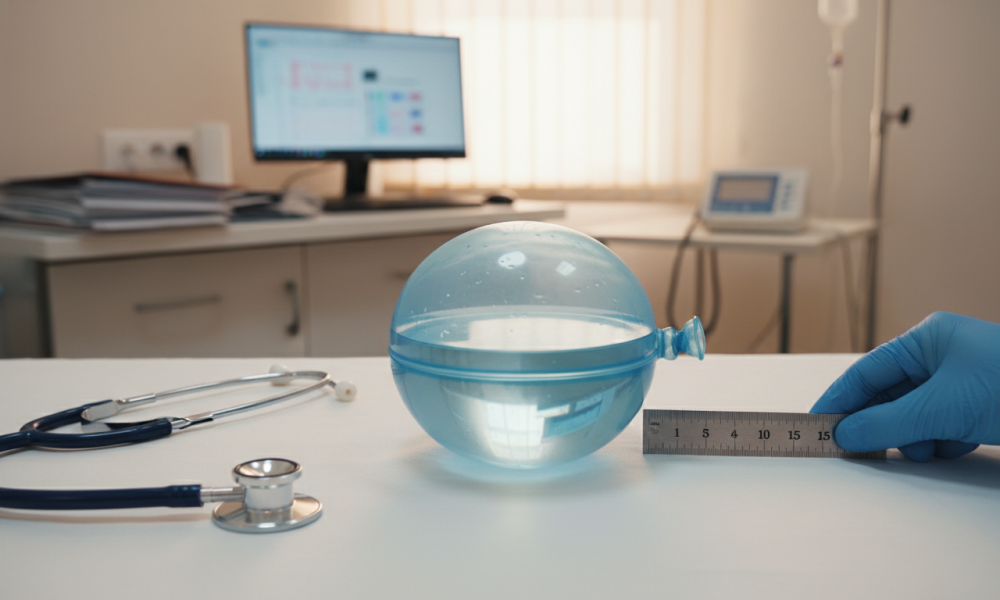
“A clear consultation reveals the full list of services and any hidden fees.”
- Ask your doctor for an itemized estimate before booking.
- Compare local clinics — geographic factors influence price and care.
- Confirm which follow-up visits and the removal are included.
| Item | Typical Inclusion | Why it matters |
|---|---|---|
| Insertion | Included | Surgeon and facility fees |
| Device | Included | Type of gastric balloons affects price |
| Follow-up | Varies | Nutrition and monitoring support |
| Removal | Sometimes included | Needed after six months |
Because insurance often limits coverage, many patients pay out-of-pocket. A thorough consultation helps identify costs, compare options, and align the plan with long-term health goals.
Comparing Balloon Systems and Their Price Points
Not all balloon devices are the same — device design, placement method, and follow-up care shape final pricing.
Orbera pricing typically ranges from about $3,000 to $9,000. It is well studied and often includes the insertion and routine follow-up at many centers.
Obalon and ReShape variations
The Obalon system is unique because patients swallow capsules introduced over time. It received FDA approval on September 8, 2016.
The ReShape dual design won clearance on July 28, 2015 and offers two connected devices for some patients.
Spatz adjustable option
The Spatz adjustable balloon allows the doctor to change volume during treatment. Outside the United States, typical ranges run $4,000 to $7,000.
“When comparing systems, include insertion, monitoring, and removal fees to see the full cost.”
- Consider total expenses: device, insertion, follow-up, and removal.
- Method matters: swallowed capsules can affect pricing versus endoscopic placement.
- Team experience and facility care influence final costs and patient experience.
| System | Method | Typical range |
|---|---|---|
| Orbera | Endoscopic fill | $3,000–$9,000 |
| Obalon | Swallowed capsule | Varies by clinic |
| Spatz | Adjustable endoscopic | $4,000–$7,000 (outside US) |
Gastric Balloon Versus Traditional Bariatric Surgery
Comparing a temporary endoscopic device with permanent surgery highlights clear trade-offs in price, recovery, and long-term change.
The balloon option generally runs between $6,000 and $9,000, while bypass and sleeve surgeries often total $15,000 to $35,000.
Recovery time differs markedly. Most patients with the device resume normal activity within 4–5 days. By contrast, gastric bypass requires about 3–5 weeks. Sleeve recovery can take 4–6 weeks.
Choice depends on goals. Surgery creates permanent changes to the stomach and digestive tract. The device is reversible and temporary, making it attractive for those not ready for lifelong alteration.
“Patients value shorter recovery and lower upfront price with the device, but insurance coverage tends to favor surgical procedures.”
- Less invasive: device avoids major surgery risks.
- Permanence: surgery offers lasting anatomical change.
- Insurance: coverage is more common for surgical options.
| Option | Typical Price Range | Typical Recovery Time |
|---|---|---|
| Balloon | $6,000–$9,000 | 4–5 days |
| Gastric bypass / sleeve | $15,000–$35,000 | 3–6 weeks |
Factors Influencing the Total Price
Several practical elements shape the final price for this endoscopic weight‑loss option. Facility fees, pre-op testing, and any needed medications all add to the bottom line.
Hidden Costs and Inclusions
Ask for an itemized estimate so there are no surprises. Some clinics bundle insertion, follow‑ups, and removal; others list them separately.
Common hidden fees include anesthesia, imaging, complication management, and special supplements or meal plans recommended by the care team.
- The presence of obesity‑related conditions may require extra tests or specialist visits.
- Insurance rarely covers this option, so patients often pay out of pocket.
- Confirm that the quoted price covers the full placement time and removal process.
“A clear written quote prevents unexpected bills and helps patients plan their budget.”
When evaluating options, consider the doctor’s experience, the center’s quality of care, and the expected recovery time. Those factors influence both results and long‑term health benefits.
Navigating Insurance Coverage and Financing Options
Insurance approval for this procedure often proves tricky for many patients.
Most major carriers, including Medicaid and Medicare, do not list this treatment as a covered therapy. That reality means many people must plan for out-of-pocket payment or look into alternate funding.
During consultation, the care team reviews available financial paths. Clinics often provide payment plans, third‑party financing, or in-house options to spread the price over time.

Helpful tools can reduce burden. Flexible spending accounts (FSA) and health savings accounts (HSA) allow pre-tax funds to pay qualified medical charges. Ask your doctor and billing team whether these apply.
“Verify coverage and ask for an itemized estimate so there are no surprises.”
- Confirm with your insurer if any rare exceptions exist.
- Compare financing offers and read terms before signing.
- Discuss removal and follow-up fees with the care team ahead of time.
| Financing Option | Typical Benefit | When to consider |
|---|---|---|
| Clinic payment plan | Lower upfront payment, monthly installments | If immediate funds are limited |
| Third‑party medical loan | Fixed term, credit-based | For larger balances needing longer repayment |
| FSA / HSA | Pre-tax savings, reduces net price | If eligible through employer or personal plan |
The team is available to explain options and the factors that influence total price, including facility fees, follow-up care, and removal. Reach out to schedule a consultation and review personalized plans today.
Benefits of Seeking Treatment Abroad
Medical travel can open affordable paths to supervised weight care without sacrificing clinical standards.
Many United States patients consider nearby Mexico for trusted balloon options. Renew Bariatrics in Tijuana offers experienced surgeons and coordinated care that often reduces price by up to 80% compared with U.S. centers.
Cost savings are a major benefit, but quality matters too. The center pairs skilled doctors with a dedicated team who guide patients through pre‑op evaluation, the balloon procedure, and follow‑up.
Travel also gives access to bundled packages that include consultation, facility care, and removal visits. Lower overhead in Mexico helps explain competitive pricing while maintaining safety and patient comfort.
Medical Tourism in Mexico
Renew Bariatrics emphasizes clear communication and personalized plans. Many who choose this option report efficient care, thorough consultation, and steady support toward weight loss goals.
“Patients find that excellent surgical experience and lower prices make travel a practical option for many journeys.”
- High-quality surgical teams and coordinated aftercare
- Transparent consultation to set realistic goals
- Competitive pricing driven by lower local overhead
Conclusion
An informed decision comes from comparing clinic packages, follow‑up care, and expected outcomes.
Understanding the gastric balloon cost and available options helps align the price with health and personal goals. Compare local centers and trusted international clinics when evaluating value.
Talk with your medical team about financing, expected recovery, and how the device fits long‑term weight loss goals. Consider surgery only after weighing permanence, risks, and benefits.
Use this guide to plan the next step on your journey. When ready, reach out for a consultation so the care team can create a plan that fits budget and health needs today.
FAQ
What is an intragastric balloon and how does it help with weight loss?
An intragastric balloon is a soft, inflatable device placed in the stomach to reduce available space and slow gastric emptying. Patients feel fuller sooner, which supports portion control and calorie reduction. It’s a temporary, non‑surgical therapy intended to assist diet and behavior changes alongside medical supervision.
Which devices are FDA‑approved for this procedure?
FDA‑cleared options include the Orbera system and the Obalon swallowable capsule system. Each device has unique placement and removal methods; clinicians choose the best fit based on a patient’s medical history, goals, and anatomy.
What determines the total price of the procedure?
Total price reflects device type, physician and facility fees, pre‑op testing, anesthesia, follow‑up care, and removal. Additional costs may arise from nutrition counseling, medications, or treatment for complications. Location and surgeon experience also influence fees.
Are there hidden costs I should expect?
Yes. Routine items sometimes billed separately include endoscopy fees, lab work, imaging, anti‑nausea drugs, and aftercare visits. Verify what’s included in a package and request a written estimate before scheduling treatment.
How do prices compare between different balloon systems?
Prices vary by system and region. Orbera tends to be among the higher‑priced single‑balloon systems due to established outcomes and support programs. Obalon and other capsule or adjustable systems may differ in device and procedure costs. Ask clinics for a breakdown to compare apples to apples.
How does this option compare to traditional bariatric surgery?
Balloon therapy is less invasive, reversible, and intended for short‑term use (typically six months). Bariatric surgeries like gastric sleeve or bypass offer greater, long‑term weight loss but carry higher surgical risk, longer recovery, and permanent anatomical changes. Choice depends on BMI, coexisting conditions, and weight‑loss goals.
Will insurance cover the procedure or related costs?
Coverage varies widely. Many insurers consider intragastric balloons investigational and may deny coverage. Some employers or plans provide partial support. Patients should obtain preauthorization, submit itemized quotes, and explore flexible spending or medical loans.
Are financing options or payment plans available?
Most bariatric clinics offer financing, third‑party medical loans, or in‑house payment plans. Compare interest rates and terms, and review refund policies if complications require early removal.
Can patients travel abroad for lower prices safely?
Medical tourism can lower costs—Mexico and some other countries offer competitive pricing. Safety hinges on selecting accredited facilities, verified surgeon credentials, and clear continuity-of-care plans for post‑op follow‑up at home.
What should I expect during recovery and follow‑up?
Short‑term side effects include nausea, vomiting, and abdominal discomfort, often managed with medications and diet progression. Regular follow‑ups with the care team, nutrition counseling, and the scheduled removal procedure are essential for safety and optimal outcomes.
How long does the balloon stay in place and what about removal?
Most intragastric balloons remain for about six months; some adjustable systems may stay longer. Removal uses endoscopy under sedation. Removal timing depends on device specifics and clinical guidance.
Who is a good candidate for balloon therapy?
Candidates typically have a BMI in the overweight to moderate obesity range and seek a non‑surgical option to jump‑start weight loss. People with certain GI conditions, prior gastric surgery, or specific medical contraindications may not qualify. A thorough medical evaluation determines eligibility.
What benefits can patients expect beyond weight loss?
Many patients see improvements in blood sugar control, blood pressure, and sleep apnea symptoms. The balloon can serve as a structured, supervised step toward lasting lifestyle changes when combined with coaching and follow‑up care.
How should I choose a clinic or doctor for this procedure?
Choose a board‑certified bariatric surgeon or gastroenterologist with specific experience in intragastric balloons. Verify facility accreditation, request outcomes data, and confirm a multidisciplinary support team that includes dietitians and behavioral counselors.
Related guides
How Long Does a Dental Implant Procedure Take?
Curious if the journey to a restored smile will fit your life? Many patients wonder about the full…

Best Hair Transplant in Istanbul,Turkey
Could one clinic end years of worry and restore your confidence with a clear, tailored plan?Dr. Serkan Aygin…

What is Zygomatic Dental Implant?
Could anchoring into the cheekbone restore a confident smile when the upper jaw can’t?Zygomatic dental implants offer an…