
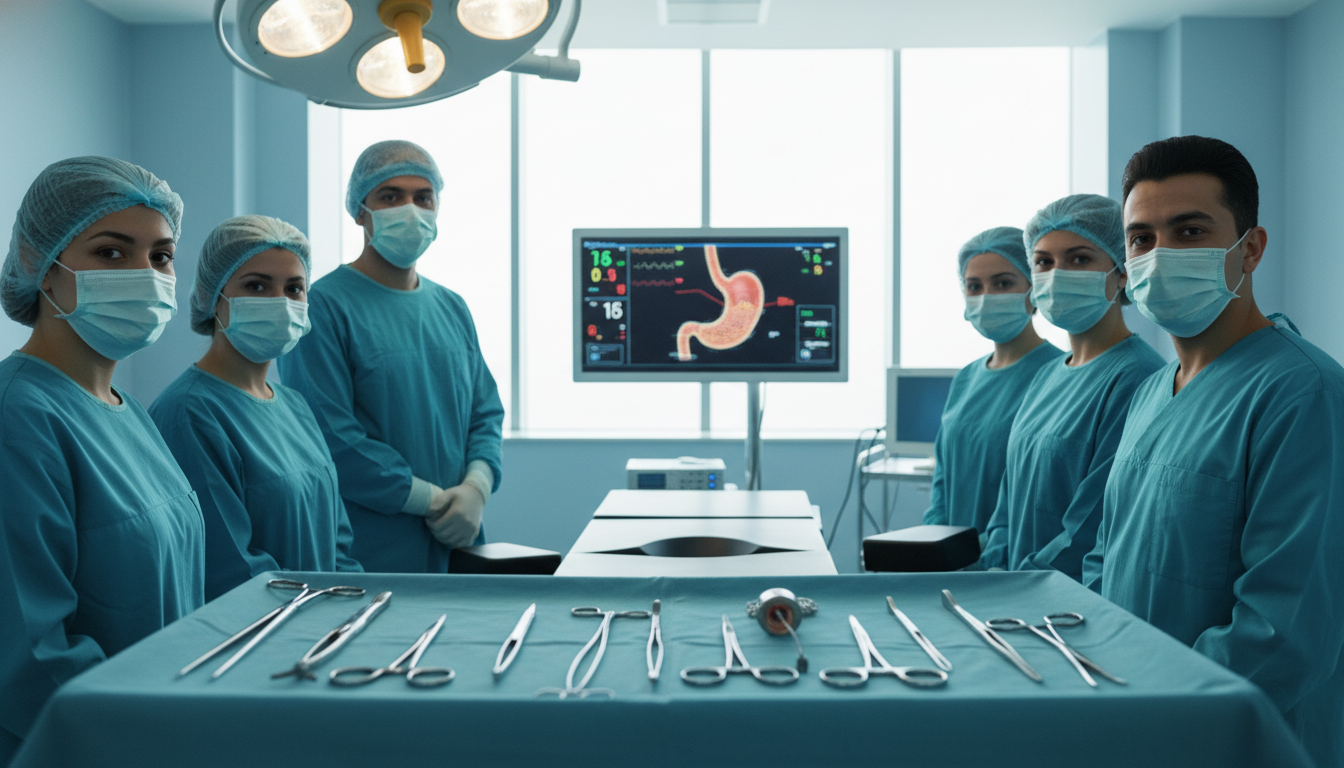
Could one trip change a person’s life and health for good? Many adults who struggle with obesity ask this question when researching weight loss surgery abroad.
Turkey has grown into a global medical hub for sleeve surgery. Clinics there combine modern hospitals with attentive care. Patients find clear protocols and shared decision-making that ease anxiety.
The sleeve procedure removes much of the stomach to reduce hunger and support lasting weight loss. Surgeons follow strict safety steps to lower risks and complications, while aftercare teams guide diet and recovery.
World-class facilities and affordable plans make the choice practical for many U.S. patients. Beyond cost, people cite emotional support and thorough follow-up as reasons they felt confident through the process.
Key Takeaways
- Sleeve surgery offers a lasting option for significant weight loss.
- Turkish clinics often combine modern care with supportive aftercare.
- Strict surgical protocols aim to reduce risks and complications.
- Patients report strong follow-up and nutritional guidance post-op.
- Traveling for treatment can be both affordable and life-changing.
Understanding the Benefits of Gastric Sleeve in Turkey
After surgery, most people lose a large share of their excess body weight within the first year — typically about 60%–70% of excess weight after gastric sleeve surgery.
Patients often say the operation helps them regain control over daily health choices and improves quality of life. Short-term changes become long-term habits with proper follow-up.
- Durable weight reduction: Permanent stomach changes support steady loss.
- Breaks plateaus: Many find sleeve surgery helps overcome long-standing stalls.
- Life improvements: Better mobility, mood, and metabolic markers are commonly reported after gastric sleeve.
- Structured care: Choosing gastric sleeve surgery abroad often includes clear protocols and follow-up that focus on lasting health goals.
What is Sleeve Gastrectomy
Sleeve gastrectomy reshapes the stomach into a narrow tube that limits portion size and changes hunger signals. The result is both mechanical and hormonal — patients eat less and feel less hungry.
How the Procedure Works
During the operation a surgeon removes roughly 70–80% of the stomach. The remaining section becomes a slim sleeve-shaped pouch.
The gastric sleeve procedure is done laparoscopically. Small incisions let the team reshape the stomach with less trauma and quicker recovery.
Impact on Hunger Hormones
Removing the larger part of the stomach lowers hunger hormones and cuts appetite. This hormonal change supports steady weight loss and helps patients stick to smaller portions.
- Less capacity: The new sleeve restricts food intake immediately.
- Hormone shift: Appetite hormones drop, so the body feels satisfied sooner.
- Long-term effect: The stomach’s transformation is permanent and helps sustain reduction in weight over time.
Key Health and Lifestyle Advantages
For patients with obesity, the sleeve operation can quickly change how the body handles blood sugar and pressure. This shift often reduces the risk of type 2 diabetes, high blood pressure, and sleep apnea.
Most people lose roughly 60–70% of excess weight within the first year after a gastric sleeve procedure. This level of reduction makes everyday movement easier and cuts strain on joints.
Limiting food intake through the new stomach shape helps patients adopt a healthier diet. The drop in hunger hormones supports long-term weight loss and better blood sugar control.
| Health Area | Typical Result | Why It Matters |
|---|---|---|
| Diabetes control | Marked improvement within months | Lower medication need; better glucose levels |
| Cardiovascular risk | Blood pressure often falls | Reduces stroke and heart disease risk |
| Mobility | Less joint pain; more activity | Supports a sustainable active lifestyle |
| Mental health | Improved self-image and mood | Greater confidence and social engagement |
In short, sleeve gastrectomy and gastric sleeve surgery offer more than weight change. They bring medical and daily-life improvements that help patients build a healthier, more active future.
Why Turkey is a Leading Destination for Bariatric Surgery
Skilled surgical teams and JCI-accredited hospitals help international patients feel safe and supported during their procedure.
Turkey offers state-of-the-art medical infrastructure, with many hospitals holding JCI accreditation. These facilities use modern imaging and laparoscopic suites that speed recovery and reduce complications.
Top bariatric surgeons such as Dr. Gokman Ozturk and Dr. Hakan Seyit are known for precise technique and consistent outcomes. Their experience covers sleeve gastrectomy and related procedures for patients with obesity.
The overall cost is often lower than U.S. prices while keeping high quality and full care. Comprehensive packages usually include pre-op testing, the surgery itself, and post-op support for smoother recovery.
- Expert care: Experienced teams and robust hospital systems.
- Accessible pricing: Competitive cost without sacrificing quality.
- Cultural ease: Gentle recovery in a historic, welcoming setting.
| Feature | What to Expect | Why It Matters |
|---|---|---|
| Hospital accreditation | JCI standards and modern tech | Higher safety and consistent care |
| Surgeon expertise | Named specialists with strong track records | Better surgical outcomes and fewer complications |
| Recovery support | Packages include follow-up and nutrition plans | Smoother transition to long-term weight loss |
Determining Your Eligibility for the Procedure
Eligibility starts with a measured body mass index and a clear review of medical conditions tied to excess weight.
Most candidates have a BMI of 35 or higher when they also have conditions like diabetes or high blood pressure. Patients with a BMI of 40 or more are often considered suitable even without other illnesses.
The surgeon will request pre-operative tests to confirm fitness for surgery. These usually include blood work, an ECG, and a chest X-ray.
- Medical review: Detailed health history and current medications.
- Tests: Blood panels, ECG, and imaging to spot hidden risks.
- Commitment: Readiness for lifestyle change and follow-up care.
- Risk discussion: Clear explanation of possible complications and recovery expectations.
Surgeons in Turkey and elsewhere ensure both mental and physical readiness before approving a sleeve gastrectomy plan. Completing required tests helps patients move forward with confidence and safety for their weight loss journey.
Essential Pre-Operative Preparation Steps
Small, focused steps in the weeks before surgery can speed recovery and cut risks. Patients start with clear guidance to make the operation safer and the recovery smoother.

Dietary and Lifestyle Adjustments
Two to four weeks before a gastric sleeve many people follow a strict low-calorie, high-protein diet. This diet helps shrink the liver and makes the stomach easier to access during the procedure.
The surgeon will order blood work, chest X-rays, and other tests to be completed within 30 days. Medication changes, and stopping smoking, are common instructions to lower surgical risk.
- Follow the prescribed diet for 2–4 weeks to optimize metabolic health.
- Complete all pre-op tests and report results to the surgical team.
- Adjust medications only as your surgeon directs and keep open communication.
Adhering to these steps sets the foundation for long-term weight loss and a safer gastric sleeve surgery experience. Patients who prepare well often face fewer complications and recover more quickly after sleeve surgery turkey programs.
The Surgical Process Explained
Under general anesthesia, the team completes the operation in about 60–90 hours? No—60–90 minutes, focusing on precision and patient comfort.
The surgeon uses laparoscopy to make small abdominal incisions. A camera and fine instruments guide removal of roughly 70–80% of the stomach. The result is a narrow tube that supports long-term weight loss.
- The patient is asleep under anesthesia for the full procedure.
- The team performs intraoperative tests to check for leaks or bleeding along the staple line.
- Staff monitor recovery closely; most patients stay in hospital 2–3 days for observation and pain control.
Care is standardized across trusted centers, which helps lower risks and streamlines recovery. Minimally invasive technique limits trauma to the body and speeds return to daily life.
“A consistent, stepwise operation and careful monitoring are key to good outcomes.”
For info on candidacy and follow-up, see who is a candidate for revision gastric.
Navigating the Recovery Timeline
A clear recovery roadmap helps patients move from hospital care to home routines with confidence. This section explains the immediate steps and the long-term changes that support successful weight loss after the procedure.
Immediate Post-Operative Care
Hospital monitoring usually lasts 2–3 nights. Staff manage pain, IV fluids, and early movement to lower risks.
After discharge most patients stay in a nearby hotel for 4–5 days. Clinic teams provide daily care and practical dietary guidance during this time.
Early diet is clear liquids and protein shakes, then soft food before returning to solids. Short walks every few hours help prevent blood clots and boost energy.
Long-Term Lifestyle Changes
The first year is critical for forming habits that sustain weight loss and health. Patients learn to eat slowly, choose nutrient-dense food, and prioritize protein.
- Activity: Gentle walking in the first days, increasing over weeks to build stamina.
- Work return: Many resume desk work in 2–3 weeks with their surgeon’s approval.
- Follow-up: Regular visits and diet coaching support lasting lifestyle change.
With careful adherence to instructions and steady follow-up, the recovery plan used by sleeve surgery turkey centers helps patients transition safely back to daily life and sustained weight loss.
Financial Considerations and Package Inclusions
An all-inclusive plan can bundle the hospital stay, anesthesia, and post-op support to remove financial guesswork.
Typical package elements include surgeon fees, anesthesia, hospital stay, hotel accommodation, and ground transfers. Most clinics list these items up front to help patients compare costs and care.

The cost for gastric sleeve in Turkey commonly ranges between £2,800 and £4,500 for an all-inclusive package. Patients still need to budget for flights and ongoing vitamin supplements after the procedure.
- Choose a reputable clinic to reduce the chance of hidden fees and ensure the quoted cost covers full care.
- Confirm whether complication coverage is included; some providers offer specific 30-day policies.
- Compare total savings: many patients save roughly 60–75% versus UK, US, or Australian prices.
“Transparent pricing lets patients focus on treatment and recovery, not unexpected bills.”
| What is Included | Typical Details | Why It Matters |
|---|---|---|
| Surgeon & anesthesia | All surgical fees and anesthesia during the procedure | Ensures qualified team and safe operation |
| Hospital stay | Post-op monitoring, medication, and nursing care | Reduces early complication risk and speeds recovery |
| Accommodation & transfers | Hotel nights and airport/hospital transfers | Comfort and smooth logistics during recovery |
| Price range | £2,800–£4,500 for an all-inclusive package | Competitive cost with comprehensive support |
Managing Potential Risks and Complications
Timely recognition of post-op problems can make the difference between minor care and urgent intervention. Patients should know which signs require immediate contact with their team and which can be managed during normal follow-up.
Recognizing Red Flags
While gastric sleeve and sleeve gastrectomy are commonly safe, risks remain. Rare complications include bleeding, infection, or leakage from the stomach staple line. Any severe abdominal pain, persistent vomiting, or a fever over 38°C needs urgent review.
- Report sudden, heavy bleeding or fainting right away.
- Seek care for ongoing fever, worsening pain, or inability to keep fluids down.
- Follow dietary rules closely to reduce reflux, nutrient shortfalls, and other problems.
- Keep the operative note and discharge summary in English for prompt treatment at home.
| Issue | When to Call | Typical Response |
|---|---|---|
| Bleeding | Sudden heavy bleeding or weakness | Emergency assessment and possible return to OR |
| Infection | Fever >38°C or wound redness | Antibiotics and wound care |
| Leakage | Severe pain, fever, fast heart rate | Imaging, IV fluids, possible intervention |
Surgeons and nursing teams provide clear post-op instructions and a contact plan. Adhering to the diet and vitamin schedule supports long-term weight loss and body health during recovery after anesthesia and surgery.
Conclusion
Choosing a planned sleeve surgery can mark the start of a steady, supported path to better health.
When managed by experienced teams, gastric sleeve care helps patients achieve notable weight loss and improved medical markers. Short hospital stays, structured follow-up, and clear nutrition plans help make lasting change feel realistic.
Success depends on the patient’s commitment to new habits and on the clinic’s support through the process. Expert surgeons and dedicated staff guide recovery and long-term goals for life after gastrectomy or sleeve surgery.
Take the next step by contacting a reputable gastric sleeve turkey provider to discuss options, timelines, and expected outcomes. Informed choices and steady support create the best path to lasting health and weight control.
FAQ
What is sleeve gastrectomy and how does it reduce weight?
Sleeve gastrectomy is a surgical procedure that removes a portion of the stomach, creating a narrow tube. This reduces stomach volume and lowers ghrelin, the hunger hormone, so patients feel full sooner and eat less. The result is significant weight loss when combined with diet and activity changes.
Who qualifies for this procedure?
Candidates typically include adults with a body mass index (BMI) of 40 or higher, or a BMI of 35–39.9 with obesity-related conditions such as type 2 diabetes or high blood pressure. A surgeon will also assess medical history, psychological readiness, and prior attempts at weight loss.
Why do many people choose to have the operation in Turkey?
Turkey is known for experienced bariatric teams, modern hospitals, and competitive pricing. Many centers offer bundled packages that include pre-op tests, surgery, hospital stay, and follow-up care, making travel and coordination easier for international patients.
How long does the surgery take and what type of anesthesia is used?
The operation usually takes 60 to 90 minutes and is performed under general anesthesia. Patients are monitored closely throughout and taken to recovery where pain and vital signs are controlled before moving to a ward.
What tests and preparations are required before surgery?
Pre-op steps often include blood tests, ECG, chest X-ray, nutritional assessment, and sometimes endoscopy. Patients must stop smoking, adjust certain medications, and follow a prescribed low-calorie or liquid diet for days or weeks prior to reduce liver size.
What should patients expect during the immediate recovery period?
Hospital stay is commonly 1–3 days. Early recovery focuses on pain control, preventing blood clots, and gradual reintroduction of fluids. Mobility begins within hours after surgery and diet advances from liquids to purees over several weeks.
How much weight can someone expect to lose after the operation?
Most patients lose a substantial portion of excess weight—often 50–70%—within 12–24 months, though results vary. Success depends on adherence to dietary guidance, regular exercise, and follow-up care.
How does the procedure affect conditions like diabetes and high blood pressure?
Many patients see rapid improvements in type 2 diabetes, high blood pressure, and sleep apnea. Blood sugar control often improves within weeks, reducing medication needs. Long-term benefits rely on sustained weight loss and lifestyle changes.
What are common complications and how are they managed?
Risks include bleeding, infection, leakage from the staple line, and nutrient deficiencies. Early detection is key—symptoms such as severe abdominal pain, fever, or rapid heart rate require immediate medical attention. Surgeons have protocols to treat most complications promptly.
Will patients need vitamin supplements after surgery?
Yes. Because stomach size and intake change, multivitamins and specific supplements—iron, vitamin B12, vitamin D, and calcium—are often recommended for life. Regular blood tests monitor levels and guide supplementation.
How soon can patients return to normal activities and work?
Many return to light activities within 1–2 weeks and to full duties in 4–6 weeks, depending on job demands and recovery progress. Strenuous exercise should wait until cleared by the surgeon, usually after several weeks.
What dietary changes are required long term?
Long-term eating focuses on smaller portion sizes, high-protein choices, hydration, and avoiding calorie-dense liquids. Patients learn to eat slowly, stop at fullness, and limit sugars and processed foods to prevent weight regain.
How do patients choose a qualified surgeon and hospital in Turkey?
Look for board-certified bariatric surgeons, hospitals accredited by international bodies, transparent outcome data, and patient reviews. Ask about experience with sleeve procedures, complication rates, and post-op follow-up plans.
What does a typical cost package include for surgery abroad?
Packages may cover pre-op tests, surgeon fees, hospital stay, anesthesia, and follow-up visits. Some include transfers and accommodation. Confirm what is included, any extra charges, and the policy for complications or extended stays.
Are there non-surgical alternatives to consider first?
Non-surgical options include medically supervised diets, behavioral therapy, pharmacotherapy for weight loss, and structured exercise programs. For many with severe obesity, surgery offers greater and more durable results, but alternatives are considered based on individual needs.
How important is long-term follow-up care?
Long-term follow-up is essential for monitoring weight, nutritional status, and mental health. Regular visits with the surgical team, dietitians, and primary care help maintain results and address issues early.
Can the procedure be reversed or revised later?
The sleeve is considered permanent because stomach tissue is removed. In some cases, patients pursue revision procedures—such as conversion to gastric bypass—for inadequate weight loss or reflux. Revision decisions require careful evaluation.
How does anesthesia and surgical quality affect outcomes?
High-quality anesthesia and experienced surgical teams reduce complication risks, shorten operative time, and improve recovery. Facilities with ICU access and standardized protocols support safer care for complex patients.
Related guides
How Long Does a Dental Implant Procedure Take?
Curious if the journey to a restored smile will fit your life? Many patients wonder about the full…

Best Hair Transplant in Istanbul,Turkey
Could one clinic end years of worry and restore your confidence with a clear, tailored plan?Dr. Serkan Aygin…

What is Zygomatic Dental Implant?
Could anchoring into the cheekbone restore a confident smile when the upper jaw can’t?Zygomatic dental implants offer an…