

Curious whether a bright new smile can cost less than you think? Many people travel abroad for cosmetic work, tempted by lower prices without sacrificing quality.
Adalya Dental Clinic in Antalya holds AACI accreditation and offers tailored care that blends modern digital workflows with personal attention. International patients often choose full-service packages that include hotel, transfers, and consultations for a smooth stay.
Material choice matters: porcelain and composite options change the price and durability. Typical fees range from £100 to £250 per tooth, which can mean savings up to 70% compared with U.S. or UK prices.
With skilled dentists, modern clinics, and predictable timelines, a trip can combine treatment and rest—turning a medical visit into a pleasant experience for those seeking aesthetic, long-lasting results.
Key Takeaways
- Accredited clinics like Adalya offer international-standard care and personalized treatment.
- Prices typically range £100–£250 per tooth, depending on material and procedure.
- Porcelain delivers greater durability; composite is often more affordable.
- All-inclusive packages ease logistics with hotel and transfer options.
- Digital planning speeds the process and improves aesthetic predictability.
Understanding Dental Veneers
A precise shell bonded to enamel can transform a smile with minimal enamel removal.
What are dental veneers?
Veneers are thin, custom-made shells of porcelain or composite resin. They attach to the front surface of a tooth to mask deep stains, small cracks, or gaps. The result is a more even, natural appearance that improves aesthetics and confidence.
How they work
The dentist prepares the tooth surface, takes impressions, and fits a tailored veneer. Porcelain options mimic enamel translucency and last longer. Composite veneers can be completed in a single visit and offer quicker results.
Patients often choose their material after a consultation that considers tooth structure, budget, and desired look. Many clinics bundle care with accommodation and transfers—ask about full-service dental treatment packages for streamlined planning.
- Porcelain: high aesthetics, greater durability, suited for long-term smiles.
- Composite: faster, cost-effective, ideal for single-day improvements.
| Material | Typical Benefit | Average Lifespan |
|---|---|---|
| Porcelain | Best aesthetics; enamel-like translucency | 10–15 years |
| Composite | One-visit repair; lower upfront cost | 5–7 years |
| Laminate alternatives | Less invasive; preserves tooth structure | 7–12 years |
How Much Are Dental Veneers In Turkey?
Patients commonly find that price-per-tooth figures are lower than expected for high-quality work.
Typical starting prices vary by material and clinic. Composite restorations start from about £100 per tooth. Zirconium options generally begin near £150 per tooth. E-max porcelain usually starts around £200 per tooth.
Many clinics offer all-inclusive packages that bundle the treatment with hotel nights and airport transfers. That makes a short trip more predictable for international patients.
Clinic reputation and the dentist’s experience affect the final price. The number of teeth treated also changes the total: a single veneer costs less than a full smile makeover. For accurate planning, request a personalized quote and read patient reviews before booking.
| Material | Starting Price (per tooth) | Typical Benefit |
|---|---|---|
| Composite | £100 | Lower upfront cost; one-day treatment |
| Zirconium | £150 | Strong, durable for multi-year use |
| E-max porcelain | £200 | High aesthetics; long-lasting finish |
Factors Influencing Treatment Costs
Several key elements shape the final bill for a smile makeover.
Dentist experience and qualifications
Experience matters. A dentist with advanced cosmetic training and many successful restorations often charges a premium. That extra expertise can improve fit, color matching, and long-term results for each tooth.
Material quality and brand
Brands with CE or FDA approval use higher-grade porcelain or composite. Premium materials add to the veneers cost but offer better durability and aesthetics that can last many years.
Number of teeth treated
The total number of teeth changes the per tooth price and the overall package. Treating a full smile takes more time, laboratory work, and visits than a single tooth procedure.
Clinics with CAD/CAM systems or in-house labs may list higher prices, yet they cut time and improve precision. Patients should ask about brand names, warranties, and read reviews before booking a consultation. Prioritizing quality and safety often saves costs over the long run.
Comparing Turkey Veneers Cost With Other Countries
For many patients, savings on cosmetic care make a cross-border visit an attractive option.
Significant savings: When comparing costs, travelers often save 60–70% versus the UK or USA. A single porcelain veneer can cost over $1,000 in the U.S., while high-quality porcelain options in Turkey start near £200 per tooth.
Lower living and overhead costs let clinics offer lower prices without cutting corners. Many clinics use CE- or FDA-approved materials and employ trained dentists to keep quality high.
“Patients report major savings, especially when a full smile package replaces multiple single procedures.”
| Country | Typical Price Per Tooth | Notes |
|---|---|---|
| USA | $1,000+ | High cost; shorter waiting times |
| UK | £700–£900 | Premium clinics; higher overhead |
| Turkey | £100–£250 | All‑inclusive packages, long‑term materials available |
Value matters: Patients should weigh total package price, materials, dentist experience, and reviews. When calculated across multiple teeth, the savings often justify the trip and hotel stay for many seeking a lasting smile.
Full Set Veneer Packages and Inclusions
Full-set packages simplify planning by combining clinical care, travel, and lodging into a single price.
What an all-inclusive package covers
Full set packages offered for veneers turkey aim to reduce stress for international patients. They bundle clinic visits, the dental procedure, and hotel accommodation under one price.
Most deals include VIP airport transfers and a dedicated patient coordinator. That coordinator helps with scheduling, language support, and follow-up care.
Diagnostic and clinical inclusions
Panoramic X‑rays and 3D scans are typically part of the package. These diagnostics let the dentist plan porcelain or composite work precisely.
- Hotel stay during the required days.
- VIP transfers between airport, hotel, and clinic.
- Consultation and necessary diagnostics at no extra charge.
- Final fitting and post-op instructions before travel home.
| Inclusion | Typical Detail | Benefit |
|---|---|---|
| Accommodation | 3–5 star hotel | Comfort during recovery; local support |
| Transfers | Private VIP transport | Less logistic stress; punctual visits |
| Diagnostics | Panoramic X‑ray / 3D scan | Accurate treatment planning |
| Coordinator | Dedicated patient manager | Smooth communication; appointment help |
Packages often include laminate veneers or higher-end porcelain options to deliver lasting aesthetics and durability. Transparent pricing helps patients budget and enjoy the trip without surprise costs.
Types of Veneer Materials Available
Different materials deliver distinct blends of strength, translucency, and cost.
E‑max porcelain veneers provide exceptional translucency and a very natural look. They suit patients seeking top-tier aesthetics and can last 15 years or more with proper care.
Zirconium focuses on strength. It is ideal for patients who need extra durability, such as those who grind teeth. Zirconium balances resilience and good aesthetics.
Composite resin offers an affordable, minimally invasive option. Many clinics complete this veneer in a single day. It often requires less tooth preparation and lowers upfront cost per tooth.
Laminate veneers are ultra-thin shells that preserve enamel. They give a natural result with minimal shaving of the tooth. A qualified dentist will recommend the best type during consultation.
A modern lab using CAD/CAM systems crafts precise fits for every smile. Patients should review material pros and cons, compare prices, and read reviews before a package or trip.
“Selecting the right material shapes longevity, function, and the final aesthetic.”
| Material | Key Benefit | Typical Lifespan |
|---|---|---|
| E‑max porcelain | High translucency; excellent aesthetics | 15+ years |
| Zirconium | Superior strength; durable for grinders | 10–15 years |
| Composite resin | Cost-effective; same‑day application | 5–7 years |
| Laminate veneers | Minimal enamel removal; natural look | 7–12 years |
The Clinical Process for International Patients
A clear clinical roadmap keeps international visitors relaxed from first contact to final bonding.
Remote consultation begins the process. Patients send photos and goals so the team can plan a tailored consultation and estimate price and time.
On arrival, the dentist performs a full exam and uses digital smile design to map the desired smile. This creates a precise plan for teeth shape and color.
During preparation, the dentist gently shapes the tooth and takes digital impressions. These files guide the lab that crafts porcelain or composite pieces.
A rehearsal phase with temporary veneers lets the patient test fit and shade. After lab fabrication, the final bonding secures the veneers to natural teeth.
The clinic coordinates hotel nights and follow-up visits to make the trip efficient and comfortable. For composite, many steps finish in a single day; porcelain may need a few days for lab work.
Clear communication and a dedicated coordinator help ensure the final result meets expectations and long-term aesthetics and durability.
Expected Treatment Timelines
Timelines for a full smile update are surprisingly compact, often wrapped into a few focused clinic visits.
Fast options: Composite work commonly completes in about 2–3 days. That covers consultation, tooth preparation, and final bonding. Many patients plan a short hotel stay and a couple of clinic visits.
Lab-crafted types: Porcelain, Zirconium, and E‑max treatments usually require 5–7 days. This gives the lab time to craft custom shells and lets the dentist refine fit and shade.
Clinics with in‑house digital labs or CAD/CAM systems shorten overall time. Clear schedules help patients arrange travel, accommodation, and follow-up care. That efficiency is a key reason international patients choose this destination.
What the timeline covers: remote consultation, diagnostics, tooth prep, temporary fittings, and final bonding. Communication from the clinic keeps the patient informed about price, visits, and expected recovery.
| Procedure Type | Typical Days Needed | Patient Stay Suggestion |
|---|---|---|
| Composite veneer | 2–3 days | 2–4 nights hotel |
| Porcelain / Zirconium / E‑max | 5–7 days | 5–8 nights hotel |
| Laminate / minimal prep | 3–5 days | 3–6 nights hotel |
“A clear schedule helps patients plan a short stay while their new smile is created.”
Durability and Lifespan of Veneers
Long-lasting restorations blend quality materials with steady oral hygiene.
Porcelain options commonly deliver 15 years or more when patients follow regular check-ups and gentle home care. Zirconium and E-max types also offer similar longevity and strong aesthetics.
Composite work typically lasts between 5 and 10 years. It is easier to repair or replace, which can lower long-term costs for some patients.
Durability depends on material and habits. Avoiding night grinding and hard bites, plus routine six‑month visits, extends lifespan. A skilled dentist and quality lab work reduce the chance of early failures.
- Porcelain / E-max: 15+ years with proper care.
- Zirconium: robust strength; 15+ years likely.
- Composite: 5–10 years; simpler repairs.
Patients receive clear aftercare instructions from the clinic and a follow-up schedule. Choosing higher-grade materials and experienced dentists gives the best return on the initial price and supports a lasting, natural smile.
Identifying Ideal Candidates for Treatment
Many people seek a durable, natural-looking smile and wonder if veneers fit their needs.
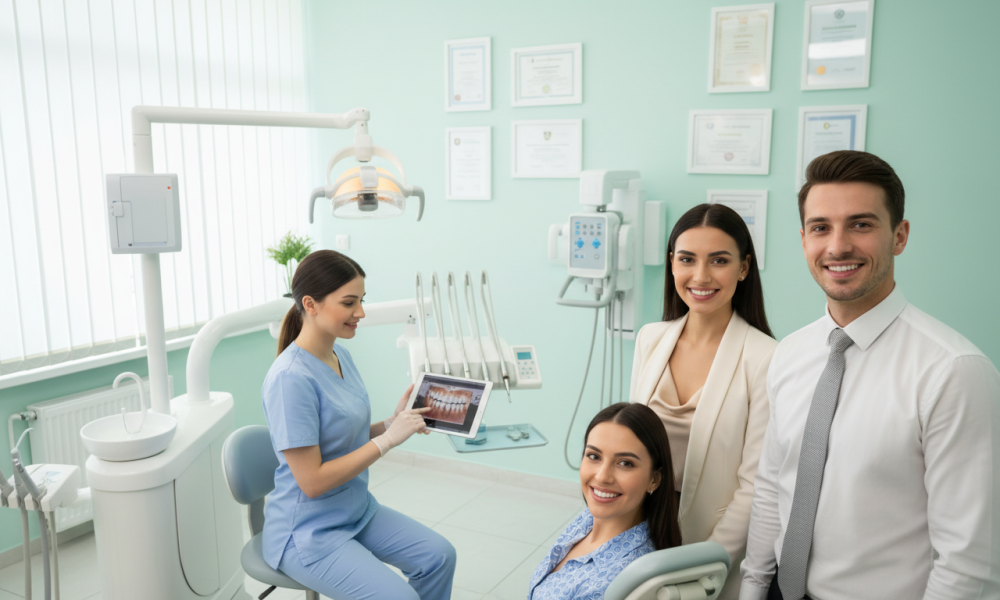
Ideal candidates often have deep discoloration, small chips, or gaps between their teeth. Slight misalignment or misshapen teeth can also be corrected without braces.
Health matters. Candidates must have healthy gums and enough enamel to support bonding. A dentist checks these factors during the consultation.
People who grind teeth can still be suited for a cosmetic veneer, though a night guard may be recommended. Realistic expectations about results and longevity help ensure satisfaction.
- Cosmetic concerns: stains, chips, small gaps.
- Minor alignment issues as an alternative to orthodontics.
- Healthy gum and enamel status confirmed at consultation.
- Willingness to follow aftercare for long-term durability.
| Trait | Assessment | Next step |
|---|---|---|
| Discolored tooth | Shade analysis | Consultation and plan |
| Chipped or cracked tooth | Structural exam | Repair then placement |
| Bruxism | Night guard fit | Protective care |
“A careful exam ensures any underlying issues are treated before the aesthetic work begins.”
Safety Standards and Clinic Accreditation
Regulation, training, and documented protocols form the backbone of reliable smile care.
Safety is enforced through clear rules. Reputable clinics must meet Turkish Ministry of Health standards for sterilization, equipment, and staff training.
Many leading centers hold international accreditation such as AACI. That seal shows adherence to global quality benchmarks and regular audits.
Qualified dentists and technicians attend continuing education and join international associations. Patients benefit from this experience during consultation and every procedure.
- Ask for credentials, licenses, and verified reviews before booking a package or hotel stay.
- Confirm the lab uses FDA or CE-approved materials like porcelain or composite restorations.
- Request a clear explanation of risks, steps, and expected durability so the price and time are transparent.
“Choosing an accredited facility gives international patients confidence that quality and safety come first.”
Navigating the Dental Tourism Experience
A clear itinerary turns a clinical procedure into a stress-free short break on the Mediterranean coast.
Practical support matters. Many clinics offer airport pickup, VIP transfers, and hotel booking to simplify logistics for international patients.
Dedicated coordinators handle language, appointments, and follow-up. That makes the treatment plan easier to follow and reduces stress during the stay.
- Choose a package that bundles consultation, diagnostics, and accommodation.
- Allow several days to rest after the procedure and enjoy local sites in Antalya, Istanbul, or Izmir.
- Read verified reviews and confirm materials—porcelain or composite—before booking.
| Inclusion | Typical Detail | Benefit |
|---|---|---|
| Clinic visits | Consultation & scans | Clear treatment plan |
| Accommodation | 3–5 star hotel | Comfort during recovery |
| Transfers | Airport and clinic rides | Less logistic stress |
“By choosing a well-planned package, patients can focus on care and their new smile while the clinic handles logistics.”
Comparing Porcelain and Composite Options
A clear trade-off exists between lasting beauty and speed of treatment.
Porcelain options deliver superior translucency and resist staining. They often last 15 years or more with regular check-ups and gentle care. Laminate veneers—thin porcelain shells—give a very natural finish for minor chips or gaps.
Composite resin offers a fast, cost-effective route. Many patients complete the procedure in a single day. Composite requires less enamel removal and makes a quick, visible improvement for those with limited time.
Choosing depends on bite, budget, and goals. A dentist evaluates tooth structure and suggests the best materials for durable results. Patients should weigh price, longevity, and aftercare when they compare types.
- Porcelain: top aesthetics, longer lifespan, higher cost.
- Composite: faster, lower cost, easier repairs.
“The right material aligns patient goals with long-term function and aesthetics.”
Understanding the Role of Digital Smile Design
Digital Smile Design gives patients a clear, virtual preview of their post-treatment smile.
What it does: DSD uses 3D scans and specialized software to model tooth shape, color, and alignment before any work begins. This virtual mock-up shows how veneers and porcelain or composite options will look.
Patients review the preview and suggest small changes. That involvement builds confidence and reduces surprises during the procedure.
Why it matters: The digital process raises precision by accounting for facial features and bite. It lowers the margin for error and helps the dentist and lab deliver predictable results.
- Improves communication between patient and clinic.
- Speeds decision-making during consultation and shortens visits or days in the clinic.
- Better outcomes for multi-tooth cases and full smile packages.
“Seeing a life-like preview transforms a consultation into a collaborative design session.”
Aftercare and Maintenance Tips
Good daily habits protect the look and function of a new smile.
Oral hygiene is the foundation. Brush twice daily with a soft brush and floss once a day to remove plaque around each tooth and veneer. Use a non-abrasive toothpaste to avoid dulling porcelain or composite surfaces.
Avoid biting hard items such as ice, hard candy, or nutshells. These actions can chip a veneer and force an unexpected visit to the clinic. If you grind teeth, ask the dentist about a night guard to protect materials and preserve durability.
Limit staining drinks and tobacco. Coffee, red wine, and smoking speed discoloration and affect long-term aesthetics. Rinse with water after stain-prone drinks and consider using a straw for cold beverages when suitable.
Schedule regular professional check-ups every six months. These visits let the dentist assess fit, check for decay under a veneer, and perform gentle polishing to keep surfaces bright. If sensitivity or discomfort appears after treatment, contact the clinic promptly for a follow-up assessment.
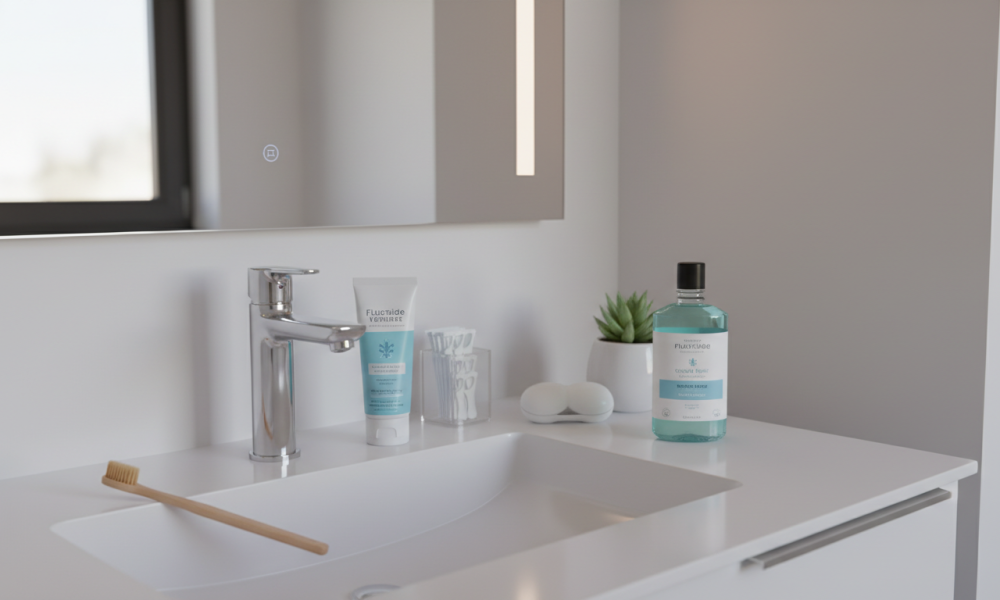
“Following the clinic’s aftercare plan is the best way to protect your investment and enjoy your new smile for years.”
| Aftercare Step | Frequency | Benefit |
|---|---|---|
| Brushing with soft brush | Twice daily | Removes plaque; preserves polish |
| Flossing | Daily | Prevents gum issues and decay |
| Professional check-up | Every 6 months | Early detection; maintenance |
| Avoid hard foods and habits | Ongoing | Prevents chipping and damage |
| Limit staining substances | Ongoing | Maintains long-term aesthetics |
Conclusion
A confident smile often begins with clear information and a trusted clinic.
Choosing care abroad can offer strong quality and noticeable savings. With porcelain and laminate veneers, skilled teams deliver lasting results that often span many years. Transparent price lists and packaged treatment options help international patients plan travel and stay with less stress.
Prioritize accredited clinics, ask about materials and guarantees, and follow aftercare advice to protect each tooth and the overall smile. Reach out to a reputable clinic to request a personalized quote and start the journey toward a brighter, durable smile.
FAQ
What does a veneer procedure usually involve?
A veneer treatment typically starts with a consultation and smile assessment. The dentist may take photos, X-rays and digital scans. For porcelain or laminate work, teeth are minimally prepared, impressions are taken, and temporary restorations may be placed. Final veneers are bonded in a follow‑up visit. Total visits usually fit into a short stay for international patients.
Which materials are commonly used for veneers and how do they differ?
The main options are porcelain (including feldspathic and lithium disilicate) and composite resin. Porcelain offers superior aesthetics, stain resistance and durability. Composite is less costly and can be done in one visit but stains and wears faster. Material choice affects longevity, price and the final look.
What factors most affect the price per tooth?
Price per tooth depends on the dentist’s experience, lab and material quality, whether digital smile design or custom shading is used, and any additional preparatory treatments like crowns or root canals. Clinic location and accreditation also influence cost.
Are there all‑inclusive packages for international patients?
Many clinics offer packages that combine consultation, treatment, lab fees, transfers, and hotel nights. Some include follow‑up care and local emergency support. Always check which services are listed and request itemized pricing before booking.
How long does a typical full‑mouth veneer process take for travelers?
Timelines vary by protocol. Porcelain veneers often require two to three visits over 5–10 days to allow lab fabrication and try‑ins. Composite or same‑day ceramic systems can shorten the trip to one or two days. The clinic will advise based on the chosen workflow.
What is the expected lifespan of porcelain versus composite restorations?
High‑quality porcelain veneers commonly last 10–20 years with proper care. Composite restorations generally last 5–8 years before repair or replacement is likely. Longevity depends on oral hygiene, bite habits and routine dental visits.
Who is an ideal candidate for veneers?
Candidates have healthy gums and teeth, want to correct discoloration, minor chips, gaps or shape concerns, and understand the procedure. Extensive decay, active gum disease or severe bite issues may require other treatments first.
How do clinics ensure safety and quality for international clients?
Reputable clinics hold accreditation, use sterilization protocols, and work with certified dental labs. Many publish dentist credentials and patient reviews. Ask for clinic accreditations, before‑and‑after cases and infection control policies.
How does cost in Turkey compare to other countries?
Prices in Turkey are generally lower than in the US, UK and much of Western Europe due to lower overhead while maintaining high clinical standards in many accredited centers. Cost differences reflect currency, labor and supply costs rather than quality alone.
Is a digital smile design useful and does it add to the price?
Digital smile design helps visualize results and improves communication between patient, dentist and lab. It often increases predictability and may add to the package price, but many patients find the extra cost worthwhile for a more precise outcome.
What aftercare is required once veneers are placed?
Aftercare includes good oral hygiene, avoiding hard or sticky foods, wearing a nightguard if you grind, and regular dental checkups. Porcelain veneers resist stains but still need routine polishing and exams to maintain gum health and fit.
Can veneers be repaired if damaged while traveling home?
Minor chips can sometimes be repaired with composite placeholders until a proper lab remake is done. For significant damage, return to the treating clinic or a local restorative dentist. Verify post‑treatment support and emergency contact details before travel.
Do follow‑up visits or warranties come with treatment packages?
Many clinics provide short‑term warranties and scheduled follow‑ups. Coverage varies: some include adjustments and remakes within a specified period, while others offer paid service for long‑term issues. Always get warranty terms in writing.
How should a patient choose the right clinic and dentist abroad?
Look for verified patient reviews, dentist qualifications, clinic accreditation, case galleries and transparent pricing. Request a video consultation, ask about lab partners and postoperative support, and compare multiple offers to make an informed choice.
Related guides
How Long Does a Dental Implant Procedure Take?
Curious if the journey to a restored smile will fit your life? Many patients wonder about the full…
Best Hair Transplant in Istanbul,Turkey
Could one clinic end years of worry and restore your confidence with a clear, tailored plan?Dr. Serkan Aygin…

What is Zygomatic Dental Implant?
Could anchoring into the cheekbone restore a confident smile when the upper jaw can’t?Zygomatic dental implants offer an…