
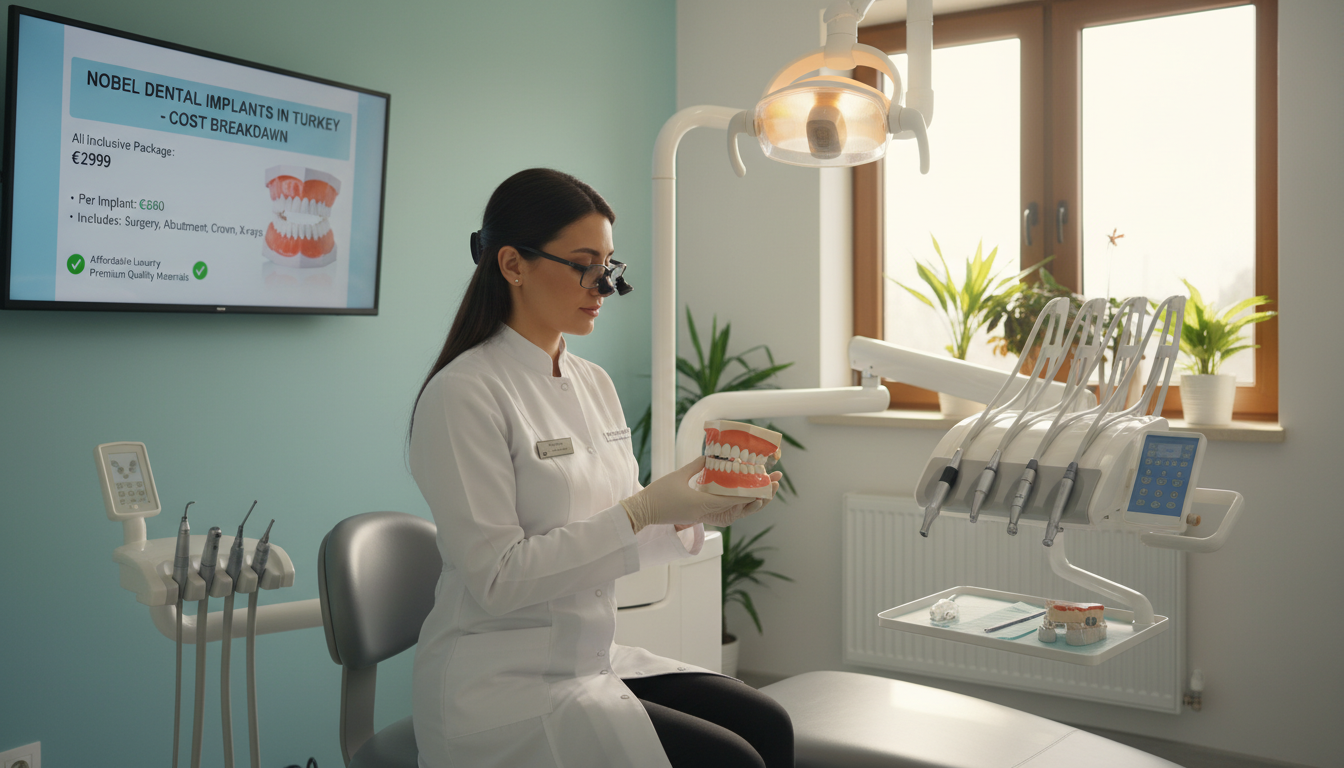
Curious how a trusted implant system can cost far less abroad without cutting corners?
The idea of traveling for a tooth replacement can feel bold, but many patients find the balance of quality and cost here both clear and reassuring.
Modern clinics follow international safety standards and use recognized systems that deliver long-term results. Clinics combine experienced teams, thorough consultations, and careful assessment of bone health to shape each treatment plan.
For U.S. patients weighing options, the implant cost per unit—around £590 for the well-known system—can mean significant savings versus domestic care. This short guide reviews the process from consultation to final results so readers can decide with confidence.
Key Takeaways
- Choosing a reputable clinic provides access to globally recognized implant systems and skilled dentists.
- Costs per unit are often lower than in the United States, offering measurable savings.
- Safety standards and modern facilities support successful treatment outcomes.
- Initial consultation and bone assessment shape the final quote and timeline.
- Review clinic experience, implant brands, and patient care when comparing options.
Understanding Nobel Biocare Implants
Understanding the science and history behind a leading brand helps patients make smarter choices.
History of the system
nobel biocare has been a pioneer in modern dentistry for decades. It helped shape techniques common in oral surgery today.
The company’s work spans clinical studies and product design that support consistent outcomes for patients and clinicians.
Titanium material benefits
Titanium is the backbone of reliable dental implants. Grade 4 commercially pure titanium offers biocompatibility and long-term strength.
The TiUnite surface on many systems enhances bonding with the jaw bone, promoting secure fusion over several months.
- Durability: Titanium has proven performance since the 1960s.
- Design: Titanium alloys, like Ti-6Al-4V, reinforce cap screws and abutments.
- Patient benefits: Faster healing and predictable load-bearing for years.
This review highlights why clinicians choose these implants for lasting restorations and why many patients feel confident in the investment.
Nobel Dental Implant Price in Turkey
Choosing care abroad requires clear numbers and a trusted team.
For many U.S. patients the average implant cost is about £590 per unit. This figure often includes the work of an experienced dentist and modern clinic facilities.
Comprehensive packages commonly bundle consultation, the surgery, the final crown or bridge, plus hotel and VIP transfers. That one-price approach helps avoid hidden costs and simplifies travel planning.
“Patients receive a detailed treatment plan and a transparent quote after a panoramic X‑ray or CT scan.”
Clinics use advanced imaging and international standards to plan each procedure. After the initial surgery, a healing period of several months is required before the final crown is fitted.
- The cost of single implants is significantly lower than comparable care in the United States.
- Packages include medication and coordinated care by a professional team.
- Our review shows clinics offer strong quality while keeping overall costs down.
Why Turkey is a Global Hub for Dental Tourism
Advanced equipment and experienced teams make Turkey a top choice for complex teeth restorations.
Modern infrastructure supports precise work. Clinics use 3D imaging and CT scanners for exact implant placement. This reduces surprises during surgery and shortens overall treatment time.
Many clinics hold AACI and ISO certifications. These badges show strong safety systems and strict sterilization procedures. Internationally trained dentists bring years of experience to complex bone grafts and sinus lifts.
Patients benefit from a smooth package: consultation, imaging, surgery, hotel, and VIP transfer. The team coordinates care and follow-up, so recovery over months is well managed.
At a glance
- High-quality care with competitive prices and experienced dentists.
- Advanced technology for safer, more predictable procedures.
- All-inclusive packages that simplify travel and recovery.
| Feature | What it means | Benefit for patients |
|---|---|---|
| 3D imaging & CT | Precise planning of implant placement | Fewer surprises during surgery; shorter treatment time |
| International certification | AACI / ISO standards | Consistent safety and quality control |
| Package care | Consultation to post-op follow-up | Streamlined travel and clear costs |
Comparing Costs Between the United States and Turkey
When dollars matter, comparing treatment costs across countries becomes essential.
In the United States a single Nobel Biocare unit often runs between $3,000 and $5,000. By contrast, similar care in Turkey starts from about £590 per unit. That gap mainly reflects lower operating and lab fees abroad.
Patients can save up to 70% on total dental treatment costs by traveling. Savings often offset travel and hotel expenses, especially for multi‑tooth work.
Both countries use the same global brands and follow similar surgical protocols. During consultation, clinics provide a clear quote covering surgery, crown work, and any bone grafting. Many international plans require two visits spread over several months.
| Country | Average Cost per Unit | What’s Included | Typical Savings |
|---|---|---|---|
| United States | $3,000–$5,000 | Consult + surgery + crown (varies) | Baseline for comparison |
| Turkey | From £590 | Consult, surgery, crown; packages common | Up to 70% vs US |
| Notes | — | Same implant brands; lab and operating costs differ | Transparent quotes lower surprise costs |
For a detailed cost breakdown, see the dental implant cost guide. This review helps patients weigh care, experience, and final outlay when choosing a clinic abroad.
Factors Influencing Your Final Treatment Quote
Understanding what drives the final number helps patients plan with confidence.
Final treatment costs hinge on specifics like jaw health, the number of fixtures, and material choices. A clear consultation and imaging give the dentist the data needed for a precise quote.
Bone Density Requirements
Bone quality is critical. If the jaw lacks density, the clinic may recommend a bone graft or sinus lift before implant placement.
Additional procedures add time and cost, but they improve long‑term success.
Number of Implants
More implants raise the overall implant cost and the length of surgery. Full‑mouth work uses many fixtures and often a staged approach over several months.
Restoration Materials
Choices such as zirconia or porcelain‑fused‑to‑metal affect aesthetics and the final price. A high‑quality zirconia bridge costs more but can offer superior looks.
- Every patient receives a personalized quote after panoramic X‑ray or CT scan.
- Packages often bundle surgery, crown placement, and follow‑up to reduce surprises.
- Transparency and experience help patients align budget and treatment goals.
| Factor | How it Affects Cost | Patient Impact |
|---|---|---|
| Bone graft / sinus lift | Increases total cost and recovery time | Enables stable implants; higher success rate |
| Number of implants | Directly proportional to price and surgery length | More fixtures for full restorations; higher implant cost |
| Restoration type | Zirconia vs PFM vs acrylic | Durability and aesthetics vary; affects long‑term value |
The Clinical Procedure for Implant Placement
A clear clinical roadmap helps patients understand each step from exam to final crown.
The process begins with a thorough consultation and 3D imaging to map jaw shape and bone quality. This imaging guides the exact placement of the dental implant and helps the dentist provide an accurate quote.
Surgery is done under local anesthesia so patients stay comfortable while the team places the titanium post into the bone. Many clinics fit temporary teeth right after the surgery to keep function and the smile intact during healing.
Osseointegration—when bone fuses to the post—takes about 3 to 6 months. During this period follow-up visits confirm stability and monitor care. The final stage installs a custom crown or bridge that matches natural teeth and completes the treatment.
Our review shows that coordinated care, clear instructions, and experienced teams improve long‑term results. Patients who follow post-op guidance report strong function, improved smile confidence, and predictable outcomes.
- Detailed exam and 3D plan
- Comfortable surgery and temporary teeth
- Months of healing, then crown or bridge
Benefits of Choosing Premium Implant Systems
Premium systems give patients clear, long-term advantages that matter for daily life.
Choosing a premium dental implant system gives patients measurable benefits after surgery. These systems are backed by more than 60 years of clinical research and refined experience.
Superior osseointegration reduces the risk of failure and fewer complications during the healing months. Advanced surface technologies speed bone bonding and shorten recovery time.
High-quality implants offer a wide range of prosthetic options. That means a crown or bridge that looks and functions like natural teeth. Many implant brands also provide strong warranties for long-term peace of mind.
“Patients who choose premium options often report more comfortable surgery and better long-term results.”
- Proven systems mean predictable outcomes and fewer surprises at consultation.
- Clinics trained in these systems place implants with high precision.
- Our review shows premium choices often lower long-term costs by reducing complications.
Essential Preparatory Procedures
Preparing the jaw for new fixtures often means a few extra steps before surgery—steps that protect long-term success.
Sinus Lift Procedures
A sinus lift adds bone to the upper jaw near the molars and premolars. It raises the sinus membrane so an implant can sit on solid bone.
Surgeons perform this when natural bone height is low. Healing may add several months to the overall treatment timeline.
Bone Grafting
Bone grafting rebuilds volume when the jaw lacks density or mass to support dental implants. The graft material can come from the patient, a donor, or a synthetic source.
After grafting, the site must mature before placing implants. This careful sequence improves long‑term stability for new teeth.
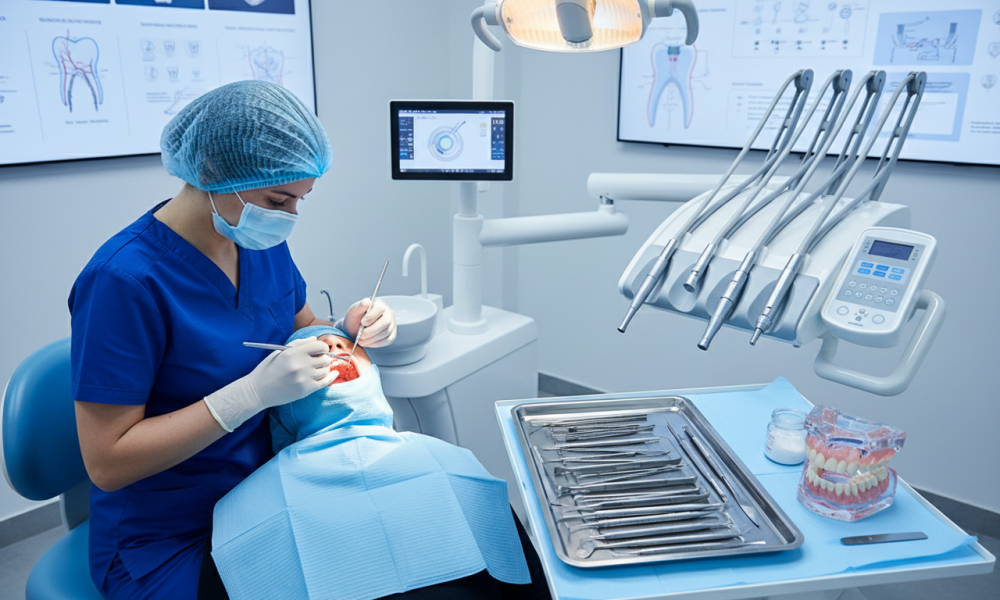
During consultation, the dentist assesses bone with 3D imaging and explains why additional procedures matter. Clinics with strong experience plan these steps into the cost and timeline so patients know what to expect.
- Why it matters: These preparatory procedures create a secure foundation for implants and reduce complication risk.
- Timeline: Healing for grafts or a sinus lift often takes months before final implant surgery.
- Our review: Patients who follow the staged plan usually report better function and durable results.
Recovery and Aftercare Expectations
Recovery is a process — small steps lead to lasting results.
Recovery after implant surgery often feels more manageable when patients know what to expect day by day. Mild swelling and discomfort are normal and respond well to prescribed medication and cold packs.
Patients should eat soft foods for the first few days to protect the surgical site. Gentle brushing keeps the area clean; use a soft brush and avoid hard scrubbing near the fixture.
Follow-up visits let the dentist confirm that the bone is integrating with the implant. Most people return to routine activities in a few days, but full healing takes several months as osseointegration completes.
- Plan for months: the treatment needs time for the bone to fuse and create a stable foundation.
- Stay in touch: clinics provide clear aftercare instructions and support if issues arise.
- Protect your smile: good oral hygiene and regular check-ups keep implants and bridges healthy for years.
“With the right aftercare, patients often find the recovery manageable and the long-term results well worth the effort.”
This review highlights that careful aftercare protects your investment and helps dental implants last. During your consultation, the team will outline follow-up timing, diet guidance, and when to fit the final crown or bridge.
Evaluating Clinic Quality and Safety Standards
Choosing where to have major oral surgery is as much about safety as it is about savings.
Start with credentials. Look for AACI accreditation and ISO certifications. These badges show high hygiene and safety systems at top dental clinics.
Ask during consultation about board‑certified oral surgeons and prosthodontists on the team. Experienced dentists and specialists reduce risk and improve treatment results.
Check technology and planning. Modern clinics use CBCT scans and digital guides to map precise implant placement. This process lowers surprises during surgery and helps long‑term outcomes.
- Read patient reviews and independent testimonials to gauge real‑world care.
- Confirm sterilization protocols and post‑op support for the months after surgery.
- Ask which implant brands the clinic uses and request a clear, written quote for the work and total cost.
“A clinic that explains the process clearly and shows documented results is worth closer review.”
Our review finds that clinics with a dedicated team, transparent pricing, and modern protocols deliver the best balance of quality and value for patients seeking dental implants abroad.
Navigating Travel and Accommodation Logistics
Travel logistics can feel daunting, but a well‑organized clinic team turns the trip into a simple, predictable plan.
Many clinics offer comprehensive packages that include hotel nights and VIP airport transfers. These packages simplify the cost and planning for patients who travel for surgery and follow‑up care.
Typical schedule: most patients make two visits — the first for surgery and the second for final restoration. The clinic’s patient coordinator handles appointments, transport, and local arrangements so patients can rest and recover.
- Choose a location that suits your needs — Antalya and Istanbul are popular and well served for accommodation.
- Discuss travel options during your consultation so the team can tailor the package and timeline.
- Planning ahead lets patients combine treatment with a short holiday and proper recovery time.
“A coordinated approach to travel and care reduces stress and helps patients focus on healing.”
Our review shows that clinics with dedicated coordinators and clear packages make the entire journey more comfortable. Patients report better outcomes when logistics are managed by a professional team.
Conclusion
Choosing the right system and clinic matters.
Selecting an established option such as nobel biocare offers a balance of high quality and accessible care. A clear, staged treatment plan helps patients set realistic expectations and timelines.
Research clinics, confirm credentials, and ask for a detailed quote. That approach reduces surprises and supports a durable result.
With careful planning and a reputable team, patients can achieve a functional, natural-looking smile that supports daily life and wellbeing. This guide aims to give clarity and confidence for the next step toward better oral health.
FAQ
What are Nobel Biocare implants and why are they recommended?
Nobel Biocare is a well-known implant system that uses high-grade titanium and proven designs. Clinicians often choose it for predictable osseointegration, long-term success, and compatibility with a range of prosthetic solutions. Patients benefit from extensive clinical research and global support for parts and repairs.
How does the titanium material used in premium implants help patients?
Titanium is biocompatible and bonds reliably with bone, which supports stable chewing and long-lasting results. It resists corrosion, is lightweight, and reduces the risk of allergic reaction for most patients. This material helps implants function like natural teeth over many years.
Why do many people travel to Turkey for implant treatment?
Turkey has developed modern clinics, experienced surgical teams, and competitive treatment packages. Many facilities offer comprehensive care—planning, surgery, prosthetics, and follow-up—alongside affordable accommodation and travel support, making it attractive for international patients.
How do costs compare between the United States and Turkey for premium implant systems?
Costs in the United States are generally higher due to clinic overhead, labor, and regulatory expenses. Clinics in Turkey often provide lower fees while maintaining quality care, which is why many patients consider travel for treatment. Exact differences depend on the clinic, procedures needed, and restoration type.
What factors determine a detailed treatment quote?
Final pricing depends on clinical factors like bone density, number of implants needed, restoration materials (zirconia crowns, porcelain-fused-to-metal, etc.), any preparatory procedures, and the experience of the surgical team. Diagnostic imaging and follow-up visits also affect the total cost.
How does bone density affect implant planning?
Sufficient bone density is crucial for implant stability. Low bone volume may require bone grafting or sinus lift procedures before placing implants. These preparatory steps add time and cost but are essential for long-term success and proper load distribution.
How many implants will I need to replace multiple missing teeth?
The number depends on your case and the chosen restoration. Single missing teeth usually require one implant. For full-arch solutions, clinicians may use fewer implants with bridges or fixed prostheses—common concepts include all-on-4 or all-on-6—to support a full set of restorations.
What restoration materials are commonly offered and how do they affect outcomes?
Common restorations include zirconia, porcelain-fused-to-metal, and acrylic prostheses over a fixed bar. Zirconia offers superior aesthetics and strength; PFM is cost-effective; acrylic may be used for temporary or lower-cost full-arch options. Material choice influences longevity, appearance, and price.
What should a patient expect during the implant placement procedure?
The process starts with consultation and imaging, followed by surgical placement of the implant into the jawbone under local anesthesia or sedation. After a healing period for osseointegration (usually several months), the clinician attaches an abutment and places the final crown or bridge.
What additional procedures might be necessary before implant surgery?
Some patients need sinus lift surgery, bone grafting, tooth extractions, or periodontal treatment to create a healthy foundation. These steps ensure adequate bone and soft-tissue support and reduce the risk of implant failure.
How long is the recovery after implant surgery and what aftercare is required?
Initial healing takes a few days to two weeks for soft tissue, while full osseointegration can take three to six months. Aftercare includes avoiding hard foods initially, maintaining oral hygiene, attending follow-up visits, and following any antibiotic or pain management instructions from the clinic.
How can patients evaluate the quality and safety standards of a clinic?
Check clinic accreditations, ask about sterilization protocols, surgical imaging capabilities (CBCT scans), and the qualifications of the implant team. Read verified patient reviews and request before-and-after cases. Transparency about implant brands and warranty policies is also important.
What logistical support do clinics usually provide for international patients?
Many clinics offer packages that include airport transfers, hotel booking, language assistance, initial consultation, and a coordinated treatment timeline. Confirm what’s included in your quote—clinic staff can often help arrange follow-up care or remote consultations after you return home.
How long do premium implant systems typically last, and what affects longevity?
With good oral hygiene and regular dental care, premium implants often last decades. Success depends on bone health, implant placement quality, restoration material, smoking status, and routine maintenance visits.
Can cancer patients or survivors receive implant treatment safely?
Many cancer survivors can receive implants, but timing matters—clinicians must evaluate recent treatments like radiotherapy or chemotherapy. A multidisciplinary approach with oncologists and restorative dentists ensures safety and optimal healing.
Will clinics provide a written warranty or guarantee on the implant and prosthetic work?
Policies vary by clinic and manufacturer. Many reputable centers offer warranties on prosthetic components and provide documentation for implant brand and serial numbers. Ask for written details before treatment and understand the terms for follow-up care or repairs.
Related guides
How Long Does a Dental Implant Procedure Take?
Curious if the journey to a restored smile will fit your life? Many patients wonder about the full…
Best Hair Transplant in Istanbul,Turkey
Could one clinic end years of worry and restore your confidence with a clear, tailored plan?Dr. Serkan Aygin…
What is Zygomatic Dental Implant?
Could anchoring into the cheekbone restore a confident smile when the upper jaw can’t?Zygomatic dental implants offer an…