

The Process: Revision Rhinoplasty in Turkey, step by step
- Enquiry: The first step in planning your revision rhinoplasty in Turkey is an initial enquiry. This can be done via email or phone, where you will provide basic details about your previous surgery, your concerns, and desired outcomes. A preliminary assessment may be conducted to determine your suitability for the procedure.
- Assessment: Once your enquiry is received, a detailed assessment is arranged. This typically involves sharing medical records, previous surgical details, and photographs of your nose. A virtual consultation may be scheduled with a certified plastic surgeon to discuss your case, expectations, and any potential risks involved. The surgeon will evaluate whether revision rhinoplasty is appropriate for you and explain the procedure in detail.
- Travel: After the assessment, if you are deemed suitable for the procedure, travel arrangements are made. DGS Healthcare can assist with logistics, including flights, accommodation, and airport transfers, ensuring a seamless experience. It is recommended to arrive in Turkey a few days before the surgery to acclimatize and attend any pre-operative appointments.
- Treatment Days: Upon arrival, pre-operative tests are conducted to ensure you are fit for surgery. On the day of the procedure, you will be admitted to the hospital where you will meet the surgical team. Revision rhinoplasty is performed under general anaesthesia and may take between 2 to 4 hours, depending on the complexity of the case. Post-surgery, you will be monitored in a recovery room before being transferred to your hospital room.
- Discharge: Typically, patients are discharged 1 to 2 days post-surgery. Before leaving, you will receive detailed post-operative care instructions, prescriptions for medications, and a schedule for follow-up appointments. It’s crucial to follow the surgeon’s guidelines to ensure optimal healing.
- Follow-up: After returning home, follow-up is managed through virtual consultations. Regular updates and photographs are shared with your surgeon to monitor progress. Any concerns or complications can be addressed promptly. Full recovery and visible results may take up to 12 months, but initial improvements are often noticeable within weeks.
What Revision Rhinoplasty is and who it is for
Revision rhinoplasty, also known as secondary rhinoplasty, is a surgical procedure designed to correct or improve the results of a previous nose surgery. It is often sought by patients who are dissatisfied with the aesthetic or functional outcomes of their initial rhinoplasty. Common reasons for undergoing revision rhinoplasty include asymmetry, breathing difficulties, over-resection or under-resection of nasal structures, and dissatisfaction with the overall shape or size of the nose.
This procedure is more complex than primary rhinoplasty due to the presence of scar tissue and altered anatomy from the previous surgery. As such, it requires a skilled and experienced surgeon who specializes in nasal reconstruction. The ideal candidate for revision rhinoplasty is someone who is in good general health, has realistic expectations, and has allowed sufficient time for healing from the initial surgery (typically at least one year).
Revision rhinoplasty can address both cosmetic and functional issues. Aesthetic improvements may include refining the nasal tip, correcting asymmetry, or altering the nasal bridge. Functional corrections often involve improving airflow through the nostrils, which may have been compromised during the initial procedure.
Patients considering revision rhinoplasty should be prepared for a detailed consultation process, as the surgeon needs to thoroughly assess the current condition of the nose, understand the patient’s goals, and develop a tailored surgical plan. It is also important for patients to understand that while revision rhinoplasty can significantly enhance the appearance and function of the nose, the complexity of the procedure means that achieving perfection is challenging.
In summary, revision rhinoplasty is a highly individualized procedure aimed at enhancing the results of a previous nose surgery. It is suitable for those who have specific concerns about their nose’s appearance or function post-primary rhinoplasty and are seeking improvement from a skilled surgeon in Turkey.

Are you a candidate? Criteria and preparation
Revision rhinoplasty is a complex procedure typically performed on patients who have previously undergone nasal surgery. Determining if you are a suitable candidate involves a comprehensive evaluation of your medical history, current nasal structure, and overall health. The primary criteria for consideration include dissatisfaction with the outcome of your initial rhinoplasty, functional issues such as breathing difficulties, or aesthetic concerns that have not been resolved. It is essential to have realistic expectations and a clear understanding of the potential risks and benefits.
Before undergoing revision rhinoplasty, patients should ensure they are in good general health. This includes being free from chronic illnesses that could impair healing, such as uncontrolled diabetes or autoimmune disorders. Smoking significantly affects the healing process, so candidates are advised to quit smoking at least several weeks prior to the procedure. Adequate time should have elapsed since the initial surgery, usually a minimum of 12 months, to allow for complete healing and stabilization of nasal tissues.
Psychological readiness is also a crucial factor. Candidates should be mentally prepared for the possibility of multiple procedures and have a supportive network in place. It is advised to discuss all concerns and questions with a qualified surgeon during the consultation phase. This will help establish a mutual understanding of the expected outcomes and limitations of revision rhinoplasty.
- Have you waited at least 12 months since your last rhinoplasty?
- Are you in good overall health and free from chronic conditions that could affect recovery?
- Have you ceased smoking at least a few weeks before the planned surgery date?
- Do you have realistic expectations and a clear understanding of the potential risks?
- Have you consulted with a qualified surgeon to discuss your concerns and goals?
- Are you prepared for the possibility of more than one surgery to achieve the desired outcome?
Preparation for revision rhinoplasty involves several key steps. Initially, a detailed consultation with a board-certified plastic surgeon in Turkey is crucial. During this consultation, your surgeon will review your medical history, assess the nasal structure through physical examination and possibly imaging studies, and discuss your goals and expectations. This is the time to address any concerns and clarify the details of the procedure.
In preparation for surgery, patients may be required to undergo certain laboratory tests and medical evaluations to ensure they are fit for the procedure. It is also important to follow pre-operative instructions, such as dietary restrictions and medication adjustments, to minimize risks during surgery and enhance recovery. Adhering to these guidelines will help ensure a smoother surgical experience and a quicker recovery process.
Techniques and options available in Turkey
Turkey has emerged as a leading destination for revision rhinoplasty, offering a variety of advanced techniques and options tailored to meet the diverse needs of international patients. The choice of technique is influenced by the specific issues to be addressed, such as structural deformities, aesthetic concerns, or functional impairments. The expertise of Turkish surgeons in both traditional and innovative methods ensures high-quality outcomes for patients seeking corrective nasal surgery.
Open rhinoplasty is one of the most commonly employed techniques for revision procedures. It involves making an incision across the columella, the tissue between the nostrils, allowing the surgeon full access to the underlying nasal structure. This visibility is particularly advantageous in complex cases where significant reconstruction is required. Open rhinoplasty is preferred for patients needing extensive reshaping or correction of previous surgical errors.
Closed rhinoplasty, on the other hand, involves incisions made within the nostrils, resulting in no visible scarring. This technique is suitable for patients requiring minor adjustments and is typically associated with a shorter recovery time. However, it offers limited visibility and access, making it less suitable for complex revisions. The choice between open and closed techniques is made based on the surgeon’s assessment and the specific needs of the patient.
In addition to these traditional approaches, Turkish clinics offer innovative options such as ultrasonic rhinoplasty. This technique uses high-frequency sound waves to precisely sculpt the nasal bones, minimizing damage to surrounding tissues. The benefits of ultrasonic rhinoplasty include reduced swelling and bruising, leading to a quicker recovery period. This method is particularly advantageous for patients concerned about post-operative downtime.
Cartilage grafting is often a critical component of revision rhinoplasty, especially in cases where previous surgeries have resulted in the loss of structural support. Surgeons may harvest cartilage from the patient’s septum, ear, or rib to reconstruct the nasal framework. This approach is essential for restoring both form and function, ensuring a durable and aesthetically pleasing outcome.
Another option available in Turkey is the use of 3D imaging and simulation technologies during the planning phase. These advanced tools allow surgeons to create detailed models of the patient’s nasal structure, facilitating precise surgical planning and enabling patients to visualize potential outcomes. This technology enhances communication between the surgeon and patient, ensuring that expectations are aligned and improving overall satisfaction with the results.
Finally, the cost of revision rhinoplasty in Turkey is an important consideration for international patients. While prices can vary based on the complexity of the procedure and the chosen clinic, Turkey generally offers competitive rates compared to other countries. Indicative cost ranges are typically provided during the initial consultation, allowing patients to make informed decisions about their care.
Recovery and aftercare timeline
Undergoing revision rhinoplasty is a significant decision, and understanding the recovery process is crucial for optimal results. The recovery period for revision rhinoplasty is generally longer than that of a primary rhinoplasty due to the complexity of the procedure. However, with careful management and adherence to aftercare instructions, patients can achieve satisfactory outcomes.
Below is a detailed recovery and aftercare timeline to help patients understand what to expect and how to manage their recovery effectively:
| Period | What to expect | Care notes |
|---|---|---|
| First 48 hours | Swelling and bruising around the nose and eyes are common. Patients may experience discomfort and nasal congestion. | Keep the head elevated to reduce swelling. Use cold compresses as instructed by your surgeon. Avoid strenuous activities. |
| Days 3-7 | Swelling and bruising begin to subside. Nasal splints or packing may be removed by the surgeon. | Continue to sleep with the head elevated. Follow your surgeon’s advice regarding nasal hygiene practices. Attend follow-up appointments. |
| Weeks 2-3 | Visible bruising usually resolves. Swelling decreases but may persist. Breathing through the nose becomes easier. | Gradually resume light activities. Avoid blowing your nose. Protect the nose from sun exposure and injury. |
| Months 1-3 | Swelling continues to subside. The shape of the nose becomes more refined. Patients can typically resume normal activities. | Attend regular follow-up visits. Maintain nasal hygiene. Avoid impact sports or activities that risk nasal injury. |
| Months 6-12 | Final results become more apparent. Minor swelling may persist, particularly in the nasal tip. | Continue to protect the nose from trauma. Adhere to any long-term care instructions provided by your surgeon. |
It is essential for patients to follow the surgeon’s aftercare instructions meticulously to ensure a smooth recovery and to minimise the risk of complications. Regular follow-up appointments with the surgeon are crucial to monitor the healing process and to address any concerns promptly. Patients are encouraged to communicate openly with their healthcare provider about any unusual symptoms or discomfort experienced during recovery.
Risks, safety and how accredited Turkish providers manage them
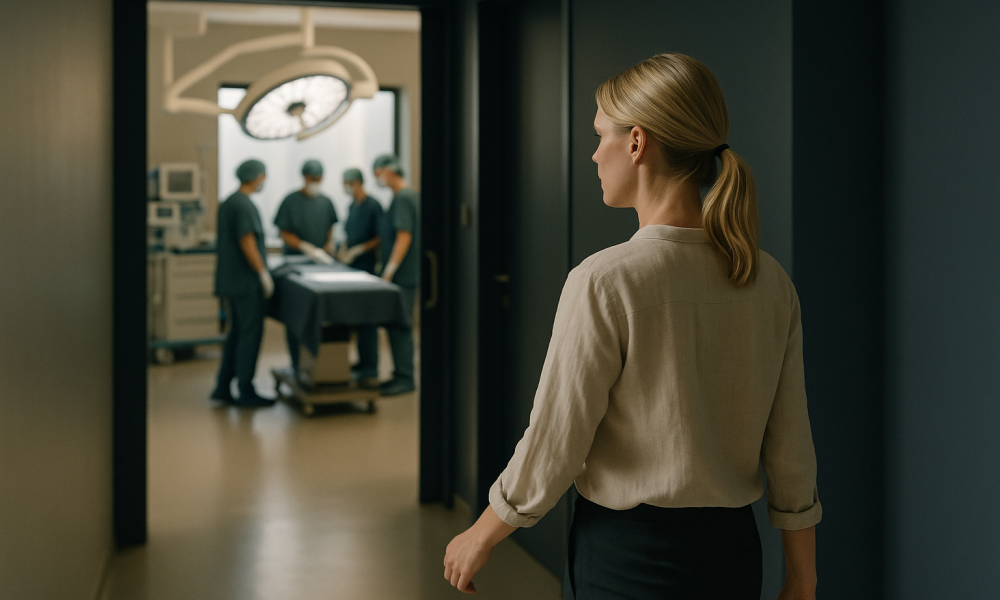
Revision rhinoplasty, like any surgical procedure, carries certain risks and potential complications. It is essential for patients to be aware of these risks and to choose a qualified and experienced surgeon to perform the procedure. Accredited Turkish healthcare providers are equipped with the expertise and facilities to manage these risks effectively, ensuring patient safety and satisfaction.
Common risks associated with revision rhinoplasty include infection, bleeding, scarring, and anaesthesia-related complications. There is also the potential for dissatisfaction with aesthetic outcomes, as well as functional issues such as breathing difficulties. However, these risks can be significantly mitigated through careful surgical planning and execution.
Accredited Turkish clinics adhere to international safety standards and protocols to minimise risks and enhance patient safety. These measures include:
- Preoperative Assessment: Comprehensive evaluations are conducted to assess the patient’s overall health, previous surgical history, and specific goals for revision rhinoplasty. This includes detailed discussions about the risks and benefits of the procedure.
- Experienced Surgeons: Reputable Turkish clinics employ board-certified surgeons with extensive experience in revision rhinoplasty. These specialists are skilled in addressing the complexities of revision cases and tailoring surgical techniques to the patient’s unique needs.
- State-of-the-Art Facilities: Clinics in Turkey are equipped with advanced medical technology and facilities that support safe and effective surgical procedures. This includes modern operating theatres and high standards of sterilisation and hygiene.
- Postoperative Care: Thorough postoperative care plans are implemented to monitor the patient’s recovery closely. This includes regular follow-up appointments, access to medical support, and detailed aftercare instructions to ensure optimal healing.
- Patient Education: Patients are provided with comprehensive information about the procedure, including potential risks and realistic expectations. This empowers patients to make informed decisions and to participate actively in their care.
Furthermore, Turkish healthcare providers often offer multilingual support to accommodate international patients, ensuring clear communication and understanding throughout the treatment process. By choosing an accredited clinic in Turkey, patients can benefit from high-quality care, expert surgical skills, and a focus on safety and patient satisfaction. It is crucial for patients to conduct thorough research and select a clinic with a proven track record in revision rhinoplasty to achieve the best possible outcomes.
Choosing the right provider in Turkey
When considering revision rhinoplasty in Turkey, selecting the right provider is crucial to achieving the desired outcome. Accreditation is a key factor to consider; it ensures that the clinic adheres to international standards of medical care. Look for clinics accredited by organizations such as the Joint Commission International (JCI) or the Turkish Ministry of Health. These accreditations indicate that the clinic meets stringent quality and safety standards.
Surgeon experience is equally important. A skilled surgeon with extensive experience in revision rhinoplasty can make a significant difference. Review the surgeon’s credentials, training, and professional memberships. Surgeons who are members of prestigious organizations like the European Academy of Facial Plastic Surgery (EAFPS) or the Rhinoplasty Society of Europe are often well-regarded in their field.
Patient reviews and before-and-after photos can provide insights into the surgeon’s expertise. Look for consistent positive feedback regarding both the aesthetic outcomes and the level of care provided. It’s also helpful to consult with former patients if possible, to get a personal perspective on their experiences.
Be wary of red flags such as clinics that promise guaranteed results or those that offer prices significantly lower than the average. While cost is an important consideration, quality care should not be compromised. Clinics that do not provide clear information about their surgeons’ qualifications or are reluctant to answer questions should be approached with caution.
Finally, consider the clinic’s facilities and post-operative care services. A reputable clinic will offer comprehensive post-operative support, including follow-up appointments and emergency contact options. This ensures that any complications can be addressed promptly and effectively, providing peace of mind during your recovery.
Revision Rhinoplasty Cost in Turkey
Understanding the cost of revision rhinoplasty in Turkey involves comparing it with prices in other countries and understanding what these costs cover. The cost of revision rhinoplasty in Turkey typically ranges from £2,500 to £4,500. This is significantly more affordable than in the UK, where costs range from £6,000 to £10,000, or in the US, where they can range from $8,000 to $15,000. In Germany, the cost is typically between €5,000 and €9,000, while in Australia and Canada, prices range from AUD $10,000 to $15,000 and CAD $9,000 to $14,000, respectively.
| Country | Indicative Price Range |
|---|---|
| Turkey | £2,500 – £4,500 |
| UK | £6,000 – £10,000 |
| US | $8,000 – $15,000 |
| Germany | €5,000 – €9,000 |
| Australia | AUD $10,000 – $15,000 |
| Canada | CAD $9,000 – $14,000 |
Many clinics in Turkey offer all-inclusive packages that can provide additional value. These packages often cover the cost of the surgery, pre-operative consultations, post-operative care, accommodation, and airport transfers. Some may even include a personal assistant or translator to facilitate communication and ease the patient experience.
The cost can vary based on several factors, including the complexity of the surgery, the surgeon’s experience, the clinic’s location, and the level of aftercare provided. It’s important to understand what is included in the quoted price to avoid unexpected expenses. Always request a detailed breakdown of costs and services included in your quote.
When reviewing quotes, ensure that they include all necessary components of the surgery process. This should cover the surgeon’s fees, anaesthesia, hospital charges, and any required follow-up visits. Be cautious of low quotes that may exclude critical aspects of care, leading to additional charges later.
In summary, while the cost of revision rhinoplasty in Turkey is generally lower than in many Western countries, it’s essential to ensure that the quote you receive is comprehensive and transparent. This will help you make an informed decision and ensure a smooth experience.
Frequently Asked Questions
What factors affect the cost of revision rhinoplasty in Turkey?
The cost of revision rhinoplasty in Turkey can be influenced by several factors, including the complexity of the procedure, the surgeon's level of experience, the clinic's location, and the type of aftercare provided. Additional factors might include the need for specialised techniques or materials and the duration of hospital stay if required.
Are all-inclusive packages for revision rhinoplasty in Turkey worth it?
All-inclusive packages can offer good value, as they typically cover surgery, accommodation, and transfers, minimising unexpected expenses. However, it is crucial to review what is included in such packages and ensure that all necessary medical services and follow-ups are covered. Comparing different packages can help determine their worth.
Is it safe to have revision rhinoplasty in Turkey?
Turkey is a popular destination for medical tourism, offering high-quality healthcare standards. Many clinics are accredited by international bodies, ensuring compliance with global safety protocols. However, it is essential to choose a reputable clinic with experienced surgeons and verify their credentials to ensure the safety and success of the procedure.
How long is the recovery period after revision rhinoplasty?
The recovery period for revision rhinoplasty typically spans several weeks, with most patients returning to normal activities within two weeks. However, complete healing and final results may take several months. It's important to follow the surgeon’s post-operative care instructions carefully to ensure optimal recovery.
What should I look for in a revision rhinoplasty surgeon?
When selecting a revision rhinoplasty surgeon, consider their qualifications, experience, and professional memberships. Look for surgeons who specialise in rhinoplasty and have a robust portfolio of successful revision cases. Patient reviews and before-and-after photos can also provide valuable insights into their expertise.
Can I combine revision rhinoplasty with other procedures in Turkey?
Yes, it is possible to combine revision rhinoplasty with other cosmetic procedures. However, this should be discussed with your surgeon, who will evaluate your overall health and the feasibility of combining surgeries safely. Combining procedures might also affect the total cost and recovery time.
What are the risks associated with revision rhinoplasty?
Like any surgical procedure, revision rhinoplasty carries risks such as infection, bleeding, and anaesthesia complications. Additionally, there is a risk of unsatisfactory aesthetic results, which is why selecting a highly experienced surgeon is crucial. Discuss all potential risks and complications with your surgeon beforehand.
How soon can I travel after revision rhinoplasty?
Patients are generally advised to wait at least one to two weeks before flying after revision rhinoplasty to minimise the risk of complications. It is important to follow your surgeon's specific recommendations regarding travel and to ensure that you have access to appropriate follow-up care if needed.
What should I expect during the initial consultation for revision rhinoplasty?
During the initial consultation, the surgeon will discuss your goals, evaluate your nasal structure, and review your medical history. This is an opportunity to discuss any concerns, ask questions, and understand the surgical plan and expected outcomes. The consultation will also cover the risks, benefits, and costs involved.
How can I verify a clinic's accreditation in Turkey?
You can verify a clinic’s accreditation by checking if it is listed with international accrediting bodies such as the Joint Commission International (JCI). Additionally, you can contact the Turkish Ministry of Health for confirmation of a clinic's accreditation status. Reputable clinics often display their accreditation certificates as well.
What happens if I am not satisfied with the results of my revision rhinoplasty?
If you are not satisfied with the results, it is important to discuss your concerns with your surgeon. Reputable clinics will have procedures in place to address patient dissatisfaction and may offer revisions or alternative solutions. Ensure that such policies are discussed and understood before undergoing surgery.
Are there non-surgical alternatives to revision rhinoplasty?
Non-surgical options, such as dermal fillers, can address minor nasal imperfections but are not a substitute for revision rhinoplasty. These alternatives are typically temporary and best suited for subtle adjustments. For structural corrections, surgical revision remains the most effective approach.