
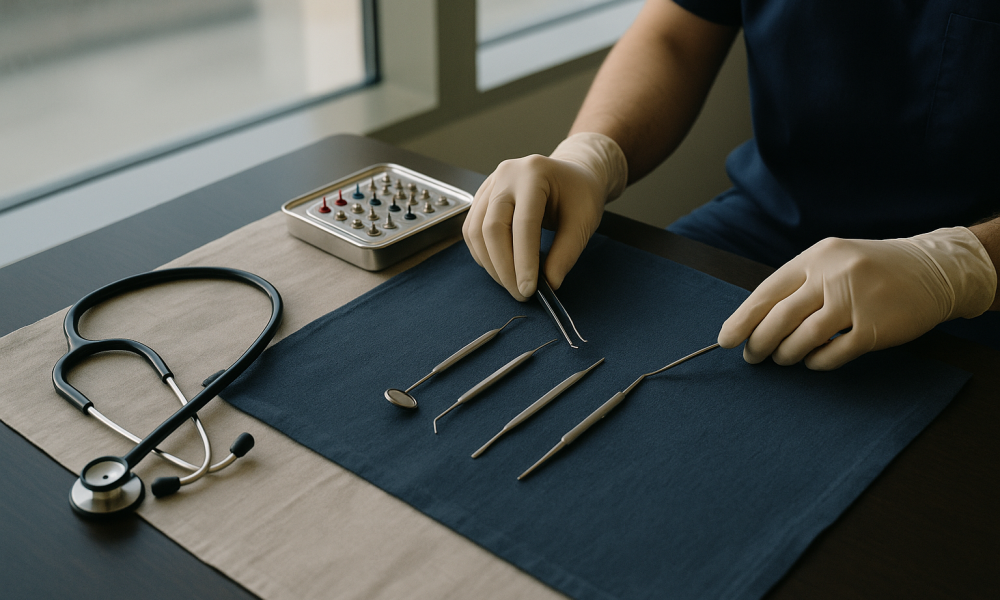
What All-on-4 Dental Implants is and who it is for
The All-on-4 dental implant procedure is a revolutionary technique designed to provide a full set of teeth using just four implants to support an entire arch. This approach is particularly beneficial for individuals who have lost most or all of their teeth due to decay, gum disease, or trauma. The procedure involves the strategic placement of implants in the jawbone, which then support a full denture. This method is less invasive compared to traditional dental implants that might require six to eight implants per arch, making it a quicker and often more affordable option.
The All-on-4 procedure is typically completed within a single day, allowing patients to leave the clinic with a new set of functioning teeth. It utilises two implants at the front of the mouth, positioned vertically, and two implants at the back, placed at an angle to maximise the use of available bone. This angled placement is key to the procedure’s success, particularly for patients with less bone density, as it often eliminates the need for bone grafting.
Patients who choose All-on-4 implants can expect immediate improvements in their oral functionality and aesthetics. The prosthetic teeth are designed to look and feel like natural teeth, providing a significant boost in confidence and quality of life. While the procedure is predominantly performed under local anaesthesia, sedation options are available for those who experience dental anxiety. Recovery times are generally swift, with most patients resuming daily activities within a few days, although full osseointegration of the implants with the jawbone may take several months.
All-on-4 dental implants are ideal for individuals who are edentulous or have teeth that are beyond repair. They offer a stable and long-term solution for tooth loss, with studies indicating success rates of over 95% when proper care is taken. Furthermore, opting for treatment in Turkey can provide significant cost savings, with prices typically ranging from £3,000 to £5,000, depending on the complexity of the case and the materials used. This is considerably more affordable compared to costs in the United States, which can exceed £20,000.
Are you a good candidate?
Determining whether you are a good candidate for All-on-4 dental implants involves several key factors. The procedure is highly effective for many patients, but certain criteria must be met to ensure optimal outcomes. Here are some considerations to help you assess your suitability:
- General Health: Candidates should be in good overall health. Chronic conditions such as diabetes or heart disease need to be well-controlled as they can affect healing and implant success.
- Oral Health: While the All-on-4 technique is suitable for those with severe tooth loss, a healthy oral environment is crucial. Any active infections or gum disease should be addressed prior to implant placement.
- Bone Density: Adequate bone density in the jaw is necessary to support the implants. While the angled placement of implants in the All-on-4 procedure may reduce the need for bone grafts, extremely low bone density may still require additional interventions.
- Non-Smoker: Smoking can significantly impair healing and decrease the success rate of dental implants. Candidates are advised to quit smoking prior to undergoing the procedure.
- Commitment to Oral Hygiene: Maintaining excellent oral hygiene is essential for the longevity of the implants. Candidates must be committed to regular dental check-ups and proper oral care.
- Realistic Expectations: Understanding the scope and limitations of the procedure is crucial. While All-on-4 implants offer a dramatic improvement in function and aesthetics, they are not identical to natural teeth.
It is important to consult with a qualified dental professional who can assess your individual situation and provide personalised advice. This assessment will typically include a thorough examination of your dental and medical history, as well as imaging studies such as X-rays or CT scans to evaluate bone structure. By ensuring that you meet these essential criteria, you can increase the likelihood of a successful outcome and enjoy the benefits of a restored smile.
The procedure, step by step
The All-on-4 dental implants procedure is a sophisticated treatment designed to provide patients with a full set of fixed prosthetic teeth supported by four strategically placed implants. This approach is particularly beneficial for those who have lost most or all of their teeth and are seeking a more permanent solution than traditional dentures. Here is a step-by-step breakdown of what the procedure typically entails:
- Initial Consultation and Assessment: The process begins with a comprehensive consultation with a dental specialist. During this session, the dentist will conduct a thorough examination, which includes X-rays and possibly a 3D CT scan to assess bone density and structure. This is crucial for planning the precise placement of the implants. Patients will also discuss their medical history and any medications they are currently taking.
- Implant Design and Treatment Planning: Using the data collected from the initial assessment, a personalised treatment plan is developed. This includes designing the prosthetic teeth and determining the optimal placement of the implants to ensure stability and durability.
- Pre-Surgical Preparations: Before the surgery, patients may be advised to follow specific guidelines such as fasting or adjusting certain medications. A local or general anaesthetic will be administered to ensure comfort during the procedure.
- Implant Placement: During the surgery, four titanium implants are strategically placed into the jawbone. The posterior implants are angled to maximise contact with the bone, which often eliminates the need for bone grafting. This step typically takes 2-3 hours.
- Immediate Loading of Temporary Prosthesis: One of the distinctive features of the All-on-4 technique is the ability to attach a temporary prosthesis immediately after implant placement. This allows patients to leave the clinic with a functional set of teeth while the implants integrate with the bone.
- Healing and Osseointegration: Over the next few months, the implants will naturally fuse with the jawbone in a process called osseointegration. This is essential for the long-term success of the implants.
- Final Prosthesis Placement: Once healing is complete and the implants are securely integrated, the temporary prosthesis is replaced with a custom-made final prosthesis. This is typically done 3-6 months post-surgery, ensuring a perfect fit and natural appearance.
Throughout the procedure, patients are closely monitored to ensure optimal outcomes and address any concerns that may arise.
Recovery timeline
Following the All-on-4 dental implants procedure, patients can expect a recovery period that varies from individual to individual. Generally, the recovery process is straightforward, but understanding what to expect can help patients manage their post-operative care effectively. Here is a detailed recovery timeline:
| Period | What to expect | Care notes |
|---|---|---|
| Day 1 | Patients may experience swelling, minor bleeding, and discomfort. Numbness from anaesthesia may persist for several hours. | Rest is crucial. Apply ice packs to reduce swelling. Follow prescribed pain management and take antibiotics if advised. |
| Days 2-3 | Swelling typically peaks. Discomfort should start to decrease. Soft diet recommended. | Continue with soft foods like soups and smoothies. Avoid hot foods and beverages. Maintain oral hygiene with gentle rinsing. |
| Week 1 | Swelling and bruising begin to subside. Minor discomfort might persist. | Attend follow-up appointment. Gradually introduce more varied soft foods. Continue prescribed oral care routine. |
| Weeks 2-3 | Most swelling and discomfort should resolve. Patients can start resuming normal activities. | Begin gentle brushing around the implant area. Avoid strenuous activities that may impact healing. |
| Month 1 | Implants continue to heal and integrate with the bone. | Regular dental check-ups are essential to monitor progress. Adjust diet as comfort improves. |
| Months 3-6 | Osseointegration period; implants become more stable. | Final prosthesis is typically fitted during this period. Maintain routine dental visits for adjustments and monitoring. |
| Full recovery | Complete healing and full function of implants. | Adopt a regular dental hygiene routine and attend periodic check-ups to ensure the longevity of the implants. |
By adhering to the care instructions and keeping up with scheduled dental visits, patients can ensure a smooth recovery and enjoy the full benefits of their new All-on-4 dental implants.
What it costs: Turkey vs the United States
When considering All-on-4 dental implants, cost is a significant factor for many patients. Turkey has become a popular destination for this treatment due to its competitive pricing compared to the United States. However, it is important to note that the figures provided here are indicative and can vary based on numerous factors, including the specific clinic, the expertise of the dental surgeon, and the materials used.
In the United States, the cost of All-on-4 dental implants typically ranges from $20,000 to $35,000 per arch. This price often includes the cost of consultations, the surgical procedure, the implants themselves, and follow-up appointments. However, additional costs may arise for pre-surgical evaluations, such as CT scans and any necessary extractions or bone grafts.
In contrast, the cost of All-on-4 dental implants in Turkey generally falls between $5,000 and $15,000 per arch. This lower cost is not an indication of inferior quality; rather, it reflects the lower cost of living and operational expenses in Turkey, as well as the competitive nature of the medical tourism market.
| Country | Indicative Price Range (per arch) | Typical Inclusions |
|---|---|---|
| United States | $20,000 – $35,000 | Consultations, surgery, implants, follow-ups |
| Turkey | $5,000 – $15,000 | Consultations, surgery, implants, follow-ups, accommodation, transfers |
Many clinics in Turkey offer packages that include not only the dental treatment but also accommodation, airport transfers, and sometimes even guided tours. These packages can offer significant convenience and value for international patients. It is advisable to enquire about what exactly is included in the quoted price to avoid unexpected expenses.
When comparing costs, it is essential to consider the total experience rather than focusing solely on the procedure price. The expertise of the dental team, the quality of the facilities, and the level of post-operative care are all critical factors that can influence the overall value of the treatment. Prospective patients are encouraged to conduct thorough research and consult with multiple providers to ensure they receive the best possible care within their budget.
Risks and how accredited providers manage them
Like any surgical procedure, All-on-4 dental implants come with certain risks. It is crucial for patients to be aware of these risks and understand how accredited providers in Turkey manage them to ensure patient safety and optimal outcomes.
One of the primary risks associated with dental implants is infection. To mitigate this risk, accredited clinics in Turkey adhere to stringent sterilisation protocols. They utilise state-of-the-art equipment and maintain high standards of hygiene to prevent bacterial contamination during and after the surgery.
Another potential risk is implant failure. This can occur if the implant does not properly integrate with the jawbone. Accredited providers manage this risk by conducting thorough pre-operative assessments, including imaging studies like CT scans, to evaluate bone density and ensure the patient’s suitability for the procedure. They also use high-quality implant materials that are compatible with human tissue.
Nerve damage is a less common but serious risk. To avoid this, experienced dental surgeons in Turkey perform precise surgical planning and execution. They often employ digital guidance systems to enhance accuracy during implant placement, reducing the likelihood of complications.
Accredited providers also address the risk of prosthetic complications, such as loosening or fracture of the dental prosthesis. They typically offer follow-up care that includes regular check-ups and adjustments to ensure the long-term stability and functionality of the implants.
Communication is key in managing risks effectively. Reputable clinics ensure that their patients are well-informed about the procedure, potential risks, and post-operative care instructions. This includes providing detailed pre-operative consultations and written guidelines for aftercare to promote healing and minimise complications.
Accreditation by international bodies, such as the Joint Commission International (JCI), is a hallmark of quality and safety. Clinics with such accreditation are committed to maintaining high standards and continuous improvement. Patients should look for these credentials when choosing a provider to ensure they receive care that meets international standards.
In summary, while risks are inherent in the All-on-4 dental implant procedure, accredited providers in Turkey employ comprehensive strategies to minimise them. By choosing a reputable clinic and following post-operative care instructions diligently, patients can significantly enhance their chances of a successful outcome.
How to choose the right provider
When considering All-on-4 dental implants in Turkey, selecting the right provider is crucial to ensuring a safe and successful outcome. Start by researching the accreditation of the dental clinic. Look for clinics that are certified by recognised international bodies such as the Joint Commission International (JCI) or the International Organization for Standardization (ISO). These accreditations indicate that the clinic adheres to high standards of safety and quality.
Another important factor is the experience and qualifications of the surgeon. Check if the dentist or oral surgeon has specialised training in implantology and a proven track record of performing All-on-4 procedures. Many reputable clinics have surgeons with international training and memberships in professional organisations such as the International Congress of Oral Implantologists (ICOI) or the European Association for Osseointegration (EAO).
Aftercare is a critical component of the treatment journey. A reliable provider will offer comprehensive aftercare plans that may include follow-up appointments, detailed post-operative care instructions, and emergency contact options. Ensure that the clinic provides clear communication channels and support during your recovery period.
Be vigilant about potential red flags. Avoid clinics that make unrealistic promises about outcomes or offer significantly lower prices compared to industry standards, as these may compromise quality and safety. Additionally, be wary of providers who pressure you into making quick decisions or fail to provide transparent information about the procedure and associated costs.
Reading patient reviews and testimonials can provide insights into the experiences of others. However, ensure that these reviews appear on independent platforms to avoid biased information. If possible, seek recommendations from individuals who have undergone similar treatments.
Planning your trip
Planning your trip for All-on-4 dental implants in Turkey requires careful consideration of several factors to ensure a smooth experience. Begin by establishing a timeline for your procedure. It is advisable to schedule your initial consultation and treatment at least six to eight weeks in advance. This allows adequate time for any necessary pre-operative evaluations, such as dental scans or medical assessments.
Ensure you have all the required documents for travel. A valid passport is essential, with at least six months’ validity remaining. Depending on your nationality, a visa may be required for entry into Turkey. Check the latest visa requirements from the Turkish consulate or official government websites.
The typical length of stay for an All-on-4 treatment can range from 7 to 14 days, depending on the complexity of your case and any additional procedures. During this period, you will undergo the implant surgery, followed by a few days of recovery and a final check-up before returning home. Consider booking accommodation close to the clinic to minimise travel during your recovery.
Post-treatment, it is important to plan for follow-up care once you return home. Coordinate with a local dentist for regular check-ups and maintenance of your implants. Your Turkish provider should supply detailed medical records and instructions to ensure continuity of care.
Finally, consider travel insurance that covers medical treatment abroad and any unexpected changes to your travel plans. This can provide peace of mind and financial protection should any issues arise during your trip.
Frequently Asked Questions
What is the typical cost range for All-on-4 dental implants in Turkey?
The cost for All-on-4 dental implants in Turkey typically ranges from £3,000 to £7,000 per arch. This range is indicative and can vary based on factors such as the clinic's location, the surgeon's expertise, and any additional treatments required. It's important to get a detailed quote from your chosen provider to understand the full scope of costs.
How does the cost of All-on-4 implants in Turkey compare to the United States?
All-on-4 implants in Turkey are generally more affordable than in the United States. In the U.S., the cost per arch can range from £15,000 to £30,000, making Turkey an attractive option for those seeking high-quality care at a lower price. However, consider travel and accommodation expenses when planning your budget.
What qualifications should I look for in a dental surgeon for All-on-4 implants?
Look for a dental surgeon who has specialised training in implantology and significant experience with All-on-4 procedures. Membership in professional organisations, such as the International Congress of Oral Implantologists (ICOI), can be an indicator of their expertise. Additionally, check for international training and certification from recognised bodies.
Is it safe to travel to Turkey for dental implants?
Travelling to Turkey for dental implants can be safe provided you choose a reputable clinic with international accreditation. Ensure the clinic follows stringent safety protocols and that the dental professionals are well-qualified. Research travel advisories and consult with your healthcare provider before making arrangements.
What should I do to prepare for my All-on-4 procedure in Turkey?
Preparation involves scheduling your procedure well in advance, obtaining necessary medical evaluations, and arranging travel documents such as a valid passport and visa if required. Confirm your treatment timeline with the clinic and prepare for a stay of at least 7 to 14 days in Turkey to accommodate the procedure and initial recovery.
What aftercare is included with the All-on-4 treatment in Turkey?
Aftercare typically includes follow-up appointments, post-operative care instructions, and emergency contact information. Some clinics offer remote consultations for ongoing support once you return home. Ensure you receive detailed medical records and instructions for local follow-up care to maintain your implants.
How long should I plan to stay in Turkey for the All-on-4 procedure?
Plan to stay in Turkey for approximately 7 to 14 days. This duration allows for the initial surgery, recovery time, and a final check-up before returning home. The exact length of stay may vary based on individual treatment needs and recovery progress.
What travel documents do I need for dental treatment in Turkey?
You will need a valid passport with at least six months of validity remaining. Depending on your nationality, you may also require a visa to enter Turkey. Check the specific visa requirements with the Turkish consulate or official government websites before making travel arrangements.
Can I get my All-on-4 implants maintained in the U.S. after treatment in Turkey?
Yes, you can arrange for maintenance and follow-up care with a local dentist in the U.S. after your treatment in Turkey. Ensure that your Turkish provider gives you comprehensive medical records and care instructions to facilitate a smooth transition and continued care at home.
What are some potential red flags when choosing a dental clinic in Turkey?
Be cautious of clinics offering significantly lower prices than the average, as this may indicate compromised quality. Avoid providers that make unrealistic guarantees about outcomes or pressure you into quick decisions. Lack of transparent communication about the procedure and costs is also a red flag.
How do I verify a dental clinic's accreditation in Turkey?
You can verify a clinic's accreditation by checking if they are certified by recognised international organisations such as the Joint Commission International (JCI) or the International Organization for Standardization (ISO). These accreditations ensure that the clinic meets high standards of safety and quality.
What insurance should I consider when travelling for dental treatment in Turkey?
Consider purchasing travel insurance that covers medical treatment abroad as well as trip cancellation or interruption. This insurance can offer financial protection and peace of mind in case of unexpected events during your trip. Review the policy to ensure it covers dental procedures and any potential complications.