
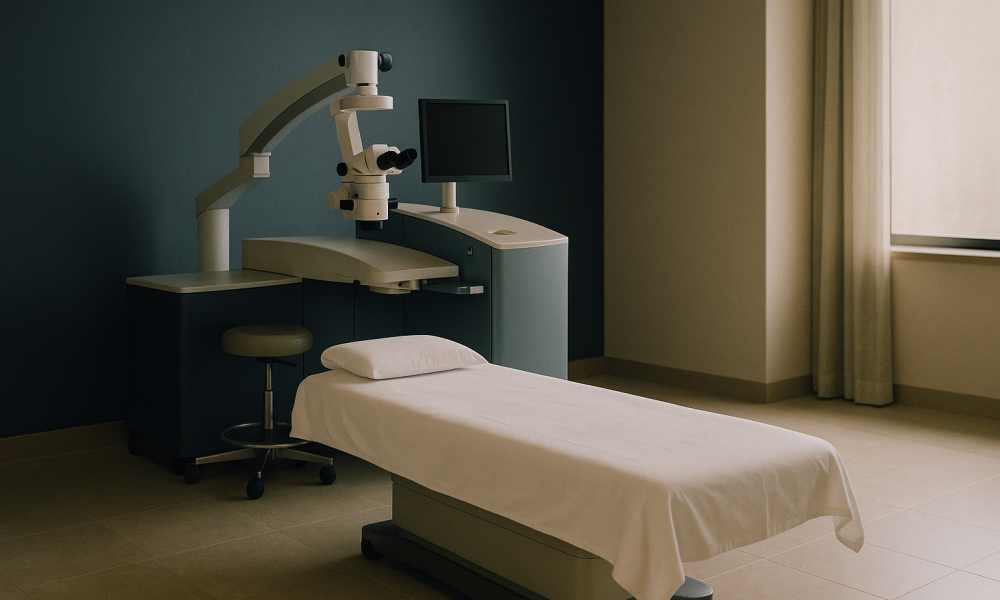
The Process: LASIK Eye Surgery in Turkey, step by step
- Enquiry: The first step in your LASIK journey begins with an enquiry to a reputable Turkish eye clinic. This can be done via email, phone, or an online form. You will typically receive a response within 24-48 hours, providing initial information about the procedure, costs, and available dates.
- Assessment: Once you express your interest, a preliminary assessment is conducted. This may involve sharing your medical history and recent eye examination results. Some clinics offer virtual consultations to discuss your suitability for the procedure with an ophthalmologist.
- Travel: After confirming your eligibility for LASIK, you will schedule your travel to Turkey. Most patients choose to fly into major cities like Istanbul, where world-renowned clinics are located. Ensure you have a valid passport and any necessary visas.
- Treatment Days: Upon arrival, you will have a face-to-face consultation with your surgeon. This includes a comprehensive eye examination to finalize your treatment plan. The LASIK procedure itself is typically performed the next day. It is a quick and painless process, lasting about 10-15 minutes per eye.
- Discharge: After the procedure, you will rest for a short period at the clinic. Most patients are discharged the same day with protective eyewear and post-operative instructions. You will need someone to accompany you back to your accommodation as your vision may be blurry initially.
- Follow-up: A follow-up appointment is usually scheduled for the next day to check the healing process. You may need additional follow-ups, which can often be coordinated with your local optometrist if returning home. Continuous communication with your Turkish clinic ensures any concerns are addressed promptly.
What LASIK Eye Surgery is and who it is for
LASIK (Laser-Assisted In Situ Keratomileusis) eye surgery is a popular procedure designed to correct refractive errors such as myopia (nearsightedness), hyperopia (farsightedness), and astigmatism. This advanced laser technology reshapes the cornea, enabling light entering the eye to be properly focused onto the retina, thereby improving vision.
Ideal candidates for LASIK are individuals over the age of 18 who have had a stable prescription for at least one year. The procedure is particularly beneficial for those who wish to reduce or eliminate their dependence on glasses or contact lenses. However, not everyone is a suitable candidate for LASIK. Conditions such as severe dry eyes, thin corneas, or certain medical histories may preclude individuals from undergoing the surgery.
The procedure begins with the application of numbing eye drops to ensure comfort. A special instrument is used to create a thin flap in the cornea, which is then lifted to allow the laser to reshape the underlying corneal tissue. The flap is then repositioned, where it naturally adheres without the need for stitches.
One of the key advantages of LASIK is its quick recovery time. Most patients experience significant improvement in their vision within 24-48 hours post-surgery, and many are able to return to work within a couple of days. Full recovery, during which the eyes stabilize, may take a few months.
While LASIK is generally safe and effective, it is crucial to have a thorough consultation with a qualified ophthalmologist to discuss potential risks and benefits. In Turkey, LASIK procedures are performed by highly trained specialists using state-of-the-art technology, making it a preferred destination for international patients seeking quality care at competitive prices.
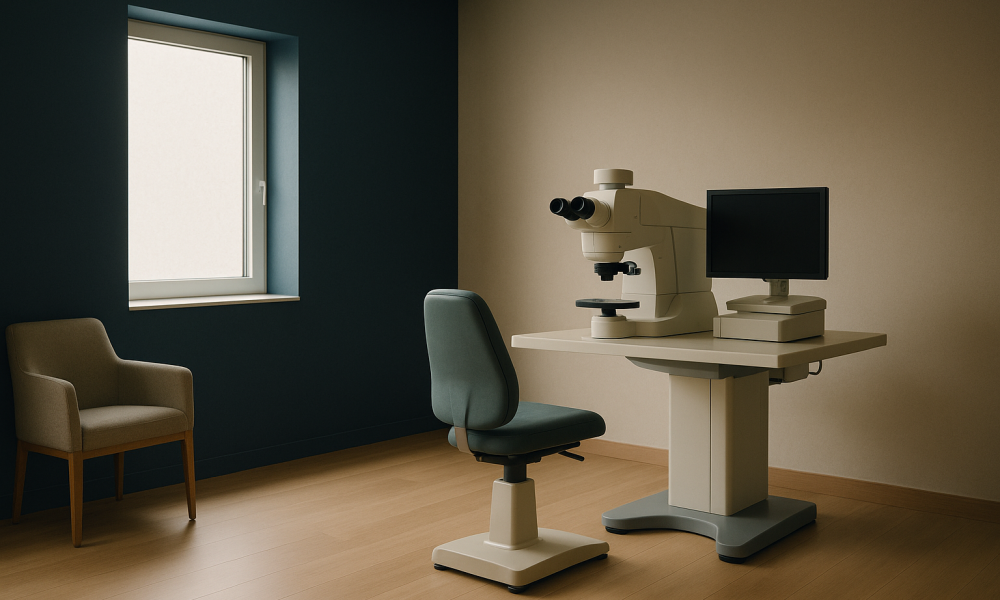
Are you a candidate? Criteria and preparation
LASIK eye surgery is a popular choice for individuals seeking to correct refractive errors such as myopia, hyperopia, and astigmatism. However, not everyone is a suitable candidate for this procedure. Understanding the criteria and preparing appropriately are critical steps in determining your eligibility for LASIK in Turkey.
First and foremost, candidates must be at least 18 years old. This age requirement ensures that the eyes have reached full maturity, reducing the risk of changes in vision post-surgery. Additionally, candidates should have a stable prescription for at least one year prior to the surgery. Significant fluctuations in prescription can indicate that the eyes are still changing, which could affect the surgery’s long-term success.
Good general health is also a prerequisite. Conditions such as diabetes or autoimmune diseases might complicate the healing process and affect outcomes. Moreover, candidates should not be pregnant or nursing, as hormonal changes can temporarily alter vision and eye measurements. A comprehensive eye examination is essential to assess eye health and ensure there are no underlying conditions such as cataracts, glaucoma, or severe dry eye syndrome that could contraindicate the procedure.
- Minimum age of 18 years
- Stable vision prescription for at least one year
- Good overall health without complicating conditions
- Not pregnant or nursing
- Absence of eye diseases such as cataracts or glaucoma
- Healthy corneal thickness and structure
Preparation for LASIK surgery involves several steps. Initially, candidates should undergo a thorough eye examination to determine their suitability. This exam will measure corneal thickness, pupil size, and refractive errors. Candidates are advised to stop wearing contact lenses for a period before the examination and surgery, as lenses can alter the shape of the cornea. Soft contact lenses should be discontinued at least two weeks prior, while hard lenses may require up to four weeks.
Additionally, candidates should disclose all medications and medical history to their eye surgeon. Certain medications can affect the surgery or healing process. It is also essential to arrange for transportation, as candidates will not be able to drive immediately after the procedure. Mental preparation is equally important, with candidates encouraged to have realistic expectations about the outcomes and recovery process.
Techniques and options available in Turkey
Turkey is renowned for its advanced medical facilities and highly skilled ophthalmologists, offering a range of LASIK techniques tailored to individual patient needs. Understanding these options can help potential candidates make informed decisions about their treatment plan.
Conventional LASIK, also known as standard LASIK, is the most common procedure. It involves creating a thin flap in the cornea using a microkeratome blade or a femtosecond laser. This flap is then lifted to allow the excimer laser to reshape the underlying corneal tissue. The flap is replaced, adhering naturally without stitches. This technique is suitable for a wide range of prescriptions and is known for its quick recovery time.
Another popular option is Custom LASIK, also referred to as wavefront-guided LASIK. This advanced technique involves creating a detailed map of the eye’s unique refractive errors using wavefront technology. This allows for a more precise correction, potentially improving visual outcomes and reducing the risk of post-operative visual aberrations such as glare and halos.
For individuals with thin corneas, the LASIK procedure might pose a risk. In such cases, Advanced Surface Ablation (ASA) techniques, such as PRK (Photorefractive Keratectomy), LASEK (Laser Epithelial Keratomileusis), or Epi-LASIK, may be recommended. These techniques do not involve creating a corneal flap, making them suitable for patients with thinner corneas or those at risk of corneal damage.
Turkey also offers the latest advancements in LASIK technology, such as Femtosecond LASIK, which uses a femtosecond laser to create the corneal flap instead of a blade. This all-laser approach enhances precision and safety, often resulting in faster healing and fewer complications.
In addition to these, ReLEx SMILE (Small Incision Lenticule Extraction) is a minimally invasive procedure available in Turkey. This technique involves creating a small incision in the cornea and removing a lenticule of tissue, effectively reshaping the cornea without the need for a flap. SMILE is suitable for treating myopia and astigmatism and is known for its minimal impact on corneal stability and dry eye symptoms.
Choosing the right technique depends on various factors, including the patient’s eye anatomy, prescription, and lifestyle needs. Turkish clinics offer comprehensive consultations to determine the most appropriate method, ensuring personalized care and optimal outcomes for international patients.
Recovery and aftercare timeline
LASIK eye surgery is known for its relatively swift recovery time, making it a popular choice for those seeking vision correction. However, understanding the recovery timeline and adhering to aftercare instructions is crucial for optimal results.
| Period | What to expect | Care notes |
|---|---|---|
| First 24 hours | Patients may experience mild discomfort, blurry vision, and a sensation of having something in the eye. Rest is essential during this period. | Avoid rubbing eyes. Use prescribed eye drops to prevent infection and dryness. It’s advisable to sleep as much as possible and wear protective eye shields. |
| First week | Vision may fluctuate, and some patients experience sensitivity to light and glare. Most patients return to work within a couple of days. | Continue using eye drops as prescribed. Avoid strenuous activities, swimming, and exposure to dust or smoke. Sunglasses should be worn outdoors to protect against UV rays. |
| First month | Vision stabilizes gradually. Night vision issues like halos or starbursts may occur but typically diminish over time. | Follow-up appointments are crucial to monitor healing. Continue to avoid contact sports and ensure the eyes are not exposed to any irritants. |
| Three to six months | Most patients achieve their desired vision correction within this period. Any residual side effects usually resolve. | Attend all scheduled follow-up visits. Discuss any persistent issues with your ophthalmologist. Maintain regular eye care practices. |
Patients are encouraged to maintain open communication with their healthcare providers throughout the recovery process. Ensuring proper aftercare can significantly influence the overall success of the surgery.
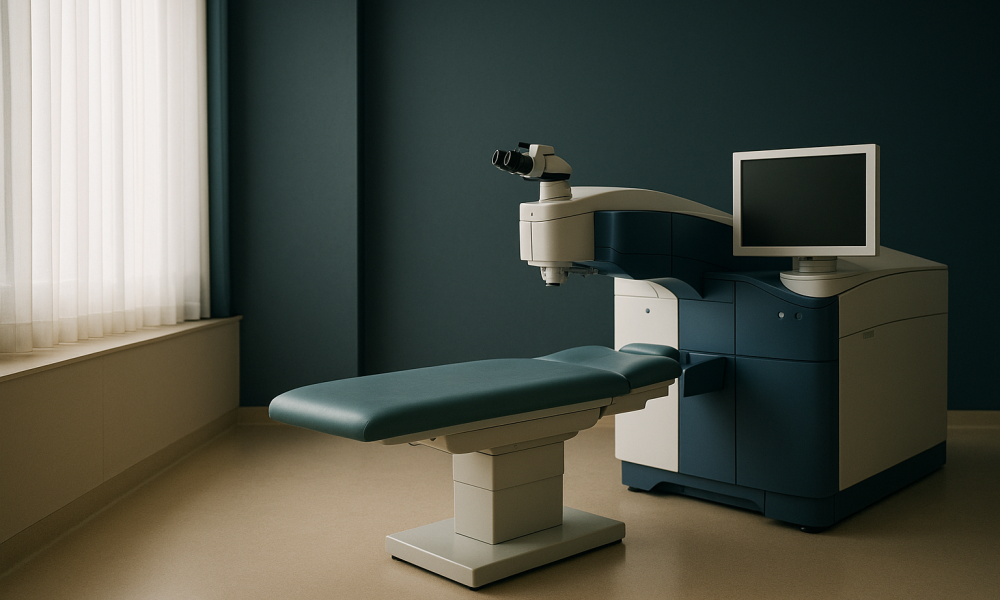
Risks, safety and how accredited Turkish providers manage them
LASIK eye surgery, like any surgical procedure, carries certain risks. It is essential for patients to be aware of these risks and to choose accredited healthcare providers who adhere to stringent safety protocols.
Common risks associated with LASIK include dry eyes, glare, halos, and double vision. In rare cases, more serious complications such as under-correction, over-correction, or vision loss may occur. These risks are minimized by thorough pre-operative assessments and following precise surgical techniques.
Accredited Turkish clinics employ highly trained ophthalmologists who are well-versed in the latest LASIK technologies and techniques. They conduct comprehensive pre-operative evaluations to determine a patient’s suitability for LASIK, considering factors such as corneal thickness, refractive stability, and overall eye health.
- Pre-operative assessments: These are critical in identifying any contraindications to the procedure. Advanced diagnostic tools help in mapping the cornea and assessing its suitability for surgery.
- Technology and equipment: Turkish clinics often use state-of-the-art laser systems, which allow for precise and customized corneal reshaping. This reduces the likelihood of complications and enhances the accuracy of the procedure.
- Post-operative care: Follow-up appointments are scheduled to monitor the healing process and address any concerns. Patients are provided with detailed aftercare instructions to follow at home.
- Accreditation and standards: Clinics are subject to rigorous national and international accreditation processes, ensuring they meet high standards of safety and quality in patient care.
In Turkey, the healthcare sector is regulated by the Ministry of Health, which mandates strict compliance with international healthcare standards. Many clinics also seek additional accreditation from international bodies, which further ensures adherence to global best practices.
By selecting an accredited Turkish provider, patients can be reassured of the clinic’s commitment to safety, quality, and patient satisfaction. It is always recommended that patients thoroughly research and consult with their chosen clinic to understand the specific measures they take to manage risks associated with LASIK surgery.
Choosing the right provider in Turkey
When selecting a provider for LASIK eye surgery in Turkey, it is essential to consider several critical factors to ensure a safe and successful procedure. Accreditation is a primary concern, as it serves as a testament to a clinic’s adherence to international healthcare standards. Look for clinics accredited by recognized organizations such as the Joint Commission International (JCI) or the Turkish Ministry of Health. These accreditations indicate that the clinic meets rigorous standards for patient care, safety, and quality.
The experience and qualifications of the surgeon are equally important. A highly qualified surgeon will have extensive training in refractive surgery and a substantial track record of successful LASIK procedures. When evaluating a surgeon’s experience, consider the number of LASIK surgeries they have performed and their involvement in continuing medical education. Surgeons who participate in ongoing training are more likely to be familiar with the latest techniques and technologies.
Be wary of red flags when choosing a LASIK provider. These include clinics that offer unusually low prices without transparent explanations, lack of clear communication regarding potential risks and complications, and pressure tactics to commit to surgery without adequate consultation. Ensure that the clinic provides a thorough pre-operative evaluation that assesses your suitability for LASIK, as not everyone is a candidate for the procedure.
Patient reviews and testimonials can provide valuable insights into the experiences of others and help gauge the quality of care provided by a clinic. Additionally, consider seeking recommendations from trusted sources, such as friends or family who have undergone the procedure in Turkey. By carefully evaluating these factors, you can choose a reputable provider that prioritizes patient safety and satisfaction.
LASIK Eye Surgery Cost in Turkey
The cost of LASIK eye surgery in Turkey is one of the most compelling reasons for international patients to consider this destination. On average, the cost ranges from $1,200 to $2,000 USD per eye. This is significantly lower than in many Western countries, where prices can be substantially higher.
| Country | Cost per Eye (USD) |
|---|---|
| Turkey | $1,200 – $2,000 |
| United Kingdom | $2,500 – $4,000 |
| United States | $2,000 – $3,000 |
| Germany | $2,500 – $3,500 |
| Australia | $2,200 – $3,500 |
| Canada | $2,000 – $3,000 |
Many clinics in Turkey offer all-inclusive packages that cover the surgery, pre-operative assessments, post-operative care, and sometimes even accommodation and transportation. These packages provide excellent value for money and can simplify the logistical aspects of medical travel. However, it is crucial to understand what each package includes and excludes. Some packages might not cover medications, additional tests, or potential follow-up procedures.
The price of LASIK surgery can vary depending on several factors. These include the surgeon’s experience, the technology used (such as bladeless LASIK or wavefront-guided LASIK), and the complexity of the individual case. Clinics may also offer different pricing tiers based on the level of service and comfort provided.
When reviewing quotes, ensure they are comprehensive and transparent. A detailed quote should outline all costs involved, including any potential additional charges. Avoid providers who are vague about pricing details, as this could lead to unexpected expenses.
In summary, while Turkey offers competitive prices for LASIK eye surgery, it is important to consider all aspects of the cost, including what is included in package deals and how different factors can affect the overall price. By doing your due diligence, you can make an informed decision that balances cost with quality and safety.
Frequently Asked Questions
What is the average cost of LASIK eye surgery in Turkey?
The average cost of LASIK eye surgery in Turkey ranges from $1,200 to $2,000 USD per eye. This cost is significantly lower than in many Western countries and often includes comprehensive packages covering surgery, pre-operative assessments, and post-operative care.
How does the cost of LASIK in Turkey compare to the US?
LASIK eye surgery in Turkey is generally more affordable than in the United States. In Turkey, the cost ranges from $1,200 to $2,000 USD per eye, while in the US, it typically ranges from $2,000 to $3,000 USD per eye. The lower costs in Turkey make it an attractive option for international patients.
Is LASIK eye surgery safe in Turkey?
LASIK eye surgery in Turkey is considered safe when performed by experienced and qualified surgeons in accredited clinics. It is crucial to choose a provider with a strong track record, proper accreditation, and adherence to international healthcare standards to ensure a safe procedure.
What should I look for in a LASIK provider?
When choosing a LASIK provider, look for accreditation from recognized organizations, a surgeon with extensive experience and qualifications, and transparent communication about the procedure and costs. Avoid clinics with unusually low prices or pressure tactics.
What does an all-inclusive LASIK package typically cover?
An all-inclusive LASIK package in Turkey generally covers the surgery, pre-operative assessments, post-operative care, and sometimes accommodation and transportation. It is important to confirm the details of what is included and any potential additional charges.
How can I verify a clinic's accreditation?
You can verify a clinic's accreditation by checking for certifications from organizations like the Joint Commission International (JCI) or the Turkish Ministry of Health. These accreditations ensure the clinic meets international standards for quality and safety.
What factors can affect the cost of LASIK surgery?
Factors affecting the cost of LASIK surgery include the surgeon's experience, the technology used, the complexity of the case, and the level of service offered. Prices may also vary based on the inclusion of additional services or follow-up care in the package.
Are there any hidden costs in LASIK surgery packages?
While many LASIK packages in Turkey are comprehensive, it's important to verify what is included. Some packages may not cover medications, additional tests, or follow-up procedures. Always review the quote carefully to avoid unexpected expenses.
How experienced should a LASIK surgeon be?
A LASIK surgeon should have extensive experience, performing a significant number of procedures and engaging in continuous medical education. This ensures they are up-to-date with the latest techniques and technologies, providing better outcomes for patients.
Can I read patient reviews before choosing a provider?
Yes, reading patient reviews can provide insights into the quality of care and experiences with a particular provider. Reviews can help you gauge patient satisfaction and identify any potential issues with the clinic or surgeon.
What is the recovery time for LASIK surgery?
Recovery time for LASIK surgery is generally quick, with most patients experiencing improved vision within 24 to 48 hours. However, complete healing may take a few weeks, during which time patients should follow their surgeon's post-operative care instructions closely.
Is LASIK surgery suitable for everyone?
LASIK surgery is not suitable for everyone. A thorough pre-operative evaluation is necessary to determine a patient's eligibility. Factors such as corneal thickness, age, and eye health are considered to ensure the safety and effectiveness of the procedure.