
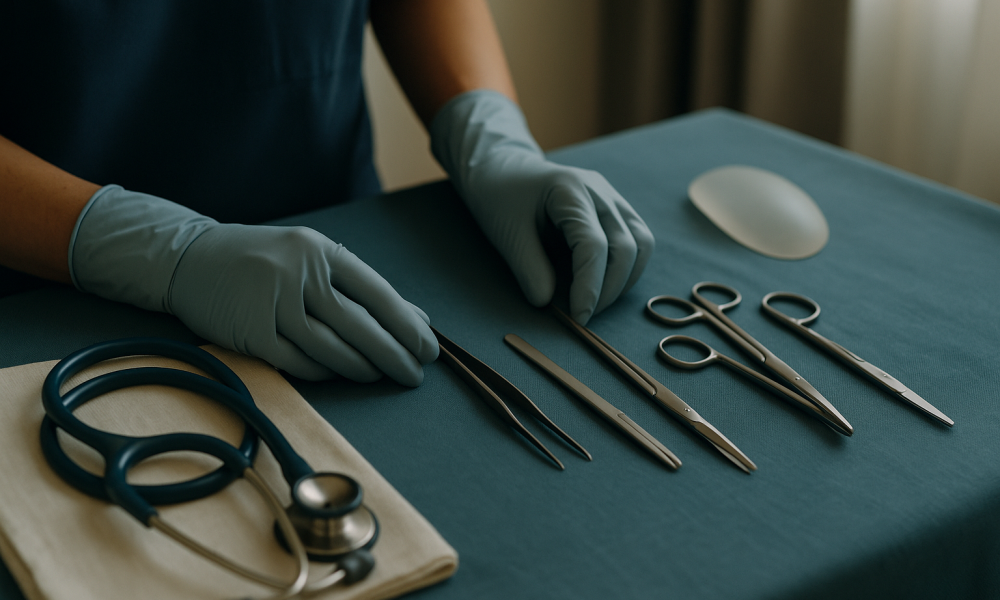
The Process: Cheek Implants in Turkey, step by step
- Enquiry: Your journey begins with an initial consultation with a qualified medical tourism coordinator. You can reach out through our website or contact number. During this stage, you will discuss your aesthetic goals, medical history, and any concerns you may have. The coordinator will provide you with preliminary information and schedule a virtual assessment if necessary.
- Assessment: A detailed assessment is conducted by a board-certified plastic surgeon. This may involve sending photographs and medical records to the clinic. The surgeon will evaluate your facial structure and determine the suitability of cheek implants for your needs. This step is crucial to ensure that you have realistic expectations and are aware of potential risks.
- Travel: Once you decide to proceed, the medical tourism coordinator will assist you in planning your trip. This includes booking flights, arranging accommodation, and providing information on local transportation. Many clinics offer packages that include airport transfers and hotel stays to make your journey as seamless as possible.
- Treatment Days: Upon arrival in Turkey, you will meet with your surgeon for a pre-operative consultation. This face-to-face meeting allows for any last-minute questions. The procedure itself is typically carried out in a state-of-the-art facility under local or general anaesthesia. The surgeon makes incisions inside the mouth or lower eyelid, inserts the implants, and sutures the incisions. The entire procedure usually takes 1-2 hours.
- Discharge: After the surgery, you will spend 1-2 days in the hospital for observation and initial recovery. The medical team will monitor your condition and provide necessary post-operative care. You will receive detailed instructions on caring for the surgical site, managing discomfort, and recognising signs of complications.
- Follow-up: Follow-up care is crucial to ensure a successful recovery. You will have scheduled appointments for check-ups and suture removal if needed. Many clinics offer virtual follow-up sessions once you return home, allowing your surgeon to assess your progress and address any concerns. Ongoing communication with your medical team in Turkey remains available to support your recovery journey.
What Cheek Implants is and who it is for
Cheek implants, also known as malar augmentation, are a cosmetic procedure designed to enhance the prominence and contour of the cheekbones. This surgical intervention involves the insertion of biocompatible implants, typically made from materials such as silicone or polyethylene, into the cheek area. The goal is to provide a more defined facial structure, often desired for aesthetic reasons or to restore facial volume lost due to aging or trauma.
Cheek implants are suitable for individuals who seek to improve facial symmetry and achieve a more youthful appearance. Candidates typically include those with flat or underdeveloped cheekbones, asymmetrical facial features, or those experiencing mid-face volume loss. It is essential for potential patients to have realistic expectations and be in good overall health. A thorough consultation with a qualified plastic surgeon will help determine if this procedure aligns with the individual’s goals and medical suitability.
The procedure is often chosen by both men and women looking to enhance their facial aesthetics. It can be performed as a standalone procedure or in conjunction with other facial surgeries such as rhinoplasty or facelift to achieve a more comprehensive facial rejuvenation. Recovery time varies, but most patients can resume normal activities within a few weeks, with full results visible after swelling subsides.
In Turkey, cheek implant surgery is performed by highly skilled surgeons with extensive experience in facial aesthetics. The country is known for its advanced medical facilities and competitive pricing, making it a popular destination for international patients seeking quality cosmetic procedures. With the combination of expert care and affordable costs, Turkey offers an attractive option for those considering cheek implants.
Are you a candidate? Criteria and preparation
Determining whether you are a suitable candidate for cheek implants involves several factors, including your overall health, expectations, and specific facial characteristics. Cheek implants are generally considered for individuals who wish to enhance their facial contours, add volume to the mid-face area, or achieve a more balanced facial appearance. However, not everyone may be an ideal candidate for this procedure. Here are some criteria and preparation steps to consider:
- Age and Maturity: Candidates should be adults whose facial growth is complete. This typically means individuals over the age of 18, although younger patients may be considered in special circumstances.
- Overall Health: Good general health is essential. Candidates should be free from any conditions that could impair healing, such as uncontrolled diabetes or autoimmune disorders.
- Realistic Expectations: It’s crucial to have realistic expectations about the outcomes of cheek implant surgery. While the procedure can enhance facial aesthetics, it is important to understand its limitations.
- Non-Smokers: Smoking can significantly impair healing and increase the risk of complications. Candidates should be non-smokers or willing to quit well in advance of the procedure.
- Facial Structure: Ideal candidates are those with flat or poorly defined cheekbones, or those who have lost cheek volume due to aging or other factors.
- Psychological Readiness: Candidates should be emotionally and psychologically prepared for surgery and recovery.
Preparation for cheek implant surgery involves several steps to ensure the best possible outcome. Here is a checklist for candidates:
- Consultation: Schedule a consultation with a qualified plastic surgeon to discuss your goals, options, and any concerns.
- Medical Evaluation: Undergo a thorough medical evaluation, including any necessary lab tests, to assess your health status.
- Medication Review: Discuss any medications or supplements you are taking with your surgeon, as some may need to be adjusted or discontinued.
- Pre-Surgical Instructions: Follow all pre-surgical instructions provided by your surgeon, which may include dietary restrictions or the avoidance of certain medications.
- Plan for Recovery: Arrange for someone to drive you home after surgery and assist you during the initial recovery period.
- Prepare Your Home: Set up a comfortable recovery area at home with necessary supplies, such as pillows, gauze, and prescribed medications.
By carefully considering these criteria and preparation steps, potential candidates can better understand whether cheek implants are suitable for them and how to prepare for a successful outcome.
Techniques and options available in Turkey
Turkey is renowned for its advanced medical facilities and skilled surgeons, making it a popular destination for cosmetic procedures such as cheek implants. There are several techniques and options available for those considering this procedure in Turkey, each tailored to meet individual needs and desired outcomes. Here we explore the primary techniques and materials used for cheek implants in Turkey.
Cheek implants can be performed using different surgical techniques depending on the specific requirements of the patient. The most common approach is through an intraoral incision, which is made inside the mouth to avoid visible scarring. This method allows surgeons to place the implants directly over the cheekbones, enhancing the mid-face region. Another technique involves making an incision just below the lower eyelid, which can be advantageous in certain cases, especially when combined with other facial procedures.
When it comes to the types of implants, patients in Turkey have access to a variety of materials, each with its own set of benefits. The most commonly used materials include:
- Silicone Implants: These are the most traditional and widely used type of cheek implants. Silicone implants are solid, yet flexible, and can be easily inserted and removed if necessary. They are available in a range of shapes and sizes to suit different aesthetic goals.
- Polyethylene Implants: Known for their porous structure, polyethylene implants allow for tissue integration, which can provide a more secure and natural-feeling result. These implants are also available in various shapes and sizes.
- Medpor Implants: Made from porous high-density polyethylene, Medpor implants are designed to integrate with the body’s tissues, reducing the risk of implant movement and providing a long-lasting result.
In addition to traditional implants, some patients may opt for fat grafting as an alternative or complementary procedure. Fat grafting involves harvesting fat from another area of the body, such as the abdomen or thighs, and injecting it into the cheeks to add volume. This technique is particularly appealing to those seeking a more natural option, as it uses the patient’s own tissue.
The choice of technique and implant type is highly individual and should be discussed in detail with a qualified surgeon during the consultation process. Surgeons in Turkey are known for their expertise and ability to customize procedures to suit the unique facial structure and aesthetic goals of each patient. The cost of cheek implants in Turkey can vary widely based on the chosen technique, the type of implant, and the surgeon’s experience, with prices typically ranging from £1,500 to £3,000.
Overall, the combination of advanced techniques, high-quality materials, and skilled practitioners makes Turkey an attractive option for those considering cheek implants. By understanding the available options and working closely with a trusted surgeon, patients can achieve the desired enhancement with confidence.
Recovery and aftercare timeline
Recovery from cheek implant surgery is a critical phase that requires careful attention and adherence to aftercare instructions to ensure optimal results. The recovery period is generally divided into stages, each with its own set of expectations and care requirements.
| Period | What to expect | Care notes |
|---|---|---|
| First 48 hours | Swelling and bruising are common. Patients might experience discomfort and tightness in the cheek area. | Apply cold compresses intermittently to reduce swelling. Keep the head elevated, even during sleep, to help minimize swelling. |
| Week 1 | Swelling and bruising begin to subside. Some numbness or tingling sensations may persist. | Continue using cold compresses as needed. Avoid strenuous activities and follow a soft diet to prevent unnecessary movement of facial muscles. |
| Weeks 2-3 | Most of the swelling should have reduced significantly. Bruising should be minimal, and the implants will start settling into place. | Resume gentle activities but avoid any heavy lifting or bending. Follow up with your surgeon to monitor healing progress. |
| Month 1 | Residual swelling may still be present but should be minimal. The cheeks will appear more natural, and sensitivity should return to normal. | Regular check-ups with your surgeon are recommended. Continue to avoid direct sunlight or use sun protection to prevent pigmentation changes. |
| Months 2-3 | Complete recovery is expected. The final results of the surgery should be evident with natural-looking contours. | Maintain a healthy lifestyle and skincare routine to support long-term results. Any concerns should be promptly discussed with your healthcare provider. |
Throughout the recovery process, it is crucial to follow all post-operative care instructions provided by your surgeon. This includes taking prescribed medications to manage pain and prevent infection, attending all scheduled follow-up appointments, and reporting any unusual symptoms such as excessive swelling, severe pain, or signs of infection immediately.
Risks, safety and how accredited Turkish providers manage them
Like any surgical procedure, cheek implant surgery carries certain risks and potential complications. Understanding these risks and how they are managed by accredited Turkish providers is essential for prospective patients considering this procedure in Turkey.
The primary risks associated with cheek implant surgery include infection, bleeding, implant displacement, asymmetry, and adverse reactions to anaesthesia. While these complications are generally rare, they can occur. Accredited Turkish clinics take several precautions to minimize these risks.
- Infection Control: Accredited clinics in Turkey adhere to stringent infection control protocols. This includes the use of sterilized equipment, maintaining a sterile surgical environment, and prescribing prophylactic antibiotics to reduce the risk of post-operative infections.
- Bleeding Management: Surgeons carefully monitor patients for any signs of excessive bleeding during and after the procedure. Pre-operative assessments often include a review of the patient’s medical history to identify any potential bleeding disorders.
- Implant Displacement: To prevent displacement, surgeons meticulously secure the implants during surgery. Post-operative instructions include avoiding pressure on the cheeks to ensure the implants remain in the correct position as healing progresses.
- Asymmetry: Skilled surgeons use precise techniques and tools to ensure symmetrical placement of implants. Pre-operative planning often involves detailed imaging and measurements to tailor the procedure to the patient’s unique facial structure.
- Anaesthesia Safety: Anaesthesiologists involved in the procedure are highly trained and experienced. They conduct thorough pre-operative assessments to identify any potential risks and monitor the patient closely throughout the surgery.
Accredited Turkish providers are committed to patient safety and satisfaction. They often follow international standards and are subject to regular inspections and certifications to maintain their accreditation. Patients are encouraged to ask about the clinic’s accreditation status and the surgeon’s qualifications before proceeding with surgery. Clear communication between the patient and the healthcare team is vital, ensuring that all questions are addressed and that the patient feels confident in the care they will receive.
In summary, while cheek implant surgery does involve risks, accredited Turkish providers employ comprehensive strategies to manage and mitigate these risks effectively. Patients are advised to choose clinics that demonstrate a strong commitment to safety and quality care, as evidenced by their accreditation and the expertise of their medical staff.
Choosing the right provider in Turkey
When considering cheek implants in Turkey, selecting the right provider is paramount to ensure a safe and successful procedure. Several factors should guide your choice, including accreditation, surgeon experience, and awareness of potential red flags.
First and foremost, accreditation is crucial. Look for clinics that are accredited by international bodies such as the Joint Commission International (JCI) or the International Society for Quality in Health Care (ISQua). These accreditations indicate adherence to high standards of healthcare quality and patient safety.
Surgeon experience is another critical factor. It is advisable to choose a surgeon who is board-certified in plastic or cosmetic surgery and has extensive experience in performing cheek implant procedures. Consider surgeons who are members of reputable professional organizations, such as the International Society of Aesthetic Plastic Surgery (ISAPS) or the Turkish Society of Plastic, Reconstructive and Aesthetic Surgery (TPRECD).
When researching potential providers, be vigilant about red flags. Avoid clinics that make unrealistic promises or guarantee specific outcomes. Transparency is key; providers should offer clear explanations of the procedure, potential risks, and realistic expectations. Be wary of clinics that do not provide verifiable before-and-after photos or patient testimonials.
Communication is also essential. The clinic should provide access to English-speaking staff who can guide you through the process and address any concerns. Additionally, consider the level of post-operative care offered, as follow-up appointments and support are crucial for recovery.
Lastly, it is advisable to consult with multiple providers before making a decision. This allows you to compare different options, understand the range of services offered, and assess which provider aligns best with your needs and expectations.
Cheek Implants Cost in Turkey
The cost of cheek implants in Turkey is significantly lower than in many Western countries, making it an attractive option for international patients. However, understanding the price structure is essential to making an informed decision.
| Country | Indicative Cost Range (GBP) |
|---|---|
| Turkey | £2,000 – £3,500 |
| UK | £4,500 – £6,500 |
| US | £5,000 – £7,500 |
| Germany | £4,000 – £6,000 |
| Australia | £5,500 – £7,000 |
| Canada | £5,000 – £7,000 |
In Turkey, many clinics offer all-inclusive packages that cover various aspects of the treatment. These packages often include the surgeon’s fee, anaesthesia, hospital stay, post-operative care, and sometimes even accommodation and airport transfers. It’s important to clarify what is included in the package to avoid unexpected costs.
Several factors can influence the cost of cheek implants, including the surgeon’s experience, the complexity of the procedure, and the type of implant used. Customised implants or additional procedures, such as a facelift, will increase the overall cost.
When reviewing quotes, ensure they provide a detailed breakdown of costs. A comprehensive quote should list the surgeon’s fee, anaesthesia costs, and any additional charges. Beware of quotes that seem unusually low, as they may omit essential services or compromise on quality.
In conclusion, while Turkey offers competitive pricing for cheek implants, it is vital to thoroughly understand what you are paying for. Comparing quotes and understanding the inclusions and exclusions will help ensure that you receive quality care at a fair price.
Frequently Asked Questions
What is the typical cost of cheek implants in Turkey?
The typical cost of cheek implants in Turkey ranges from £2,000 to £3,500. This is significantly lower than in many Western countries, where prices can range from £4,500 to £7,500. The cost in Turkey often includes an all-inclusive package covering various aspects of the treatment.
Are there hidden costs for cheek implants in Turkey?
While many clinics offer all-inclusive packages, it is essential to confirm what is included in the quoted price. Hidden costs can arise if the package does not cover all necessary services, such as post-operative care or anaesthesia. Always request a detailed cost breakdown to avoid surprises.
How can I ensure the safety of cheek implants in Turkey?
Ensuring safety begins with choosing a reputable clinic and an experienced, board-certified surgeon. Look for clinics accredited by international bodies like the JCI. Verify the surgeon's credentials and experience, and ensure thorough pre-operative consultations to discuss risks and expectations.
What should I expect during the consultation for cheek implants?
During the consultation, the surgeon will assess your facial structure, discuss your aesthetic goals, and explain the procedure, risks, and recovery process. This is also an opportunity for you to ask questions and review before-and-after photos of previous patients to gauge potential outcomes.
How long is the recovery period for cheek implants?
The initial recovery period for cheek implants is typically 1 to 2 weeks, during which swelling and bruising are common. Most patients can resume normal activities after this time, but complete healing and final results may take several months as the implants settle into place.
What type of anaesthesia is used for cheek implant surgery?
Cheek implant surgery is usually performed under general anaesthesia, although local anaesthesia with sedation might be an option for some patients. The choice depends on the complexity of the procedure and the patient's preference, which should be discussed with the surgeon.
Can cheek implants be combined with other procedures?
Yes, cheek implants can be combined with other facial procedures such as rhinoplasty, facelift, or chin augmentation. Combining procedures can enhance overall facial harmony, but it is important to discuss the potential risks and benefits with your surgeon.
What materials are used for cheek implants?
Cheek implants are typically made from solid silicone, porous polyethylene, or other biocompatible materials. Each material has its advantages and is chosen based on the patient's needs and the surgeon's recommendation. The material should be discussed during the consultation.
Are the results of cheek implants permanent?
Cheek implants are designed to provide long-lasting results. While the implants themselves are permanent, natural ageing processes can affect facial appearance over time. In some cases, patients may choose to replace or adjust implants after several years for aesthetic reasons.
What are the risks associated with cheek implant surgery?
As with any surgery, cheek implant procedures carry risks such as infection, bleeding, asymmetry, or implant displacement. Choosing an experienced surgeon and following post-operative care instructions can minimize these risks. Discuss concerns with your surgeon during the consultation.
How soon can I travel after cheek implant surgery?
It is generally recommended to wait at least 1 to 2 weeks before flying after cheek implant surgery. This allows sufficient time for initial recovery and reduces the risk of complications such as increased swelling. Your surgeon will provide specific guidance based on your recovery.
What should I look for in a cheek implant surgeon?
Look for a board-certified plastic or cosmetic surgeon with extensive experience in facial procedures. Verify their credentials, professional memberships, and patient reviews. A good surgeon will provide a thorough consultation, realistic expectations, and transparent communication.