
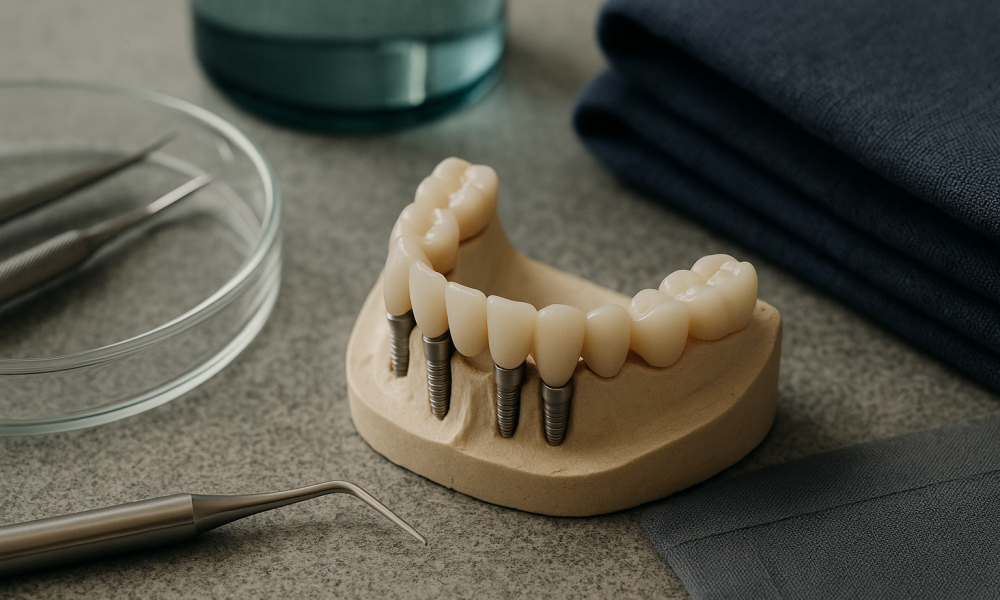
What All-on-4 Dental Implants is and who it is for
The All-on-4 dental implant procedure is a revolutionary approach to dental restoration that offers a full set of fixed teeth using only four implants per arch. This method is particularly beneficial for those who have lost most or all of their teeth and are looking for a permanent solution with a shorter treatment time compared to traditional methods. Developed to maximise the use of available bone, All-on-4 implants can often eliminate the need for bone grafting, which is a common requirement in other types of implant procedures.
This technique utilises four strategically placed implants to support a full arch of prosthetic teeth. The implants at the back are tilted at a 45-degree angle, which allows for increased support by utilising the natural bone structure more effectively. This angulation also helps avoid critical anatomical structures, such as the sinus cavities in the upper jaw and the nerve canal in the lower jaw, making it a viable option for many who were previously not considered candidates for traditional implants.
The procedure is relatively quick, often completed within 2 to 4 hours per arch, and is performed under local or general anaesthesia depending on the patient’s needs and comfort. The implants provide a stable and secure foundation for the prosthetic teeth, which can be attached immediately after the surgery, hence the term “teeth in a day.” This immediate loading feature is one of the most appealing aspects of the All-on-4 system, as it allows patients to leave the clinic with a new set of teeth the same day.
All-on-4 is particularly suitable for patients who have lost a significant number of teeth due to decay, gum disease, or injury, and for those who are tired of dealing with the discomfort and inconvenience of removable dentures. It is also an attractive option for individuals who have experienced bone loss in the jaw, as the tilted implants can often be placed in denser bone areas, providing the necessary stability without additional procedures.
Are you a good candidate?
Determining whether you are a good candidate for All-on-4 dental implants involves several considerations. The procedure is designed to help those who have lost most or all of their teeth, but certain health and lifestyle factors can influence the success of the implants. Here is a checklist to help assess candidacy:
- Good general health: Candidates should be free from conditions that could impair healing, such as uncontrolled diabetes or autoimmune disorders.
- Non-smoker or willing to quit: Smoking can significantly affect healing and the long-term success of implants.
- Adequate bone density: Although All-on-4 implants can accommodate some bone loss, there must be sufficient bone structure to support the implants.
- Healthy gums: Good periodontal health is crucial as gum disease can compromise the stability and longevity of the implants.
- Commitment to oral hygiene: Post-operative care and long-term oral hygiene are essential to prevent infection and ensure the longevity of the implants.
- Realistic expectations: Understanding the procedure, recovery time, and potential outcomes is important for satisfaction with the results.
Additionally, prospective patients should be aware of the potential need for follow-up visits to monitor the implants and make any necessary adjustments. An initial consultation with a dental professional in Turkey will typically involve a comprehensive evaluation, including dental X-rays or a CT scan, to assess bone structure and plan the implant placement accurately.
If you’re considering this procedure, it’s essential to discuss your complete medical history with your dental surgeon, including any medications you are currently taking. This information will help in crafting a personalised treatment plan that maximises the chances of a successful and satisfactory outcome.
The procedure, step by step
Undergoing an All-on-4 dental implant procedure in Turkey involves several carefully orchestrated steps designed to ensure optimal outcomes and patient comfort. Understanding each phase can help demystify the process and set realistic expectations.
- Initial Consultation: The journey begins with a comprehensive consultation, either virtual or in-person. This step involves a thorough dental examination, which may include digital X-rays and 3D imaging to assess bone structure and oral health. Your dental history and specific needs will be discussed to tailor a treatment plan.
- Treatment Planning: After the initial assessment, a detailed treatment plan is developed. This includes the selection of appropriate implant materials and the design of the prosthetic arch. The plan outlines the timeline, costs, and expected outcomes, ensuring you understand each aspect of the procedure.
- Pre-Surgery Preparation: A few days before surgery, you may need to follow specific pre-operative instructions, such as dietary restrictions or adjustments in medication. This is crucial for minimizing risks and ensuring a smooth procedure.
- Surgical Procedure: On the day of the surgery, local anaesthesia or sedation is administered to ensure comfort. The procedure typically lasts 2-4 hours. The dentist begins by extracting any remaining teeth and preparing the jawbone. Four titanium implants are strategically placed into the jawbone, acting as anchors for the prosthetic arch. Often, a temporary denture is attached on the same day, allowing for immediate function and aesthetics.
- Post-Surgery Care: After the procedure, you will receive detailed post-operative instructions. This includes guidance on managing discomfort, preventing infection, and dietary recommendations to support healing.
- Follow-Up Visits: Follow-up appointments are scheduled to monitor the healing process. These visits are crucial for ensuring the implants integrate properly with the jawbone, a process known as osseointegration, which typically takes 3-6 months.
- Final Prosthesis Placement: Once osseointegration is confirmed, the final prosthetic arch is fabricated and securely attached to the implants. This step is the culmination of the treatment, resulting in a natural-looking and fully functional set of teeth.
Throughout each step, the dental team in Turkey prioritizes patient comfort and safety, leveraging advanced techniques and state-of-the-art technology.
Recovery timeline
Recovering from an All-on-4 dental implant procedure involves several stages, each with its own expectations and care requirements. Understanding this timeline can help patients plan their recovery and ensure a smooth healing process.
| Period | What to expect | Care notes |
|---|---|---|
| Day 1-3 | Initial recovery phase with swelling, bruising, and mild discomfort. | Rest is essential. Use prescribed pain relief and apply ice packs intermittently to reduce swelling. Stick to a soft diet and avoid hot beverages. |
| Day 4-7 | Swelling and discomfort begin to subside. Bruising may still be visible. | Continue with a soft diet. Gently rinse mouth with salt water to aid healing. Avoid strenuous activities. |
| Week 2-4 | Majority of swelling and bruising resolves. Temporary dentures should feel more comfortable. | Introduce semi-soft foods as comfort allows. Maintain oral hygiene with gentle brushing and rinsing. |
| Month 1-3 | Osseointegration begins. Temporary prosthesis continues to function. | Attend scheduled follow-up appointments to ensure proper healing. Report any unusual discomfort to your dentist. |
| Month 3-6 | Final stages of osseointegration. Preparation for final prosthesis. | Continue regular dental visits. Discuss any issues with the temporary prosthesis. |
| Full Recovery | Final prosthesis placement and full dental function restored. | Adopt regular oral hygiene practices. Regular check-ups ensure longevity of implants. |
Each patient’s recovery may vary slightly, but adherence to the care notes and regular dental consultations are key to a successful outcome.
What it costs: Turkey vs Australia
When considering All-on-4 dental implants, cost is often a significant factor for patients. The financial implications can vary widely depending on the country and the specific services included in the treatment package. In Turkey, dental care is known for being more affordable compared to Australia, while maintaining high standards of quality and care. Below is a comparison of indicative price ranges and what packages typically include in both countries.
| Country | Indicative Price Range (GBP) | Typical Inclusions |
|---|---|---|
| Turkey | £3,000 – £5,500 |
|
| Australia | £15,000 – £25,000 |
|
It is important to note that the figures presented are indicative and can vary based on the specific clinic, dentist experience, and any additional treatments required. Packages in Turkey often include extras such as accommodation and airport transfers, which are typically not included in Australian packages. This makes Turkey an attractive option for many international patients seeking comprehensive care at a more accessible price point.
The cost differences are largely due to lower operational costs in Turkey, including lower overheads for clinics and more competitive pricing for dental materials. However, the quality of care is not compromised, as many Turkish clinics are equipped with state-of-the-art technology and staffed by highly trained professionals. Always ensure that any clinic you consider is accredited and has a strong track record of successful outcomes.
Risks and how accredited providers manage them
As with any surgical procedure, All-on-4 dental implants carry certain risks. However, these risks are generally low and can often be effectively managed by choosing an accredited and experienced provider. Some common risks associated with the procedure include infection, implant failure, nerve damage, and sinus issues. Understanding these risks and how they are mitigated can help you make an informed decision.
Firstly, infection is a risk inherent in any surgical intervention. To minimise this, accredited clinics in Turkey adhere to stringent sterilisation protocols and use high-quality materials. Patients are typically prescribed antibiotics post-surgery to prevent infection, and follow-up visits are scheduled to monitor healing progress.
Implant failure, although rare, can occur if the implants do not properly integrate with the jawbone. Accredited providers manage this risk by conducting thorough pre-operative assessments, including bone density scans, to ensure patients are suitable candidates for the procedure. Additionally, they use implants from reputable manufacturers with proven success rates.
Nerve damage is a potential concern, particularly in the lower jaw. To mitigate this, experienced surgeons employ advanced imaging techniques to map the jaw’s anatomy precisely, avoiding nerve pathways during implant placement. This careful planning significantly reduces the likelihood of nerve-related complications.
Sinus issues are more relevant for implants placed in the upper jaw. Accredited clinics often perform sinus lifts if necessary, creating enough space for the implants while ensuring sinus integrity. This is a standard procedure for qualified oral surgeons.
Moreover, accredited clinics in Turkey are governed by national health regulations and often seek international accreditations, such as from the Joint Commission International (JCI). These accreditations require clinics to maintain high standards of patient care, safety, and outcomes. Patients are encouraged to verify a clinic’s accreditation and review patient testimonials to ensure a reliable choice.
In summary, while risks exist, they are carefully managed by accredited providers through rigorous pre-operative planning, quality materials, and adherence to international standards. Patients should engage in open communication with their chosen clinic to understand the specific measures in place to mitigate these risks.
How to choose the right provider
Choosing the right provider for All-on-4 dental implants is crucial for a successful treatment outcome. Start by verifying the clinic’s accreditation. In Turkey, reputable clinics are often accredited by international bodies such as the Joint Commission International (JCI) or the International Organization for Standardization (ISO). Accreditation indicates adherence to high standards of care and patient safety.
Next, consider the experience and qualifications of the dental surgeon. Look for a surgeon with extensive experience in performing All-on-4 procedures. A surgeon who has completed hundreds of such implants is more likely to have refined the techniques necessary for successful outcomes. Ask for a portfolio of past cases and, if possible, testimonials from previous patients.
Aftercare is another critical factor. A reputable provider should offer a comprehensive aftercare programme, including follow-up appointments and emergency contact options. Understand the details of what is included in the aftercare package and for how long it is available. This will ensure that you have support in case of any post-operative complications.
Be vigilant for red flags when evaluating potential providers. Avoid clinics that make unrealistic promises or guarantee specific outcomes, as these are often signs of over-promising. Be wary of excessively low prices that seem too good to be true; they could indicate compromised quality. Additionally, lack of transparency about the qualifications of the medical team or the details of the procedure should raise concerns.
Finally, consider the overall patient experience. The clinic should provide comprehensive support, including assistance with travel arrangements, accommodation, and local transportation. A provider who is attentive to your individual needs and preferences can significantly enhance your treatment journey.
Planning your trip
Planning your trip for All-on-4 dental implants in Turkey involves several key steps to ensure a smooth and stress-free experience. Begin by consulting with your chosen clinic at least 2-3 months before your intended travel date. This timeline allows for thorough pre-operative assessments and planning.
You will need to gather all necessary documents, including a valid passport and any medical records related to your dental history. Ensure that your passport is valid for at least six months beyond your planned return date to avoid any travel issues. Additionally, check if you require a visa to enter Turkey and apply for it in advance if needed.
The typical length of stay for an All-on-4 procedure is around 7-10 days. This period includes pre-operative consultations, the surgical procedure, initial recovery, and post-operative check-ups. Depending on individual recovery rates and any additional treatments, this duration might vary slightly.
Consider your accommodation options carefully. Some clinics offer packages that include stays at nearby hotels, which can be convenient. Alternatively, you might prefer to arrange your own accommodation to suit your personal preferences.
After returning to Australia, plan for follow-up care. Coordinate with your local dentist to manage any necessary adjustments or check-ups. Ensure that your Turkish provider offers a detailed report on the procedure to share with your home dentist, facilitating seamless continuity of care.
Finally, budget for your trip. In addition to the procedure costs, which typically range from £5,000 to £8,000 for All-on-4 implants, factor in travel expenses, accommodation, and any additional treatments or medications you might require. By planning these aspects carefully, you can ensure a successful and satisfying treatment journey.
Frequently Asked Questions
What is the cost range for All-on-4 dental implants in Turkey?
The cost for All-on-4 dental implants in Turkey typically ranges from £5,000 to £8,000. This price generally includes the implants, the surgical procedure, and basic aftercare. However, additional costs may arise for pre-operative assessments, medications, and potential follow-up treatments. It is advisable to get a detailed quote from your chosen clinic to understand what is included and to budget accordingly.
Are All-on-4 dental implants safe?
All-on-4 dental implants are generally considered safe when performed by experienced and qualified professionals. The procedure has been widely used for many years and is supported by a strong body of clinical evidence. As with any surgical procedure, there are inherent risks, but these can be minimized by choosing a reputable clinic with proper accreditation and a track record of successful outcomes. Patients should follow all pre- and post-operative care instructions carefully to enhance safety and efficacy.
How long do All-on-4 implants last?
All-on-4 dental implants are designed to be a long-lasting solution, often lasting 15-20 years or more with proper care. The longevity of the implants depends on factors such as oral hygiene, lifestyle habits, and regular dental check-ups. Maintaining good oral hygiene and following your dentist’s advice can significantly extend the lifespan of your implants. Regular follow-up visits are crucial to monitor the condition of the implants and surrounding tissues.
What is the recovery time after getting All-on-4 implants?
The initial recovery period for All-on-4 dental implants is typically about a week to ten days, during which most patients can resume normal activities. However, full integration of the implants with the jawbone, known as osseointegration, can take several months. During this time, patients should follow their dentist's instructions on diet and oral care to ensure proper healing and stability of the implants. Regular follow-up appointments are necessary to monitor progress.
Do I need to follow a special diet after the procedure?
Yes, following a special diet is crucial after getting All-on-4 dental implants. Initially, a soft food diet is recommended to avoid putting excessive pressure on the implants and to promote healing. Gradually, as healing progresses, you can reintroduce firmer foods into your diet. Your dentist will provide specific dietary guidelines tailored to your recovery process, ensuring that you maintain proper nutrition while protecting your new implants.
How do I maintain All-on-4 dental implants?
Maintaining All-on-4 dental implants involves regular oral hygiene practices similar to caring for natural teeth. Brush twice daily with a soft-bristle toothbrush and floss carefully around the implants. Regular dental check-ups are essential to ensure the health of the implants and surrounding tissues. Your dentist may recommend using specific oral hygiene products designed for implants. Avoiding smoking and limiting alcohol consumption can also help prolong the lifespan of your implants.
Can I travel immediately after the procedure?
It is generally advised to stay in Turkey for at least 7-10 days following the procedure to allow for initial recovery and to attend follow-up appointments. During this period, your dentist will monitor your healing progress and address any immediate concerns. Travelling too soon after the procedure may risk complications or discomfort, so it is best to follow your dentist's recommendations regarding travel plans to ensure a smooth recovery.
What should I bring with me for the procedure?
When travelling for All-on-4 dental implants, bring a valid passport, any required visa, and copies of your medical records and dental history. Additionally, pack comfortable clothing and any prescribed medications. It may also be beneficial to bring a list of questions or concerns to discuss with your dentist during consultations. Having these prepared will help ensure that you are fully informed and comfortable with the procedure and recovery plan.
How do I ensure continuity of care after returning home?
To ensure continuity of care after returning home, coordinate with a local dentist familiar with implant procedures. Share the detailed report from your Turkish provider with your home dentist to facilitate seamless follow-up care. Regular check-ups are essential to monitor the condition of your implants and address any issues promptly. Maintaining open communication between your Turkish provider and local dentist can also help address any concerns that may arise.
Is it possible to have All-on-4 implants if I have low bone density?
Yes, in many cases, All-on-4 implants can be placed even if you have low bone density. The All-on-4 technique uses strategic positioning of the implants to maximize available bone, often avoiding the need for bone grafting. However, a comprehensive assessment by a qualified dentist is required to determine your eligibility. Advanced imaging techniques will be used to evaluate your bone structure and decide the best approach for your specific situation.
What if I encounter problems after returning home?
If you encounter problems with your All-on-4 implants after returning home, contact your Turkish provider immediately for guidance. They can offer advice or coordinate with your local dentist to address any issues. It is important to have a local dentist familiar with implant dentistry for regular follow-ups and to manage any complications. Prompt attention to any problems can prevent more serious issues and ensure the long-term success of your implants.
Will language barriers be a problem during my treatment?
Language barriers are generally not a problem when seeking dental treatment in Turkey, as many clinics cater to international patients and have English-speaking staff. However, if you have concerns, discuss them with your chosen clinic beforehand. Some clinics offer translation services as part of their international patient care, ensuring clear communication throughout your treatment. Being proactive about language needs can help ensure a smooth and stress-free experience.