
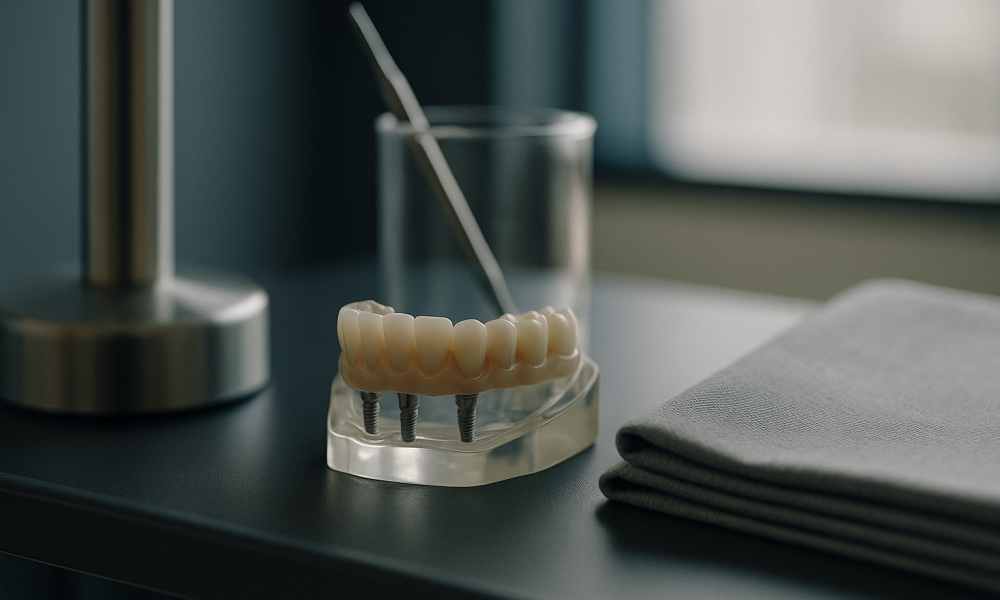
What All-on-4 Dental Implants is and who it is for
The All-on-4 dental implant procedure is a revolutionary approach to dental restoration, designed to provide a full-arch prosthesis on just four strategically placed implants. This technique is particularly beneficial for individuals who have lost most or all of their teeth in one or both jaws, offering a stable and long-lasting solution that mimics the function and appearance of natural teeth.
Unlike traditional implant methods that might require one implant per tooth, the All-on-4 utilises four implants per arch, placed at specific angles to maximise support. This not only reduces the number of implants needed but also minimises the need for bone grafting, making it a less invasive option. The posterior implants are angled to take advantage of the denser bone towards the front of the mouth, providing robust support for the prosthetic arch.
Ideal candidates for the All-on-4 procedure are those who are edentulous (without teeth) or are soon to be edentulous. This can include individuals who have suffered from extensive tooth decay, periodontal disease, or traumatic injury leading to tooth loss. The procedure is also suitable for those who have been wearing dentures and are seeking a more permanent and comfortable solution.
Patients choosing this option can typically expect a rapid transformation, as the implants and a temporary prosthesis are often placed on the same day, allowing for immediate improvement in oral function and aesthetics. The final prosthesis is usually fitted several months later, once the implants have fully integrated with the bone.
In Turkey, the All-on-4 procedure is performed by experienced dental professionals using high-quality materials, often at a fraction of the cost compared to countries like Canada. This makes it an attractive option for those seeking affordable yet high-standard dental care.
Are you a good candidate?
Determining whether you are a suitable candidate for the All-on-4 dental implants involves several considerations. This procedure is not for everyone, and a thorough evaluation by a qualified dental professional is essential. Below are some key criteria that can help determine suitability:
- General Health: Candidates should be in good overall health, as certain conditions like uncontrolled diabetes or autoimmune disorders can affect healing and implant success.
- Oral Health: While the procedure is designed for those with significant tooth loss, remaining teeth should be evaluated for health. Any existing oral infections or conditions should be treated prior to implant placement.
- Bone Density: Adequate bone density is crucial to support the implants. However, the All-on-4 technique often allows for placement in areas with reduced bone density, potentially eliminating the need for bone grafting.
- Non-Smoker: Smoking can impede healing and increase the risk of implant failure. Candidates should ideally be non-smokers or willing to quit before and after the procedure.
- Commitment to Oral Hygiene: A strong commitment to maintaining oral hygiene is vital for the long-term success of the implants. Regular dental check-ups and cleanings are also necessary.
- Realistic Expectations: Candidates should have realistic expectations about the outcomes and understand that while the results are typically excellent, they may vary based on individual conditions.
Those considering the All-on-4 procedure should consult with a dental specialist who can provide a comprehensive assessment, including imaging studies such as X-rays or CT scans, to ensure the best possible outcome. In Turkey, many clinics offer a complete evaluation as part of their service, ensuring that each patient receives personalised care tailored to their specific needs.
The procedure, step by step
The All-on-4 dental implant procedure is a transformative treatment designed to replace an entire arch of teeth using just four strategically placed implants. This innovative approach minimises surgery time and maximises stability. Here is a detailed step-by-step guide to help you understand what to expect during the procedure:
- Initial Consultation and Assessment: The process begins with a thorough consultation with a dental specialist. This includes a comprehensive oral examination, dental X-rays, and 3D imaging to assess bone structure and determine the best placement for the implants. The dentist will also discuss your medical history and any specific concerns you might have.
- Treatment Planning: Using the data gathered during the assessment, a customised treatment plan is developed. This plan will outline the number of implants required, their positioning, and the type of prosthetic teeth that will be used. Digital simulations may be employed to give you a preview of the expected results.
- Pre-Surgical Preparations: Before surgery, you’ll receive detailed instructions on pre-operative care. This might include guidelines on eating, medication adjustments, and oral hygiene practices. Sedation options will also be discussed to ensure comfort during the procedure.
- Surgical Procedure: On the day of the surgery, local anaesthesia or sedation is administered. The dentist will then make small incisions in the gum tissue to expose the jawbone. Using precise drilling techniques, four implants are placed into the bone. These implants are typically made of titanium, known for its durability and biocompatibility.
- Attachment of Temporary Prosthesis: Once the implants are secured, a temporary set of teeth is attached. This allows for immediate functionality and aesthetics. The temporary prosthesis is designed to be worn while the implants integrate with the bone, a process known as osseointegration, which typically takes three to six months.
- Post-Surgical Instructions: After the surgery, you’ll receive instructions on managing discomfort and maintaining oral hygiene. Pain relief medications and antibiotics may be prescribed to prevent infection and aid the healing process.
- Follow-Up Appointments: Regular follow-up visits are crucial to monitor healing and ensure the implants are integrating well with the bone. Adjustments to the temporary prosthesis might be necessary during this phase.
- Final Prosthesis Fitting: Once osseointegration is complete, the temporary prosthesis is replaced with a custom-made permanent set of teeth. This final fitting ensures optimal comfort, function, and aesthetics, concluding the All-on-4 procedure.
Recovery timeline
Recovering from All-on-4 dental implant surgery is a gradual process that varies among individuals. The timeline provided here outlines typical expectations and care notes from the immediate post-operative period to full recovery:
| Period | What to expect | Care notes |
|---|---|---|
| Day 1 | Swelling and some discomfort are common immediately after surgery. Bleeding may occur but should gradually subside. | Apply ice packs to reduce swelling. Follow the prescribed pain management plan and avoid strenuous activities. |
| Week 1 | Swelling should decrease significantly. Bruising may appear but typically fades within this period. Discomfort should lessen with each passing day. | Maintain a soft diet to avoid putting pressure on the implants. Keep up with oral hygiene using a gentle rinse. |
| Weeks 2-4 | Healing progresses, with most swelling and bruising resolved. Initial bone integration begins. | Gradually reintroduce firmer foods as comfort allows. Continue attending follow-up appointments. |
| Month 1-3 | Osseointegration continues, with implants becoming increasingly stable. Temporary prosthesis adjustments might be needed. | Maintain regular dental check-ups. Adhere to oral hygiene practices and dietary recommendations. |
| Month 3-6 | Final stages of osseointegration. Most patients experience normal function with the temporary prosthesis. | Prepare for the final fitting of the permanent prosthesis. Continue with routine dental care. |
| Full recovery | Typically achieved within six months. Final prosthesis is fitted, offering full functionality and aesthetics. | Enjoy a normal diet and lifestyle. Keep regular dental appointments to ensure long-term success. |
Throughout recovery, maintaining communication with your dental team is essential to address any concerns promptly and ensure a smooth healing process.
What it costs: Turkey vs Canada
When considering All-on-4 dental implants, cost is a significant factor for many patients. Comparing the cost of treatment in Turkey to that in Canada reveals a noticeable difference, largely due to the varying economic conditions and operational costs in these countries. It is essential to understand these costs within the context of what is typically included in the treatment packages offered in both locations.
| Country | Indicative Price Range (CAD) | Typical Package Inclusions |
|---|---|---|
| Turkey | $6,000 – $12,000 |
|
| Canada | $20,000 – $30,000 |
|
It’s important to note that the figures provided are indicative and can vary based on the specific needs of the patient and the clinic chosen. In Turkey, the lower cost is not indicative of lower quality but reflects the lower cost of living and operational expenses. Many clinics in Turkey offer comprehensive packages that include not only the dental treatment itself but also travel-related services such as accommodation and airport transfers, enhancing the convenience for international patients.
In Canada, while the cost is generally higher, the treatment is often part of a more extended service that might include additional follow-ups or specific aftercare tailored to the patient’s needs. Patients considering treatment in Turkey should ensure they fully understand what is included in their chosen package and confirm any additional costs that might arise.
Risks and how accredited providers manage them
Undergoing any surgical procedure, including All-on-4 dental implants, involves certain risks. Understanding these risks and how accredited providers in Turkey manage them can help patients make informed decisions.
Common risks associated with dental implant procedures include infection, implant failure, nerve damage, and sinus issues. Accredited clinics in Turkey employ a range of strategies to mitigate these risks, ensuring patient safety and improving outcomes.
- Infection Control: Clinics adhere to stringent sterilisation protocols to minimise the risk of infection. This includes the use of autoclaved instruments, disposable items where possible, and maintaining a sterile surgical environment.
- Implant Failure: To reduce the risk of implant failure, clinics conduct thorough pre-surgical assessments, including bone density analysis and health evaluations. This helps in planning the procedure accurately and selecting the appropriate type of implant.
- Nerve Damage: Detailed imaging techniques, such as 3D CT scans, are used to map the patient’s oral anatomy. This precision mapping helps in avoiding critical nerves during surgery, thereby reducing the risk of nerve damage.
- Sinus Problems: For implants in the upper jaw, there is a risk of sinus issues. Accredited providers utilise advanced techniques such as sinus lifts when necessary, ensuring implants are placed without compromising sinus integrity.
Accredited clinics in Turkey are typically certified by international bodies such as the Joint Commission International (JCI) or have ISO certifications, which ensure adherence to global health and safety standards. These accreditations ensure that clinics maintain high standards of care, with continuous monitoring and improvement processes in place.
Patients should feel reassured knowing that many clinics also offer comprehensive post-operative care, which is crucial in monitoring the recovery process and addressing any complications promptly. Follow-up appointments allow for the assessment of healing and the early detection of any potential issues, thereby ensuring timely intervention.
Moreover, open communication between the patient and the healthcare provider is encouraged. Patients are advised to discuss any concerns or questions they might have regarding the procedure, risks involved, and the steps taken to mitigate these risks. This transparency is part of a patient-centred approach that many accredited clinics in Turkey uphold, aiming to provide not only effective treatment but also peace of mind for their international patients.
How to choose the right provider
Choosing the right provider for your All-on-4 dental implants in Turkey is crucial to ensure a successful outcome and a positive experience. One of the key factors to consider is accreditation. Look for clinics that are accredited by reputable international bodies, such as the Joint Commission International (JCI), which signifies adherence to high standards of healthcare quality and patient safety.
The experience of the surgeon is another critical consideration. Research the surgeon’s credentials, including their education, training, and years of experience specifically with All-on-4 procedures. Surgeons who have performed numerous procedures are more likely to have refined their skills and techniques, leading to better outcomes. Request information about the number of All-on-4 surgeries they perform annually, as high volumes can be indicative of expertise.
Aftercare is an essential part of the treatment process, and understanding what is included in the package is important. Quality clinics offer comprehensive aftercare that includes follow-up appointments, detailed post-operative instructions, and emergency contact options. Ensure that the clinic provides support in English to avoid communication barriers.
Be aware of red flags that could indicate a less reputable provider. These include lack of transparency about costs, absence of clear treatment plans, and pressure to make quick decisions. Clinics that offer significantly lower prices than the average indicative range of £4,000 to £8,000 for All-on-4 implants should be approached with caution, as this may reflect compromises in quality or safety.
Additionally, seek out patient reviews and testimonials, particularly from international patients. These can provide insights into the experiences of others and highlight any recurring issues or praises. Engaging with online forums or patient support groups can also offer valuable perspectives.
Planning your trip
Careful planning is essential for a smooth experience when travelling to Turkey for All-on-4 dental implants. Start by establishing a timeline before your travel. Typically, you should begin planning 2-3 months in advance to allow sufficient time for research, consultations, and logistical arrangements.
Ensure that you have all the necessary documents. This includes a valid passport, which should be valid for at least six months beyond your planned departure date. Depending on your nationality, you may need a visa; Canadian citizens can typically apply for an e-Visa online. Additionally, gather all relevant medical records, including recent dental X-rays and any documents pertaining to your dental history, to share with your Turkish provider.
Consider the length of stay required for the procedure. Typically, the initial visit for All-on-4 implants will require a stay of about 7 to 10 days. This duration allows for the surgery, initial recovery, and follow-up appointments. Discuss with your provider to confirm the exact timeline as it may vary based on individual circumstances.
Arranging for follow-up care at home is equally important. After returning to Canada, you should have a local dentist who can monitor your healing process and address any complications should they arise. It may be beneficial to arrange a follow-up appointment within a month of your return. Discuss this with your Turkish provider to ensure continuity of care.
Lastly, consider purchasing travel insurance that covers medical procedures and any potential complications. This can provide peace of mind and financial protection in case of unforeseen issues. Plan your accommodation and transport in advance, and consider staying in a hotel close to the clinic for convenience.
Frequently Asked Questions
What are the typical costs for All-on-4 implants in Turkey?
The cost for All-on-4 dental implants in Turkey typically ranges from £4,000 to £8,000. This includes the cost of the implants, surgery, and initial aftercare. Prices can vary depending on the complexity of the case, the materials used, and the experience of the dental team. It's important to get a detailed quote from the clinic to understand what is included in the price.
How do I ensure the clinic I choose is safe?
Ensuring the safety of the clinic involves several steps. Verify that the clinic is accredited by reputable international organizations such as the Joint Commission International (JCI). Check for the surgeon's credentials and experience, particularly in performing All-on-4 procedures. Read reviews and testimonials from previous patients, especially international ones, to gauge their experiences. Transparency about costs and treatment plans is also a good indicator of a trustworthy clinic.
What documents do I need to travel to Turkey for dental treatment?
To travel to Turkey for dental treatment, you will need a valid passport with at least six months of validity remaining. Depending on your nationality, you may also need a visa, which can often be obtained online as an e-Visa. Additionally, bring all relevant medical records, including recent dental X-rays and any documentation of your dental history, to share with your Turkish provider.
How long do I need to stay in Turkey for the procedure?
The typical stay in Turkey for All-on-4 dental implants is about 7 to 10 days. This allows time for the surgery, initial recovery, and follow-up appointments. The exact duration may vary based on individual circumstances and the provider's recommendations. It's important to confirm the timeline with your chosen clinic to ensure you allow sufficient time for all necessary procedures and check-ups.
What should I do if I experience complications after returning home?
If you experience complications after returning home, contact your Turkish provider immediately for advice. It's also important to have a local dentist in Canada who can assist with follow-up care. Arrange a follow-up appointment within a month of returning to ensure proper healing and address any issues. Having travel insurance that covers medical procedures can also provide support in managing complications.
Is travel insurance necessary for medical tourism?
While not mandatory, travel insurance is highly recommended for medical tourism. It can provide financial protection and peace of mind in case of unforeseen complications or issues during your trip. Ensure that the policy covers medical procedures and any potential complications related to your dental treatment. Review the terms carefully to understand what is included and any exclusions that may apply.
What are the risks involved with All-on-4 dental implants?
As with any surgical procedure, All-on-4 dental implants carry some risks. These include infection, implant failure, nerve damage, and sinus issues. However, choosing a highly experienced surgeon and a reputable clinic can significantly mitigate these risks. Discuss potential complications with your provider, and ensure you understand the aftercare instructions to support your recovery.
How can I verify the experience of my surgeon?
To verify the experience of your surgeon, research their credentials, including education, training, and specific experience with All-on-4 procedures. Ask the clinic for the surgeon's profile, which should include the number of surgeries performed and any professional affiliations. Patient reviews and testimonials can also provide insights into the surgeon's expertise and reputation.
Will language be a barrier during my treatment in Turkey?
Most reputable clinics in Turkey catering to international patients have English-speaking staff to facilitate communication. It's advisable to confirm this with your chosen clinic before booking. Additionally, some clinics offer translation services for other languages, ensuring that language does not become a barrier to understanding your treatment plan and aftercare instructions.
What should be included in the aftercare package?
An aftercare package should include follow-up appointments, detailed post-operative instructions, and emergency contact options. Ensure that the clinic provides support in English to avoid communication barriers. Understanding the scope of aftercare is crucial, as it plays a significant role in recovery and the long-term success of your dental implants.
Are there payment plans available for the procedure?
Many clinics in Turkey offer payment plans or financing options to make the procedure more affordable. It's important to discuss these options with the clinic beforehand to understand the terms and conditions. Ensure that you are clear about any interest rates or additional fees that may apply to the payment plan.
Can I combine my dental treatment with a holiday in Turkey?
Yes, many patients choose to combine their dental treatment with a holiday in Turkey. However, it's important to balance rest and recovery with sightseeing activities. Discuss your plans with your provider to ensure that your itinerary does not interfere with your recovery process. Allow for adequate time to rest post-surgery before engaging in any strenuous activities.